

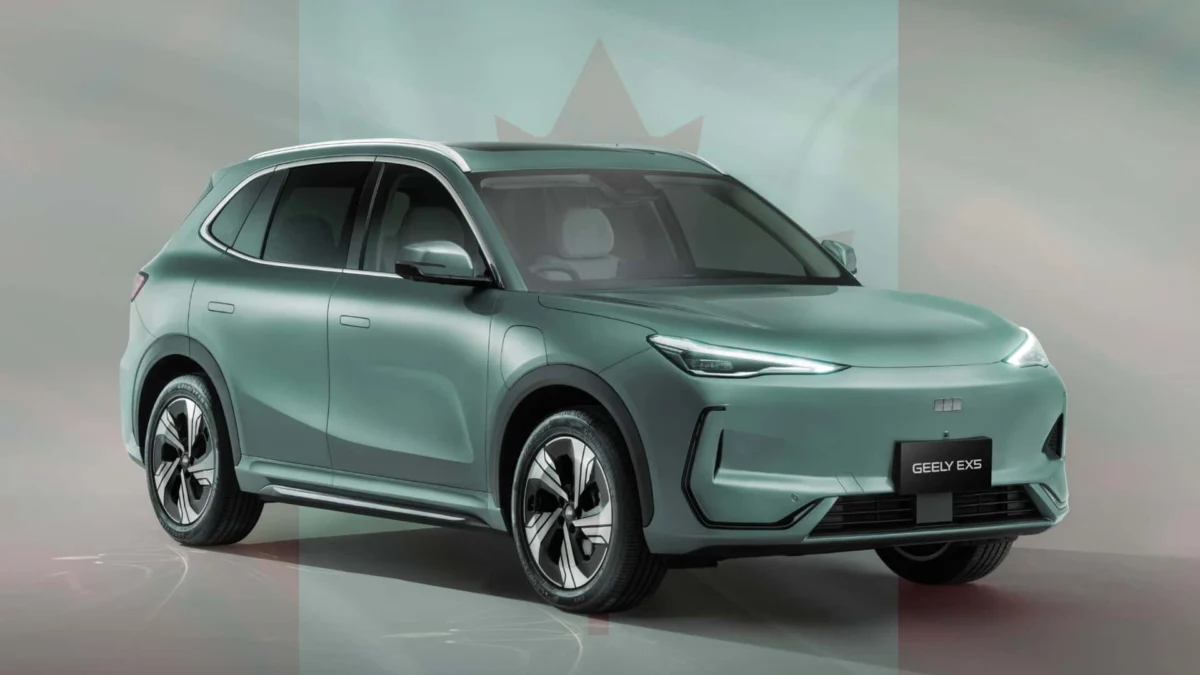
The global automotive landscape is bracing for a significant shift as Geely, the Chinese industrial juggernaut, officially confirmed its expansion into the Canadian market. On Friday, the automaker announced the establishment of Geely Auto Canada, a dedicated subsidiary tasked with spearheading the company’s retail and service operations ahead of a highly anticipated vehicle rollout in 2027. This move represents a strategic milestone in Geely’s ongoing campaign to transition from a regional powerhouse to a dominant, truly global automotive manufacturer.
The Strategic Significance of the Canadian Entry
Geely’s decision to enter Canada is not merely a geographic expansion; it is a calculated foray into one of North America’s most sophisticated, albeit challenging, automotive markets. By establishing a formal presence now, Geely is signaling a multi-year commitment to integrating its manufacturing prowess, advanced electrification technology, and digital-first vehicle ecosystems into the North American regulatory and consumer environment.
The Canadian automotive market, known for its diverse demographic and demanding climate conditions, serves as an ideal "testing ground" for the company’s global mainstream lineup. While the company has kept specific model details under wraps for the time being, industry analysts anticipate that Geely will leverage its modular platform architectures to offer a mix of high-efficiency hybrid and fully electric vehicles (EVs) tailored to the Canadian penchant for SUVs and crossovers.
A Chronology of Global Growth
To understand the gravity of the Canadian announcement, one must view it within the broader historical context of the Geely Holding Group’s trajectory over the past decade.
- The Foundation: Geely, founded in 1986, initially rose to prominence as a domestic leader within China. However, its ambition quickly surpassed its home borders.
- The Strategic Acquisitions: The turning point occurred in 2010 when Geely acquired Volvo Cars from Ford. This provided the company with world-class safety engineering, design DNA, and intellectual property. This was followed by the acquisition of a controlling stake in Lotus and partnerships with various global technology firms.
- Diversification: Over the last five years, Geely has successfully incubated a multi-brand strategy, ranging from the performance-oriented Polestar to the mainstream Geely Auto brand and the innovative Galaxy series.
- Global Export Surge: By 2025, the company reached a new zenith, reporting global sales exceeding 3.02 million vehicles. A significant portion of this growth was driven by its "electrified" portfolio, which accounts for over 1.69 million units.
- The 2027 Milestone: With the 2027 Canadian target, Geely is now shifting its focus toward North American market penetration, bridging the gap between its success in Europe, the Middle East, and Southeast Asia, and the Western Hemisphere.
Technical Prowess: What Canadian Drivers Can Expect
Geely Auto Canada has stated that its upcoming lineup will prioritize the "global engineering and manufacturing capabilities" that have defined its success in other international markets.
Central to their offering will be the integration of advanced vehicle intelligence. Geely has invested billions into "smart cockpit" technologies, which prioritize AI-driven connectivity, OTA (over-the-air) software updates, and advanced driver-assistance systems (ADAS).
Moreover, as the Canadian government continues to push for aggressive electrification mandates, Geely’s proficiency in battery chemistry and thermal management—developed through their work with Volvo and internal research centers—will be a critical differentiator. The company’s focus on high-voltage architecture and rapid-charging capability suggests that they are positioning themselves to compete directly with existing market leaders like Tesla, Hyundai, and Toyota.
Official Responses and Corporate Vision
The leadership team at Geely Auto Canada has been clear about their philosophy: success in Canada will be built on the back of localized, sustainable partnerships.
Bryan Wu, the managing director of Geely Auto Canada, articulated the company’s intent in a recent statement: "Canada represents an important next step in Geely Auto’s international growth. We are entering this market with a long-term commitment, bringing our global technology and engineering capabilities to Canadian drivers while building strong local partnerships and the support customers need to feel confident in choosing Geely."
This emphasis on "local partnerships" is a subtle but vital acknowledgment of the nuances of the Canadian automotive retail model. Unlike some EV-only startups that have attempted to bypass traditional dealerships, Geely is opting for a hybrid approach—establishing a robust retail and service network that relies on partners who understand the specific needs and expectations of Canadian consumers. This approach is expected to mitigate the "service anxiety" often associated with new entrants in the automotive space.
Implications for the Competitive Landscape
The arrival of a major Chinese automaker in Canada will have profound implications for the competitive dynamics of the North American automotive sector.
1. Pricing Pressure and Market Competition
Geely’s entry is expected to exert downward pressure on vehicle pricing. By leveraging its immense manufacturing scale—producing millions of vehicles annually—Geely can realize economies of scale that are difficult for legacy manufacturers to match. This "value-for-money" proposition has historically been the cornerstone of the company’s growth in other markets.
2. The Infrastructure Challenge
A significant hurdle for any new entrant, particularly one focusing on electrification, is the supporting infrastructure. Geely’s success will depend on its ability to work with municipal and provincial governments to ensure their vehicle ecosystems are compatible with Canada’s growing charging grid. The company’s commitment to "intelligent features" suggests they may also pursue proprietary solutions to integrate charging data directly into the vehicle’s navigation software.
3. Regulatory and Trade Considerations
The automotive industry is currently navigating a complex geopolitical landscape, including tariffs and trade agreements involving Chinese-made vehicles. Geely’s long-term success in Canada will require adept maneuvering through these trade policies. By positioning itself as a global brand that utilizes international R&D and manufacturing networks, Geely will likely attempt to emphasize its status as a global entity rather than a purely Chinese one.
Looking Ahead: The Road to 2027
The next few months will be a period of intense activity for Geely Auto Canada. With the announcement of the official operation, the company is expected to transition into the next phase of its launch plan: site selection for dealerships, recruitment of local management teams, and the formal announcement of the specific vehicle models that will headline their Canadian debut.
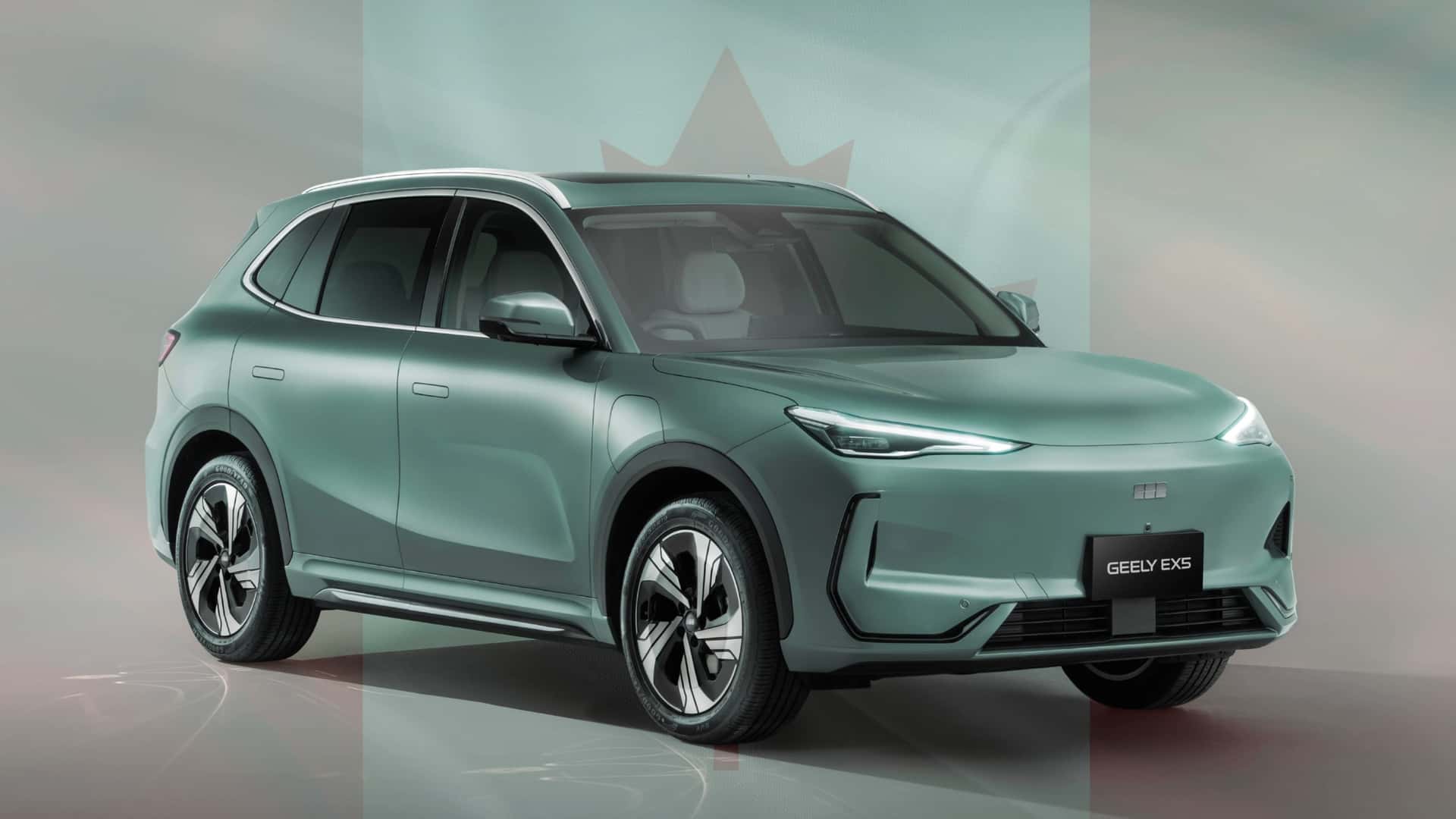
Industry experts suggest that we should keep a close eye on the models currently being marketed under the "Galaxy" and "E5" sub-brands. These vehicles represent the latest in Geely’s design language—sleek, aerodynamically optimized, and tech-forward.
As we approach 2027, the Canadian consumer will be the ultimate judge. Will the brand’s promise of "global technology with local expertise" resonate with a market that has long been dominated by North American, Japanese, and Korean marques? If history is any indicator, Geely’s patient, calculated approach suggests they are in it for the long haul.
The transformation of the Canadian automotive landscape is just beginning. With the formal entry of a global giant like Geely, the market is poised to become more crowded, more innovative, and significantly more competitive. For the Canadian consumer, this likely means more choice, better technology, and a rapidly evolving definition of what a mainstream vehicle should look like in the late 2020s.
As Geely prepares to enter the Canadian market, further updates regarding specific retail locations, vehicle specifications, and pricing will be released throughout 2026. For those interested in the future of the automotive industry, the developments in the coming months will be a critical bellwether for the future of global vehicle distribution.
