

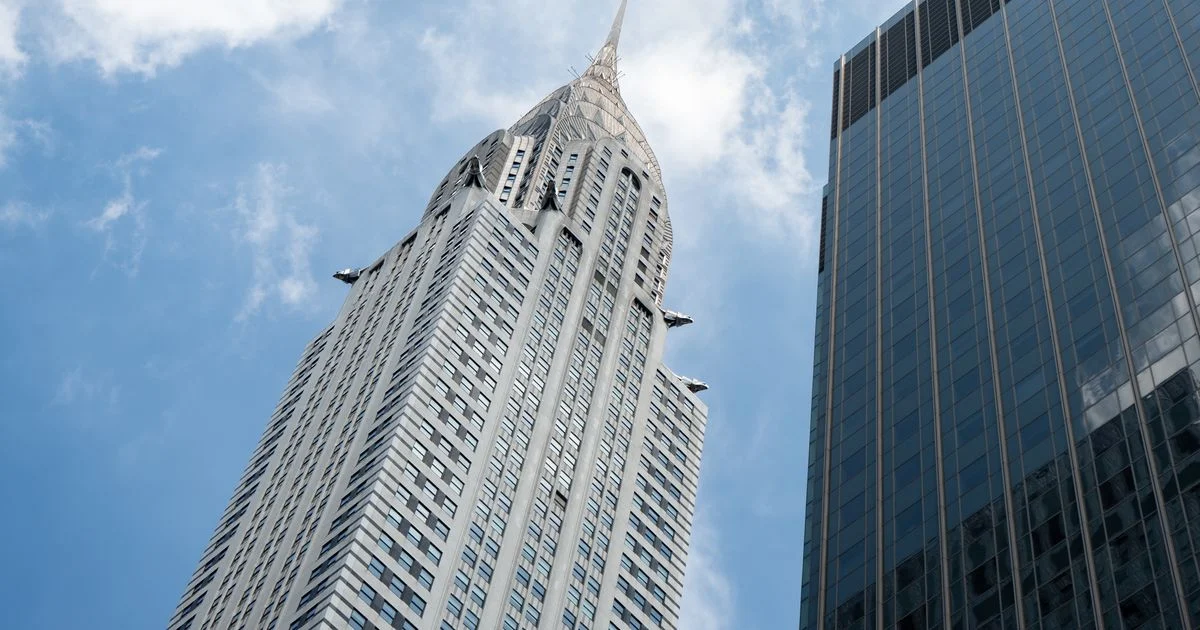
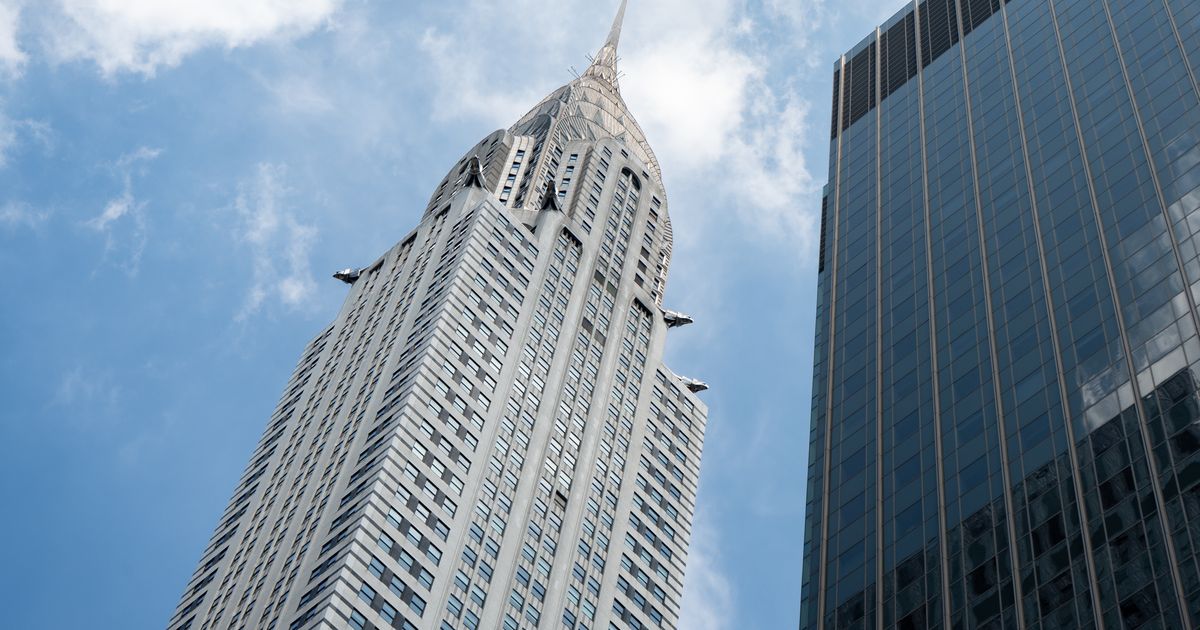
The Chrysler Building, an unrivaled masterpiece of Art Deco architecture and perhaps the most recognizable silhouette in the New York City skyline, is entering a new chapter. In a move that signals both a major pivot for Midtown Manhattan’s commercial real estate landscape and a renewed commitment to preserving the city’s architectural heritage, Tishman Speyer has secured the ground lease for the legendary tower.
This acquisition marks a homecoming of sorts for Tishman Speyer, a firm that previously owned the building from 1997 to 2008. The deal, which includes a significant investment of $235 million, arrives at a critical juncture for the building, which has spent recent years navigating the choppy waters of foreclosure, shifting post-pandemic office demands, and the pressures of an aging physical infrastructure.
A Legacy of Ownership and the Current Reality
To understand the significance of this acquisition, one must look at the turbulent history of the tower’s ownership. For years, the Chrysler Building has been a "trophy" asset that has proven difficult to manage. After Tishman Speyer sold its stake in 2008 for a valuation of $800 million, the building passed through various hands, eventually landing with RFR’s Aby Rosen in 2019 for a mere $150 million—a steep decline that underscored the building’s structural and financial woes.
Rosen’s tenure was marked by ambitious plans for revitalization that were ultimately derailed by the global pandemic and the subsequent collapse of traditional office demand. Following a foreclosure earlier this year, the property’s future felt uncertain. Now, with Tishman Speyer returning alongside the Canadian public pension fund PSP, the strategy is shifting from mere survival to a comprehensive "glow-up."
The firm is not merely playing the role of a landlord; it is attempting a high-stakes restoration project. By leveraging their deep experience with the nearby Rockefeller Center, Tishman Speyer aims to modernize the Chrysler Building while respecting its historic integrity—a delicate balancing act that requires addressing 21st-century workspace needs within a 1930s frame.
The Architecture of Ambition: What Changes Are Coming?
The primary challenge facing the new owners is the "tired" state of the building’s interior. While the lobby remains a cathedral of jazz-age design, the upper-level office floors have struggled to compete with the ultra-modern amenities offered by newer, "super-tall" competitors like One Vanderbilt and 425 Park Avenue.
The Concourse Revival
Perhaps the most exciting aspect of the renovation plan involves the building’s lower levels. A few years ago, the original concourse—home to modest, long-standing shops—was cleared out in anticipation of an upscale transformation that never materialized. Tishman Speyer has announced its intent to finally bring this space back to life, reimagining it as a hub for "fitness, wellness, and meeting spaces." This shift reflects the broader trend in commercial real estate: moving away from sterile office environments toward "experience-led" workplaces that prioritize the health and productivity of the tenant.
The 61st-Floor Club
Tishman Speyer is also planning to install a high-end tenants’ club on the 61st floor. This location is steeped in history; it was here that the legendary photographer Margaret Bourke-White maintained her studio in the 1930s, famously living there with a pair of pet alligators. The new club is intended to serve as a modern-day spiritual successor to the iconic "Cloud Club," the private, three-martini-lunch establishment that once occupied the building’s spire and served as the epicenter of New York’s corporate power.
Chronology of the Chrysler Building’s Modern Era
- 1997: Tishman Speyer acquires the Chrysler Building for $220 million, initiating a successful period of restoration.
- 2008: Tishman Speyer exits its ownership position, with the building valued at $800 million.
- 2019: Aby Rosen’s RFR Realty purchases the building for $150 million, a massive drop in value.
- 2025: Following the post-pandemic office market crash, the building enters foreclosure proceedings.
- 2026 (January): Ownership is lost in foreclosure, triggering a search for new management.
- 2026 (October): Tishman Speyer, in partnership with PSP, officially secures the ground lease and announces a $235 million investment plan.
The Cooper Union Ground Lease Factor
A unique hurdle for any owner of the Chrysler Building is its relationship with The Cooper Union for the Advancement of Science and Art. The building does not own the land it sits on; rather, the college owns the plot beneath it. This ground-lease structure has been a persistent source of financial tension.
In 2018, the ground rent saw a dramatic hike from $7.75 million to $32.5 million. Projections suggest the rent will climb to $42 million in 2028 and $55 million by 2038. These figures have historically made the building an unattractive long-term investment, as the escalating costs threaten to eat into any potential profit margins.
However, the new agreement between Tishman Speyer and Cooper Union is framed as a symbiotic relationship. As the parties noted in a joint statement, the ground lease revenue is essential for the college’s mission to restore full-tuition scholarships for all undergraduates. In this sense, the Chrysler Building’s success is directly tied to the educational future of one of New York’s most historic institutions.
Implications for the Midtown Market
The decision to invest $235 million into the Chrysler Building occurs against a backdrop of a "lively" market around Grand Central Terminal. With the completion of major projects like One Vanderbilt and 270 Park, the area has cemented itself as the new center of gravity for Manhattan’s corporate elite.
Tishman Speyer’s move is curious, however. The firm is currently attempting to sell the nearby 666 Third Avenue (formerly known as Chrysler Building East). By offloading one asset while reinvesting heavily in the crown jewel of the area, Tishman is clearly signaling a "flight to quality." They are betting that even in a digital age, tenants will pay a premium for a building that offers both modern amenities and the unmatched prestige of the Art Deco era.
A Balanced Future
The restoration of the Chrysler Building is not just a real estate play; it is a cultural project. When Tishman Speyer speaks of "restoring the shine," they are talking about more than just cleaning the stainless-steel gargoyles or replacing the elevator systems. They are talking about reclaiming the building’s status as a beacon of New York City’s identity.
The challenges are undeniably steep. The office market is still in flux, the ground-lease costs are astronomical, and the competition for top-tier tenants has never been more intense. Yet, if any firm has the institutional memory and the development pedigree to navigate these currents, it is Tishman Speyer. By bridging the gap between the building’s storied past—the Cloud Club, the Bourke-White studio—and the requirements of a modern workforce, they are attempting to ensure that the Chrysler Building remains, as it has been for nearly a century, the most beautiful office tower in the world.
As the scaffolding goes up and the renovations begin, New Yorkers will be watching closely. In a city that often tears down its history to make room for the new, the prospect of an iconic landmark being meticulously renewed is a rare and welcome narrative. For the Chrysler Building, the climb back to the top of the market is just beginning.
