

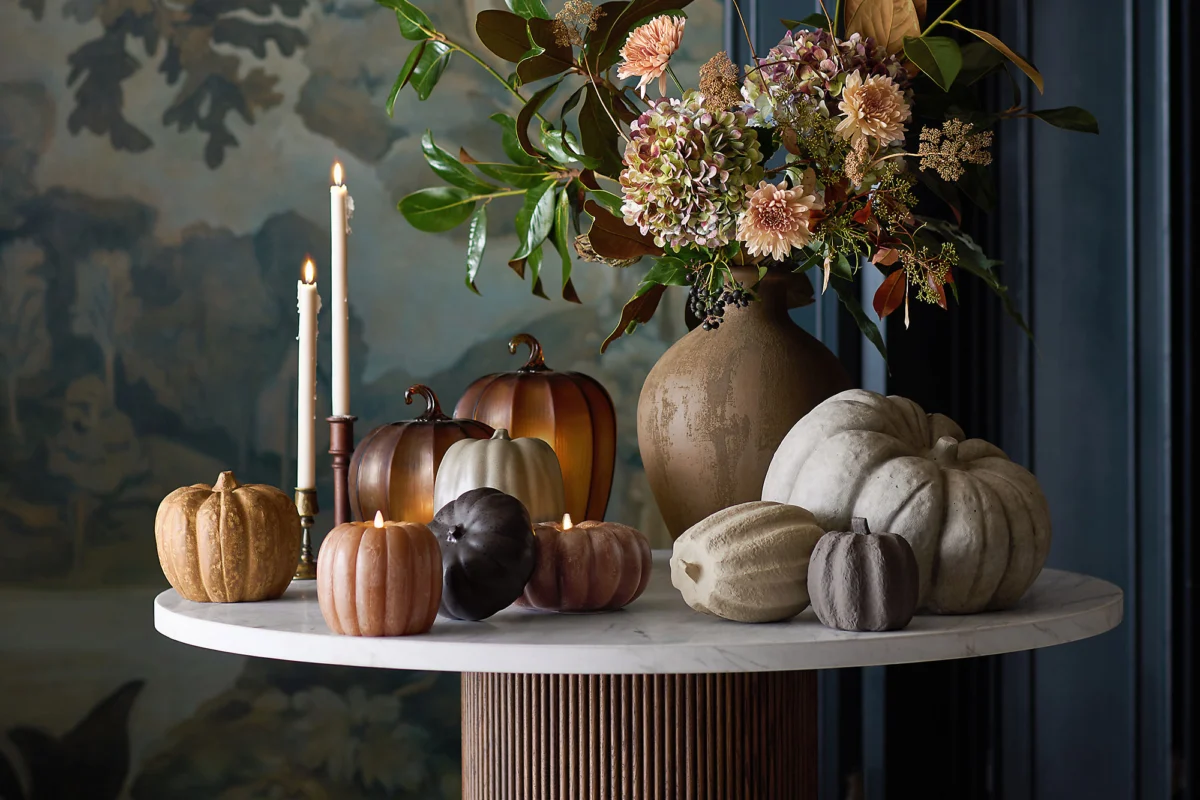
As the golden hues of autumn begin to replace the vibrant greens of summer, the collective desire to nest and revitalize our living spaces becomes palpable. For the design-conscious, the arrival of a new season serves as a natural prompt to evaluate our interiors. It is a time when the crisp air outside encourages us to curate a warmer, more inviting atmosphere within our walls.
However, in an era increasingly defined by the tension between aesthetic desire and environmental responsibility, the approach to seasonal decor is undergoing a transformation. Moving away from the cycle of hyper-consumption, the modern decorator is embracing a more thoughtful, intentional philosophy: the art of the "seasonal refresh."
The Philosophy of Intentional Refreshing
The concept of a home refresh has evolved significantly over the past decade. It is no longer synonymous with a complete overhaul or the accumulation of disposable trends. Instead, it has become a nuanced practice of balancing current design sensibilities with sustainable habits.
As a design enthusiast, the act of "window shopping" through the latest collections from high-end home retailers serves a dual purpose. First, it provides a pulse-check on the industry. By observing the textures, color palettes, and silhouettes favored by leading brands, one can discern which trends align with their personal interior design style and which are merely fleeting fads. Second, this process acts as a catalyst for creativity. Often, the inspiration derived from these collections prompts homeowners to look inward, practicing what is affectionately known as "shopping your home"—the act of rearranging existing furniture, rediscovering tucked-away accents, or repurposing heirloom pieces to create a renewed sense of space without adding to a landfill.
Chronology of the Seasonal Transition
The transition into fall is not a singular event but a process that typically begins in late August and extends through the depths of winter.
- Late Summer (The Prep Phase): As daylight hours shorten, the focus shifts toward lighting and textiles. This is the time for packing away light, airy linens and bringing out heavier, tactile fabrics that promise comfort.
- Early Autumn (The Curatorial Phase): This period—typically late September—is when decor shifts toward natural elements. Dried botanicals, organic textures, and the introduction of autumnal tones like burnt orange, deep umber, and muted gold take center stage.
- Late Autumn (The Hosting Phase): By October and November, the home is prepared for the influx of social gatherings. The focus moves toward the dining room and kitchen, emphasizing elegant tabletop settings and the layering of ambient lighting.
Supporting Data: The Retail Pulse of Autumn 2024
A review of current offerings from major design houses reveals a distinct move toward longevity and naturalistic motifs. The following curated list highlights pieces that exemplify this season’s blend of functionality and high-style aesthetics.
Ambient Illumination and Decorative Accents
The shift toward LED technology has revolutionized seasonal decor, allowing for the convenience of holiday lighting without the waste of traditional wax candles.
- Crate & Barrel Flicker Flameless Pumpkin LED Candle ($70): A sophisticated approach to festive lighting. These pieces offer a clean, reusable solution for mantels and consoles, bridging the gap between whimsical fall decor and high-end home accessories.
- Terrain Pressed Floral Glass Pumpkin ($36): These items represent the trend toward "botanical infusion," where dried organic materials are permanently preserved within glass, creating a sculptural piece that feels timeless rather than kitschy.
Textural Softness and Comfort
As temperatures drop, the living room becomes the heart of the home. The inclusion of high-quality textiles is paramount.
- West Elm Nicole Cicak Apple Picking Pillow Cover ($59): Textiles remain the most efficient way to alter the mood of a room. Swapping pillow covers allows for a significant visual impact with minimal storage requirements.
- Hudson Grace Persimmon Orange Solid Mohair Throw ($428): In terms of investment pieces, mohair remains the gold standard for fall comfort. The shift toward saturated, earthy tones like persimmon reflects the season’s palette while offering a tactile experience that enhances the "cozy" factor of a space.
Elevating the Culinary Experience
Entertaining during the colder months requires a shift in tabletop presentation. The current trend favors botanical elegance over overly stylized, theme-heavy decor.
- CB2 Alvina Appetizer Plates ($60/set): These bone china pieces demonstrate the shift toward refined, reusable dinnerware. The botanical motifs are subtle enough to be used throughout the autumn and winter holidays.
- Terrain Oak Vine Linen Runner ($108): A high-quality linen runner provides an instant foundation for a tablescape. By utilizing a high-quality base, homeowners reduce the need for excessive table centerpieces, relying instead on the texture of the fabric itself.
- Pottery Barn Fantastical Forest Composed Arrangement ($143): For those seeking convenience, professionally composed arrangements provide a structural focal point, allowing the host to add personal touches like taper candles to complete the look.
Implications for Sustainable Design
The current retail landscape carries significant implications for the future of home design. The rise of brands focusing on "preserved" botanicals—such as the Lulu & Georgia Preserved Autumn Blooms Wreath ($88)—signals a shift toward items that can be used for multiple seasons or years, rather than organic materials that must be discarded after a few weeks.
Furthermore, the prevalence of "multi-functional" decor, such as the Pottery Barn Leaf Decorative Bowl (starting at $30), encourages consumers to invest in pieces that serve a purpose beyond mere decoration. When a decorative item functions as a serving vessel, its utility increases, thereby justifying its place in a curated home.
The "Shop Your Home" Methodology
The most sustainable decor trend of 2024 is, paradoxically, buying nothing at all. Experts suggest that before purchasing new items, homeowners should:
- Audit existing inventory: Take stock of items stored in attics or closets.
- Re-contextualize: A vase that lived on a bookshelf all summer might serve as a striking centerpiece when filled with autumnal branches gathered from the yard.
- Prioritize quality over quantity: If purchasing new, opt for materials that age gracefully, such as linen, mohair, porcelain, and glass.
Conclusion: A Balanced Approach
Refining a home for the autumn season is an exercise in mindfulness. By balancing the excitement of seasonal trends with a commitment to sustainable, high-quality choices, we can create environments that are both current and enduring.
Whether you choose to invest in a statement piece like a mohair throw, or you decide to simply rearrange your existing collection of bud vases, the goal remains the same: to foster a sense of warmth and belonging as the seasons turn. The most successful homes are not those that perfectly mimic a catalog, but those that reflect the thoughtful, curated spirit of their inhabitants. As we move into the darker, cooler months, may your home serve as the ultimate sanctuary—one that honors the transition of the year with intention, grace, and style.
Disclaimer: We only recommend products we love. If you choose to purchase items through the links provided in this industry overview, please be aware that we may earn a commission.
