

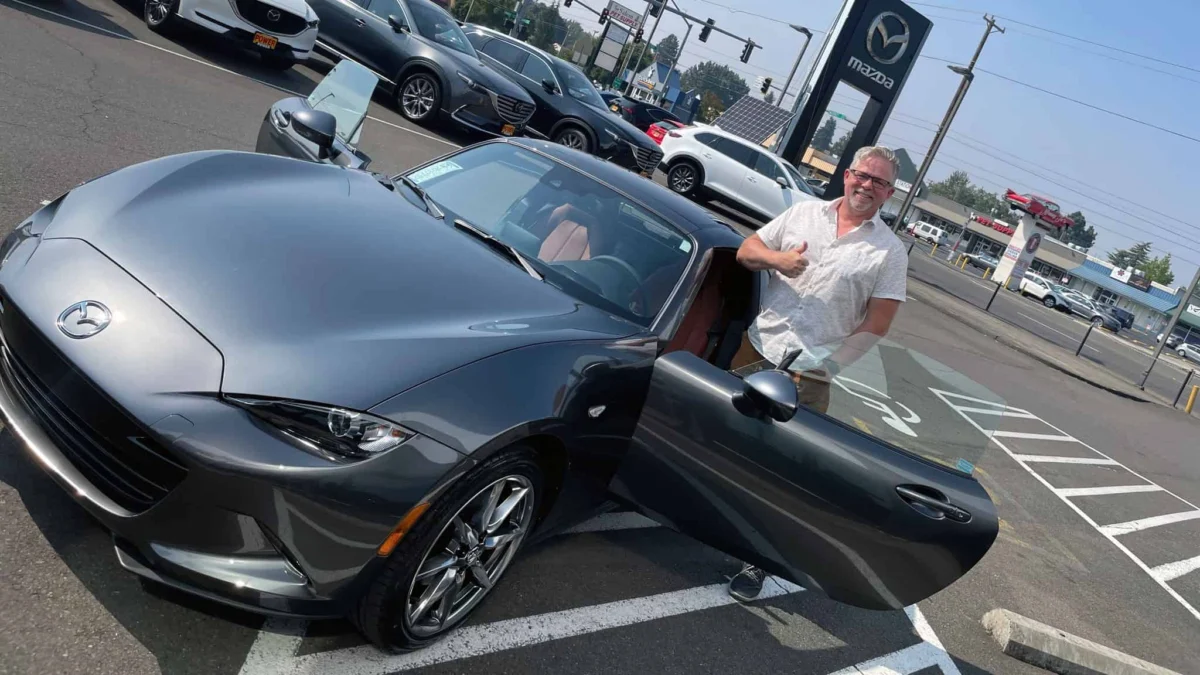
At 53 years old, most of us have spent decades curating a life defined by practical decisions, budget-conscious trade-offs, and the quiet suppression of our own personal desires. We are taught to prioritize the "sensible" choice—the reliable sedan, the fuel-efficient commuter, or the versatile SUV that can handle everything from grocery hauls to family road trips. For the better part of my adult life, I followed this script to the letter. I bought cars I could afford, cars that were "logical," and cars that served a function.
But for the first time in my life, I decided to stop compromising. I decided to purchase a vehicle not because it was the "right" choice on a spreadsheet, but because it promised the one thing we often forget to budget for: pure, unadulterated joy.
The "Maxi Cooper" Regret: A Case Study in Compromise
My journey toward this realization began in the shadow of the global pandemic. In July 2020, amidst the uncertainty of a changing world, I purchased a used 2019 Mini Countryman SE All4 for $35,990. I affectionately dubbed it the "Maxi Cooper." It was supposed to be my transition into a more mature vehicle, a slight pivot from my beloved 2004 Mini Cooper toward something more robust.
The regret, however, was nearly instantaneous. While the Countryman was technically a fine automobile, it was an SUV—and I am, at my core, a "small-car guy." For two long years, I drove the Maxi Cooper and tolerated it. It was a classic example of a "misalignment of utility." I had allowed myself to be talked into a vehicle that checked every box on a consumer checklist but failed to resonate with my actual identity. I was driving a car that wasn’t "me."
The Market Anomaly: A Financial Miracle
The turning point arrived by pure coincidence during a routine oil change last month. While waiting in the dealership lounge, a representative approached me with a surprising proposition: they wanted to buy back my vehicle.
To understand the magnitude of this offer, one must look at the chaotic state of the U.S. automotive market. According to data from the U.S. Federal Reserve, used vehicle prices have surged 55% since July 2020. Even new vehicle prices have risen by roughly 18% in that same window, driven by supply chain constraints and a global semiconductor shortage.
When the dealer offered me $33,000 for a car I had purchased 26 months prior, the numbers didn’t just look good—they looked like a financial miracle. I reached out to a contact of mine, a seasoned veteran of the automotive sales industry named Jeremy, to confirm my suspicions.
"It’s not just a good deal," Jeremy told me. "It’s a miracle. It’s as if you leased that car for $115 a month. You should take the offer. Now. Before they change their mind."
The Shift in Philosophy: From Utility to Joy
With the prospect of a high-value trade-in, I suddenly found myself in an unexpected position: I was in the market for a new car without having prepared for it. For the first time, I decided to apply a "self-centered shopping" strategy. I asked myself a simple question: If I didn’t have to compromise on cost, space, or practicality, what would I actually want to drive?
This was a radical departure from my past. Historically, my car purchases were dictated by the limitations of my budget or the pressure to pick the "safe" option. This time, I resolved to find a vehicle that matched my soul rather than my commute.
I considered going car-free. I own a 1993 Toyota pickup that, while aesthetically challenged, remains functional. I live in Corvallis, a city with excellent infrastructure for walking and cycling. I walk over 20 miles a week and have become increasingly comfortable navigating the world without a modern, high-tech vehicle. Yet, the allure of a refined, modern driving experience persisted.
The Search: Filtering the Noise
I committed to an intense 24-hour research period. My criteria were specific: a compact, agile vehicle with high driver-satisfaction scores, reliable performance, and a design that felt personal.
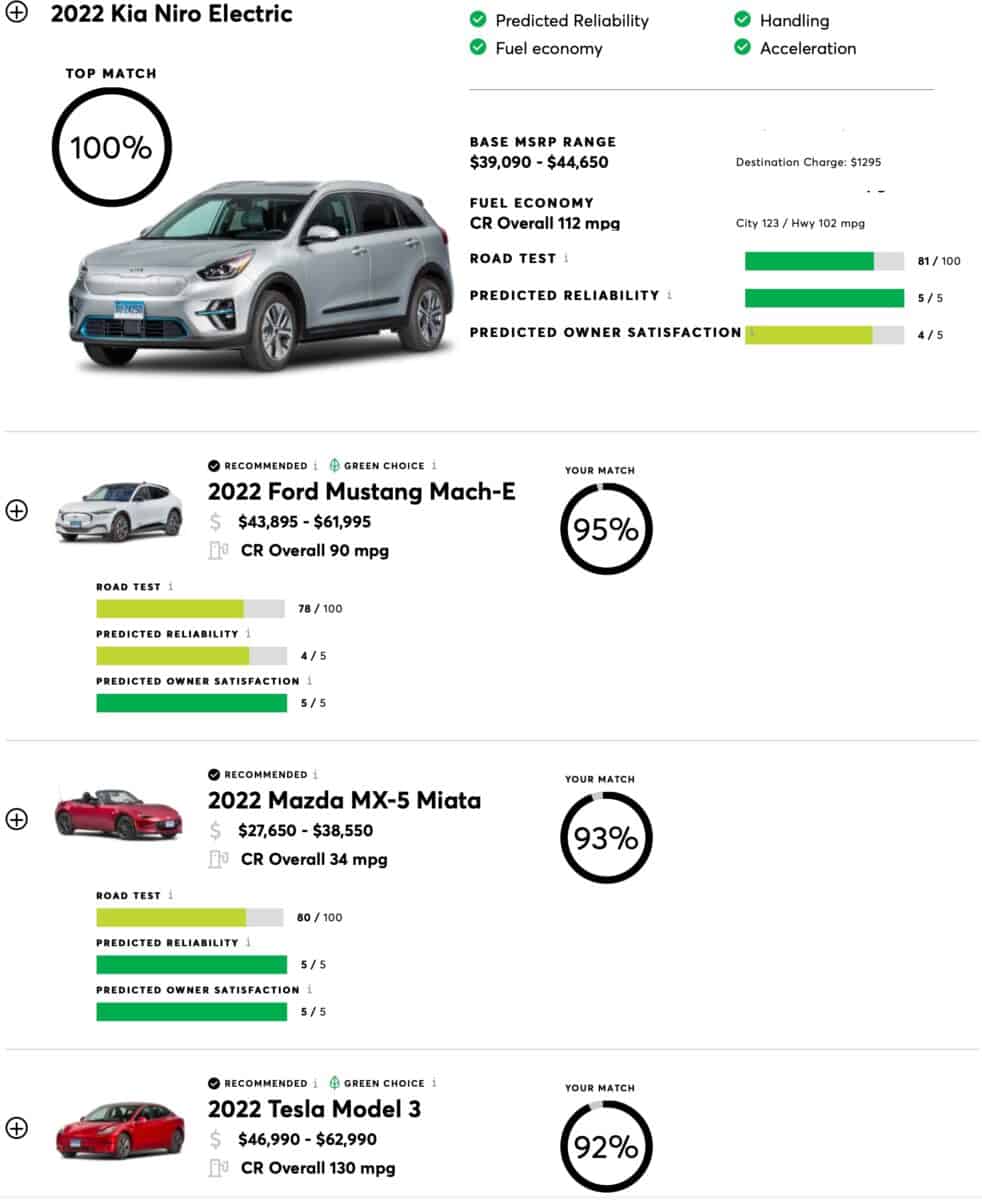
Using the Consumer Reports car finder tool, I generated a list of recommendations: the Kia Niro Electric, the Ford Mustang Mach-E, the Mazda Miata, the Tesla Model 3, and the Hyundai Ioniq 5. Through a process of elimination, I whittled the list down:
- Tesla: Dismissed due to high price points and concerns regarding long-term reliability.
- Kia/Hyundai: Eliminated due to lackluster owner satisfaction scores.
- Mustang Mach-E: Rejected for being another SUV in disguise.
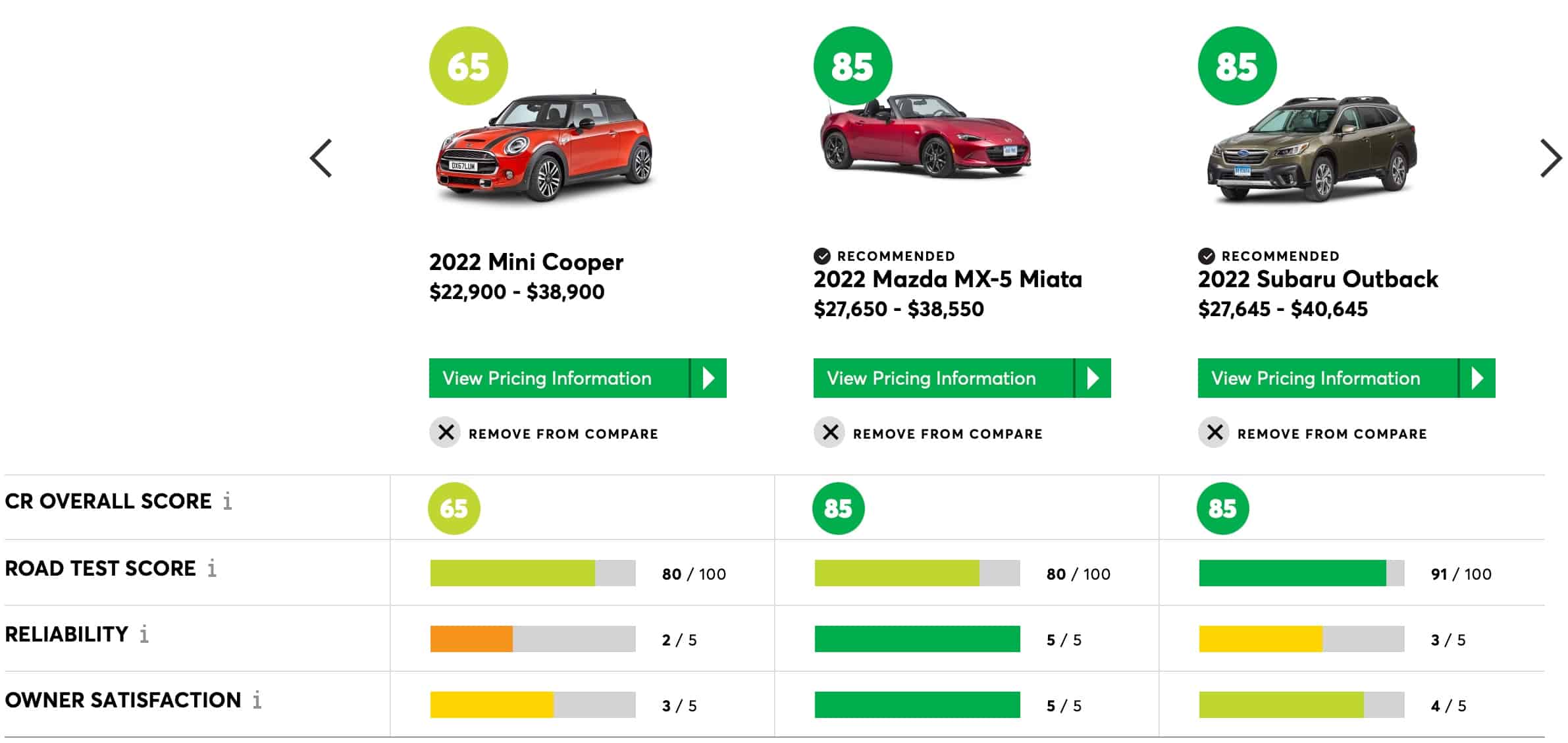
This left one clear winner: the Mazda MX-5 Miata. It checked every box. It was small, nimble, highly rated, and carried a legacy of pure driving enjoyment. As one industry reviewer noted, "The Miata is a completely impractical car… yet we’re smitten with this plucky ragtop."
The Acquisition: A Lesson in Negotiation
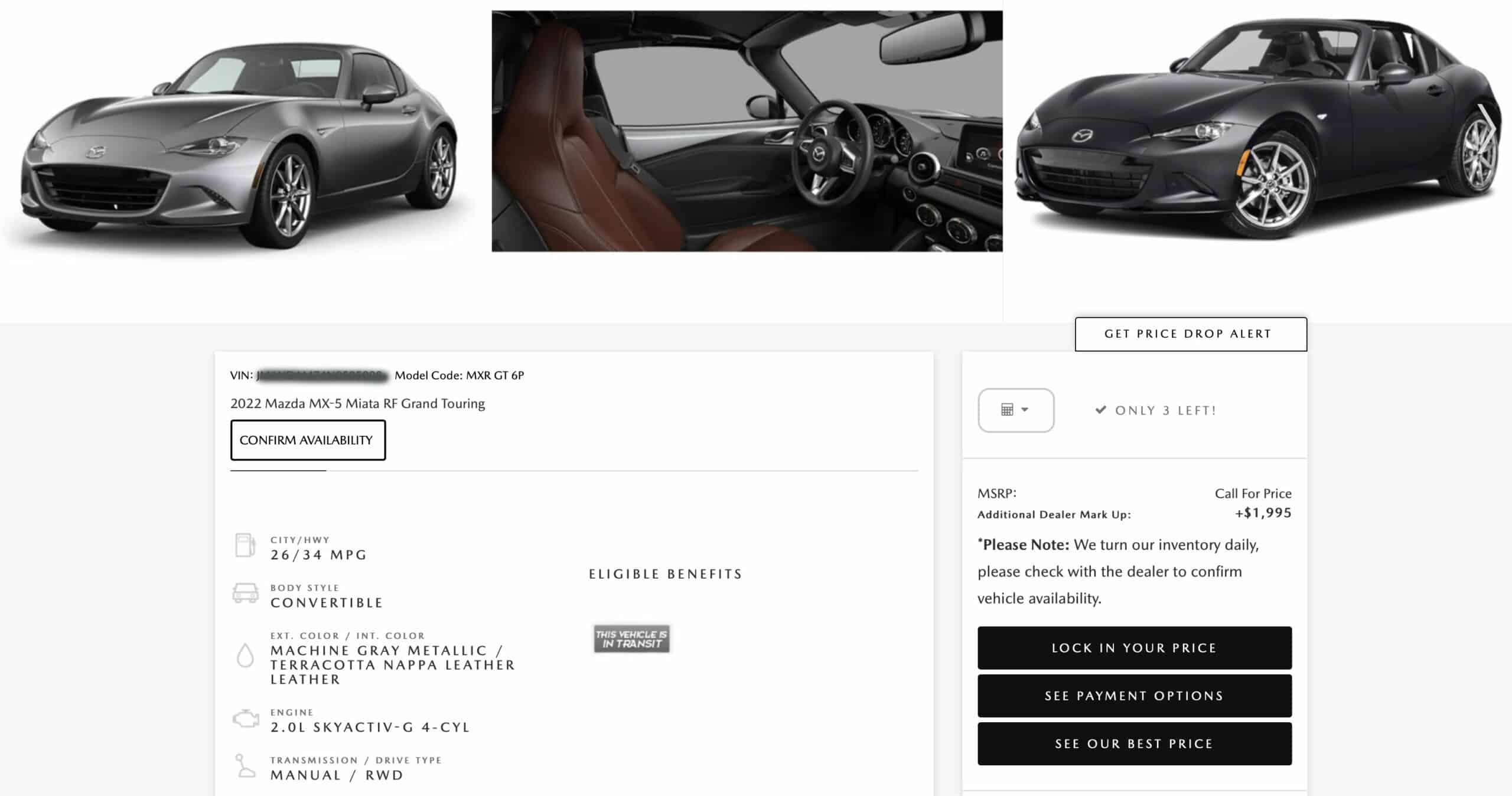
On the last Thursday of August, I visited a Mazda dealership in Salem, Oregon. I had a clear goal: if they could match the $33,000 trade-in offer I received for my Mini, I would commit to the Miata.
The negotiation was a study in patience. When the salesman attempted to use the "four-square" sales tactic, I remained firm. I wasn’t there to be pressured; I was there to buy a specific machine. I had researched the exact trim and color I wanted—a grey hardtop model—and I refused to settle for the alternatives on the lot.
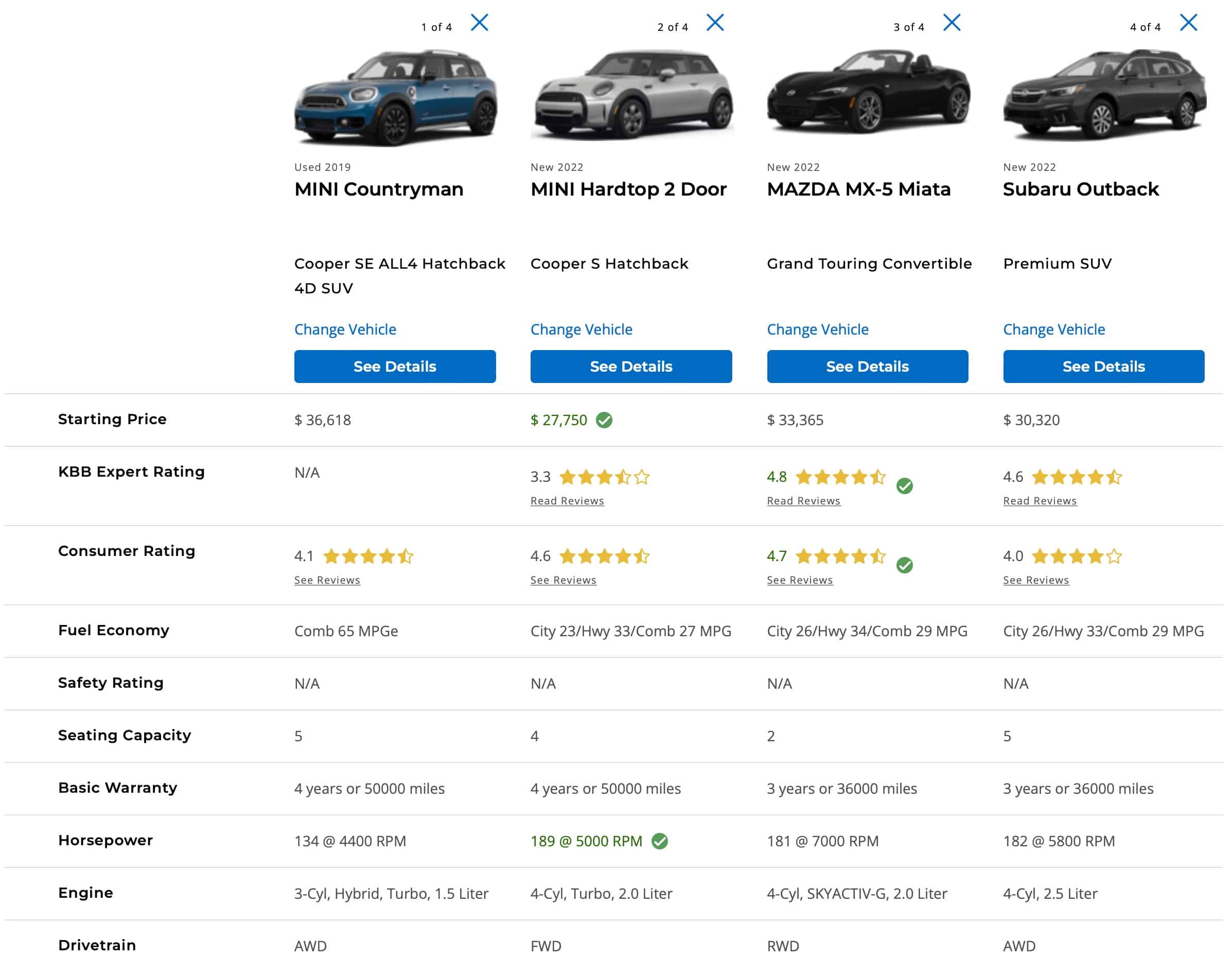
The dealership ultimately agreed to match my trade-in valuation. We reached a tentative agreement on a new, in-transit vehicle, priced at $39,245. Despite the market markup, I felt the value proposition was sound. When comparing the cost of keeping the "Maxi Cooper" with a $7,000 net loss versus investing in a car that would provide years of genuine enjoyment, the decision was simple.
The Human Element: Building a Rich Life
When the car finally arrived, it had only five miles on the odometer—the lowest number the finance manager said he had ever seen. Driving it home through the winding riverside roads of the Willamette Valley, with the top down and the sun on my face, the justification for the purchase became clear.
For many, especially those of us who grew up with limited means, spending money on "nice things" triggers a reflexive guilt. We are conditioned to equate frugality with virtue. However, as financial commentator Ramit Sethi often argues, the goal of wealth management isn’t just to hoard capital; it is to build a "rich life."
The Miata is not a rational purchase in the sense of utility. It is small, loud, and impractical for hauling lumber or groceries. But it is entirely rational in the context of human well-being. By choosing to prioritize my own joy over the "sensible" path, I have transformed my daily commute from a chore into an experience.
Final Reflections: The Cost of Compromise
In our culture, we are often encouraged to defer gratification until some undefined point in the future. We buy the "starter home," the "family car," and the "reliable appliance," always waiting for a later date to invest in what we actually love.
My experience proves that the "right" time to pursue your interests is when you have the agency to do so. By auditing my finances and understanding the unique market conditions that allowed me to offload an unloved vehicle at a premium, I was able to bridge the gap between my current reality and my ideal life.
The Miata represents more than just a mechanical upgrade; it is a tangible reminder that life is too short to drive a car you don’t love. It is a testament to the idea that, occasionally, we should allow ourselves the freedom to make a decision based entirely on the spark of joy it brings to our hearts. In the end, that is perhaps the best financial investment one can make.
