

A finished basement is the crown jewel of home renovation—a versatile expansion that can serve as a high-tech media room, a productive home office, a dedicated fitness studio, or a vibrant playroom for children. However, as many homeowners discover during the biting months of winter, these subterranean spaces often come with a significant drawback: they are notoriously difficult to heat. Because basements are located below ground level and are surrounded by earth—which acts as a massive thermal heat sink—maintaining a consistent, comfortable temperature can feel like an uphill battle against physics.
If you are struggling to keep your lower level from feeling like a meat locker, you are not alone. Fortunately, modern technology and smart design choices offer a variety of solutions to reclaim this square footage. Whether you are looking for quick, budget-friendly fixes or more permanent structural improvements, there are actionable ways to create a warm and inviting atmosphere in your basement without the need for a total HVAC overhaul.
The Physics of a Cold Basement: Understanding the Challenge
Before diving into solutions, it is essential to understand why basements stay cold. Unlike the main floors of a home, which benefit from solar gain through windows and heat rising from below, basements are perpetually insulated by the surrounding soil. While this can be an advantage during the sweltering heat of July, it creates a constant thermal drain during the winter.
Chronology of Thermal Management
- The Initial Build: Most older homes were never designed to have their basements occupied. Consequently, they often lack proper insulation and air sealing.
- The Finishing Phase: Many homeowners finish their basements by adding drywall and flooring but fail to address the underlying vapor barriers and insulation gaps, which exacerbates temperature fluctuations.
- The Seasonal Shift: As autumn yields to winter, the ground temperature drops, and the moisture content in the basement air often rises, making the space feel "colder" than the actual thermostat reading.
Addressing these issues requires a multi-faceted approach. By combining active heating methods with passive thermal retention, you can effectively bridge the temperature gap.
1. Tactical Heating Solutions: Active Methods
When you need an immediate boost in warmth, active heating appliances are your first line of defense. These devices are designed to provide targeted heat to the areas you occupy most frequently.
The Portable Space Heater
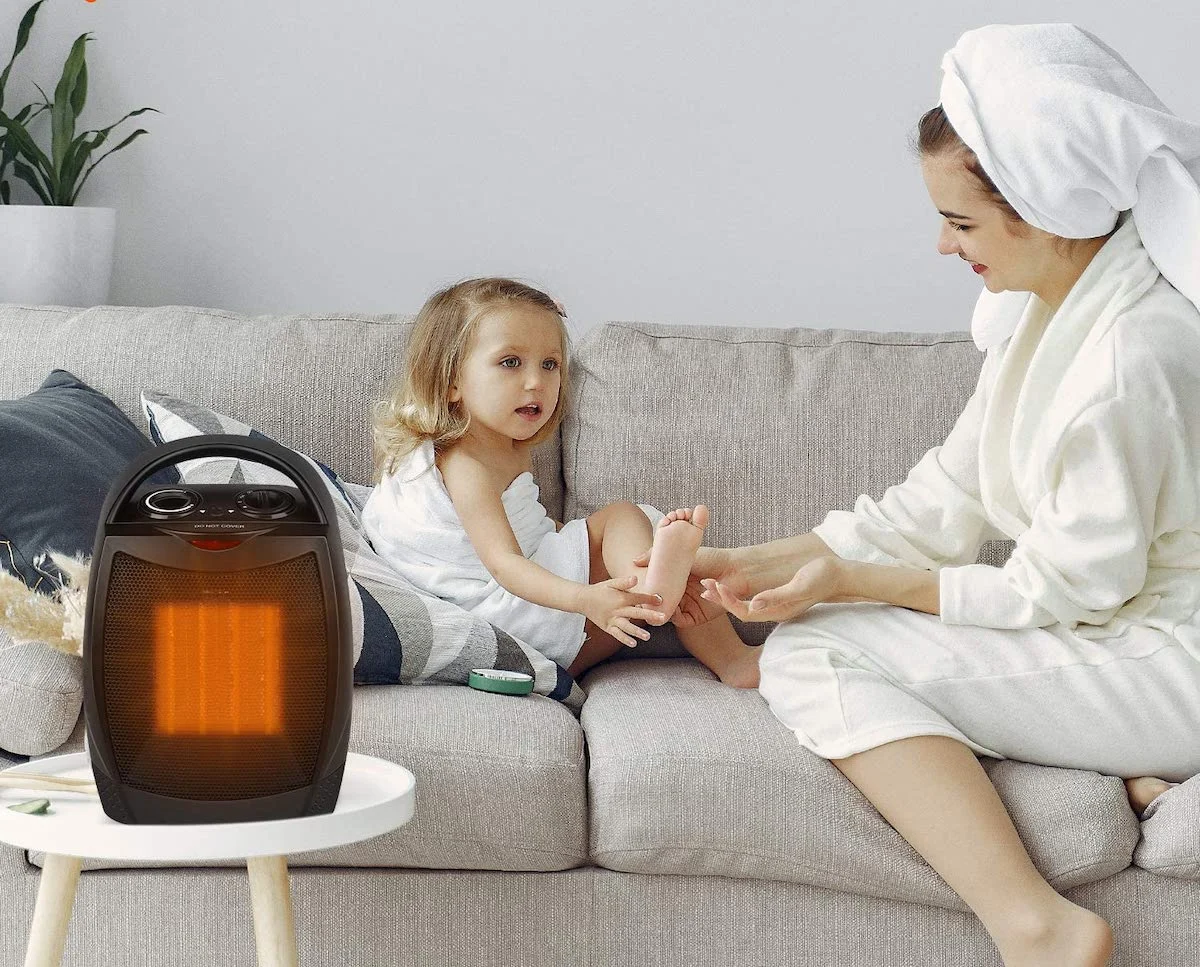
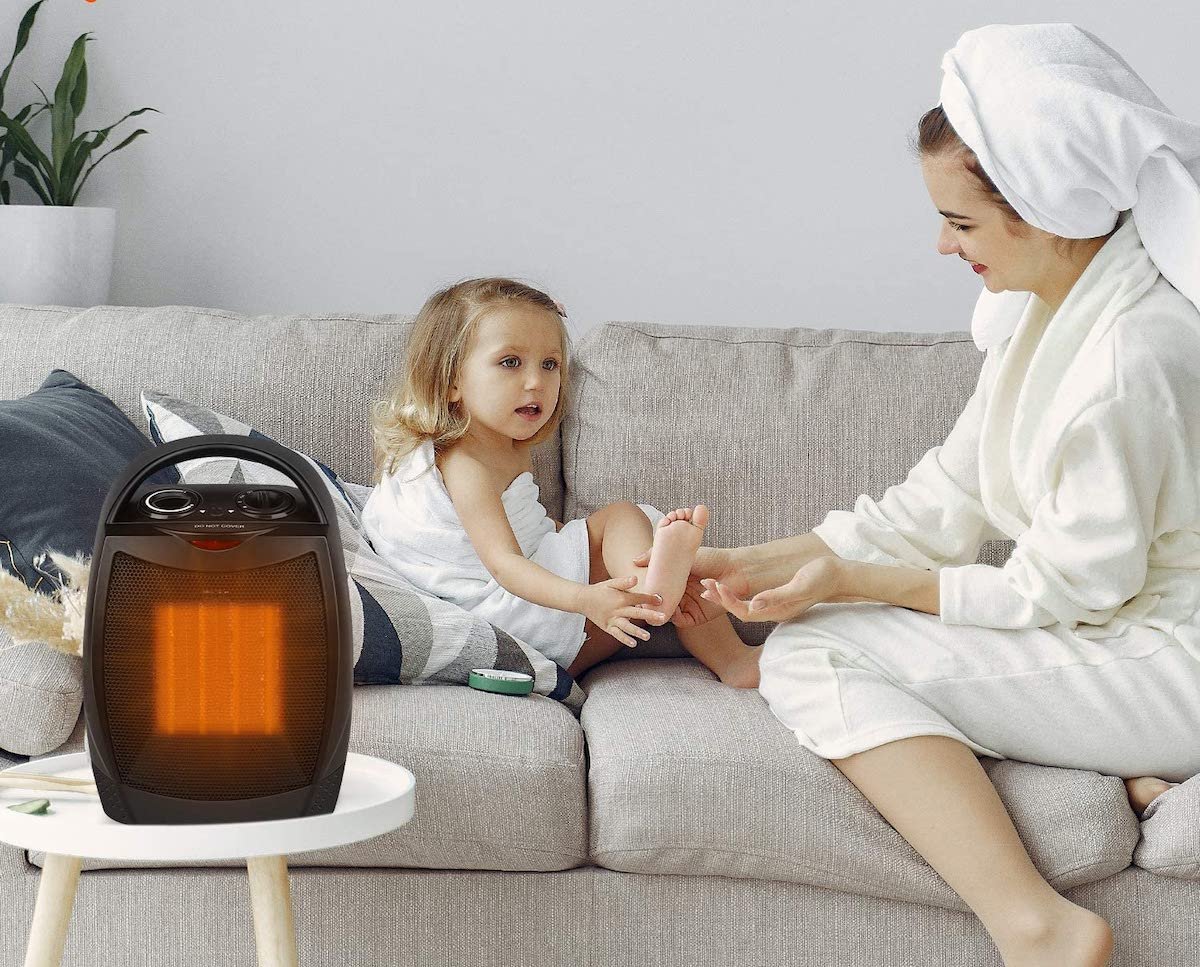
For localized warmth, a high-quality space heater is the most economical choice. Products like the GiveBest Portable Electric Space Heater offer impressive efficiency for smaller, enclosed spaces, such as a home office or a reading nook. Capable of heating up to 200 square feet, these units are quiet and feature adjustable thermostats, allowing you to maintain a specific temperature without overloading your central heating system.
The Electric Fireplace
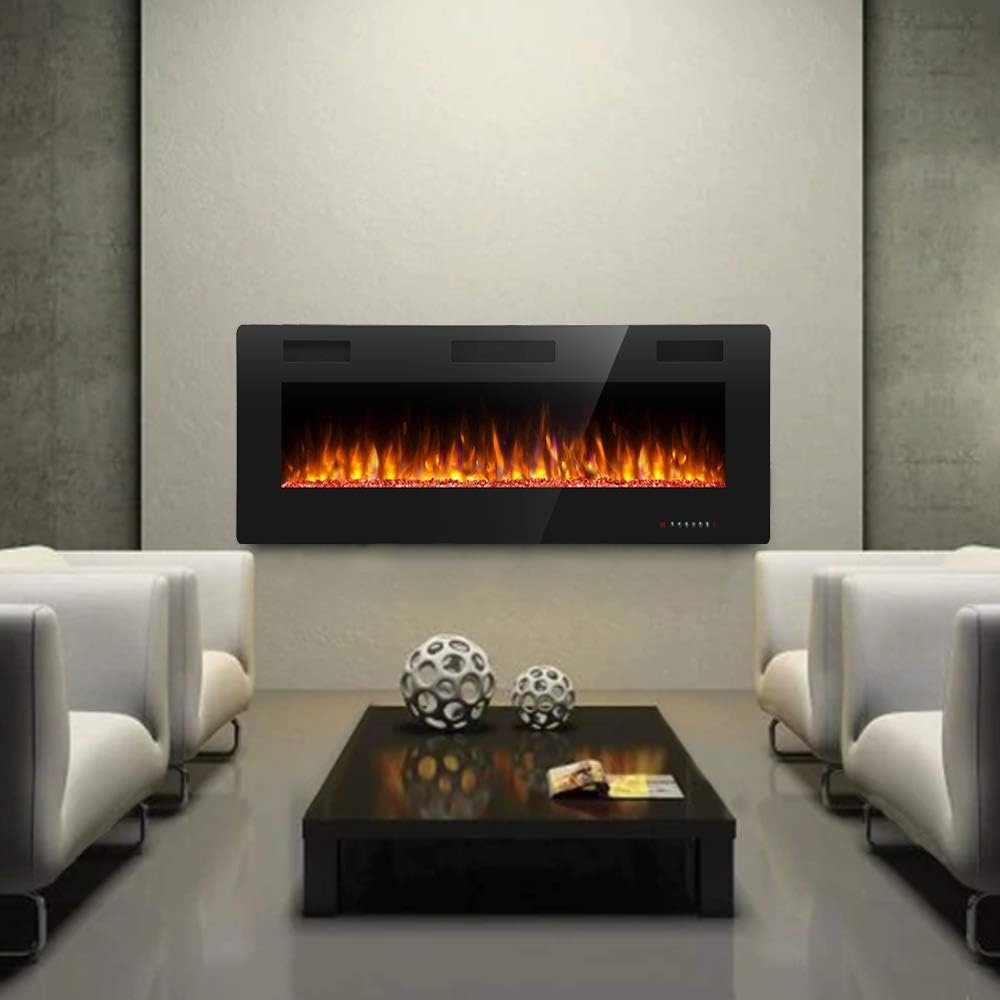
If your goal is to add aesthetic value alongside heat, an electric fireplace is a sophisticated upgrade. Units like the Antarctic Star 36-inch Electric Fireplace can be recessed into the wall, offering a sleek, modern look that mimics the charm of a traditional hearth without the mess of wood or the danger of gas. They are excellent for larger family rooms where a centerpiece is desired.
Portable Baseboard Heating
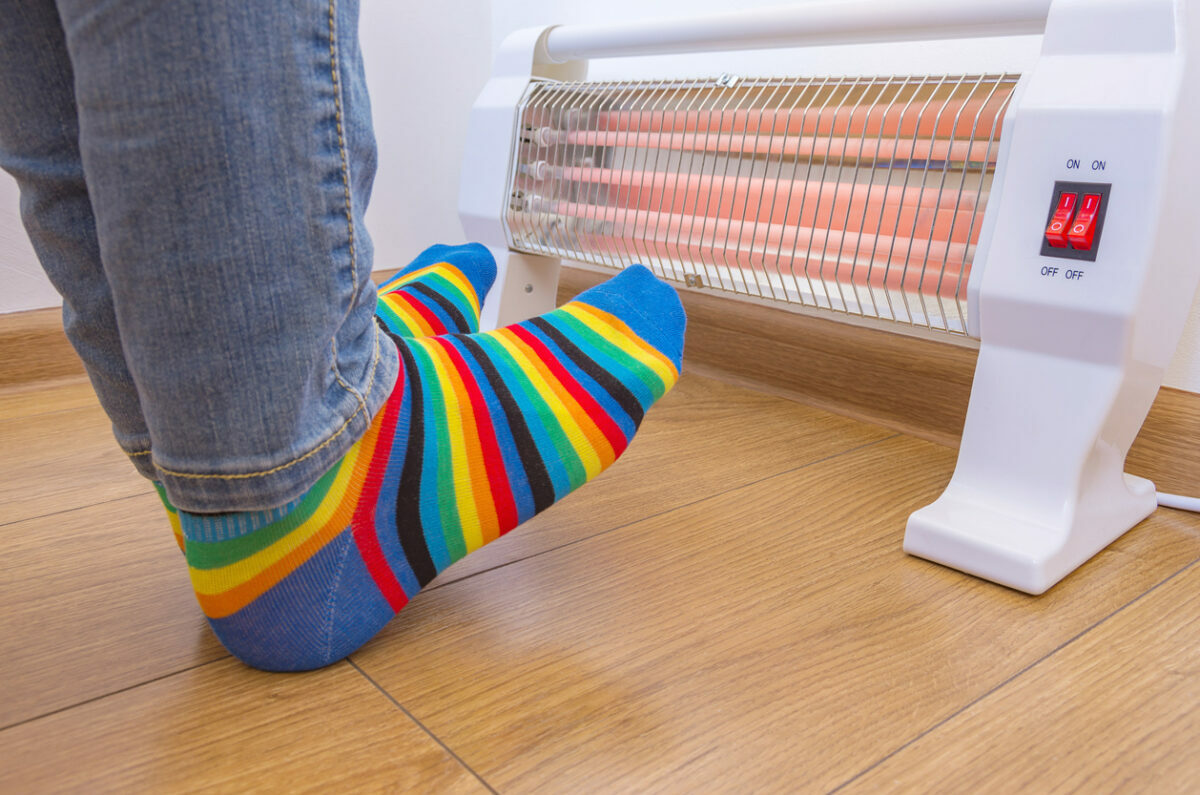
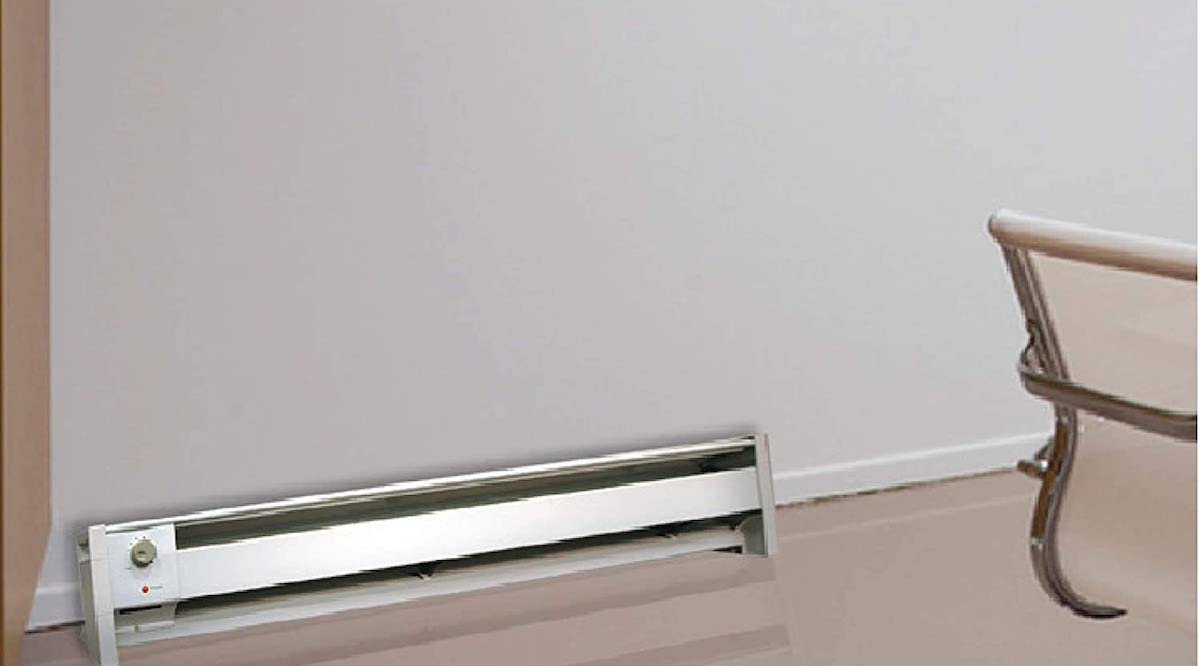
If your basement lacks the plumbing for permanent baseboard heaters, you can utilize portable alternatives. The Fahrenheat Portable Electric Baseboard Heater plugs directly into a standard outlet, offering a silent, efficient way to heat long stretches of a wall. These units are particularly effective when placed under cold basement windows to counteract drafts.
2. Structural and Maintenance Upgrades: Passive Methods
While portable heaters provide immediate relief, they are often treating the symptoms rather than the cause. Long-term comfort requires attention to the building envelope.
Assessing Air Leaks with Thermal Imaging
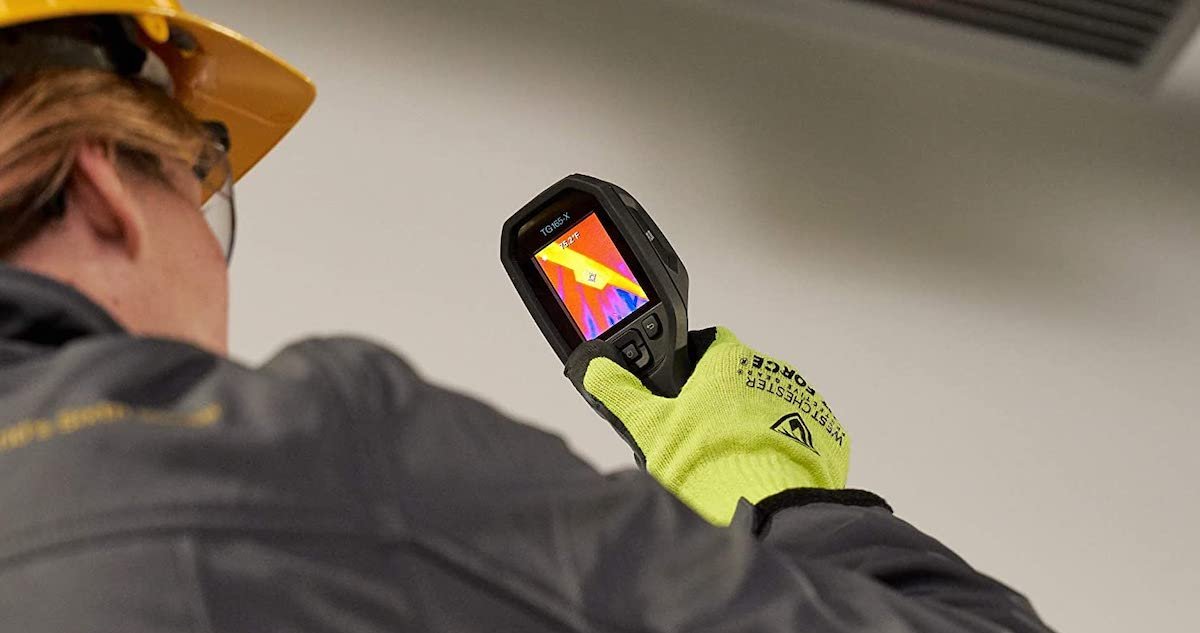
It is impossible to fix what you cannot see. A FLIR TG165-X Thermal Camera is a professional-grade tool that allows homeowners to "see" heat loss. By scanning your walls, floor-joist gaps, and window frames, you can identify precisely where the cold air is infiltrating. This data allows for precision sealing with caulk or expanding foam, which is far more cost-effective than trying to heat air that is escaping to the outside.
Optimizing the HVAC System
Your existing furnace may be working harder than necessary due to a neglected air filter. A dirty filter restricts airflow, forcing the blower motor to struggle and reducing the efficiency of the heat delivery to the lower levels. Switching to a high-efficiency filter, such as the Nordic Pure MERV 12 series, not only improves air quality but ensures that your system is pushing the maximum amount of warm air through your ductwork.
Radiant Floor Heating Systems
For those undertaking a renovation, there is no substitute for radiant floor heating. By installing electric heating mats—such as those from Warming Systems—underneath your flooring, you eliminate the "cold floor" sensation that makes basements feel uncomfortable. Radiant heat is highly efficient because it warms the objects and people in the room directly, rather than relying on convective air currents that tend to pool at the ceiling.

3. Interior Design and Comfort Enhancements
Sometimes, warmth is as much about perception as it is about temperature. Improving the tactile environment of your basement can make the space feel significantly cozier.
The Role of Area Rugs
Concrete and tile floors are major heat conductors that pull warmth away from your body. Covering these surfaces with a plush, high-pile area rug creates an essential thermal break. A rug like the TWINNIS Super Soft Shaggy Rug provides both insulation and comfort, turning a cold, hard surface into a soft, inviting area for children or lounging.
Managing Airflow with Ceiling Fans
Heat rises, which is a major problem for basements with high ceilings. If you have a ceiling fan, ensure it is set to "reverse" mode (clockwise) during the winter. This pushes the warm air that has collected at the ceiling down toward the floor, keeping the living space warmer. Using a high-performance, reversible model like the Minka-Aire smart ceiling fan can make a tangible difference in the distribution of heat throughout a large basement room.
The "Cozy" Factor
Never underestimate the psychological impact of soft textiles. Keeping a selection of high-quality, faux-fur, or sherpa-lined throw blankets in your basement living area encourages occupants to relax. Products like The Connecticut Home Company Faux Fur and Sherpa Throw are perfect for those long winter evenings spent binge-watching shows or reading.

4. Implications of Improper Basement Heating
Failure to manage the climate in your basement can lead to more than just discomfort. It can result in structural degradation.
- Moisture and Mold: When warm, humid air from the rest of the house meets the cold surfaces of an unheated basement, condensation occurs. This moisture is the primary catalyst for mold growth and wood rot.
- Energy Waste: Relying on inefficient heating methods or running your primary furnace at max capacity to compensate for a cold basement will lead to skyrocketing utility bills.
- Reduced Property Value: A cold, damp, or uncomfortable basement is a deterrent to prospective buyers. Conversely, a well-managed, climate-controlled basement is viewed as a functional extension of the home, significantly increasing its resale potential.
Expert Recommendations and Future-Proofing
When selecting products for your basement, look for the "Bob Vila Approved" seal of quality. This curation of tools and home essentials is designed for the modern homeowner who values efficiency, durability, and performance.

A Summary Checklist for Homeowners:
- Seal the Gaps: Before buying a heater, use a thermal camera to identify and seal air leaks.
- Filter Maintenance: Replace furnace filters every 60–90 days to maintain optimal airflow.
- Insulate the Floor: Use high-quality rugs or install radiant heating if your budget allows.
- Manage Airflow: Use ceiling fans to recirculate heat.
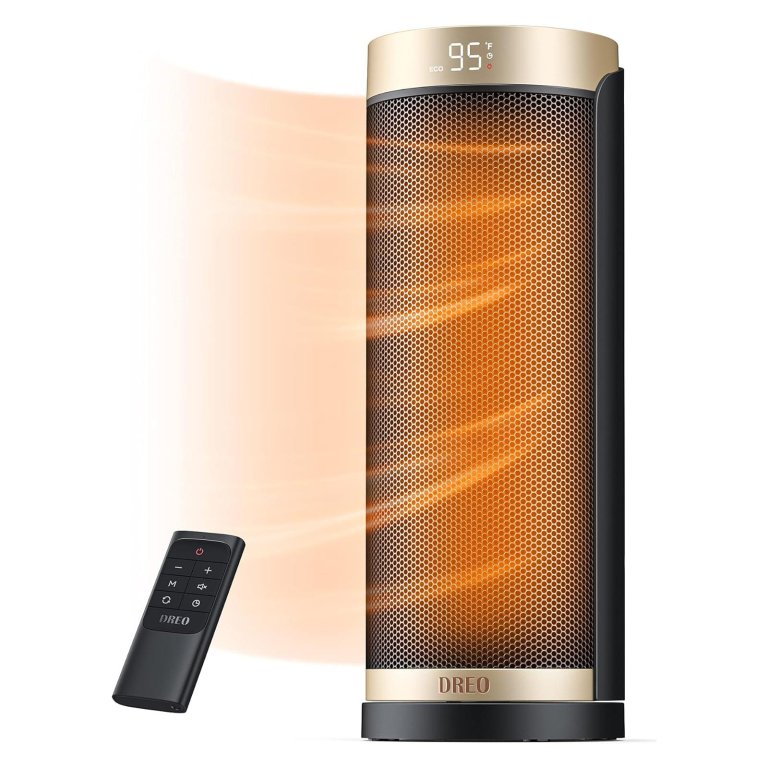
- Targeted Heating: Use space heaters or infrared wall panels for specific zones (e.g., a home office) rather than trying to heat the entire subterranean expanse.
By implementing these strategies, you can successfully navigate the challenges of basement climate control. Whether you opt for the simplicity of a plug-in heater or the long-term investment of radiant floors, your goal should be to transform your basement from a neglected storage area into a thriving, warm extension of your home. As we look toward the 2026 winter season, prioritizing these upgrades will ensure that your family remains comfortable, regardless of what the weather is doing outside—or beneath your feet.
Disclaimer: All prices and product availability are accurate as of October 2026. Always follow manufacturer safety instructions when operating heating appliances, particularly space heaters, ensuring they are placed on stable surfaces and kept away from flammable materials.
