

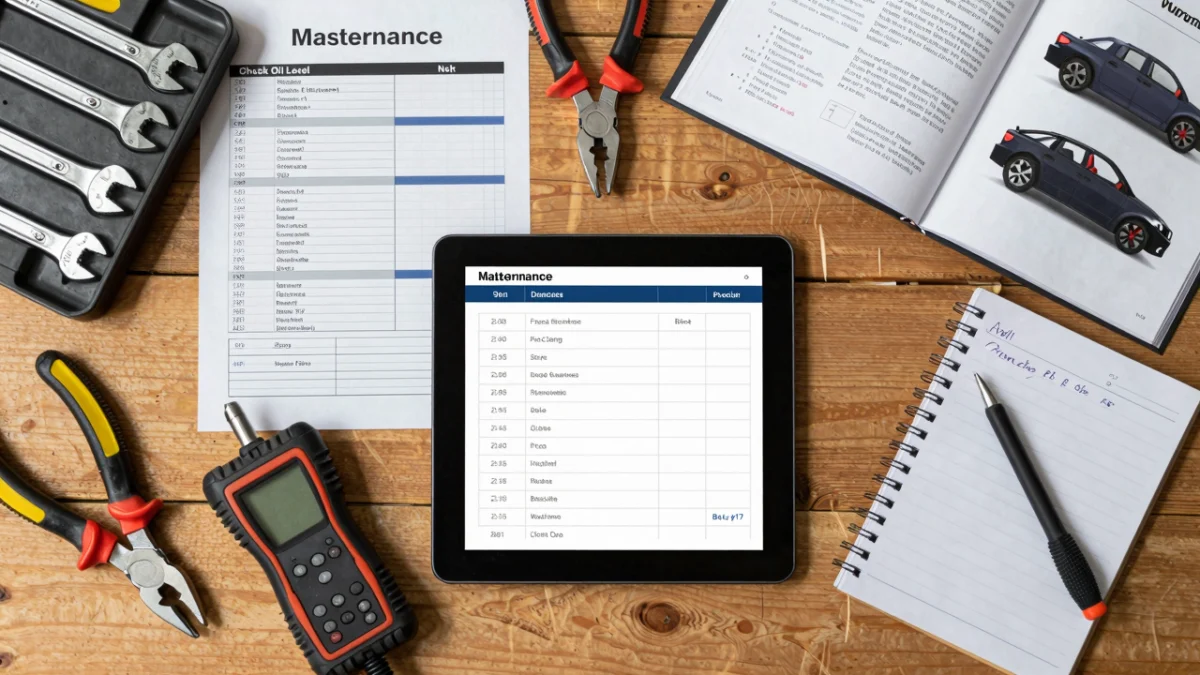
Maintaining a vehicle is far more than an aesthetic pursuit; it is a fundamental responsibility that dictates the safety, reliability, and long-term financial health of your investment. In an era where vehicle prices continue to climb, maximizing the lifespan of your current car has become an essential strategy for both individual drivers and business fleet managers. By moving beyond reactive "breakdown-based" repairs to a proactive, systematic maintenance schedule, owners can significantly reduce their total cost of ownership while ensuring peak mechanical performance.
The Financial and Mechanical Implications of Routine Care
The correlation between consistent maintenance and vehicle longevity is well-documented. When you commit to a routine maintenance schedule, you are not merely performing chores; you are actively preventing the "cascading failure" effect, where a minor, inexpensive issue—such as a neglected air filter—eventually triggers a catastrophic, high-cost repair, like a damaged fuel injector or engine strain.

Boosting Efficiency and Value
Statistical data suggests that adhering to a strict manufacturer-recommended maintenance inspection checklist can improve fuel economy by as much as 15%. When engines are properly lubricated and air-intake systems are free of debris, the powertrain operates with less resistance. Furthermore, documented service history is a critical factor in resale value. Prospective buyers are willing to pay a premium for a vehicle with a verified maintenance log, as it serves as a proxy for the owner’s overall stewardship of the asset.
The Cost-Saving Reality
Neglect is the primary driver of premature vehicle retirement. Studies indicate that drivers who invest in regular service can save up to 50% on long-term repair costs compared to those who only visit a mechanic when a dashboard warning light illuminates. Proactive maintenance is essentially an insurance policy against expensive surprises.

Chronology of Care: A Maintenance Roadmap
To effectively manage your vehicle, it is helpful to categorize maintenance into three distinct temporal windows: Short-term (Monthly), Mid-term (Quarterly/Seasonal), and Long-term (Mileage-based).
Monthly Inspections: The "Quick Fix" Routine
Monthly check-ups are the foundation of vehicle health. These tasks take only a few minutes but provide a vital snapshot of your vehicle’s condition:

- Fluid Levels: Check your engine oil, coolant, brake fluid, and windshield washer reservoir. Low levels can lead to overheating or brake failure.
- Tire Health: Assess tire pressure (consult your driver-side door jamb for the correct PSI) and use the "penny method" to ensure tread depth is sufficient for road grip.
- Lighting Systems: Test all headlights, turn signals, and brake lights to ensure maximum visibility and safety.
- Air Filters: A clean engine air filter can boost fuel efficiency by up to 10% by allowing the engine to "breathe" properly.
Seasonal Transitions: Preparing for Extremes
Seasonal shifts, particularly the transition to winter and summer, require specific preparations:
- Battery Performance: Extreme temperatures are the primary cause of battery failure. Inspect terminals for corrosion and ensure connections are secure.
- Traction Management: When temperatures drop below 45°F, winter tires offer vastly superior traction compared to all-season alternatives.
- Visibility: Replace windshield wipers annually. If you live in a region with heavy snowfall, consider winter-specific blades.
- HVAC Systems: Have your heating and cooling systems inspected before the peak seasons to ensure cabin comfort and defrosting capability.
The 30-60-90 Rule: Long-Term Milestones
The "30-60-90" rule is a standard industry guideline for major service intervals. While you should always defer to your specific owner’s manual, these milestones provide a reliable framework for major component care.

- The 30,000-Mile Mark: Focus on the air filter, the brake system (pads and rotors), and a comprehensive tire rotation and balance.
- The 60,000-Mile Mark: This is the critical juncture for replacing spark plugs, inspecting the coolant system, and checking transmission fluid health.
- The 90,000-Mile Mark: At this stage, vehicles often require major interventions, such as the replacement of the timing belt or water pump, to prevent catastrophic engine failure.
The Critical Role of Spark Plugs
Spark plugs are the "heartbeat" of your engine’s combustion process. Depending on the material (copper, platinum, or iridium), manufacturers suggest replacement intervals between 30,000 and 100,000 miles. Neglecting these can lead to rough idling, misfires, and significantly increased tailpipe emissions—often resulting in a failed emissions test.
Supporting Data: Why "Ignoring" Is Expensive
Automotive engineers and industry analysts consistently highlight the risks of deferring maintenance. According to automotive service data, "Check Engine" lights are often ignored for weeks or months. This is a critical error. The Check Engine light is an early warning system; by the time the light is flashing, the vehicle is often experiencing an active misfire or a failure in the emissions control system that can cause permanent damage to the catalytic converter—an extremely expensive part to replace.

Suspension and Steering
Often overlooked, the suspension system (shocks and struts) dictates how a vehicle handles road imperfections. Every 50,000 miles, a professional inspection is recommended. A degraded suspension does not just lead to a "bumpy ride"; it leads to uneven tire wear, compromised handling, and increased stopping distances.
Official Recommendations and Best Practices
Professional mechanics and manufacturers offer several "golden rules" for vehicle maintenance:

- Follow the Manual: The owner’s manual is the definitive source of truth for your specific make and model. If it calls for synthetic oil every 7,500 miles, do not extend that interval based on anecdotes.
- Document Everything: Whether using a digital app or a physical binder, keep receipts and service records. This creates a paper trail that protects your warranty and increases the car’s resale value.
- Address Leaks Immediately: Any fluid on the garage floor is a red flag. Identifying the source—be it oil, coolant, or transmission fluid—is essential to preventing a minor leak from becoming a complete system failure.
- Listen to Your Car: Unusual noises (squealing brakes, clicking CV joints, or rhythmic thumping) are the vehicle’s way of communicating. Promptly addressing these sounds is almost always cheaper than waiting for the part to fail completely.
Implications of Neglect: Safety and Warranty
The most severe implication of failing to perform routine maintenance is the potential for voided warranties. Most manufacturer warranties are contingent upon the owner following the recommended service schedule. If an engine failure occurs, the manufacturer may require proof of oil changes; if that documentation is missing, you may be held liable for the entire repair bill.
Beyond financial implications, there is the safety factor. A vehicle that is not maintained is a hazard on public roads. Worn tires, failing brakes, and faulty headlights place not only the driver at risk, but all other road users as well.

Conclusion: Driving with Confidence
Maintaining your vehicle is an investment in your peace of mind. By integrating a monthly checklist, keeping track of seasonal needs, and respecting the major 30-60-90 mile milestones, you ensure that your vehicle remains a reliable asset rather than a liability.
The process of car maintenance is cumulative. Each small action—checking your oil, inspecting your tires, or changing a cabin air filter—compounds over time. When you treat your vehicle with the same level of care you apply to your home or your professional responsibilities, you are rewarded with a machine that is safer, more efficient, and capable of providing many years of dependable service. Start your maintenance log today; your future self, and your wallet, will thank you.
