

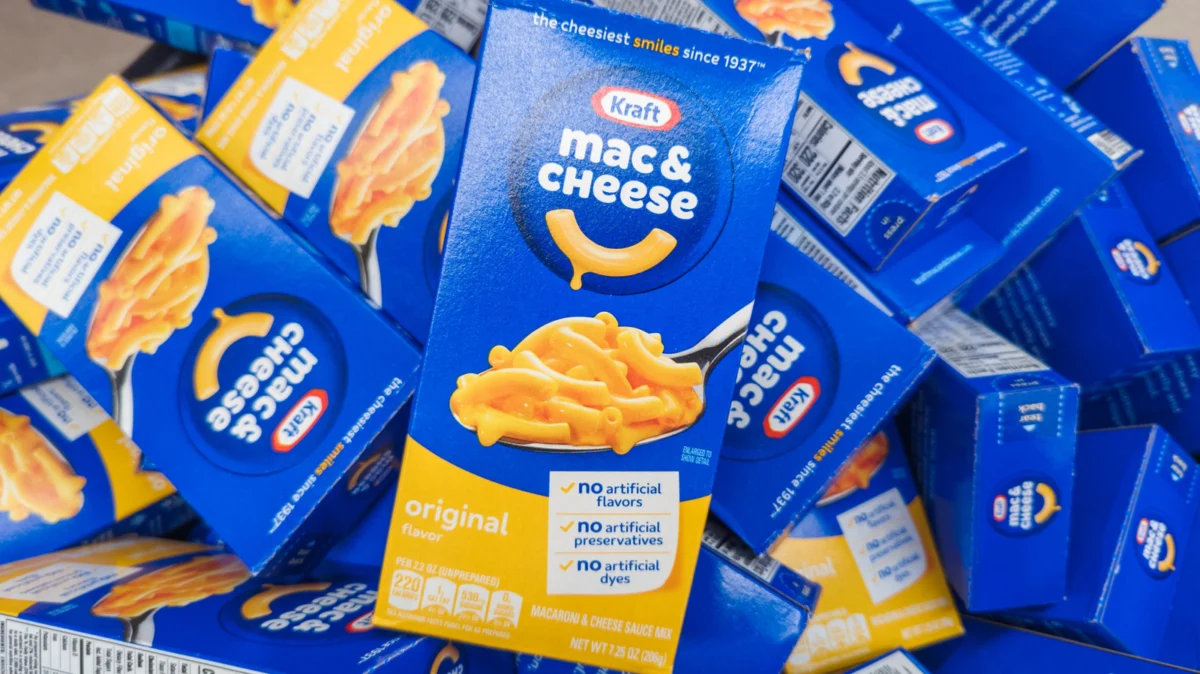
For decades, the humble blue box of macaroni and cheese has served as a cornerstone of the modern kitchen. Whether it is a nostalgic childhood comfort, a budget-friendly dinner, or a quick-fix meal on a hectic weeknight, the classic pasta-and-cheese-powder combination is an undeniable staple. While millions of households swear by the standard preparation—boiling noodles, draining, and mixing with milk, butter, and the iconic orange powder—culinary enthusiasts and food scientists alike have long sought ways to elevate this convenience product into something resembling gourmet fare.
The latest trend sweeping social media and home kitchens alike suggests a surprising, albeit simple, solution: adding a dollop of mayonnaise. While the idea of adding a sandwich condiment to a dairy-based pasta dish may initially strike some as unconventional, the culinary science behind the emulsion suggests that this "secret ingredient" might be the most effective way to transform a standard boxed dinner into a restaurant-quality experience.
The Science of the Upgrade: Why Mayonnaise Works
At its core, the appeal of homemade macaroni and cheese lies in the "emulsion"—the delicate balance of fat and water that creates a smooth, velvety sauce that clings to every noodle. Boxed varieties often fall short of this ideal, resulting in a sauce that can feel thin, grainy, or overly salty.
Mayonnaise, fundamentally an emulsion of oil, egg yolks, and an acid (vinegar or lemon juice), acts as a structural stabilizer. When a tablespoon of mayonnaise is stirred into the hot pasta mixture, it does more than just add flavor; it significantly alters the rheology—the flow and texture—of the cheese sauce. The eggs in the mayo provide a rich, custard-like base, while the high-quality oils contribute a glossy, mouth-coating finish that mimics the luxury of a slow-cooked Mornay sauce.
Furthermore, the trace amounts of acidity found in high-quality mayonnaise serve to cut through the heavy, processed saltiness of the powdered cheese. This creates a more "complex" flavor profile, balancing the savory notes with a bright, clean finish that prevents the dish from feeling one-dimensional.
Chronology of the "Mayo-Mac" Phenomenon
The evolution of "doctoring" boxed macaroni and cheese has followed a clear trajectory over the last several years.
- 2010–2015: The Butter-Milk Hegemony: During this period, food blogs focused primarily on modifying the base liquids. Replacing milk with heavy cream or evaporated milk became the gold standard for achieving a thicker sauce.
- 2016–2019: The Texture Experiments: As social media platforms like Instagram and Pinterest gained prominence, home cooks began experimenting with adding crunchy textures—breadcrumb toppings, fried onions, or crushed crackers—to contrast the soft pasta.
- 2020–2022: The "Umami" Shift: The pandemic era saw a surge in creative pantry cooking. This is when the addition of fermented ingredients—gochujang, miso paste, and indeed, high-quality mayonnaise—began to surface in culinary forums.
- 2023–Present: The Viral Adoption: TikTok and short-form video platforms popularized the "mayo-in-the-mac" trick, showcasing the visual difference between a standard bowl and one enriched with mayo. What was once a "secret" of professional line cooks became a mainstream kitchen hack.
Supporting Data: Fat Content and Emulsification
To understand why this addition is so effective, one must look at the chemical composition of the ingredients. Standard boxed mac and cheese requires butter (fat) and milk (water and fat). However, these two ingredients do not naturally stay emulsified once the heat is removed. As the dish cools, the butterfat often separates, leaving a greasy pool at the bottom of the bowl.
Mayonnaise, however, is a stable, permanent emulsion. By introducing it into the mix, you are effectively "seeding" the sauce with stabilizers. Data from culinary test kitchens suggest that replacing half of the required butter with an equal volume of mayonnaise results in:
- Increased Viscosity: The sauce stays on the noodle rather than sliding off.
- Thermal Stability: The dish remains creamy even as it begins to cool to room temperature.
- Flavor Depth: The slight mustard or vinegar notes found in most commercial mayos act as a flavor enhancer for the processed cheese, similar to how salt is used to "pop" the flavors in chocolate.
Alternative Fridge Staples: Sour Cream and Greek Yogurt
While mayonnaise is the current frontrunner in the "mac and cheese upgrade" movement, it is not the only fridge staple capable of performing this culinary rescue mission.
Sour Cream: The Tangy Alternative
For those who prefer a sharp, tangy profile, sour cream is an excellent substitute. The lactic acid present in sour cream provides a sophisticated bite that pairs exceptionally well with cheddar-based powders. It mimics the flavor profile of a "white cheddar" sauce, which is typically found in higher-end, artisanal pasta dishes.
Greek Yogurt: The Health-Conscious Pivot
Greek yogurt serves a dual purpose: it offers the creamy texture required for a velvety sauce while providing a significant boost in protein. Because of its thick consistency, it requires less reduction than milk, making it a "cheat code" for those who want a thicker sauce without the extra simmering time. However, cooks should be cautioned: Greek yogurt can curdle if exposed to extreme heat. It is best to fold it in at the very end of the preparation process, off the heat.
The Case for Kewpie
Among the mayonnaise varieties, "Kewpie" (the Japanese style of mayo) has gained a cult following. Unlike American mayonnaise, which uses whole eggs and sometimes sugar, Kewpie is made exclusively with egg yolks and rice vinegar. This gives it a deeper golden color and a richer, more "umami-forward" taste. For boxed mac and cheese, Kewpie is widely considered the "gold standard" because its texture is significantly smoother than standard options, creating an almost velvet-like coating on the pasta.
Implications for the Convenience Food Industry
The trend of "hacking" boxed meals suggests a broader cultural shift in how consumers view convenience food. Rather than viewing boxed mac and cheese as a finished product, the modern consumer views it as a "base" or a "canvas."
This shift has implications for food manufacturers. We are seeing a rise in "customizable" meal kits, but the popularity of these "hacks" proves that consumers are interested in a hybrid model: the efficiency of a factory-produced product combined with the personal touch of fresh, high-quality pantry ingredients.
Industry analysts suggest that the rise of the "add-in" culture is a response to both economic inflation—where households are looking to stretch grocery budgets—and a desire for a "personalized" dining experience at home. When a consumer adds a tablespoon of high-quality mayonnaise, they are reclaiming the meal, moving it from a generic, mass-produced commodity to something that feels intentional and curated.
Final Considerations: How to Properly Execute the Upgrade
If you intend to try this upgrade, the methodology is simple but requires precision.
- Prepare the Pasta: Cook the noodles according to the package directions, ensuring they are "al dente." Overcooked pasta will disintegrate when stirred.
- The Emulsion Phase: While the pasta is hot, add your butter and the cheese powder.
- The Mayo Addition: Add your tablespoon of mayonnaise after the initial cheese sauce has been formed. Folding it in gently ensures the fat integrates into the sauce rather than melting into a separate oil slick.
- Balance: If the sauce becomes too thick, add a splash of reserved pasta water—the starch in the water will further assist in creating a glossy, professional-looking finish.
By treating the boxed macaroni and cheese as a foundation rather than a finished meal, home cooks can bridge the gap between convenience and culinary quality. Whether it is a tablespoon of classic mayo, a dollop of tangy sour cream, or a swirl of rich Kewpie, these simple additions prove that the best meals are often those that allow for a little bit of improvisation.
