

The landscape of personal energy management is undergoing a tectonic shift. For years, the electric vehicle (EV) was viewed primarily as a consumer of electricity—a mobile appliance that moved from point A to point B. However, Ford’s latest breakthrough with the Fathom model suggests a future where the vehicle acts as a cornerstone of residential energy independence. By integrating sophisticated software-defined architecture with more accessible hardware, Ford is moving beyond the niche appeal of early vehicle-to-home (V2H) systems and toward a mass-market utility model.
At the heart of this transformation is a strategic pivot that began three years ago with Ford’s acquisition of Auto Motive Power (AMP). This move wasn’t just about talent acquisition; it was about internalizing the technology stack required to turn a vehicle into a bidirectional power plant.
The Architecture of Power: From Discrete ECUs to Domain Control
In traditional automotive design, a vehicle’s functions—from window regulators to battery management—were governed by dozens of disparate Electronic Control Units (ECUs). This "distributed" architecture was not only inefficient but also hindered the level of deep software integration required for modern energy management.
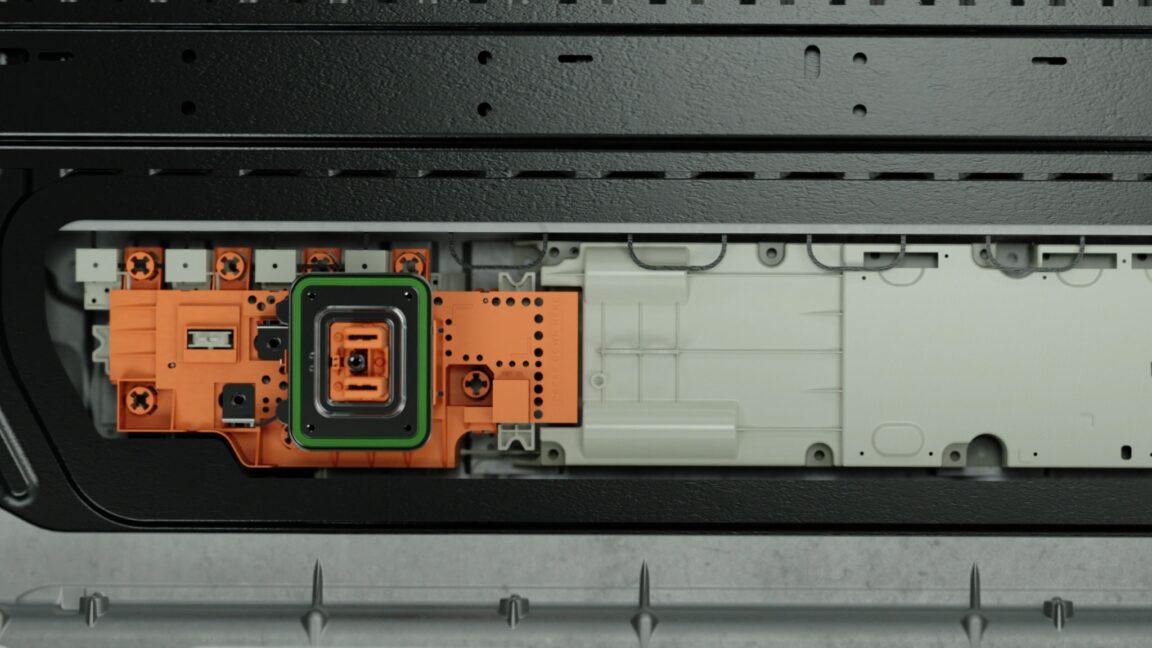
The Ford Fathom, by contrast, is built as a "software-defined vehicle." Its power management is governed by a handful of powerful domain controllers, one of which is the Fathom’s dedicated charging module. Born from the intellectual property acquired via AMP, this module serves as the brain of the vehicle’s bidirectional energy flow.
Unlike previous iterations that required heavy, complex, and expensive hardware to facilitate the conversion of DC battery power to AC house power, the Fathom handles much of this heavy lifting onboard. This architectural consolidation reduces the complexity of the vehicle’s electrical system, increases reliability, and, perhaps most importantly, lowers the cost of entry for the consumer.
Chronology: A Path to Grid Integration
The journey to the Fathom’s current capabilities is the result of years of iterative development following the initial success—and subsequent lessons learned—from the F-150 Lightning.
- 2023–2024: Ford integrates Auto Motive Power’s engineering team into its core development labs. The focus shifts from simply "plugging in" to "managing energy."
- 2025: Prototyping begins on the next generation of home integration hardware, with a specific mandate to reduce the price point of residential installation, which had previously served as a barrier to adoption.
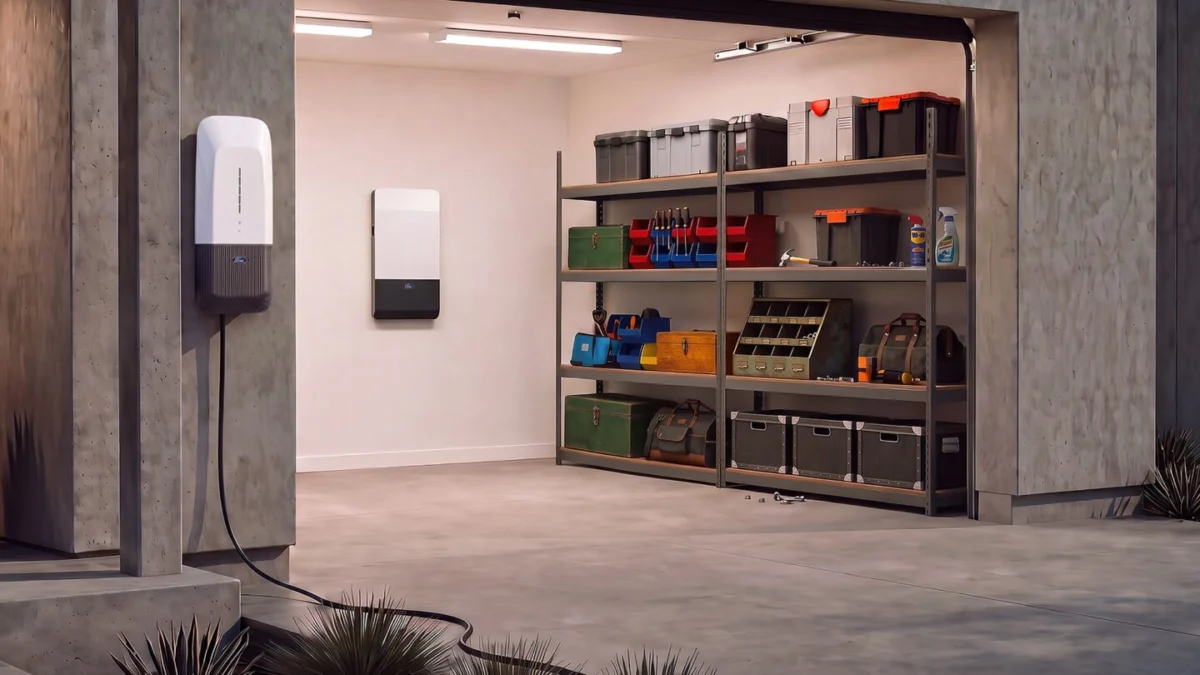
- 2026: The Ford Fathom is unveiled as the first vehicle to fully leverage this new, streamlined architecture. Ford introduces the second-generation Home Power Station and the significantly redesigned Home Backup Panel.
- Late 2026/2027: Strategic partnerships with utility providers across the United States and Canada are formalized, setting the stage for pilot programs involving vehicle-to-grid (V2G) technology.
Supporting Data: Lowering the Barrier to Entry
One of the most significant criticisms of early bidirectional charging systems was the prohibitive cost of the required home infrastructure. For the F-150 Lightning, the "Ford Charge Station Pro" and the associated backup hardware created a high financial hurdle.
Ford’s updated strategy addresses this directly. The new Ford Home Power Station is projected to cost approximately $650—half the price of the $1,310 unit required for the previous generation of Ford trucks. Even more dramatic are the savings on the Home Backup Panel, the device necessary to disconnect the house from the grid during an outage and switch to vehicle power. The new panel is expected to cost roughly 60 percent less than the $5,000 first-generation unit.
These price reductions are not merely cosmetic; they are structural. By optimizing the hardware to communicate more effectively with the vehicle’s onboard software, Ford has stripped away the need for bulky, expensive external inverters that were previously required to bridge the gap between the car and the home.
The Software Layer: Energy Arbitrage in the Home
The Fathom’s value proposition extends beyond simple emergency backup. Through advanced management software, the system functions as an automated energy trader for the homeowner.
The vehicle monitors real-time electricity rates from the utility provider. During peak hours, when electricity is at its most expensive, the Fathom can intelligently discharge its battery to power the home’s appliances. Conversely, during off-peak hours—when grid rates are low—the system initiates a charge cycle to replenish the battery.
This process, known as energy arbitrage, allows the vehicle to effectively pay for itself over time. It transforms the EV from a depreciating asset into a functional component of a smart-home grid, turning the garage into a mini-power plant that mitigates the financial impact of rising energy costs.
Official Responses and Regulatory Compliance
Ford’s aggressive rollout is underpinned by a commitment to industry-wide standards, ensuring that the Fathom isn’t just a walled garden of proprietary tech, but a system that can interact with the broader grid.
The company has confirmed that the Fathom system adheres to:
- UL 1741: The safety standard for inverters and grid-support equipment.
- IEEE 1547: The critical standard for the interconnection of distributed energy resources (like EVs) with the electric grid.
- SAE J3068: The communication standard that ensures vehicles can "talk" to charging infrastructure safely and efficiently.
"Our goal is to make bidirectional charging as seamless as plugging in a smartphone," said a spokesperson for Ford’s electrification division. "By meeting these rigorous standards, we are ensuring that utility companies are comfortable integrating our vehicles into their grid management strategies, which is the final piece of the puzzle for widespread V2G adoption."
Implications: The Future of the Residential Grid
The implications of the Fathom’s launch are profound. We are witnessing the end of the "passive consumer" era in energy. As utilities face increased pressure from aging infrastructure and the rising demand for electricity driven by electrification, vehicles like the Fathom offer a solution that benefits both the consumer and the provider.
For the Consumer
Homeowners gain a hedge against climate-related power outages. With the Fathom acting as a whole-home battery backup, the fear of losing heating, cooling, or communication during severe weather events is significantly diminished. Furthermore, the ability to shave peak energy costs provides a tangible return on investment that was previously absent from EV ownership.
For the Utility Provider
Utilities are faced with a "duck curve" problem—a mismatch between peak solar production and peak residential energy demand. By leveraging thousands of Fathom vehicles as a distributed energy resource, utilities can tap into a massive, mobile battery reserve to stabilize the grid during times of stress. This reduces the need for expensive "peaker plants" (often fueled by fossil fuels) that only run for a few hours a year.
The Broader Market
The Fathom is likely to set a new benchmark for competitors. If Ford can successfully commoditize bidirectional charging, the industry will have no choice but to follow. The "software-defined" approach to vehicle design ensures that these features can be updated over-the-air, meaning the Fathom will likely get more efficient and capable as time goes on—a stark contrast to the static, hardware-heavy vehicles of the past.
Conclusion: A New Paradigm
The transition to electric mobility was always about more than just replacing internal combustion engines; it was about re-evaluating our relationship with energy. Ford’s Fathom, with its integrated charging module and focus on cost-accessible, standardized V2H hardware, represents a pivotal step in this evolution.
By turning the vehicle into a sophisticated, grid-aware energy hub, Ford is not only helping homeowners save money and stay powered during outages, but it is also helping to build the resilient, decentralized power grid of the future. As pilot programs begin to scale across North America, the success of the Fathom will likely serve as the blueprint for the next decade of automotive and energy integration. The car in the driveway is no longer just for driving; it is now the most important piece of equipment in the modern home.
