

In the rapidly maturing landscape of the legal cannabis industry, the "Green Rush" has evolved into a sophisticated battle for brand loyalty. No longer content with merely occupying shelf space, leading cannabis enterprises are pivoting away from traditional retail-centric models toward high-impact experiential marketing. As regulatory frameworks fluctuate and consumer expectations rise, brands like Curaleaf, Spherex, and I Love Growing Marijuana (ILGM) are pioneering a new blueprint for engagement—one that prioritizes community building, shareable content, and local authenticity over simple product sampling.
Main Facts: The Shift from Transactional to Communal
The core of the current cannabis marketing evolution lies in a fundamental realization: consumers are seeking connection, not just a commodity. According to Justin Miller, Senior Vice President of Brand Marketing at Curaleaf, the industry is witnessing a departure from events centered solely on product testing. While sampling remains a component of the sales funnel, the modern enthusiast craves a sense of belonging and a space to interact with like-minded individuals.
This shift is particularly pronounced among the growing demographic of home cultivators. A 2024 brand survey conducted by ILGM revealed that 48% of home growers view community as an "essential" element of their hobby. For these individuals, community serves a dual purpose: it is a vital resource for peer-to-peer learning and a sanctuary for finding a sense of belonging in a space that, until recently, was relegated to the shadows.
However, the path to community building is fraught with legal landmines. Because cannabis regulations vary wildly between states—and even between individual municipalities—brands cannot rely on a "one-size-fits-all" event strategy. This regulatory patchwork has forced marketing teams to become creative, developing "consumption-agnostic" or "lifestyle-integrated" events that adhere to strict local guidelines while still delivering a vibrant, high-end brand experience.
Chronology: From Underground to High-End Experiential
The trajectory of cannabis events has moved through three distinct eras:
- The Prohibition Era (Pre-2012): Events were largely underground, focused on advocacy and clandestine networking. Marketing was non-existent; word-of-mouth was the only currency.
- The Retail Explosion (2014–2021): As states like Colorado and Washington legalized recreational use, events moved into the light but remained functional. Pop-ups in dispensaries and "consumption lounges" became the norm. The focus was almost entirely on visual merchandising at the point of purchase.
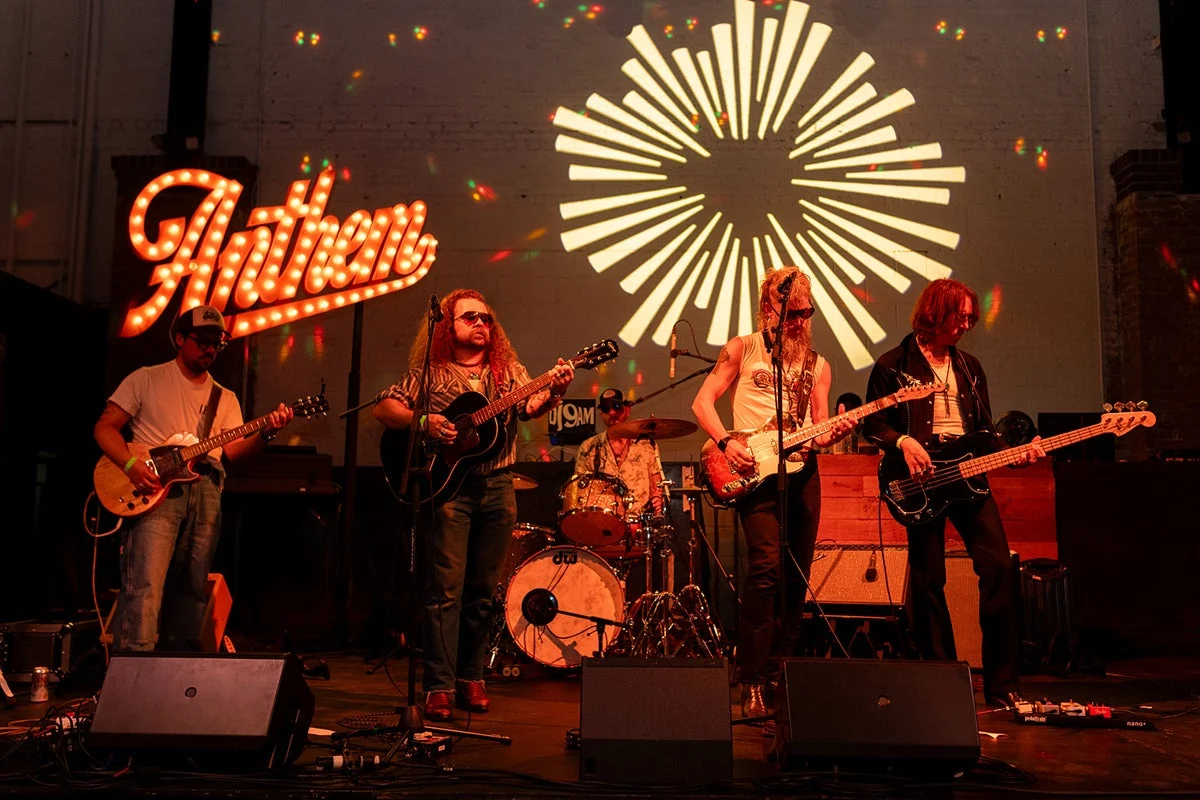
- The Experiential Era (2022–Present): With the market becoming saturated, brands began borrowing tactics from the CPG (Consumer Packaged Goods) and alcohol industries. High-production-value events, such as Anthem’s "Sunset Showdown" or ILGM’s national tours, represent the current pinnacle of this evolution.
This chronological shift reflects the industry’s maturation. As Justin Miller notes, cannabis consumers have historically been underserved by professional marketing. The transition to large-scale experiential strategies is a response to a "young industry" finally finding its voice and adopting the sophisticated tools of global lifestyle brands.
Supporting Data: Measuring the Impact of Experience
The success of these new strategies is not merely anecdotal; it is backed by significant engagement metrics and conversion data.
Anthem’s "Sunset Showdown"
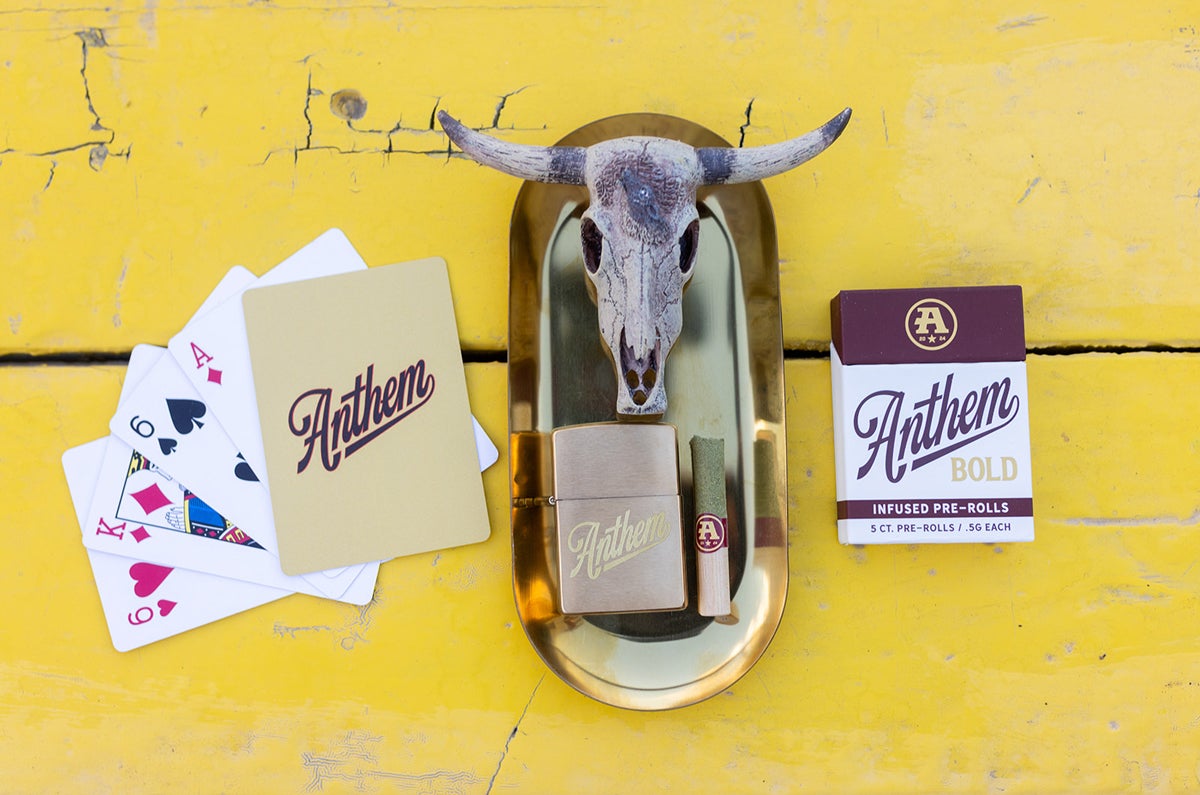
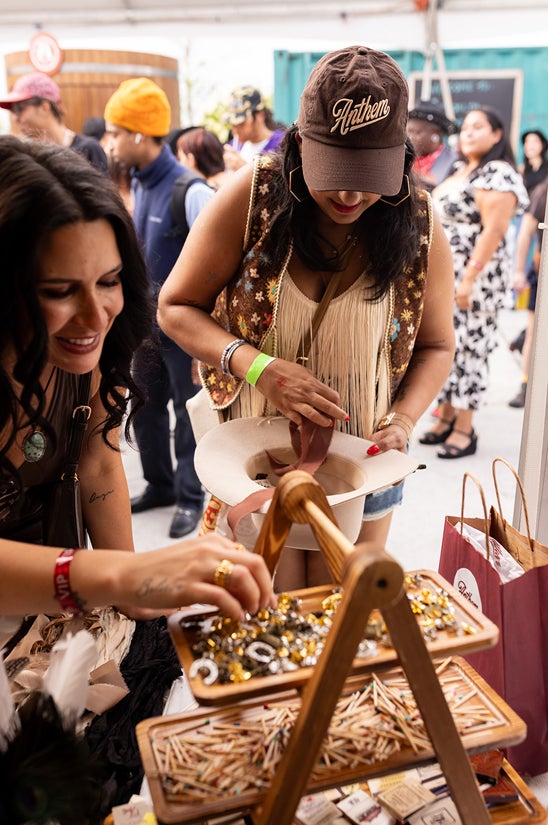
To launch its pre-rolls, Anthem (a Curaleaf brand) executed a Western-themed "Sunset Showdown" across Chicago, Phoenix, and New York City. The activation utilized a blind taste test model—reminiscent of the legendary "Pepsi Challenge"—to pit its product against a top competitor.
- Performance: 70% of attendees chose Anthem over the competitor in blind trials.
- Reach: The event series drew over 2,000 attendees.
- Digital Amplification: The campaign generated 6 million earned social impressions, proving that physical events can have a massive digital "long tail."
ILGM’s U.S. Home Grow Tour
In the spring of 2025, ILGM partnered with Leafly for a multi-city mobile tour anchored by a custom Airstream trailer.

- Growth: The brand gained 2,000 new Instagram followers during the tour.
- Visibility: The tour garnered 29 million total impressions.
- Educational Touchpoints: Grow classes were hosted every hour, transforming the marketing activation into a high-value educational seminar.
Spherex’s Community Growth
Colorado-based Spherex pivoted to activity-based events when state regulators began cracking down on consumption-heavy gatherings.
- Attendance Scaling: Their annual Halloween-themed skating event grew from 150 attendees to a peak of 700.
- Philanthropy: The brand leveraged its community to collect over 400 donated items for "The Gathering Place," a Denver-based nonprofit, demonstrating that brand loyalty can be successfully tied to social impact.
Official Responses: Insights from the C-Suite
The move toward experiential marketing is a calculated response to the limitations of traditional advertising. Due to federal restrictions, cannabis brands are often barred from using traditional channels like Google Ads, Meta (Facebook/Instagram) paid placements, or television spots.
Justin Miller of Curaleaf emphasizes that experiential marketing fills this void by creating "shareable content" that bypassed traditional ad blockers. "We wanted to ensure that whatever we created, we were able to extend the impact beyond the event," Miller stated. By filming honest testimonials during the "Sunset Showdown," the brand created a library of authentic content that could be used across social media to bring both the "emotional element" and the "functionality of the product" to life.
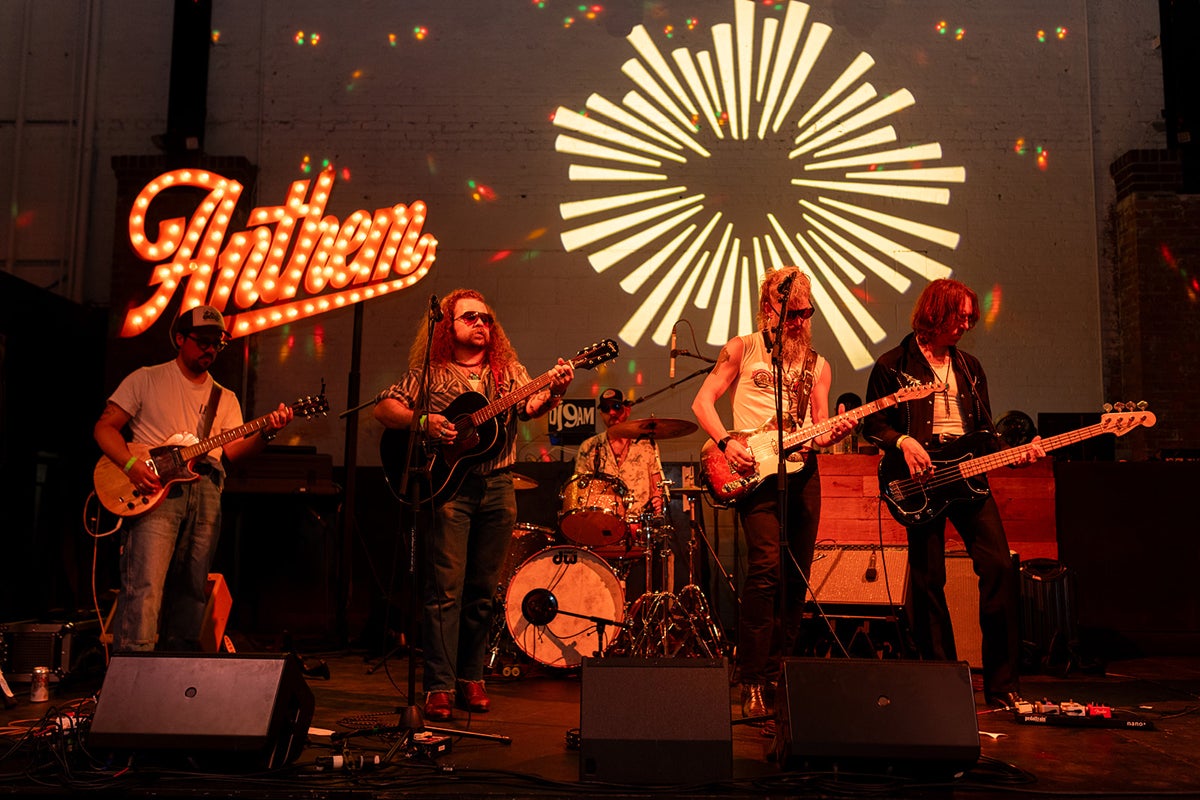
Miller also points out the necessity of "high-end" production. "I don’t think cannabis consumers are used to being marketed to very well at all," he observed. By introducing professional-grade activations—complete with live music, mechanical bulls, and custom apparel—brands are signaling to the consumer that cannabis is no longer a "basement" industry, but a premium lifestyle choice.
Similarly, the team at Spherex highlighted the importance of "regulatory agility." When the Colorado Marijuana Enforcement Division (MED) tightened restrictions on sampling, Spherex didn’t cancel their outreach; they shifted the focus to roller skating and charity drives. This response highlights a burgeoning trend: the most successful cannabis brands are those that can build a "vibe" that exists independently of the plant itself.
Implications: The Future of Cannabis Branding
The success of these three distinct tactics—content-driven product testing, charitable activity-based events, and hyper-local programming—suggests several long-term implications for the industry.

1. The Death of the "Stoner" Stereotype
Experiential events are increasingly tailored to specific, sophisticated demographics. Whether it is a "consumption-friendly hike" in the Rocky Mountains or a "cannabis cooking demo" in Chicago, brands are aligning themselves with wellness, culinary arts, and outdoor adventure. This effectively decouples cannabis from the "slacker" tropes of the past and integrates it into the broader "wellness" and "lifestyle" economies.
2. Regulatory Navigation as a Competitive Advantage
As demonstrated by Spherex, brands that can successfully navigate—and even thrive—under restrictive local laws will dominate the market. The ability to host a successful event without relying on on-site consumption is a "future-proof" strategy. If federal rescheduling occurs (moving cannabis from Schedule I to Schedule III), the brands with established, compliant community footprints will be the best positioned to scale.
3. The Rise of the "Micro-Influencer" and Local Creator
ILGM’s strategy of bringing in local creators like Koala Puffs and Deisha Dabs underscores the power of "localized" influence. In a fragmented market, national celebrity endorsements are often less effective than partnerships with local figures who understand the specific cultural nuances of a city like Phoenix or Palm Springs.

4. Data-Driven Community Building
The use of experiential marketing allows brands to collect first-party data in an era where digital privacy laws are making online tracking more difficult. By offering a "free tattoo session" or a "giveaway bag" in exchange for a newsletter sign-up or a social media follow, brands are building direct-to-consumer pipelines that bypass the "walled gardens" of tech giants.
5. Philanthropy as Brand Equity
The integration of charitable causes, such as Spherex’s menstrual hygiene product drive, points toward a future where "Social Equity" and "Corporate Social Responsibility" (CSR) are not just buzzwords but core components of brand identity. For a consumer base that is often socially conscious, seeing a brand give back to the local community provides a powerful "reason to buy" that transcends price or potency.
Conclusion
The cannabis industry is currently undergoing a "sophistication shock." The transition from simple visual merchandising to high-concept experiential strategy represents a turning point in how the plant is perceived by the public. By focusing on the "emotional element" of the community and the "functional reality" of the product, brands like Anthem, Spherex, and ILGM are doing more than just selling pre-rolls and seeds; they are architecting a new cultural infrastructure for the modern enthusiast. As the industry continues to move "out of the basement and into the light," the brands that win will be those that can turn a simple transaction into a memorable, shareable, and meaningful experience.
