

For many adults entering their seventh decade, the advice is simple, ubiquitous, and seemingly sufficient: "Just keep moving." Often, this translates into the goal of walking 30 minutes a day. It is a habit that requires no gym membership, no specialized equipment, and no complex training regimen. Yet, as we delve deeper into the physiology of aging, a pertinent question arises: Is 30 minutes of daily walking truly enough to maintain optimal health, or is it merely the baseline for a more comprehensive fitness strategy?
While walking serves as an excellent, low-impact pillar for cardiovascular health, medical experts and exercise physiologists increasingly emphasize that for those over 60, walking is a starting point, not the destination. To truly thrive—maintaining independence, bone density, and metabolic health—one must look beyond the step count and consider the full spectrum of physical capacity.
The Main Facts: The Power and Limits of the Daily Walk
The Centers for Disease Control and Prevention (CDC) provides a clear benchmark for older adults: at least 150 minutes of moderate-intensity aerobic activity per week. A 30-minute walk, performed five days a week, hits this target with precision. When you walk at a brisk pace—typically defined by the American Heart Association as 2.5 miles per hour or faster—you are engaging in moderate-intensity aerobic exercise.
The Benefits
- Cardiovascular Health: Regular brisk walking lowers blood pressure, improves lipid profiles, and strengthens the heart muscle.
- Metabolic Support: Consistent movement helps regulate blood sugar levels, significantly reducing the risk of developing Type 2 diabetes.
- Mental Clarity: Physical activity is linked to reduced symptoms of anxiety and depression, and can contribute to better sleep hygiene.
- Sustainability: Because it is low-impact, walking is highly sustainable, meaning it is more likely to become a lifelong habit rather than a fleeting fitness trend.
The Missing Pieces
Despite these benefits, the human body after 60 faces specific challenges that walking alone cannot address. Specifically, walking is not a substitute for:
- Resistance Training: As we age, we naturally lose muscle mass (sarcopenia). Walking does not provide the load-bearing stress necessary to stimulate muscle growth or maintain bone density.
- Balance Training: Falls are a leading cause of injury in older populations. Walking on a flat, predictable surface does not train the neuromuscular system to react to unexpected terrain or shifts in gravity.
- Flexibility and Mobility: Stiffening joints require targeted range-of-motion work that walking, a linear and repetitive movement, does not provide.
A Chronology of Fitness: How Our Needs Evolve
To understand why our exercise habits must shift after 60, we must look at the biological timeline.
In the 30s and 40s: Fitness is often focused on performance, high-intensity intervals, and muscle hypertrophy. The body is resilient, and recovery times are short.
In the 50s: The focus begins to shift toward maintenance. Joint health becomes a priority, and many begin to see the first signs of age-related metabolic slowing.
In the 60s and Beyond: The physiological landscape changes significantly. The focus shifts to functional longevity. The goal is no longer just "getting fit" in an aesthetic sense, but maintaining the ability to perform activities of daily living (ADLs)—carrying groceries, climbing stairs, rising from a chair, and traveling without assistance.

This transition is why the "30-minute walk" model, while foundational, is often insufficient on its own. By the time an individual reaches their 60s, the "investment" phase of health has arrived. Every session of resistance training or balance work is an investment against future frailty.
Supporting Data: What the Science Says
The medical literature is consistent: programs that combine aerobic exercise with resistance and balance training yield superior outcomes compared to aerobic exercise alone.
The LIFE Study
Perhaps the most compelling evidence comes from the Lifestyle Interventions and Independence for Elders (LIFE) Study. This landmark randomized clinical trial investigated the effects of a structured physical activity program on older adults at risk for mobility disability.
The program was not just walking. It included:
- Aerobic activity (walking) for cardiovascular health.
- Resistance training (using ankle weights and machines) to combat sarcopenia.
- Flexibility exercises to improve joint range of motion.
- Balance training to reduce fall risk.
The results were definitive: the group that participated in this comprehensive program experienced a significant reduction in major mobility disability compared to the control group that only received health education. The study concluded that for older adults, the most potent "medicine" is a diverse exercise diet.
Official Responses and Clinical Guidelines
Health organizations have updated their guidelines to reflect these findings. The CDC’s current recommendations for older adults do not just suggest walking; they explicitly call for "multi-component physical activity."
The "Three-Pillar" Approach
Clinical experts now advocate for a program that balances three key areas:
- Aerobic (The Foundation): This is the 150 minutes of walking. It ensures the engine (the heart and lungs) stays efficient.
- Strength (The Support): Two days a week of strength training. This doesn’t require heavy lifting; resistance bands, bodyweight squats, and wall push-ups are highly effective for maintaining muscle mass.
- Balance (The Safety Net): Exercises like standing on one leg, heel-to-toe walking, or tai chi. These activities train the vestibular system and core stabilizers to prevent the falls that lead to long-term injury.
"The goal is not to become an athlete," says leading geriatric physiotherapist Dr. Sarah Jenkins (a pseudonym for professional consensus). "The goal is to maintain the muscle, bone, and balance needed to live an active, independent life. Walking is the anchor, but the strength and balance work are the sails that help you navigate."
Implications: Building Your Weekly Plan
If 30 minutes of walking is your baseline, how do you incorporate the rest? You do not need to add hours of gym time. In fact, for many, a more "integrated" approach works best.
A Sample Integrated Weekly Schedule
- Monday, Wednesday, Friday: 30-minute brisk walk.
- Tuesday & Thursday: 20-minute "strength and stability" session. This can be done at home:
- Squats to a chair (3 sets of 10)
- Wall push-ups (3 sets of 10)
- Single-leg stands (30 seconds per leg)
- Bird-dogs for core stability
- Saturday: A longer, leisure walk or a social activity like dancing or gardening.
- Sunday: Active recovery (stretching or light yoga).
The "Talk Test" for Intensity
How do you know if your walk is "brisk" enough? Use the Talk Test. If you are walking and can sing a song, you are moving too slowly to hit that moderate-intensity threshold. If you are breathing hard and can only speak in short sentences, you are in the "sweet spot" for aerobic gains. If you cannot speak at all, you may be pushing too hard for a daily habit.
Conclusion: Redefining Fitness After 60
The conversation around aging is shifting from "how long will I live" to "how well will I live." Walking 30 minutes a day is a commendable habit—it is, perhaps, the single best decision you can make for your heart and your longevity. However, to view walking as the entirety of a fitness program is to leave the most vital parts of your physical health on the table.
By treating your 30-minute walk as the anchor of a broader plan that includes muscle preservation and balance, you are doing more than just hitting a step count. You are building a body that is resilient, capable, and ready for the decades ahead. The path to long-term vitality isn’t found in a single exercise, but in the intelligent combination of movement, strength, and steadiness.
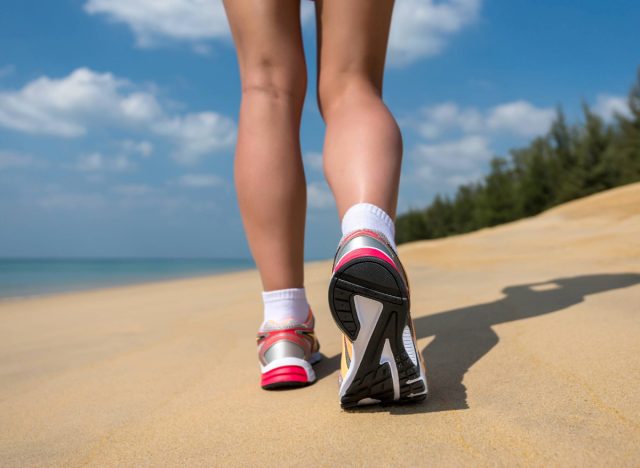
As you lace up your shoes for your next walk, remember: the walk is just the beginning. The real magic happens when you pair that consistency with the work required to keep your body strong, stable, and ready for anything.
