

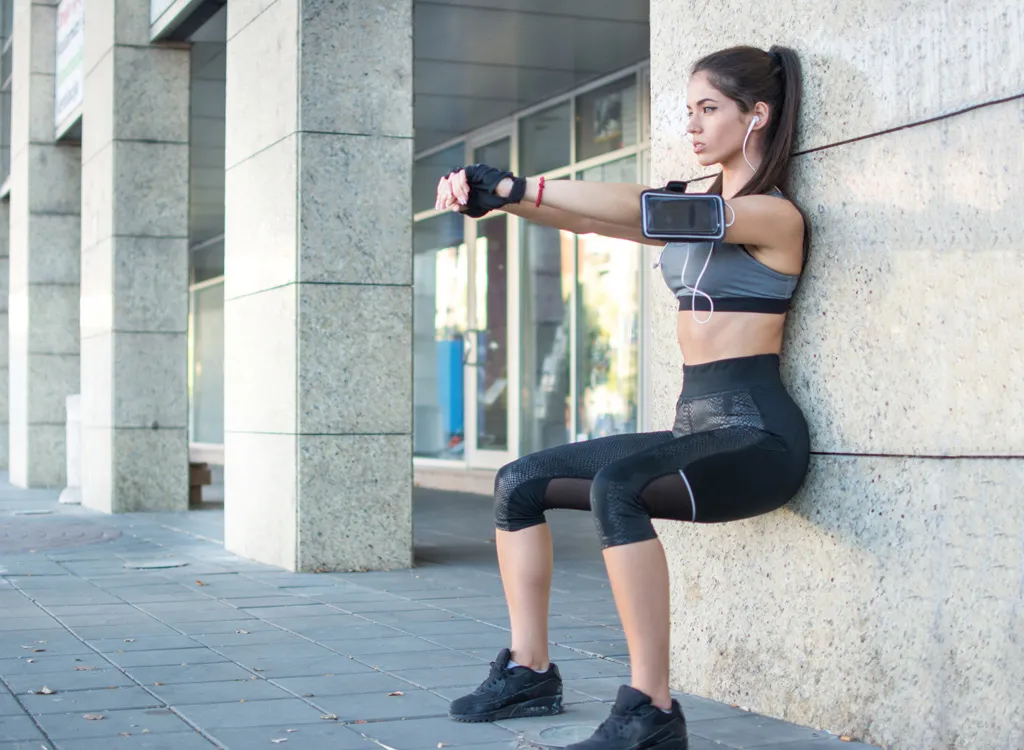
In the landscape of functional fitness, the most effective diagnostic tools are often the simplest. You don’t need a high-tech gym, a personal trainer, or specialized equipment to gauge the health of your lower body. All you need is a flat wall, a stopwatch, and the resolve to hold a single position. The wall sit—a classic isometric exercise—has emerged as a gold-standard "litmus test" for those over 60, providing a clear, immediate look at muscular endurance and structural integrity.
As we age, the ability to perform daily tasks—climbing stairs, rising from a chair, stepping off a curb, or walking through a crowded grocery store—is dictated by the "staying power" of our quadriceps, glutes, and core. The wall sit is not just an exercise; it is a functional assessment that reveals whether your legs have the stamina to support your lifestyle with ease and safety.
The Science of Isometric Strength
At its core, the wall sit is an isometric exercise. Unlike dynamic movements like squats or lunges, which involve moving through a range of motion, an isometric hold forces the muscle fibers to maintain tension at a fixed length. This creates a specific kind of physiological demand.
When you slide down the wall and settle into a supported squat, your quadriceps are forced to fire continuously to stabilize your knee joints. Simultaneously, your glutes engage to maintain hip alignment, and your core muscles contract to keep your spine pressed flush against the wall. This combination of "static" effort is highly effective for building muscular endurance—the ability of a muscle to exert force repeatedly or sustain a contraction over an extended period.
For individuals over 60, muscular endurance is often more critical than raw explosive power. Daily life is rarely about lifting a one-time heavy object; it is about the sustained effort of standing, walking, and navigating terrain. By training the legs to maintain a stable, controlled posture under the stress of gravity, you are directly improving your capacity to manage the physical demands of independent living.
Chronology of the Assessment: How to Perform a Proper Hold
The accuracy of your wall sit assessment depends entirely on the "movement standard." To gain an honest reading of your strength, the form must be consistent. A shaky, poorly executed 60-second hold is less valuable than a rock-solid 30-second hold.
The Setup
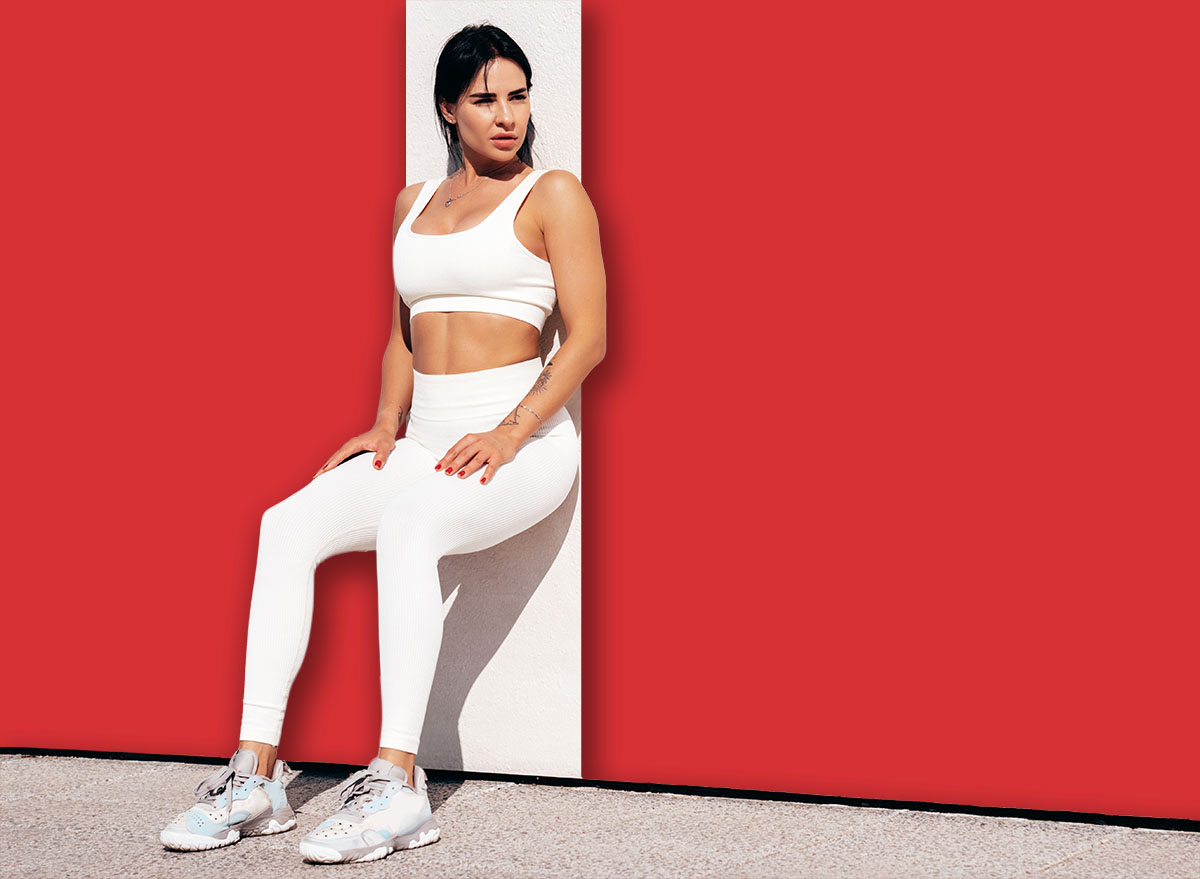
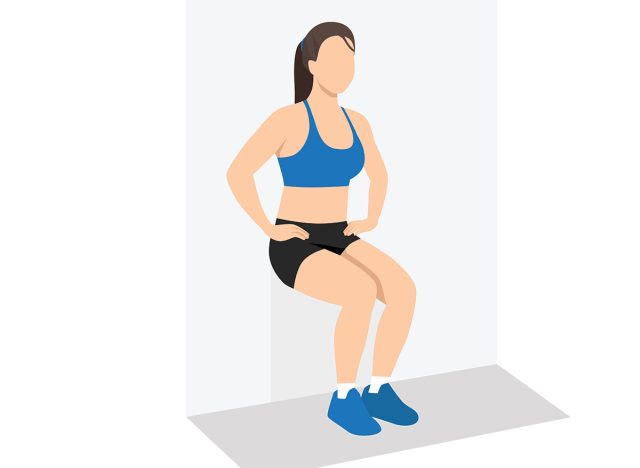
- Positioning: Stand with your back flat against a sturdy wall. Place your feet shoulder-width apart and roughly two feet away from the wall.
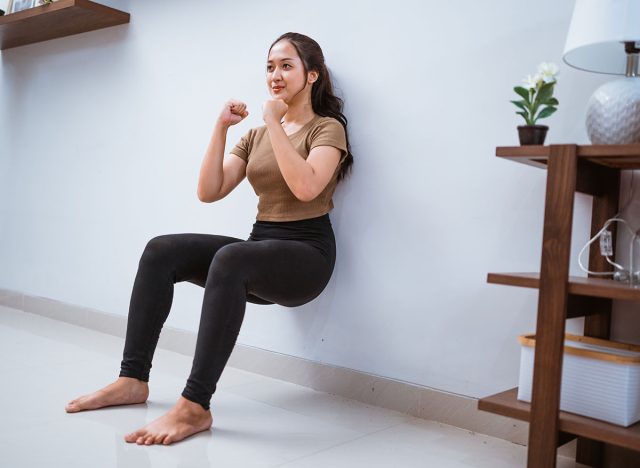
- The Descent: Slowly slide your back down the wall until your thighs are as close to parallel with the floor as comfort and mobility allow.
- The Anchor: Ensure your feet are flat on the ground. Your knees should be positioned directly over your ankles, not pushing forward past your toes.
- The Engagement: Keep your back, shoulders, and head in contact with the wall. Place your hands on your thighs or let them hang at your sides—do not use them to push off your knees.
The Standard
Your test only "counts" if you maintain this position without shifting or "cheating." If you find yourself sliding down further or arching your back to relieve the pressure, your form has broken. Stop the timer at the moment your posture fails. This provides you with an honest baseline from which you can measure future progress.
Supporting Data: Understanding Your Hold Time
What do the numbers actually mean? While individual fitness levels vary, the following ranges offer a general guide for interpreting your leg strength and endurance after age 60.
0–30 Seconds: The Foundation Phase
If you fall into this range, don’t be discouraged. This is a common starting point for those returning to fitness or those who have had periods of inactivity. At this level, the goal is not to "push through" to longer times, but to build consistency. By performing multiple, shorter sets (e.g., three sets of 15 seconds), you can rapidly increase your base strength without overtaxing your joints.
31–60 Seconds: The Functional Range
Holding for this duration suggests that your legs possess solid, reliable endurance. Your quads and glutes are capable of sustaining tension, which correlates strongly with an easier experience navigating stairs and longer periods of standing. This is a highly functional level of fitness that supports most daily activities.
61–75 Seconds: The Advanced Endurance Range
Passing the one-minute mark indicates that your lower body has excellent stamina. You have developed the ability to maintain composure even as the "burn" of lactic acid sets in. This level of endurance provides a "safety buffer" for physical activities, ensuring you don’t feel fatigued during travel days or extended errands.
75+ Seconds: The Elite Category
Holding a clean, perfect-form wall sit for over 75 seconds is a marker of exceptional muscular health for someone over 60. It indicates that your neuromuscular system is well-adapted to sustained effort and that your supporting structures—hips, knees, and ankles—are working in optimal synchronization.
Official Perspectives: The Importance of Joint-Friendly Loading
Geriatric health experts and physical therapists frequently champion the wall sit because of its "joint-friendly" nature. Unlike high-impact exercises that can place shearing force on the knees, the wall sit allows for strengthening without the added stress of movement.
"The wall provides a feedback mechanism," says clinical physical therapy research. "Because the torso is supported, the user can focus entirely on the activation of the lower chain. This reduces the risk of injury while maximizing the muscle-recruitment patterns necessary for walking and balance."
Moreover, the isometric nature of the exercise promotes stability. As we age, the risk of falls becomes a primary health concern. Falls are often caused not just by a lack of strength, but by a lack of control when the muscles are fatigued. By training with the wall sit, you are effectively teaching your body how to maintain structural integrity even when your muscles are tired, which is a vital skill for fall prevention.
Implications for Long-Term Health and Mobility
The implications of a strong, consistent wall sit extend far beyond the exercise itself. Improving your hold time is a gateway to a higher quality of life.
1. Enhanced Daily Living
The same muscles you use to hold a wall sit are the ones required to stand up from a deep armchair. By increasing your "time under tension," you make these mundane movements feel effortless. When your legs are stronger, you move with more confidence, which in turn encourages you to stay more active.
2. Metabolic Health
Quadriceps are among the largest muscle groups in the body. Engaging them in sustained exercise like the wall sit helps to improve glucose regulation and metabolic rate. Even though the movement is static, the metabolic demand is significant, making it an efficient way to contribute to overall body composition management.
3. Progressive Improvement
The beauty of this assessment is its scalability. Once you master the standard wall sit, you can progress to:
- High Wall Sits: Starting at a higher angle to ease into the depth.
- Weighted Wall Sits: Holding a small weight against your chest to increase the resistance.
- Single-Leg Wall Sits: A challenging progression that tests balance and unilateral strength.
Conclusion: Start Where You Are
The wall sit is more than a test of strength; it is an investment in your independence. By checking your baseline today, you gain a clear, objective metric that you can improve over the coming weeks and months. Whether you are currently holding for 15 seconds or 75, the path to stronger, more capable legs is clearly defined.
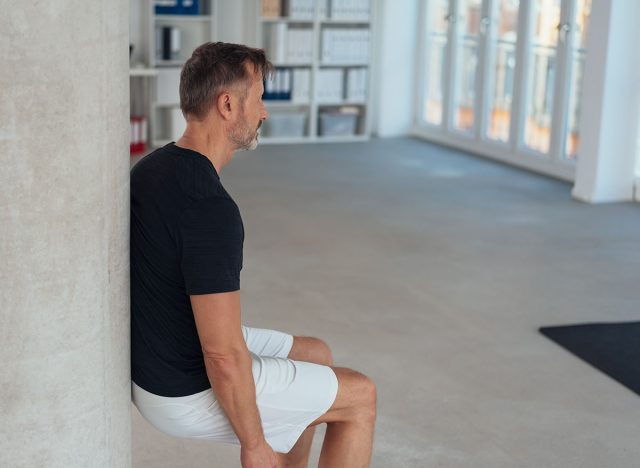
Find a wall, set your timer, and begin. By dedicating just a few minutes a day to this simple, effective practice, you are building the "staying power" required to live a vibrant, mobile life well into your 60s, 70s, and beyond. Consistency is the key—if you show up for your legs, they will undoubtedly show up for you.
References
- Journal of Strength and Conditioning Research: "The effects of isometric training on muscle hypertrophy and strength."
- PubMed / National Library of Medicine: "Isometric exercise and its role in rehabilitation for aging populations."
- The International Journal of Sports Physical Therapy: "Functional assessments for the maintenance of independence in older adults."
