

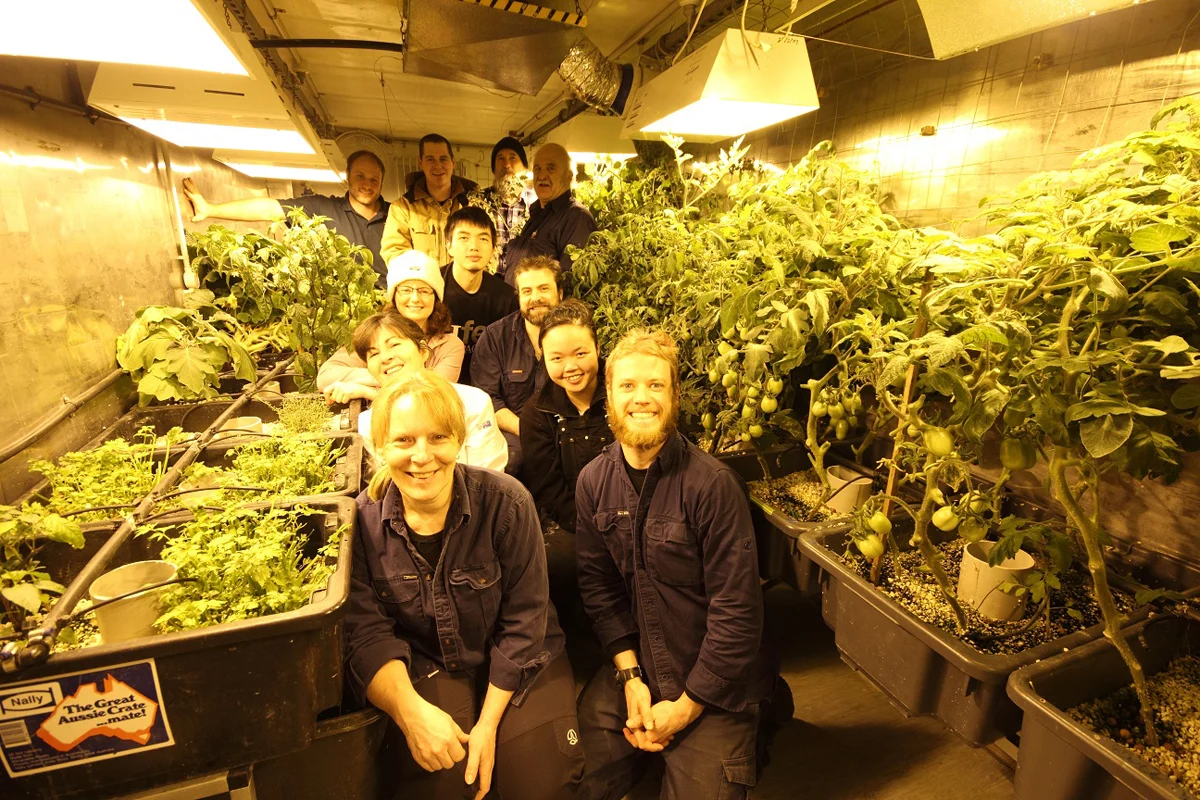
In the annals of horticulture, there are few places more inhospitable than the frozen, wind-whipped expanse of the Antarctic continent. Yet, amidst the howling blizzards and the relentless sub-zero temperatures of the Davis Station—one of Australia’s primary research outposts—a small, vibrant sanctuary defies the laws of nature. This is the story of the Davis Station Hydroponics facility, a testament to human ingenuity, community morale, and the universal, irrepressible desire to nurture life even in the most desolate corners of the Earth.
Main Facts: A Green Haven in the White Desert
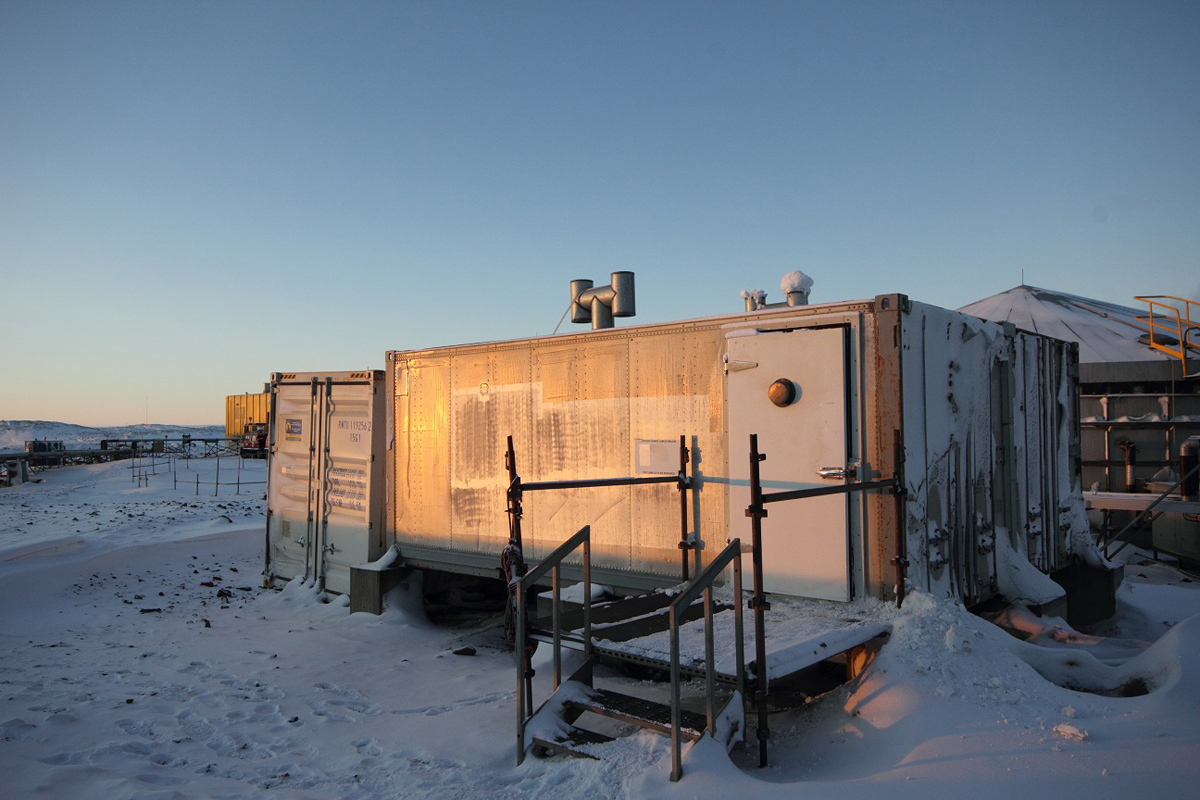
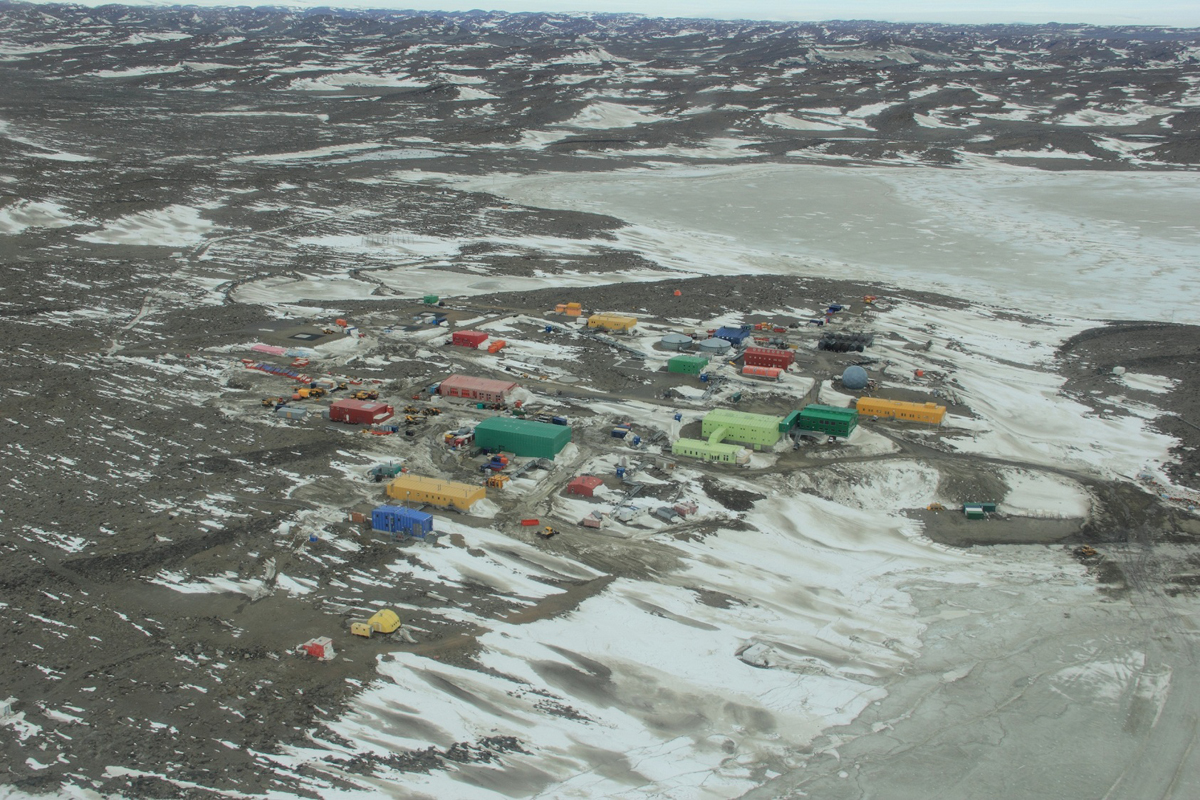
The Davis Station, located in the Vestfold Hills of Antarctica, serves as a hub for scientific research. While the station is designed to support life in extreme conditions, the psychological toll of isolation and the stark, monochromatic landscape can be profound. Enter the "hydroponics group," a community-led initiative that transformed two repurposed shipping containers into a lush, thriving garden.
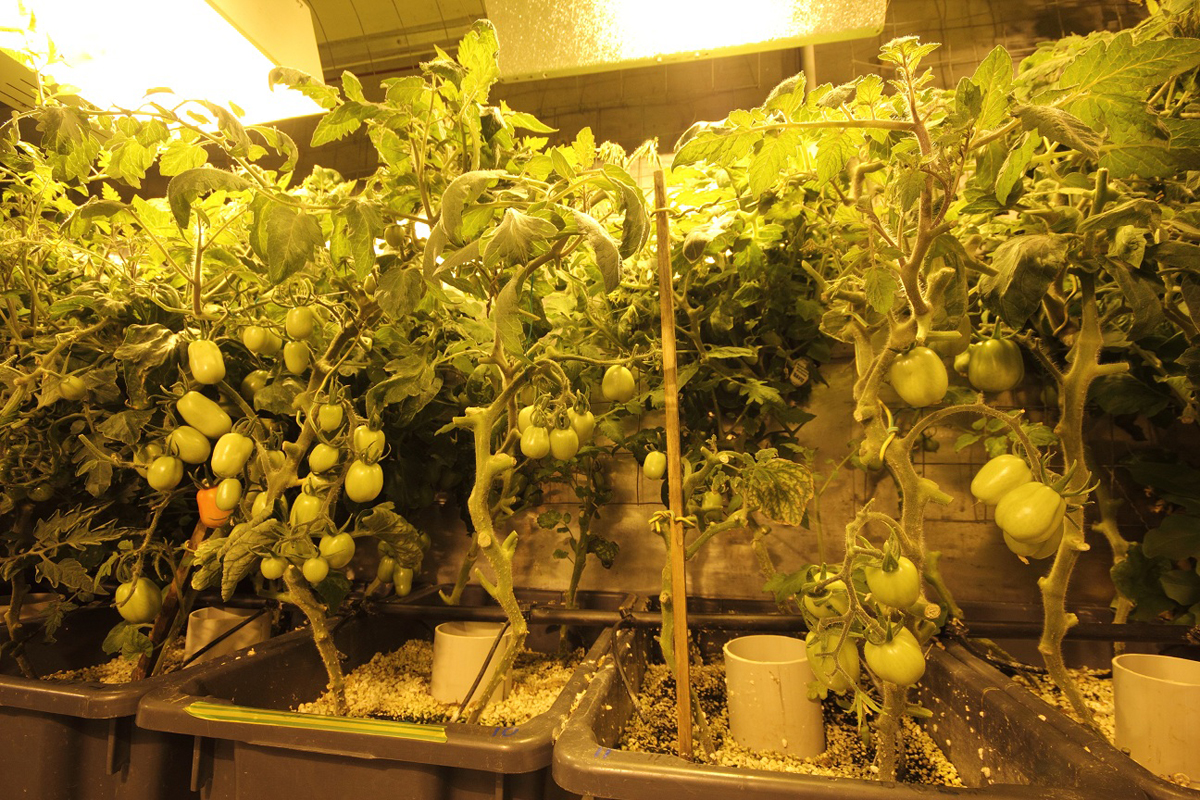
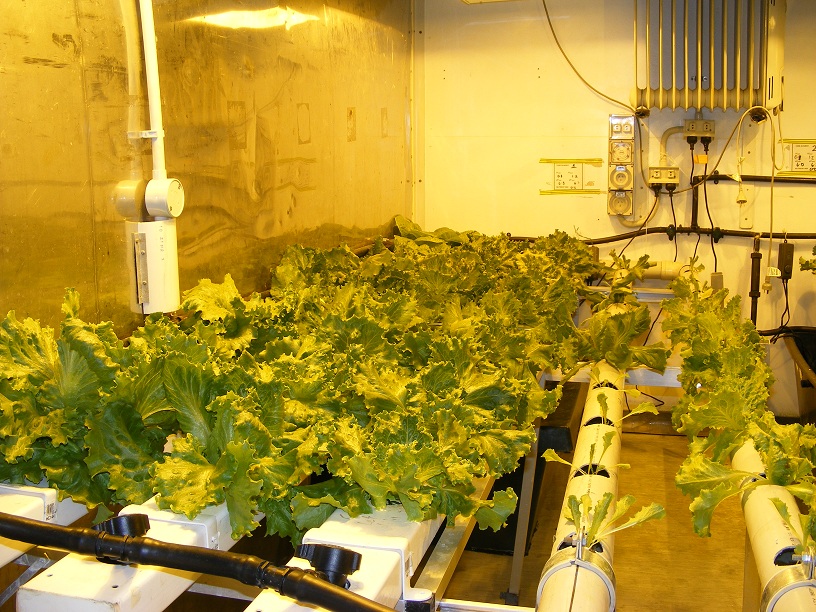
Managed by staff volunteers, the facility operates as a closed-loop system, strictly regulated to prevent the introduction of non-native species to the fragile Antarctic ecosystem. Unlike traditional gardening, which relies on soil, sunlight, and seasonal rhythms, the Davis garden operates under artificial spectrum lighting, carefully calibrated to mimic the life-giving properties of the sun. The facility maintains a consistent, tropical climate of approximately 27°C (80°F) and 60% humidity, creating a startling contrast to the exterior environment, where temperatures can plummet to -30°C (-22°F) with wind speeds reaching 115 mph.
Chronology: From Concept to Thriving Ecosystem
The origins of the Davis Station garden can be traced back to the necessity of providing fresh nutrients and a psychological "green space" for overwintering personnel. While various stations across the Antarctic continent have experimented with small-scale growing, the Davis project reached a peak of sophistication in 2012, under the stewardship of Darryl Seidel.
The 2012 Season: A Turning Point
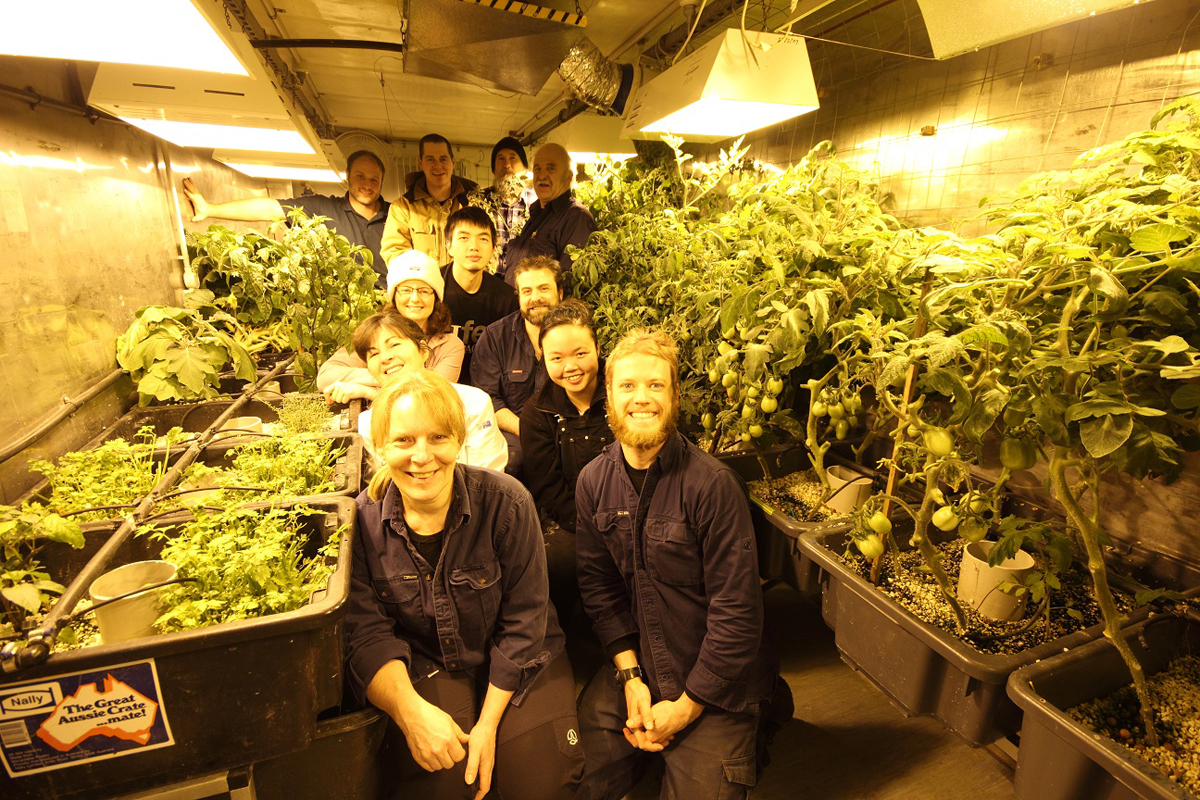
Darryl Seidel, a plumber by trade and an amateur gardener from Adelaide, Australia, assumed the role of hydroponics manager. With no formal background in agricultural science, Seidel’s journey into hydroponics was defined by trial, error, and communal collaboration.
- Early Phase: The setup involved two shipping containers joined to create a three-room facility. The initial objective was simple: morale.
- The Mid-Winter Crisis: In June 2012, the facility faced a catastrophic failure. A door malfunction left the garden exposed to the brutal Antarctic chill for 12 hours. The result was widespread frost damage that threatened to wipe out the entire season’s work.
- The Recovery: Proving the resilience of the team, the crew immediately initiated a massive replanting effort. By working in shifts—monitoring the systems twice daily—the team not only recovered but exceeded previous growth benchmarks, harvesting over 60 kilograms (132 pounds) of produce in an eight-month span.
Supporting Data: The Mechanics of Extreme Agriculture
The success of the Davis Station project is rooted in meticulous technical management. Because the station is subject to strict international protocols regarding the protection of the Antarctic environment, the methodology must be absolute.
The Cultivation Process
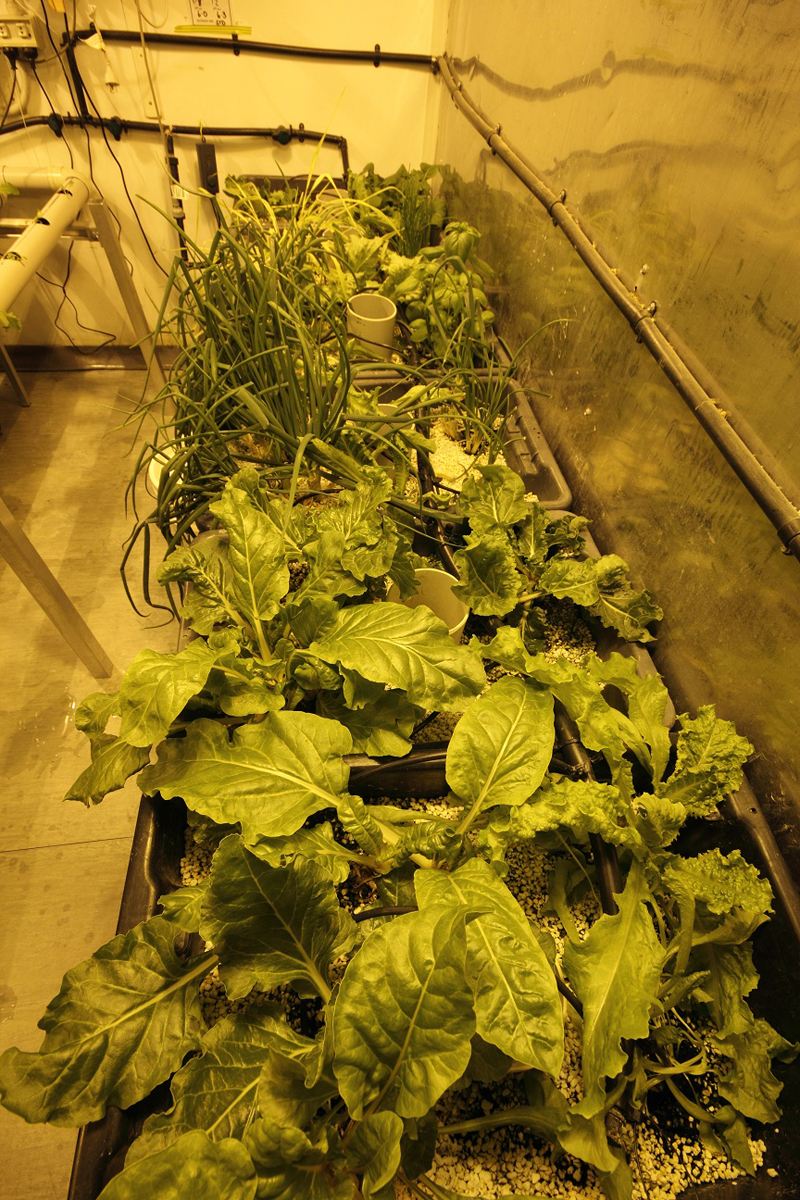
The facility focuses exclusively on edible produce. The selection is dictated by both space constraints and the dietary needs of the crew. Common crops include:
- Leafy Greens: Iceberg and Cos lettuce.
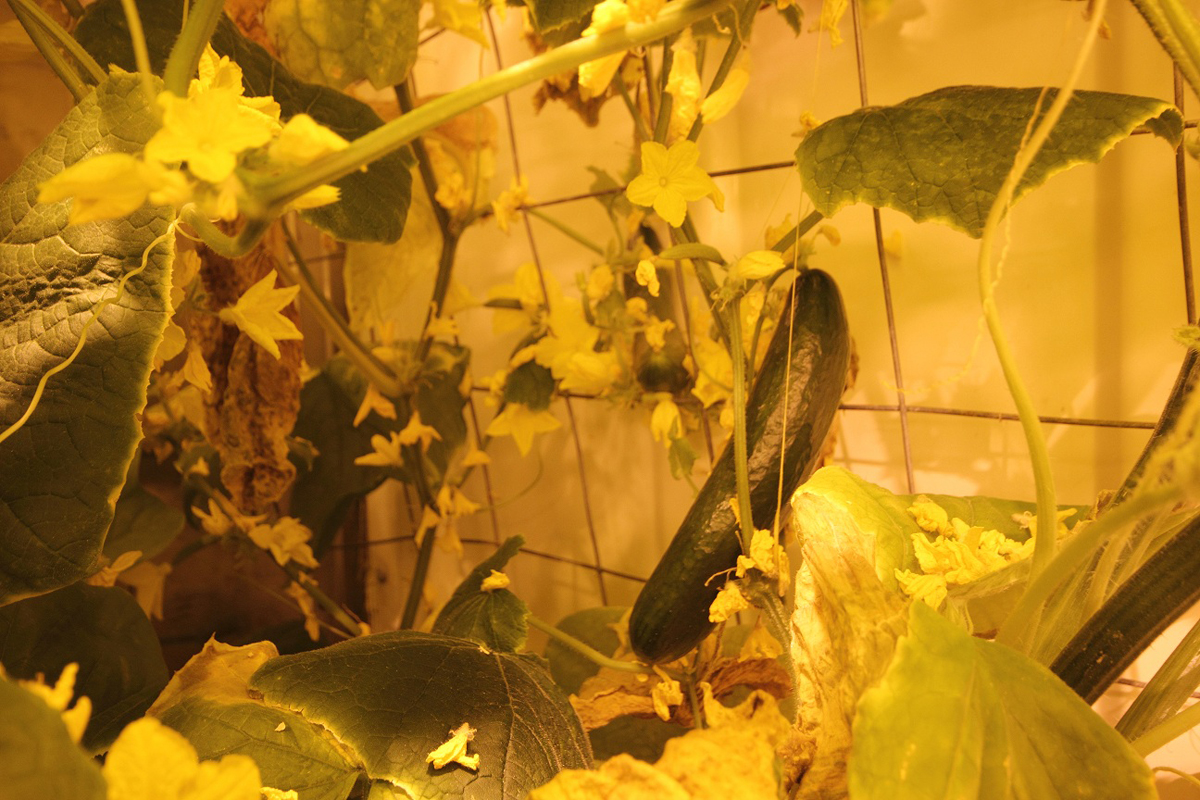
- Nightshades: Various tomato varieties, capsicums (bell peppers), and Lebanese cucumbers.
- Herbs: A diverse selection to flavor the station’s culinary offerings.
Biosecurity Protocols
Perhaps the most critical aspect of the operation is the disposal cycle. To ensure that no pathogens or invasive seeds escape into the Antarctic environment, the entire growth medium and all plant matter are incinerated at the end of each season. This "zero-tolerance" policy regarding cross-contamination ensures that the station remains in compliance with the Antarctic Treaty System’s environmental protection protocols.
The Human Element
The garden is not merely a technical facility; it is a labor-intensive community asset. With a summer population exceeding 100 people and a winter skeleton crew of 16 to 25, the responsibility for the garden is shared. During the 2012 season, 14 individuals were actively involved in the hydroponics crew, rotating tasks that included seeding, propagation, and the critical daily monitoring of water chemistry and light cycles.
Official Perspectives: The Psychological Value of Greenery
While the scientific community focuses on the data harvested from the Antarctic ice, the human element—the "morale" factor—is frequently cited by station managers as a critical component of successful expeditions.
In the words of the project participants, the garden serves as a sensory escape. "The challenge it poses is one of the main reasons I wanted to take it on," Seidel noted during his tenure. For researchers who spend months staring at white, jagged landscapes, the ability to walk into a space that is 80°F, smells of damp earth, and is filled with the vibrant colors of tomatoes and fresh lettuce, provides a vital psychological anchor. It is a reminder of home, a symbol of growth, and a rare opportunity to engage in the tactile, nurturing act of gardening.
Implications: The Future of Controlled Environment Agriculture
The lessons learned at Davis Station have implications far beyond the polar circle. As humanity looks toward long-term space exploration—such as potential missions to Mars—the challenges faced by the Antarctic crew serve as a blueprint.
Lessons in Sustainability
The necessity of a closed-loop system, the management of limited water resources, and the requirement for high-yield, low-waste production are the very same hurdles that must be cleared to support human life in extraterrestrial habitats. The Davis Station demonstrates that even with limited space and extreme external hostility, a small, dedicated group can successfully produce fresh food.
The "Morale" Imperative
Perhaps the most enduring implication is the recognition of horticulture as a mental health necessity. Future missions to the Moon or Mars will likely prioritize "green rooms" not just for oxygen production or caloric intake, but for the fundamental human need to interact with nature. The Davis Station proves that when we provide the means to grow, we sustain more than just the body; we sustain the spirit of the explorer.
Conclusion: A Legacy of Growth
The garden at Davis Station stands as a quiet triumph. It is a place where a plumber from Adelaide, alongside a team of scientists and support staff, proved that the human capacity for gardening is not tethered to soil or climate. By bringing life to the most desolate environment on Earth, the crew of Davis Station provided a roadmap for how we might live in the future—by creating our own, small, green worlds, no matter how cold the winds may blow outside.
As we look back at the efforts of those like Darryl Seidel, we are reminded that gardening is at its heart an act of defiance against the void. Whether it is a fire escape in Manhattan, a plot in a war-torn region, or a shipping container in the Antarctic, the garden remains the ultimate expression of human hope.
Are you inspired by the gardens of the world?
We invite our readers to contribute to the ongoing narrative of the Garden Photo of the Day (GPOD). Whether you are cultivating a sprawling estate or a small balcony collection, your experiences are part of the global gardening tapestry. Please submit your photos and stories via our official submission form or contact our editorial team directly. We are particularly interested in your successes, your failures, and the unique stories that define your relationship with the plants you love. Join our community and sign up for our email newsletter to ensure you never miss a feature from the world’s most remarkable gardens.
