

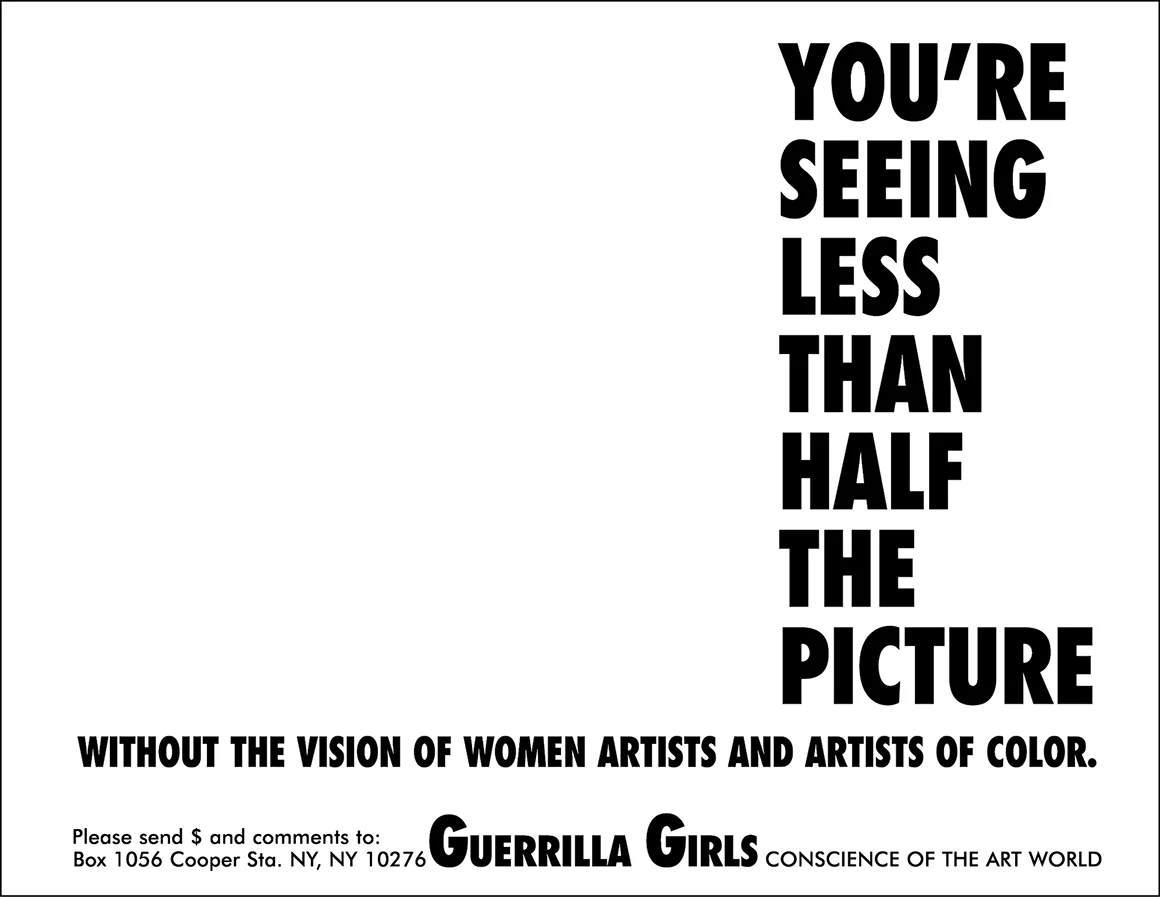
In the high-stakes world of contemporary art, where market value is often inextricably linked to institutional recognition and gallery representation, a new technological intervention is poised to disrupt the status quo. Hall W. Rockefeller, a prominent art historian and founder of the advocacy network Less Than Half, has launched an artificial intelligence-driven tool designed to perform a granular audit of gallery rosters. By automating the data collection process, Rockefeller is providing the public—and potential collectors—with an empirical look at the gender composition of the world’s most influential art dealers.
The tool serves a singular, disruptive purpose: to hold galleries accountable for their representation of women and non-binary artists. For galleries that meet the threshold of 50% or higher representation, Less Than Half offers a digital “stamp of approval.” This move is not merely symbolic; it is a calculated effort to force a reckoning within an industry long criticized for its systemic glass ceilings.
The Genesis of the Initiative: A Mission for Equity
The Less Than Half initiative was born from Rockefeller’s dual identity as an art historian and a collector. Observing the persistent underrepresentation of women in museum acquisitions and blue-chip gallery rosters, she sought a way to move the conversation from anecdotal frustration to hard, irrefutable data.
Historically, tracking the gender balance of major galleries was an arduous, manual task. Researchers would have to comb through artist lists, cross-reference biographies, and manually tabulate data—a process prone to human error and stagnation. By leveraging AI, Rockefeller has transformed this bottleneck. The tool crawls gallery websites, analyzes artist profiles, and generates an immediate snapshot of the roster’s gender breakdown.
"AI makes the counting process a lot easier to do," Rockefeller noted in a recent interview with Ocula. By reducing the friction of data collection, she has made transparency the path of least resistance for galleries that wish to participate in the conversation.
Chronology of a Market Shift
The push for gender parity in the art market has been simmering for decades, but the current technological push represents a new phase of the movement.
- Pre-2015: The "Guerrilla Girls" and other activist groups utilized manual counts to highlight the lack of women in major museums, such as the Met and MoMA. These efforts, while culturally significant, were periodic and episodic.
- 2019-2022: The emergence of digital art platforms and increased discourse regarding diversity, equity, and inclusion (DEI) in the wake of the global social justice movements brought gallery representation to the forefront of industry debate.
- 2024: Art Basel and the UBS Global Survey of Collecting highlighted a critical pivot point: women collectors are increasingly driving the market, with data showing they outspent men by 46% during the year.
- 2025: The launch of the Less Than Half AI tool marks the first time that this data is being aggregated in real-time, effectively turning gender representation into a public performance metric for galleries.
Supporting Data: The Reality of the Blue-Chip Roster
The initial findings generated by the AI tool have confirmed what many critics have long suspected: despite years of public commitments to diversity, the most powerful galleries remain heavily skewed toward male artists.
According to the tool’s recent analysis:
- David Zwirner: Out of a roster of 86 artists, women account for only 35%.
- Gagosian: Among its 100-person stable, women represent less than one-third of the total.
These figures are particularly striking when contrasted with the current demographic trends in the collector market. The 2025 Art Basel and UBS survey suggests that high-net-worth women are significantly more likely to collect works by women artists. By failing to mirror the demographic of the new, high-spending collector class, major galleries may not only be failing in their social obligations but also ignoring a significant economic opportunity.
The Economic Implications: Follow the Money
Rockefeller’s initiative is not just an appeal to moral conscience; it is an argument rooted in market logic. As wealth transfers to a younger, more diverse generation of collectors, the traditional "old boys’ club" model of gallery management is becoming increasingly anachronistic.
"I think there is a real opportunity for the big, blue-chip, international mega galleries to start courting that woman and taking her seriously," Rockefeller said. Her assertion is backed by the 46% spending advantage women collectors held over their male counterparts in 2024. If galleries wish to remain relevant to the most influential buyers in the market, they must diversify their rosters—not just for the sake of equity, but for the sake of their bottom lines.
The “Less Than Half Approved” sticker acts as a signal in an information-heavy market. For a collector who prioritizes social impact alongside aesthetic value, the sticker provides a quick, verified metric. It creates a "reputational currency" that could influence where collectors choose to spend their money.
Official Responses and Industry Reception
The response from the art world has been a mixture of cautious interest and defensive silence. While no major gallery has formally issued a press release responding to the tool, industry insiders acknowledge that the Less Than Half audit is putting the power dynamic on edge.
Critics of the initiative argue that gender parity should be based on "merit" rather than quotas. However, proponents, including Rockefeller, counter that the concept of "merit" in the art world has historically been defined by institutional bias. By shining a light on the specific percentages, the AI tool forces galleries to define what they mean by "merit" and why that definition consistently excludes the majority of the population.
Some mid-sized galleries have reportedly expressed interest in the audit, viewing it as a marketing tool to differentiate themselves from the larger, slower-to-change blue-chip institutions. For these smaller players, achieving the "Less Than Half Approved" status is a way to align themselves with the next generation of collectors who are actively seeking out galleries that reflect their values.
Addressing Systemic Barriers
Rockefeller is careful to emphasize that the AI tool is merely a diagnostic device. It identifies the "what," but the "why" remains a complex web of historical and structural barriers. Women artists have historically been undervalued in the secondary market, which makes galleries hesitant to sign them, fearing they will not produce the same immediate returns as male counterparts whose prices have been artificially inflated over decades.
"I want people to notice the very apparent discrepancies and inequalities between men and women artists and the systematic ways in which women artists are kept from succeeding," Rockefeller states. Her goal is to strip away the obfuscation. By presenting the data in a clear, digestible format, she is removing the excuse of "unawareness."
Looking Ahead: The Future of Algorithmic Accountability
The deployment of this AI tool signals a broader trend in the art market: the use of data science to enforce accountability. As algorithms become more sophisticated, they will likely be used to track not only gender but also racial diversity, geographical representation, and even the "hidden" biases in museum acquisition funds.
For galleries, the era of opacity is coming to an end. The Less Than Half tool is the first of many potential instruments that will monitor, measure, and broadcast the performance of institutions.
In conclusion, Hall W. Rockefeller’s project is a potent reminder that the art world, despite its aura of subjectivity and prestige, is subject to the same pressures of transparency as any other global industry. Whether the mega-galleries choose to ignore the data or adapt to the changing preferences of the collector class remains to be seen. What is certain, however, is that they can no longer claim that the "numbers" are too hard to track. The numbers are now public, they are accessible, and they are demanding change.
As the industry moves through 2025 and beyond, the Less Than Half sticker may well become the new standard for galleries seeking to prove that their commitment to equality is more than just a public relations exercise—it is a measurable reality.
