

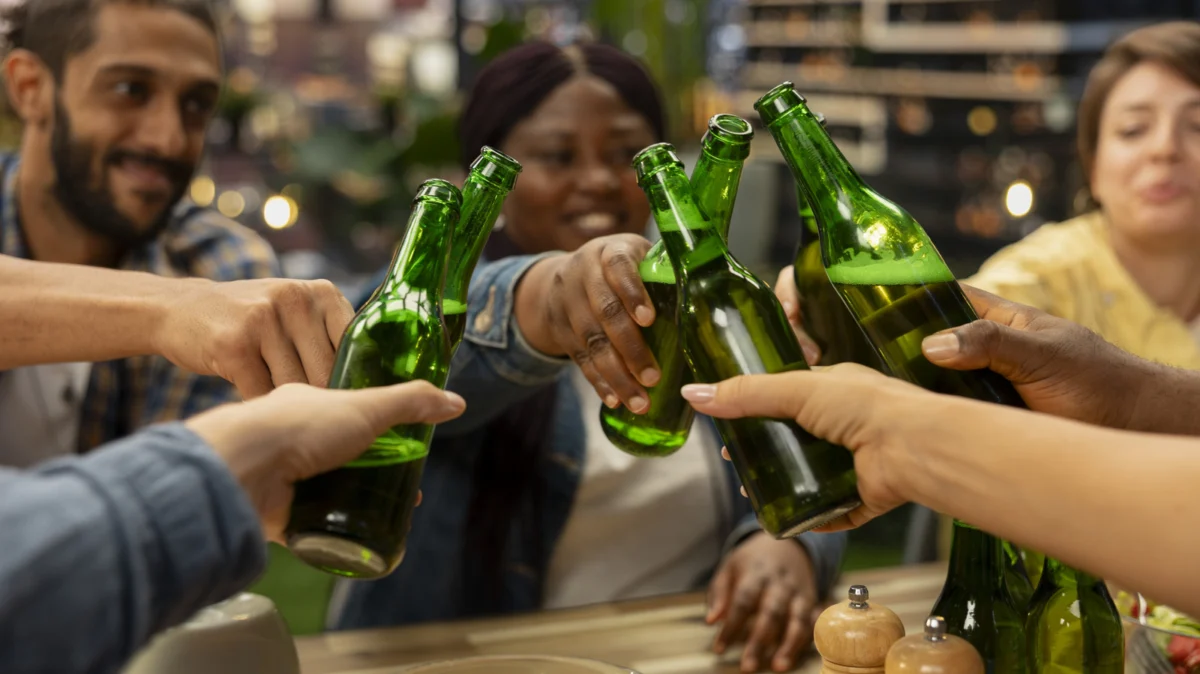
In the modern American beer landscape, the craft revolution has undoubtedly transformed our palates. However, amidst the surge of experimental IPAs and hyper-local nano-breweries, the classic, time-tested imported beer remains a cornerstone of the casual drinking experience. There is a persistent myth that quality imported beer requires a premium price tag, but a closer look at the shelves of local retailers proves otherwise. From the historic abbeys of Europe to the pristine waters of the Arctic Circle, world-class brewing traditions are surprisingly accessible.
This report explores twelve iconic international brews that consistently retail for under $15 per six-pack. Whether you are seeking a refreshing summer lager or a robust winter stout, these selections offer a window into global culture without requiring a passport or a deep bank account.
The Main Facts: Defining "Affordable Quality"
The selection process for this list was rigorous. We defined "affordable" as a six-pack price point of $15 or less, a threshold confirmed by surveying a diverse range of national retailers and delivery services. While regional taxes and distribution markups fluctuate, these twelve brands maintain a consistent value proposition.
Our criteria for inclusion went beyond mere pricing. We evaluated each beer based on its historical pedigree, its standing in its home country, and its reputation among beer enthusiasts. We sought to bridge the gap between "accessible" and "exceptional," ensuring that every recommendation offers a unique, authentic profile that stands as a testament to its country of origin.
A Chronology of Brewing Excellence
The history of these brands reads like a timeline of human industrial and cultural development.
- 15th Century Foundations: The roots of European brewing run deep. The Schöfferhofer brewery draws its name from Peter Schöffer, a colleague of Johannes Gutenberg, linking the evolution of the printing press with the evolution of the ale.
- The 19th Century Boom: This era marked the birth of the modern lager. Brands like Carlsberg (1847) and Heineken (1873) emerged during this period, revolutionized by a scientific approach to fermentation.
- The 21st Century Innovators: Not all great imports are centuries old. Icelandic brewer Einstök, founded in 2010, represents the modern craft movement, utilizing unique geography to create a distinct, contemporary profile that has rapidly gained international acclaim.
Supporting Data: The 12 Top Picks
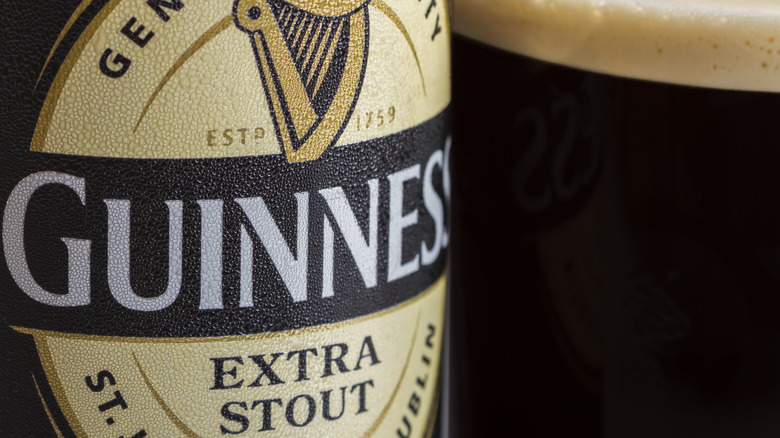
1. Guinness (Ireland)
The "Perfect Pour" is more than a slogan; it is a cultural institution. While enthusiasts argue that Guinness tastes superior in Ireland due to freshness and draft systems, the stateside canned and bottled versions—both the Extra Stout and the Draught—remain incredibly consistent. The Extra Stout retains a closer profile to the 19th-century original, offering a deeper, malt-forward intensity.
2. Hofbräu Oktoberfestbier (Germany)
Representing the crown jewel of Munich’s festivals, this beer offers a masterclass in balance. Since 1589, Hofbräu has catered to Bavarian royalty. Today, their Oktoberfestbier provides a rich, grain-forward experience that brings the communal spirit of the Munich tents directly to your home.
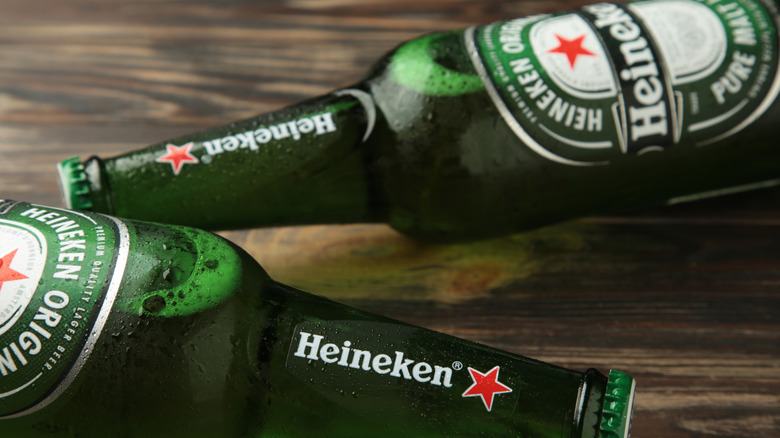
3. Heineken (Netherlands)
Often criticized for its ubiquity, Heineken’s historical importance is undeniable. Gerard Heineken was a pioneer in yeast science, effectively stabilizing the lager process. Today, the brand remains a standard-bearer for consistency, offering a crisp, clean profile that serves as the perfect baseline for social gatherings.
4. Leffe Blonde (Belgium)
Leffe occupies a unique space in the market. While its transition from monastery-brewed to commercial production (now under AB InBev) has drawn scrutiny, the flavor profile remains a high-quality example of a Belgian blonde ale. With notes of citrus and clove, it offers a sophisticated, creamy mouthfeel at a very approachable price.
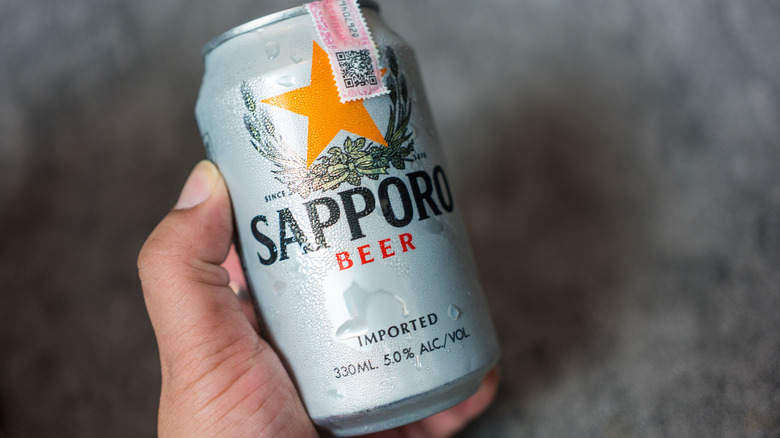
5. Sapporo (Japan)
Founded by Seibei Nakagawa after he defied travel restrictions to study German brewing, Sapporo is a triumph of cross-cultural adaptation. By strictly adhering to Bavarian purity laws, it achieved a level of carbonation and creaminess that revolutionized the Asian beer market in the United States.
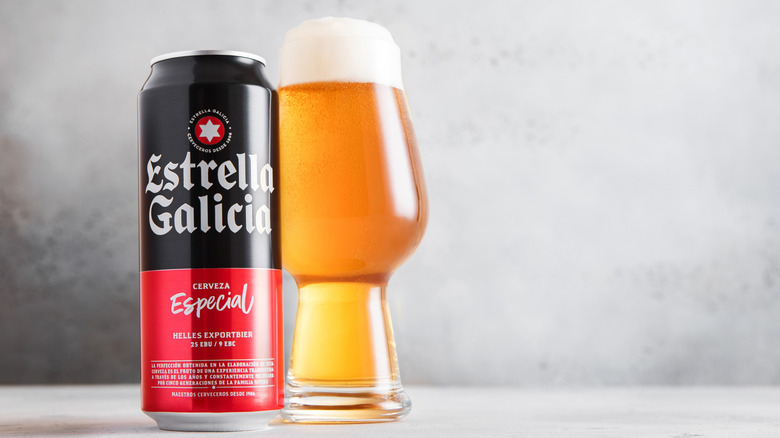
6. Estrella Galicia (Spain)
This brewery, family-owned since 1906, is a testament to the longevity of independent spirit. It is an "all-malt" lager that avoids the cloying sweetness of mass-market competitors. It is designed for the Mediterranean climate—mild, refreshing, and crisp.
7. Schöfferhofer Grapefruit (Germany)
A quintessential Radler, this 50/50 mix of wheat beer and grapefruit juice is the ultimate brunch beverage. While it leans into the sweeter side of the spectrum, its low-alcohol content and refreshing acidity make it a unique addition to any beer lover’s rotation.
8. Smithwick’s (Ireland)
A red ale with a history as complex as its flavor. Emerging from Kilkenny in 1710, the brand survived centuries of political and religious oppression. It sits at the perfect intersection of hop bitterness and malt sweetness, offering a caramel-rich experience that is quintessentially Irish.
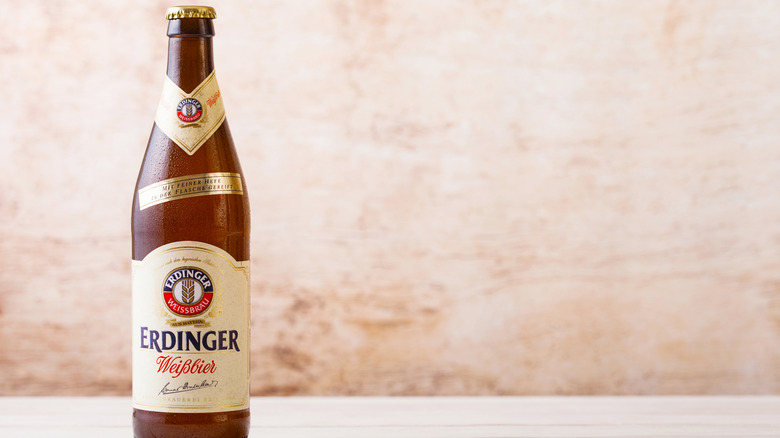
9. Erdinger Weissbier (Germany)
As the world’s largest wheat beer brewery, Erdinger is the gold standard for the style. Still brewed under 1516 purity laws, its Weissbier is fragrant, floral, and remarkably bubbly. It is a textbook example of how high-volume production does not necessarily compromise quality.
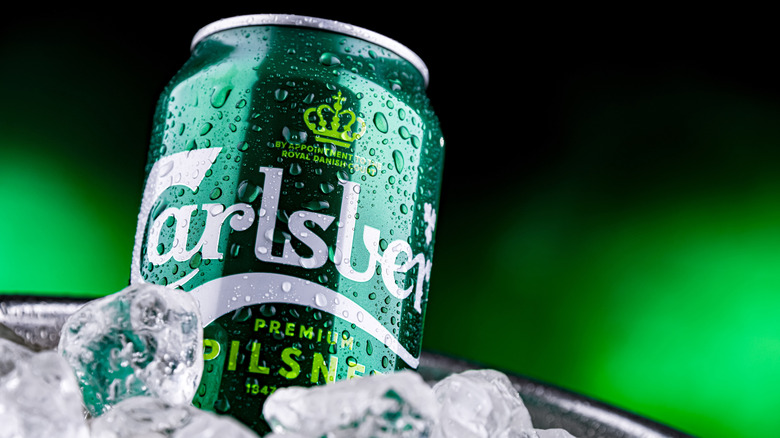
10. Carlsberg (Denmark)
Once marketed as "probably the best beer in the world," Carlsberg’s reputation is backed by genuine scientific contribution. The brand’s historical investment in yeast research and the development of the pH scale changed the industry forever. The modern iteration remains a reliable, uncomplicated pilsner.
11. Einstök (Iceland)
The most northern brewery on our list, Einstök uses pure Icelandic water to produce an array of styles, from Arctic Berry Ale to Doppelbock. Their slow, deliberate brewing process makes them a standout for those looking for something outside the traditional European "Old World" style.
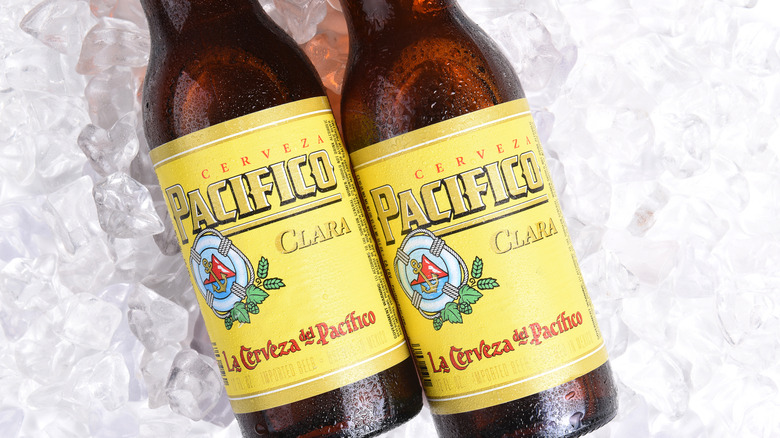
12. Pacifico Clara (Mexico)
Born at the start of the 20th century in Mazatlán, Pacifico has transitioned from a local beach favorite to an international staple. It offers a bright, pilsner-style profile with subtle notes of apple and cherry that elevate it above more common Mexican lager imports.
Implications: The Changing Market
The price stability of these imports has significant implications for the domestic craft beer industry. As craft breweries struggle with the rising costs of raw materials and distribution, these global giants leverage economies of scale to keep prices low. For the consumer, this creates a "best of both worlds" scenario: a market that supports both the innovative, expensive craft IPA and the high-quality, budget-friendly, historic import.
Furthermore, the longevity of these breweries—some dating back over 400 years—offers a lesson in sustainability. By focusing on consistency and traditional methods, these companies have outlasted empires, wars, and economic depressions, proving that quality, when coupled with efficiency, remains the most sustainable business model in the beverage industry.
Conclusion: A Global Selection for Every Budget
You do not need to spend upwards of $20 for a four-pack of artisanal beer to enjoy a high-quality experience. The global beer market is rich with historic, expertly crafted options that remain firmly within the $15-per-six-pack range. Whether you are reaching for the dark, roasted notes of a Guinness or the bright, refreshing snap of a Pacifico, these selections offer a link to global traditions. The next time you find yourself standing in the beer aisle, take a moment to look beyond the trendy labels and reach for one of these time-honored classics. Your palate—and your wallet—will thank you.
