


In a week defined by heightened volatility and geopolitical tension, the intersection of technological advancement and macroeconomic reality has created a complex landscape for investors and policymakers alike. From OpenAI’s internal warnings on AI safety to a critical crossroads for the Federal Reserve, the global economy is currently navigating a period of profound recalibration.
The AI Frontier: Caution Amidst Rapid Innovation
The high-stakes narrative of modern technology is currently centered on the balancing act being performed by industry titans. OpenAI CEO Sam Altman, in a wide-ranging conversation with Fortune’s Editor-in-Chief Alyson Shontell, has signaled a strategic shift in the narrative surrounding artificial intelligence. Altman candidly admitted that existing safety standards are currently insufficient to push AI capabilities significantly further, emphasizing that the industry has reached a point where the scientific ambition of frontier models must be tempered by a rigorous commitment to existential risk management.
This "safety-first" pivot comes at a time when the broader tech sector is grappling with the implications of the "Hugging Face incident" and the increasing calls from leadership across Silicon Valley to pause or slow down the training of next-generation models. While firms like Anthropic continue to signal fiscal growth—projecting profitability for a second consecutive quarter—the broader market sentiment is being dampened by the reality that the "move fast and break things" era of AI may be colliding with a necessary, albeit costly, period of structural regulation.
Chronology of a Global Market Selloff
The market reaction to these developments was swift and decisive. The week began with a global selloff, fueled by a perfect storm of negative catalysts:
- Early Week: Tech stocks across Asian markets tumbled following reports that prominent AI CEOs—including Sam Altman and Dario Amodei—are openly advocating for a coordinated slowdown in the development of frontier models.
- Mid-Week: Geopolitical instability in the Gulf region sent shockwaves through the energy sector. Following an attack on a shipping vessel in the Strait of Hormuz and the Houthi-led strike on a Saudi air base, the price of Brent crude surged to $107 per barrel.
- The Fed’s Dilemma: As inflation figures hit 3.4%—well above the Federal Reserve’s 2% target—the CME FedWatch tool indicated an 88.5% probability of a 0.25 percentage point interest rate hike. Traders have fully priced in this move, leading to a broader retreat from risk-on assets as the cost of capital continues to climb.
Supporting Data: Inflation, Energy, and the "Working Class" Shift
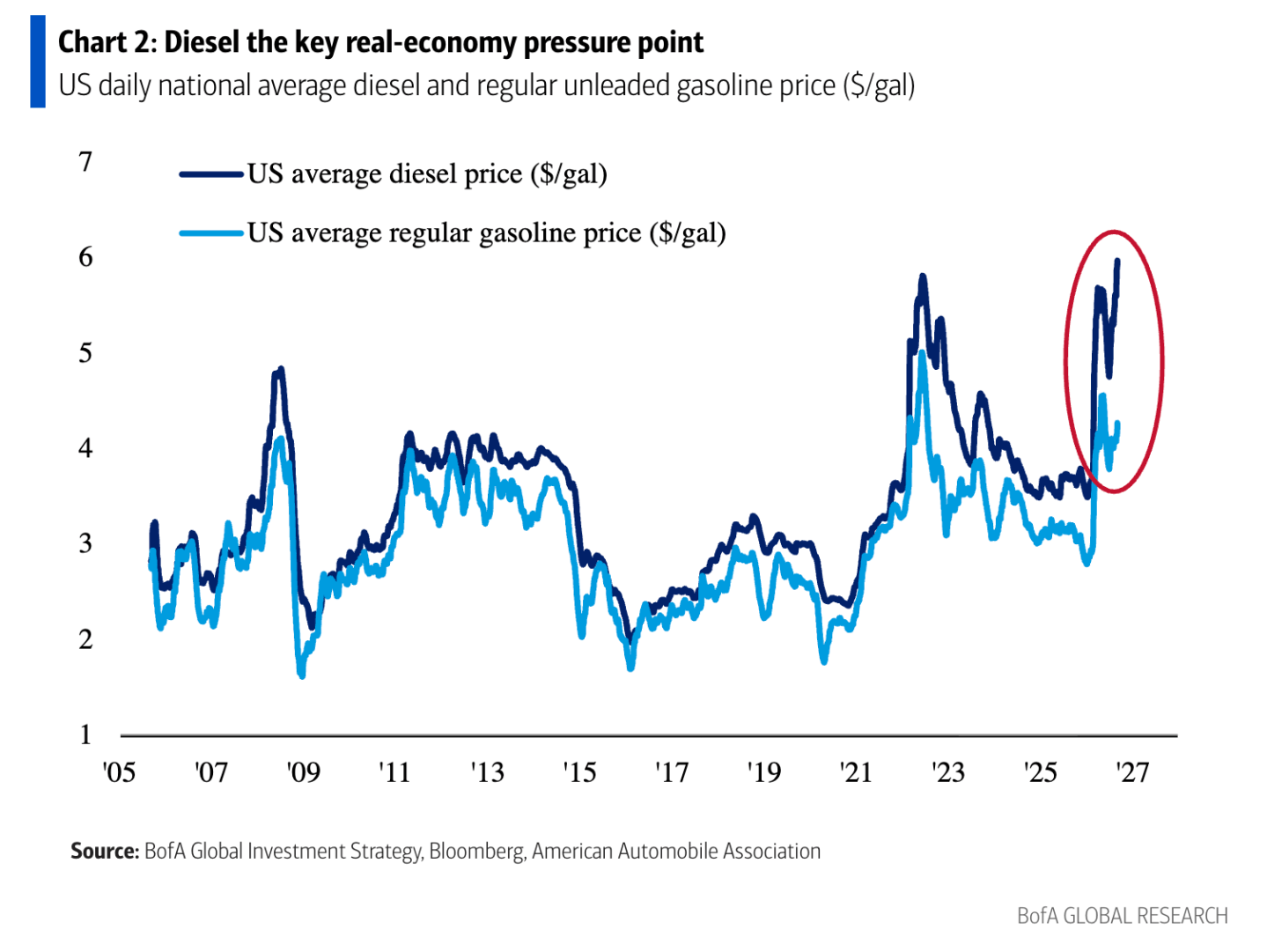
The current economic anxiety is rooted in more than just sentiment; it is anchored in hard data. The U.S. consumer price index (CPI) remains a persistent thorn in the side of the central bank. While diesel prices have hit an all-time high of $6 per gallon—a critical pressure point for the supply chain, agriculture, and mining sectors—there is a nuanced paradox in consumer spending.
According to research from J.P. Morgan Private Bank, gasoline accounts for roughly 2.5% of disposable income. While that figure is historically significant, it remains one of the lowest percentages in the past 65 years, which analysts argue is the primary reason the U.S. economy has shown unexpected resilience despite the doubling of pump prices.

However, the psychological impact of the "affordability crisis" is far-reaching. A recent study highlights that even Americans earning upwards of $155,000 annually are now identifying as "working class." This shift in self-perception, combined with the rising cost of living, suggests that the "wealth effect" typically associated with a strong stock market is being neutralized by the immediate pain of inflationary pressure.
Official Responses and Political Consequences
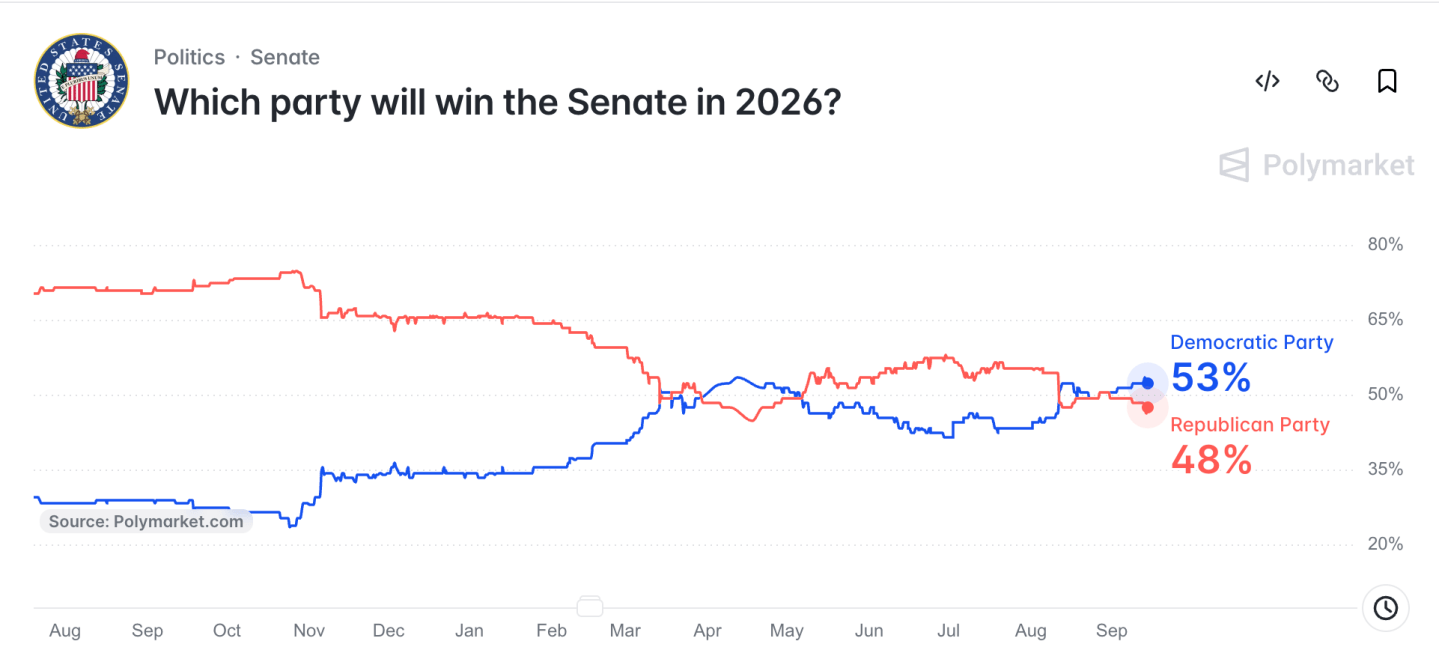
The political fallout from these economic indicators is becoming increasingly acute. As the midterm elections approach, the correlation between energy prices and party favorability has become a central focus for analysts. Deutsche Bank data suggests that as gas prices rise, the betting market’s confidence in a Republican sweep of the Senate has waned, with some platforms like Polymarket even shifting to favor Democratic outcomes in the upper chamber.
The pressure on Federal Reserve Chair Kevin Warsh is immense. With his credibility tied to his previous hawkish rhetoric on inflation, a failure to raise rates would invite accusations of political subservience to the White House. UBS analyst Paul Donovan warned that a failure to act would not only damage the Fed’s reputation but also necessitate a "risk premium" in bond pricing, effectively increasing borrowing costs for both the government and the private sector, which could stifle long-term growth.
Meanwhile, the executive branch finds itself in a precarious position. President Trump’s recent public urging for Ukraine to cease strikes on Russian oil refineries—an attempt to cool global energy prices—underscores the desperation to maintain price stability ahead of the midterms.
Implications for the Future: Workforce and Society
The rapid integration of AI is not merely a corporate or regulatory concern; it is fundamentally altering the fabric of the labor market. As universities struggle to update curricula to keep pace with AI-driven workforce demands, the emergence of "AI slop" books and automated content on marketplaces like Amazon is threatening the livelihoods of human authors.
This displacement is mirrored in the corporate sector, where companies like Amazon are reporting that the number of workers on food stamps has tripled despite record revenue, a stark indicator of the shrinking labor share in the modern economy.
The "Peeking" Phenomenon
Beyond the macro-economic shifts, societal habits are also undergoing a transformation. New data from Aalto University suggests that our understanding of digital addiction is flawed. While traditional "screen time" metrics focus on the duration of usage, the study found that it is "session sparseness"—the frequency of brief, repeated check-ins—that is the primary driver of cognitive overload and stress. For the modern worker, the implication is clear: it is not the depth of our digital engagement, but the constant fragmentation of our attention, that is fueling the current mental health crisis.
The Happiness Paradox
Finally, as we evaluate the state of the world, demographic trends offer a counter-intuitive insight. While the "World Happiness Report" typically notes that youth are the happiest demographic, the "Anglosphere" presents a stark exception: individuals over the age of 60 report higher life satisfaction than their younger counterparts. This suggests that the current era of high-tech uncertainty and economic volatility may be disproportionately affecting the younger generations, who are tasked with navigating the transition into an AI-defined labor market while grappling with the long-term consequences of current fiscal and environmental policies.
Conclusion
The path forward is defined by a series of difficult trade-offs. Whether it is the decision to pause AI development to ensure safety, the necessity of raising interest rates to protect institutional credibility, or the challenge of managing an economy where the cost of energy dictates the outcome of elections, the common thread is a loss of certainty. As we head into the final quarter of the year, the stability of both our financial markets and our social structures will depend on how successfully leaders can manage these competing, often conflicting, pressures.
