

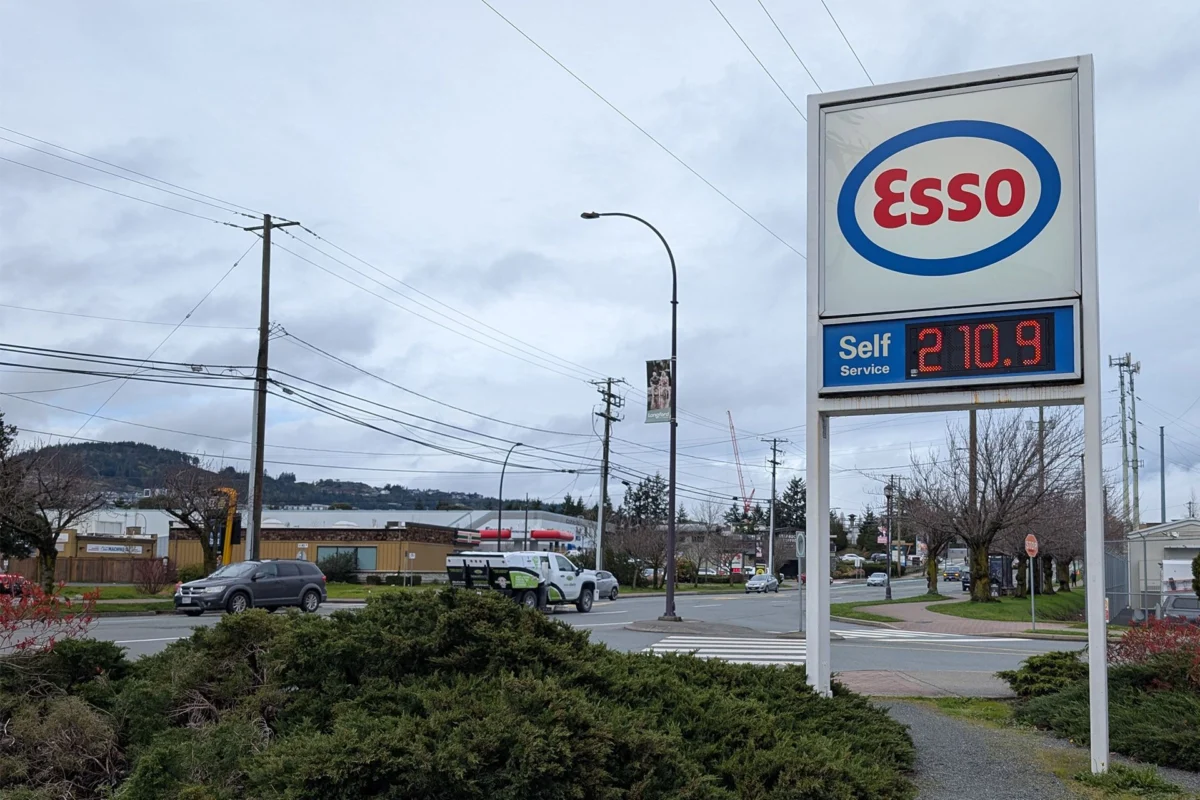
For the average Canadian motorist, the price displayed on gas station signage is more than just a number—it is a barometer of global stability and a significant line item in the household budget. As we navigate through 2026, the intersection of geopolitical tension in the Middle East, long-term energy projections from international bodies, and domestic fiscal policy has created a complex environment for fuel pricing. With experts forecasting potential short-term relief alongside structural shifts in the global oil market, drivers are finding themselves caught in a tug-of-war between international supply chain volatility and temporary federal tax relief.
Main Facts: A Window of Relief Amid Global Volatility
Patrick De Haan, the head of petroleum analysis at GasBuddy, has provided a cautious but optimistic outlook for Canadian drivers. According to his latest analysis, fuel prices could see a decline of as much as 10 cents per litre over the coming two-week period. This downward pressure is largely attributed to fluctuations in global oil markets influenced by potential de-escalation in regional conflicts.
However, De Haan emphasizes that this trend is fragile. "While there is always a possibility that geopolitical developments could provide some breathing room, there is no guarantee that peace in these regions will hold," he noted. Beyond the immediate political headlines, the market remains highly susceptible to external shocks. Severe weather events, particularly the onset of hurricane season in the Atlantic—which can shutter major refining hubs—remain a primary variable that could easily offset any gains made by improved supply chain stability.
Chronology of Market Disruptions and Policy Interventions
The narrative of 2026 fuel pricing is defined by a specific sequence of events that began with international insecurity and culminated in direct Canadian government intervention.
- Early 2026: Global oil markets faced significant pressure as geopolitical instability threatened the Strait of Hormuz, a critical maritime chokepoint.
- April 20, 2026: In a direct response to the economic strain caused by escalating energy costs, the federal government implemented a reduction in the federal gasoline and diesel tax. This measure was slated to remain in effect until September 7, 2026.
- May 2026: Public discourse reached a fever pitch as provincial surtaxes were scrutinized, leading to widespread polling by organizations like Angus Reid to gauge taxpayer sentiment regarding these levies.
- Present Day: The market continues to balance the residual effects of the April tax cuts against ongoing global supply concerns reported by the International Energy Agency (IEA).
Supporting Data: The Strategic Importance of the Strait of Hormuz
The volatility currently impacting Canadian gas prices is not merely a local issue; it is a symptom of global logistical dependence. According to the International Energy Agency (IEA), approximately 25% of all oil transported via sea passes through the Strait of Hormuz. This narrow waterway acts as the world’s most important oil chokepoint.
The IEA’s latest reports highlight the grave consequences of current disruptions, noting that mines placed by military entities within the Strait present a persistent threat to global supply. Clearing these obstructions is an essential, albeit dangerous, prerequisite for stabilizing global energy markets.
The IEA’s long-term forecast paints a picture of a market in transition. While they anticipate a decline in global oil demand by 1.1 million barrels per day (mb/d) in 2026 compared to 2025—largely driven by consumer reaction to high prices and ongoing supply chain friction—the supply side is projected to expand. The agency forecasts global supply to reach 102.4 mb/d in 2026, rising to 110.3 mb/d by 2027. If these projections hold, the resulting surplus could lead to a fundamental softening of oil prices, provided that geopolitical risks do not escalate further.
Official Responses and Domestic Fiscal Policy
The federal government’s decision to cut fuel taxes on April 20, 2026, represented a significant fiscal intervention. The reduction was calculated to lower costs by 10 cents per litre for gasoline and four cents per litre for diesel. While this move was intended to provide immediate relief to consumers, it also sparked a broader debate about the role of taxation in funding essential public services versus the immediate need for cost-of-living relief.
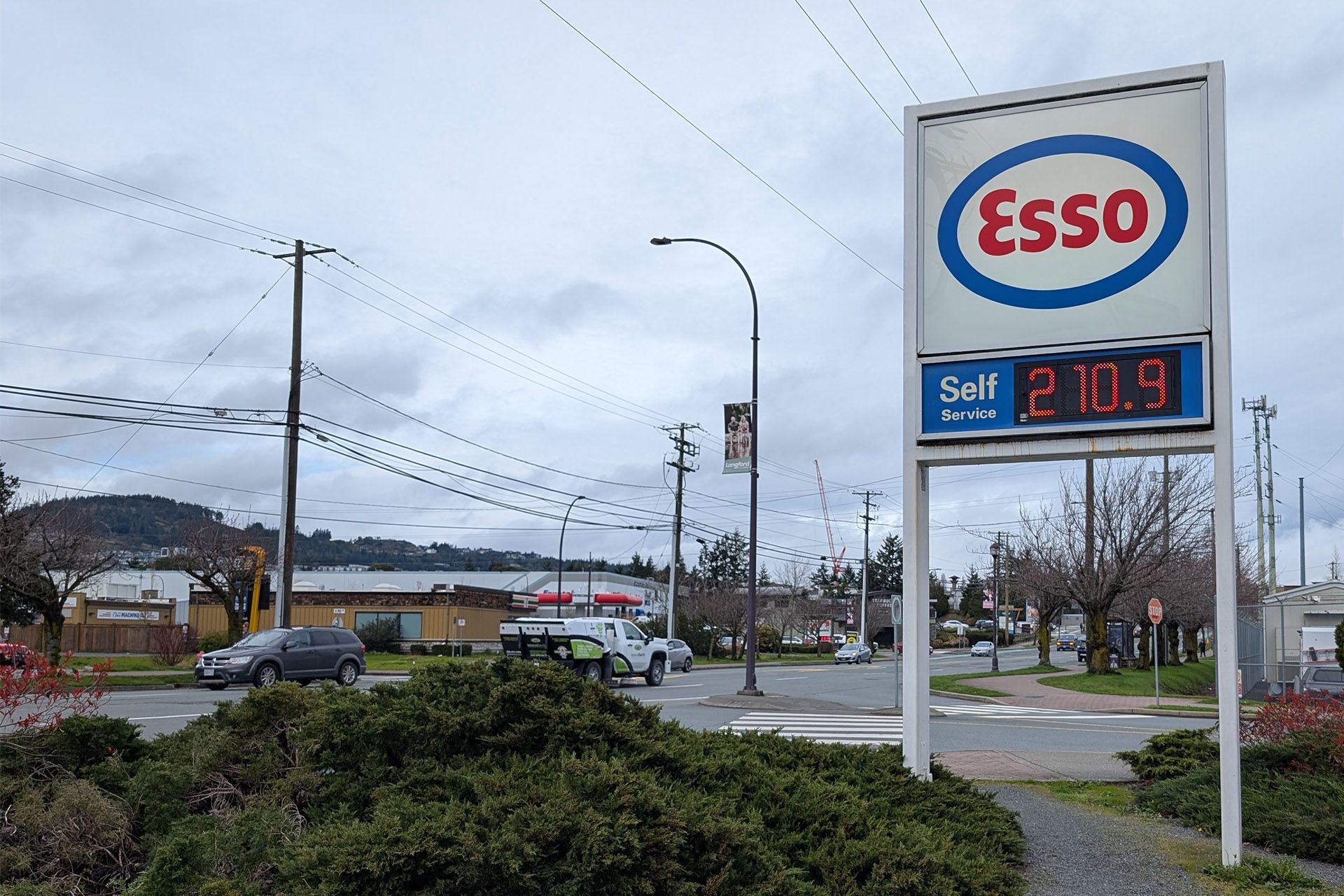
This policy has forced a national conversation regarding provincial fuel surtaxes. With some provinces maintaining their levies while others have explored temporary pauses or reductions, the landscape of fuel taxation in Canada has become increasingly fragmented.
Public Sentiment: The Angus Reid Survey
In May 2026, a comprehensive survey released by Angus Reid shed light on the deep ideological divide regarding fuel taxes among Canadians. The data reveals a country split by geography and economic priorities:
- The Pro-Relief Majority: Overall, 55% of respondents expressed a desire for some form of tax relief, whether through a temporary pause or a permanent reduction.
- The Fiscal Conservative/Institutional View: 35% of respondents argued that fuel taxes should remain in place, citing the necessity of these funds for maintaining public services and infrastructure.
- The Minimalist Faction: 20% of those surveyed supported the complete elimination of gas taxes, even if it meant a significant reduction in government programming.
Regional disparities were stark. In Quebec, support for maintaining the tax was at its highest, with 45% of residents favoring the status quo. Conversely, Alberta showed the strongest opposition to current tax structures, with 61% of residents in favor of a tax pause, reduction, or total elimination. These findings suggest that the federal government is navigating a political minefield where any change to energy taxation carries significant electoral weight.
Implications: What Lies Ahead for the Canadian Driver?
For the Canadian motorist, the next few months will be characterized by continued uncertainty. While the temporary federal tax reduction provides a buffer, the expiration date of September 7, 2026, looms large. If global oil markets fail to stabilize by that time, consumers could face a "double hit" of returning taxes and potential price spikes if supply chains remain constrained.
The transition toward lower global oil prices predicted by the IEA for 2027 offers a glimmer of hope, but it assumes a level of global cooperation that is currently lacking. Drivers should prepare for a period of sustained, though perhaps less extreme, price volatility.
Strategic Considerations for Consumers
- Monitor Geopolitical Developments: Keep an eye on reports regarding the Strait of Hormuz. Any news regarding the removal of naval mines or diplomatic breakthroughs in the region is a direct indicator of potential price drops.
- Weather Preparedness: As hurricane season approaches, expect potential localized spikes in gas prices if refineries in the Gulf of Mexico are forced to temporarily cease operations.
- Provincial Policy Awareness: Given the regional differences in fuel taxation, those living near provincial borders may find that minor differences in local surtaxes significantly impact their weekly fuel expenditures.
Ultimately, the price at the pump is currently the result of a complex interplay between international security and domestic economic policy. While experts like Patrick De Haan provide a valuable look at the short-term horizon, the long-term reality is that the Canadian fuel market will remain tethered to the stability of global shipping routes and the evolving energy policies of the federal and provincial governments. As the September tax-cut deadline approaches, the pressure on policymakers to either extend these measures or find alternative solutions to manage the cost of living will likely only intensify.
Jil McIntosh is a veteran automotive journalist with over 35 years of experience. As a member of the Automobile Journalists Association of Canada (AJAC) and a former juror for the Women’s World Car of the Year Awards, she provides in-depth analysis on automotive technology, history, and industry news. For the latest updates on vehicle shopping, car culture, and market trends, subscribe to our "Blind-Spot Monitor" newsletter and follow our channels on X, TikTok, and LinkedIn.
