


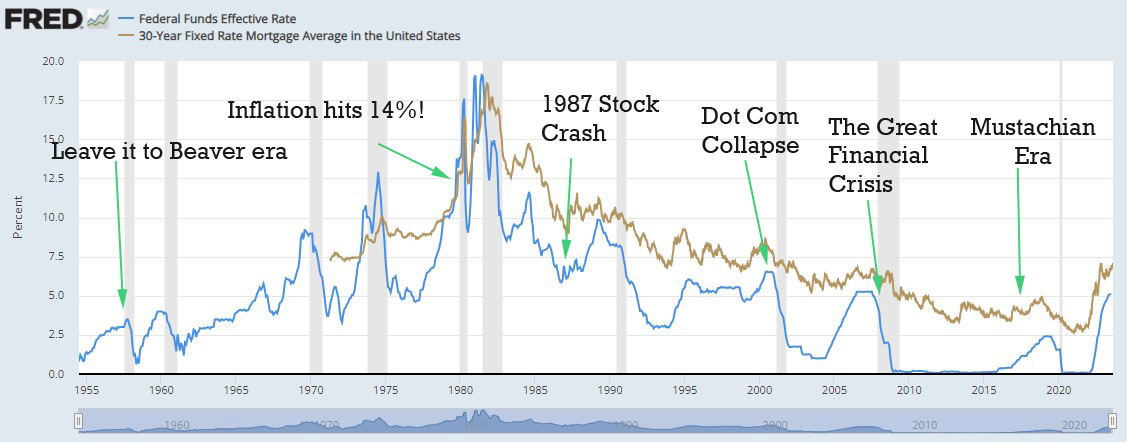
For over a decade, the global financial system operated under a singular, predictable paradigm: the era of "free money." From 2009 through 2021, central banks—led by the U.S. Federal Reserve—maintained interest rates at near-zero levels. This policy served as a potent, long-running stimulant designed to revive an economy crippled by the Great Recession. However, the world has shifted. The comfortable complacency of that era has been shattered, replaced by a volatile environment of 20-year interest rate highs.
As we navigate this "new normal," the question on every investor’s mind is no longer "What is the Fed doing?" but rather, "How should I adapt?"

The Mechanics of the Shift: Why Are Rates Rising?
To understand the current climate, one must view interest rates as the primary "gas pedal" of the economy. When Federal Reserve Chairman Jerome Powell and his board keep rates near zero, they are essentially providing a high-octane fuel to the financial system. This era of cheap credit allowed businesses to expand, entrepreneurs to launch startups with low-cost venture capital, and homebuyers to secure mortgages at historically low costs.
This liquidity drove a massive expansion in prosperity. However, the system eventually encountered the limits of this growth. When too much capital chases too few goods—a phenomenon exacerbated by pandemic-era supply chain disruptions—the result is inflation. To prevent the economy from overheating, the Fed was forced to take its foot off the gas and, eventually, slam on the brakes. By raising interest rates, the Fed makes borrowing more expensive, which cools down consumer spending, corporate expansion, and housing demand.
A Chronology of the Interest Rate Pivot
The transition from a low-rate environment to the current restrictive monetary policy did not happen overnight, though it feels sudden in historical context.
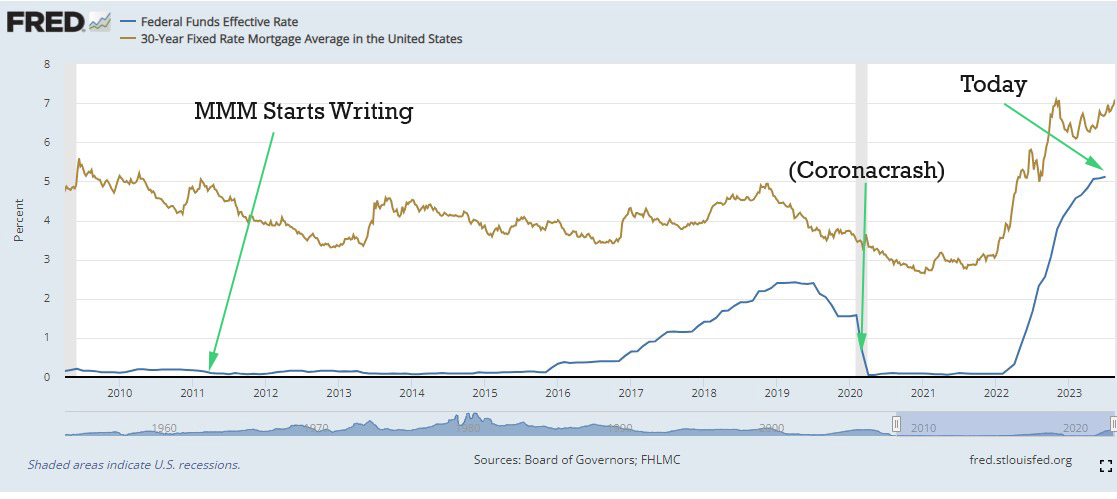
- 2009–2021 (The Great Stagnation): Following the 2008 financial crisis, the Federal Reserve pushed the federal funds rate to a target range of 0% to 0.25%. This "Easy Money" era fueled a bull market in equities and a steady rise in real estate valuations.
- Early 2022 (The Inflation Wake-up Call): As the post-pandemic recovery triggered runaway inflation, the Fed began a series of aggressive rate hikes, moving from near-zero to over 5% in a record-setting timeframe.
- 2023 (The Adjustment Period): This year has been defined by the economic "hangovers" of these hikes: cooling corporate hiring, significant layoffs in the tech sector, and the emergence of regional banking instability, such as the failure of Silicon Valley Bank.
- Present Day: We have entered a phase of stabilization where the market is no longer reacting to the change in rates, but rather attempting to price in the duration of these higher costs.
Supporting Data: The Anatomy of a High-Rate Economy
The data paints a complex picture of a resilient yet cautious economy. While media outlets often frame the current situation as a disaster, unemployment rates remain near 50-year lows, and GDP growth has remained surprisingly positive.

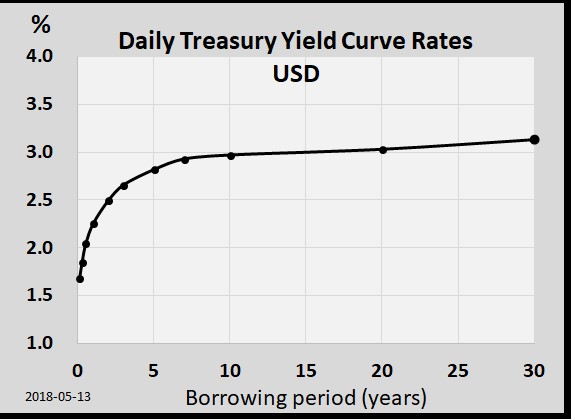
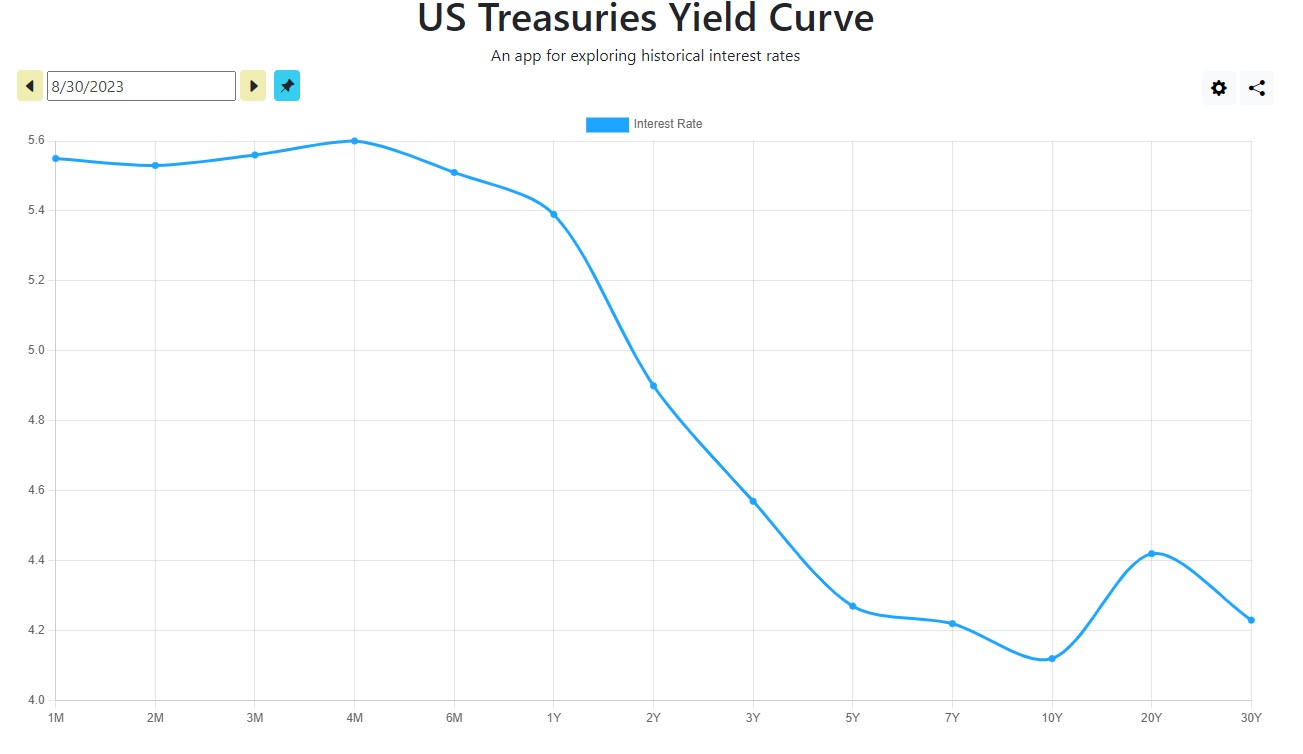
However, the "yield curve"—a primary indicator used by economists—has been flashing warning signs. An inverted yield curve occurs when short-term interest rates are higher than long-term rates. Currently, the market is offering higher returns for locking money away for a year (roughly 5.4%) than for ten years (roughly 4%). Historically, this inversion has been a reliable harbinger of a recession, as investors bet that the Fed will be forced to cut rates in the near future to stimulate a slowing economy.
Implications for the Individual Investor
The burning question remains: "What should I do?" The response from seasoned financial analysts is consistent: avoid reactionary panic.

The Equity Market Myth
There is a persistent temptation to pull money out of the stock market when volatility increases. However, history dictates that the market trends upward over the long term. Attempting to "time" the market by dancing in and out of positions is a losing game for most retail investors. In fact, current market valuations, which have hovered in a state of flux or slight decline, represent a "sale" compared to the peak prices of 2021. For the long-term investor, lower prices are an opportunity to accumulate more shares of index funds.
The Cash vs. Stock Dilemma
For years, keeping money in a savings account was a losing proposition, as returns were negligible. With high-yield savings accounts and money market funds now offering returns in the 4% to 5% range, the math has changed. While these accounts offer stability and guaranteed returns, they rarely outpace the long-term historical average of equity market returns. A balanced strategy involves maintaining an emergency fund in these high-interest vehicles while continuing to deploy capital into the market, taking advantage of the "discount" currently offered on stocks.
The Housing Market: A New Reality
For the average citizen, the most tangible impact of the interest rate reset is the housing market. Financing a home today is significantly more expensive than it was just two years ago.
Consider a prospective buyer with a 10% down payment. At a 3% mortgage rate, the monthly payment is manageable for a wide range of income earners. At 7.5%, the same loan amount results in a monthly payment that is often hundreds, if not thousands, of dollars higher.
The Supply/Demand Stalemate
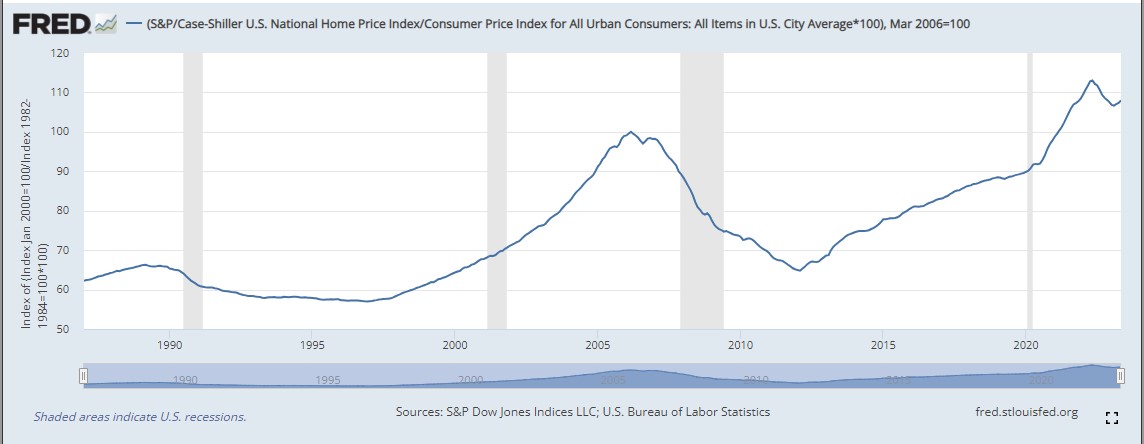
The housing market is currently experiencing a "lock-in" effect. Homeowners who secured 3% mortgages are loath to sell their homes, as doing so would require them to take out a new mortgage at 7% or higher. This restricts the supply of homes on the market, keeping prices artificially elevated despite high interest rates.
The Path Toward Affordability
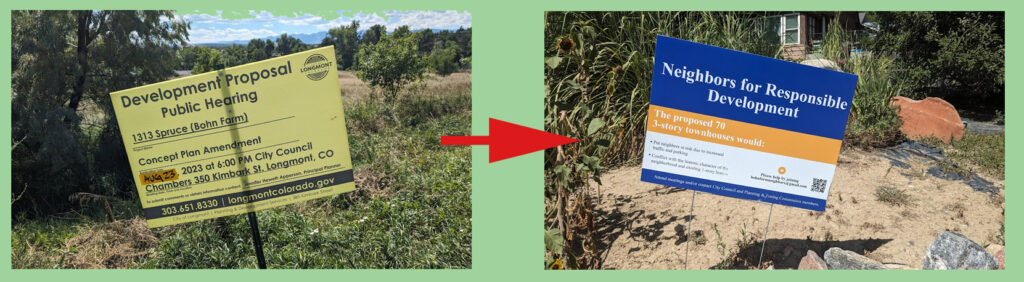
For prices to fall, we need to see one of two things: a significant increase in inventory or a sustained period of stagnant prices that allows inflation and wage growth to "catch up" to home values. While some markets may see corrections of 10% to 25%, a crash is not guaranteed. Construction costs, driven by technological efficiencies, continue to improve, but this is often offset by the "bullshit factor"—the increasing layers of zoning regulations, red tape, and NIMBY (Not In My Backyard) opposition that prevent new, affordable housing from being built.
Official Responses and Future Outlook
The Federal Reserve remains in a delicate balancing act. Their primary mandate is to maintain price stability while fostering maximum employment. If they keep rates too high for too long, they risk triggering a deep recession. If they lower them too early, they risk a resurgence of inflation.
Official rhetoric from the Fed suggests a "higher for longer" approach, signaling to the market that they are not yet ready to pivot. However, the bond market’s inverted yield curve suggests that institutional investors expect a shift within the next 18 to 24 months.
Conclusion: Strategy Over Stress
The most significant "hack" for navigating this economic cycle is to remove oneself from the cycle of debt. Those who have built their financial independence on the foundation of being debt-free—owning their home, their car, and their time—are insulated from the fluctuations of interest rates.
When you have liquidity, you don’t need to worry about the cost of borrowing. You are positioned to act when the market presents an opportunity, rather than being forced to act because of necessity.
In summary: Ignore the alarmist headlines. Maintain a lean, efficient lifestyle. Invest consistently regardless of market conditions. If you focus on your earning potential, your savings rate, and your own personal goals, the macro-economic "ripples" of interest rates will cease to be a source of anxiety and will simply become part of the financial backdrop of a long, successful life.
