

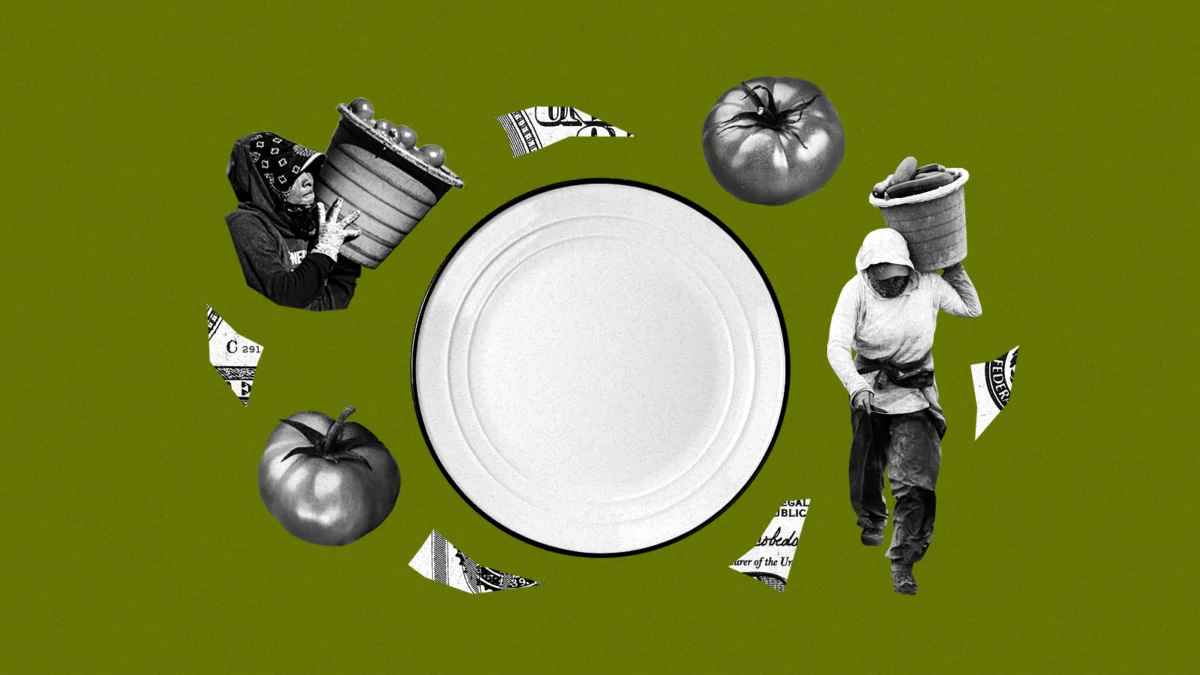
In the bustling grid of New York City, the rhythm of daily life is maintained by a fleet of silent, swift, and often invisible workers. They are the deliveristas—the army of couriers navigating treacherous traffic, extreme weather, and the physical toll of a gig economy to deliver groceries and takeout to doorsteps. Yet, for many of these workers, the very system that relies on their labor offers them neither safety nor dignity. Many of these individuals are Indigenous people from Guatemala and Mexico, having fled their ancestral homes to escape the dual threats of systemic violence and the encroaching catastrophe of climate change.
They are the front-line workers of a global food system that is fundamentally broken. A landmark report released this week by the International Panel of Experts on Sustainable Food Systems (IPES-Food) reveals that the exploitation of the 1.4 billion people who grow, process, distribute, and deliver our food is not an anomaly—it is a design feature. From the soil of the Global South to the asphalt of American metropolises, the labor that sustains humanity is increasingly characterized by precarity, poverty, and profound injustice.
The Roots of Exploitation: A Historical Trajectory
The exploitation of food workers is not a modern invention; it is a continuation of historical cycles of dispossession. The IPES-Food report underscores that the forces driving today’s labor crisis are deeply rooted in centuries of colonialism, land theft, and racialized labor hierarchies.
For many Indigenous communities, the path to the gig economy begins with the erosion of traditional livelihoods. As industrial agriculture consumes ancestral lands and climate change renders subsistence farming impossible, families are forced into a cycle of migration and displacement. Once disconnected from their land, these workers find themselves in a global labor market that views their expertise—such as ancestral knowledge of drought-resistant crops and plant-based medicine—as “unskilled.” By dismissing this generational wisdom, corporations justify wages that hover well below the poverty line.
Raj Patel, a professor at the University of Texas at Austin and a contributing expert to the report, notes the stark reality of the American context. “Here we are in the United States, a country that’s founded on stealing land and the import of enslaved people to make agricultural labor possible and cheap,” Patel explains. “The legacy of that is still with us.”
Chronology of a Crisis: From the Field to the Digital App
The erosion of worker rights has tracked alongside the rapid expansion of the global food supply chain over the last half-century.
- The Era of Industrial Consolidation (1980s–2000s): As the global food system consolidated under the control of a handful of multinational corporations, the pressure to reduce costs at the source intensified. This period saw a shift toward subcontracting, which effectively distanced corporations from the direct welfare of the laborers working in their supply chains.
- The Rise of the Gig Economy (2010s): With the advent of smartphone-based delivery apps, the "informalization" of work reached a new zenith. Companies labeled workers as independent contractors, stripping them of traditional protections like health insurance, worker’s compensation, and the right to collective bargaining.
- The Climate-Pandemic Nexus (2020–Present): The COVID-19 pandemic laid bare the "essential" nature of food workers, yet they remained largely excluded from the public accolades given to other sectors. Simultaneously, climate change has created a "new normal" for these workers, who are now forced to operate during record-breaking heatwaves, wildfire smoke, and extreme flooding.
Supporting Data: The Scale of Global Injustice
The data provided by IPES-Food paints a harrowing portrait of the global food labor force. The statistics demonstrate a systemic failure to provide basic human rights:
- Informal Employment: Between 60 and 80 percent of all food system workers are informally employed—the highest percentage of any industry in the world.
- The Wage Gap: Informal food workers earn, on average, half of what those in conventional employment receive.
- The Poverty Trap: Over 400 million people—roughly 30 percent of the total food system workforce—earn less than a living wage, effectively subsidizing the low costs of global food prices with their own hunger and health.
- Forced Labor: An estimated 2.1 million people in the agricultural sector currently operate under conditions of forced labor.
- The Migrant Risk: Migrant workers, who represent approximately 25 percent of the global agricultural workforce, are three times more likely to face forced labor conditions and significantly higher mortality rates while on the job than their domestic counterparts.
Voices from the Frontlines: Official Responses and Advocacy
The human cost of these numbers is best understood through the experiences of those living them. Ligia Guallpa, co-founder and executive director of the Worker’s Justice Project and Los Deliveristas Unidos, highlights the paradox of the deliverista experience.
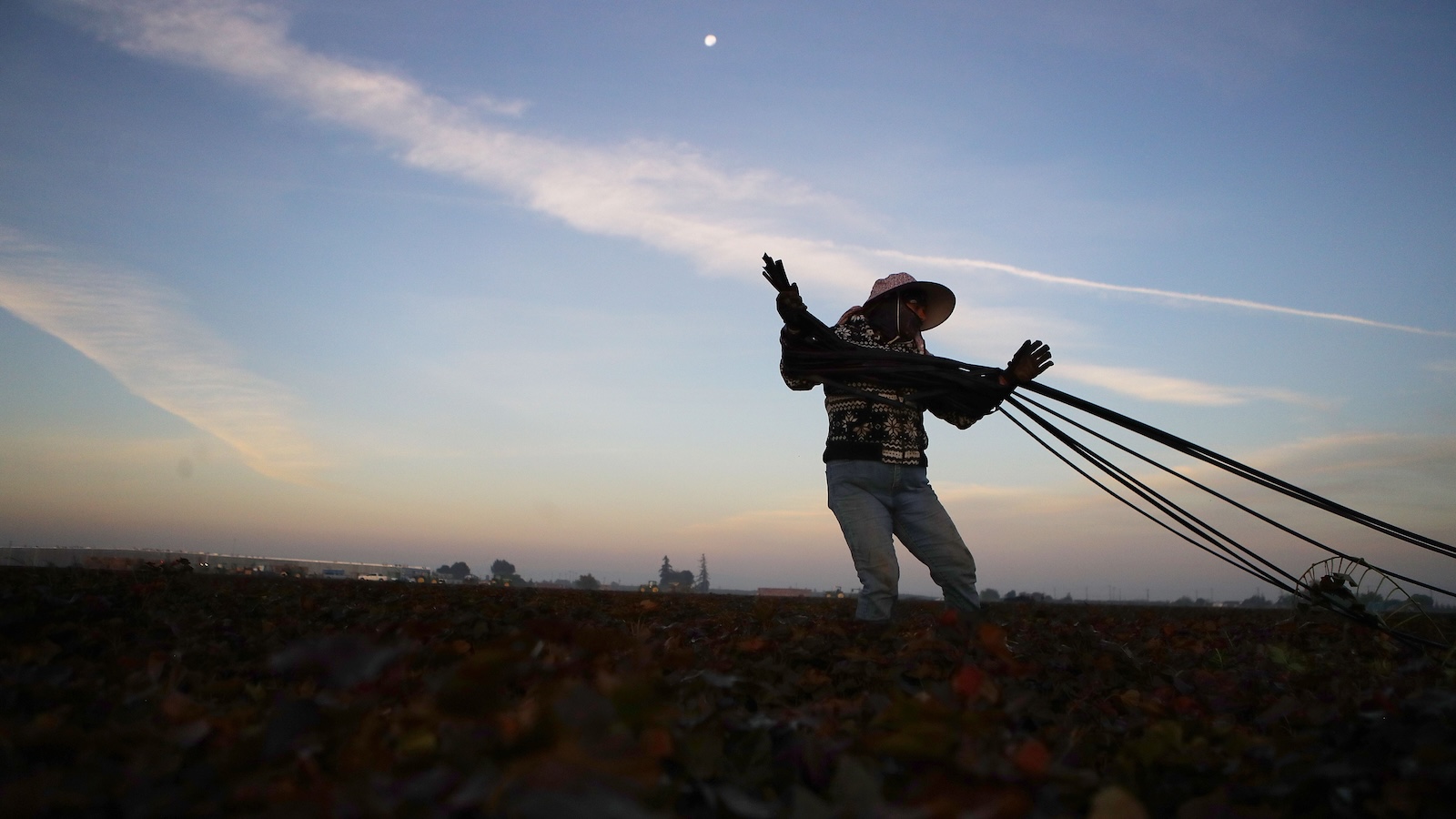
“When the city is hit with massive snowstorms, flooding, or the recent smoke fires, many deliveristas are the ones on the front lines,” Guallpa says. “They are responding to the climate crisis to take care of New Yorkers, but the reality is that often they cannot even take care of themselves.”
This lack of protection is not limited to the United States. Teresa Chemosop, an Ogiek leader from Mount Elgon, Kenya, describes the dehumanization faced by Indigenous workers in agricultural sectors globally. Chemosop points to instances of severe verbal abuse and the denial of basic dignity, such as being treated as sub-human and forced to work under conditions that disregard cultural and personal hygiene needs. These abuses, she argues, are the logical conclusion of a system that views Indigenous people as replaceable, low-cost inputs rather than human beings.
The Implications: A False Choice
Perhaps the most significant finding of the IPES-Food report is the refutation of the "affordability myth." For years, corporations and policymakers have argued that increasing wages and improving safety standards for workers would necessitate a spike in food prices, thereby hurting consumers. The report labels this a "false choice."
It argues that the current system is not built for efficiency or consumer benefit, but for the concentration of corporate wealth. By reining in corporate power and ensuring fair pay, the system could be stabilized without forcing the burden onto the end consumer.
The implications for the future are clear: climate change is not a temporary hurdle; it is a permanent feature of our landscape. If the global food system does not adapt by prioritizing human rights, the resulting instability—driven by worker strikes, labor shortages, and humanitarian crises—will inevitably lead to the very price volatility that policymakers claim to fear.
A Path Toward Restoration
While the situation is dire, it is not hopeless. The report calls for a systemic overhaul:
- Formal Recognition: The skills of Indigenous and intergenerational agricultural workers must be formally recognized and valued to prevent the "unskilled" narrative from justifying poverty wages.
- Worker Power: As seen in New York City, where Los Deliveristas Unidos has successfully organized, built mutual aid networks, and won minimum wage protections, worker-led organizing is the most effective path to change.
- Regulatory Reform: Governments must move to close the loopholes that allow gig-economy corporations to misclassify employees, ensuring that "independent contractors" are afforded the same safety nets as traditional workers.
- Equal Rights for Migrants: The legal systems that make migrants vulnerable to exploitation must be dismantled, replacing exclusionary policies with protections that guarantee health, safety, and due process for every worker, regardless of citizenship status.
As Raj Patel summarizes, the choices currently being made are a matter of political will, not economic necessity. “We can manage all of this, and we will have to manage all of this because climate change isn’t getting better,” Patel asserts. “But we have choices about protecting workers, and we’re choosing not to do any of those things.”
In New York, the deliveristas have proven that even the most powerful, multi-billion-dollar corporations can be held to account. Their struggle is a microcosm of a larger fight—one that spans continents and centuries—to reclaim the dignity of the people who feed the world. As the climate shifts and the pressures on our food system intensify, the "invisibilized" workers who keep our cities running may well become the architects of the next, more equitable food movement. The question remains whether the world is prepared to listen.
