

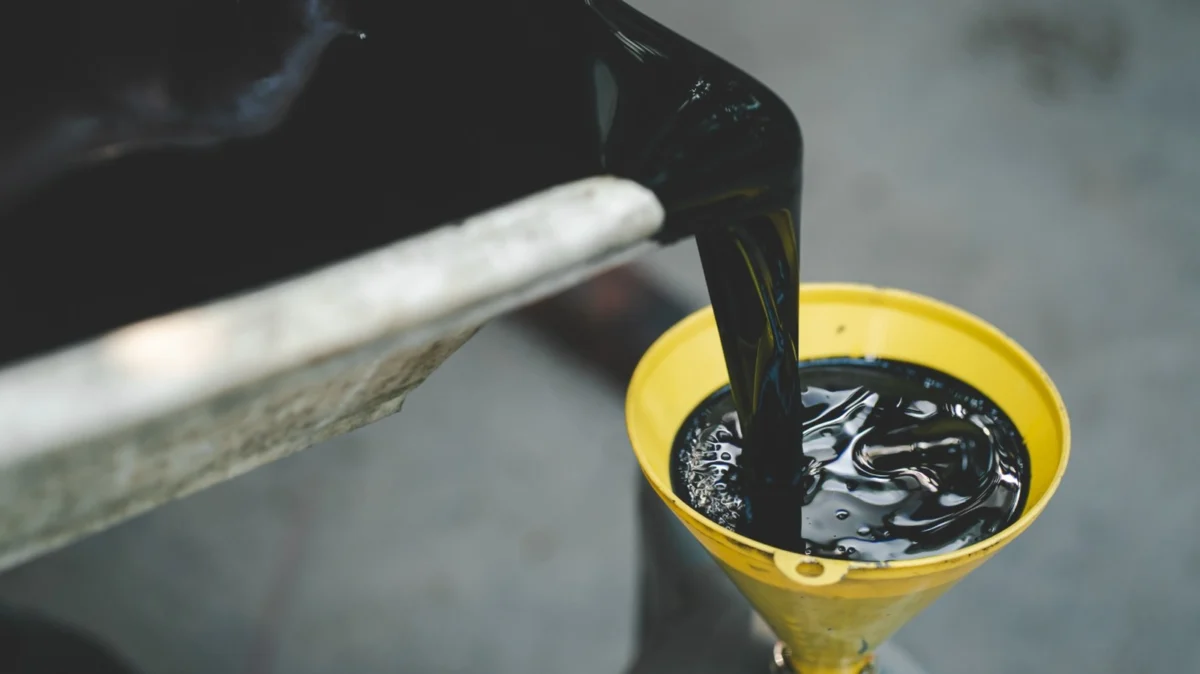
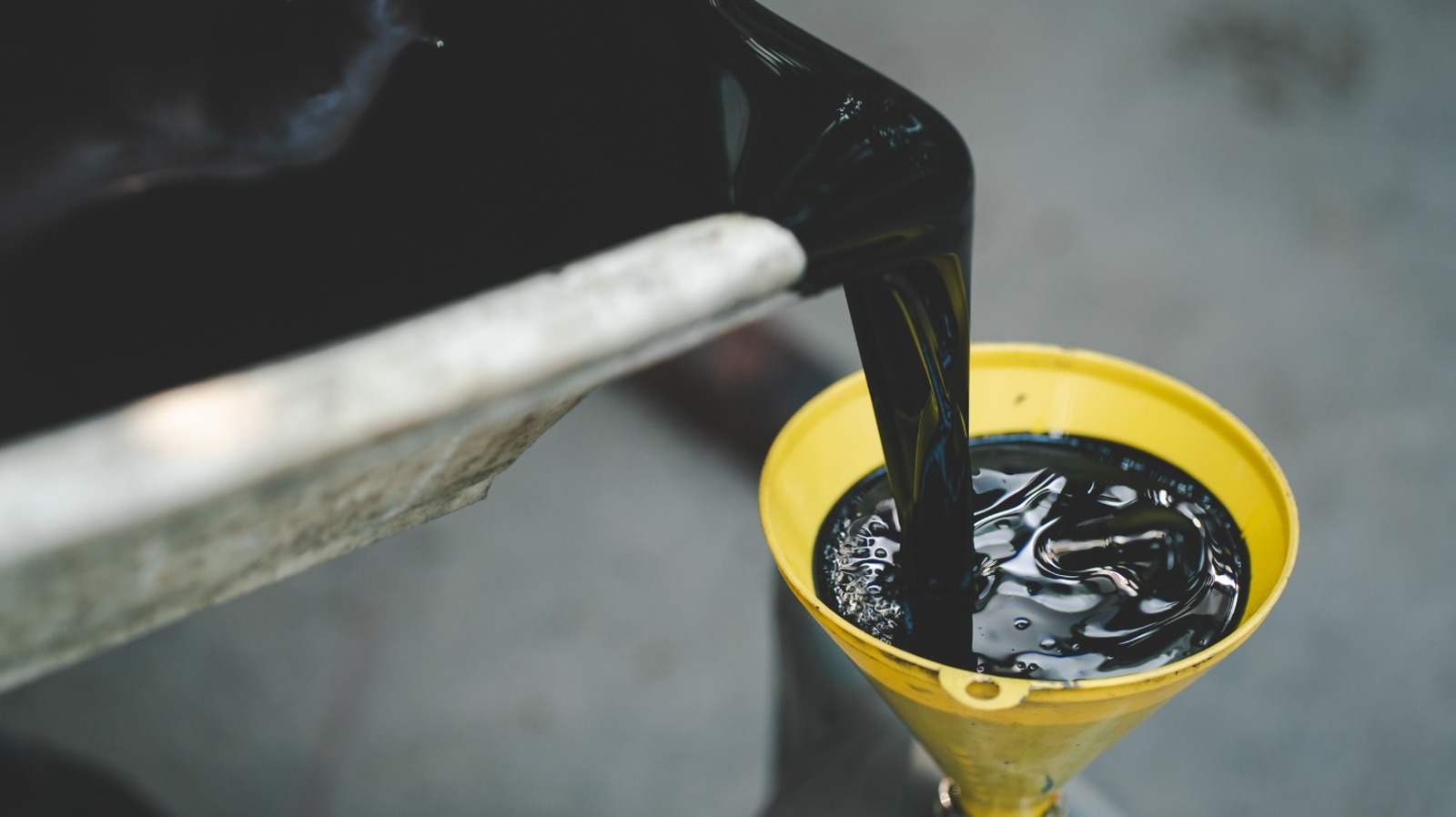
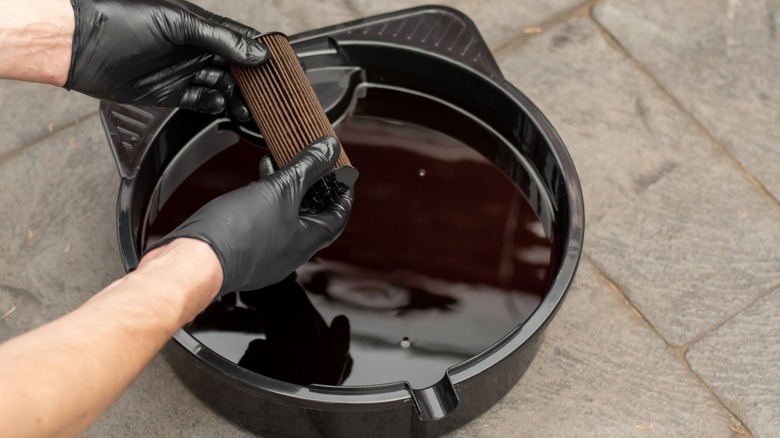
Every time a vehicle owner performs a DIY oil change or visits a service center for routine maintenance, they are participating in a massive, global industrial cycle. Once the golden, viscous liquid is poured into an engine, its life begins as a high-performance lubricant. But as miles accumulate, that oil undergoes a transformation—it turns black, thickens with contaminants, and is eventually drained, marking the end of its first life.
For decades, the public has been told that "oil doesn’t wear out; it just gets dirty." While this adage is a simplification of complex chemistry, it holds a fundamental truth that has sparked a quiet revolution in the petrochemical industry. Today, used motor oil is no longer viewed merely as a hazardous waste product to be disposed of; it is increasingly recognized as a valuable, high-grade feedstock for a sustainable circular economy.
Main Facts: The Sustainability of Re-Refining
At its core, the re-refining process is a triumph of modern engineering. When used oil is collected, it contains a cocktail of impurities: metal shavings from engine wear, water, dirt, chemical additives, and oxidized hydrocarbon molecules. While these contaminants render the oil unfit for engine lubrication, the base hydrocarbon molecules remain structurally intact.
The industry standard for "re-refining" involves stripping away these impurities to recover the base oil, which is then re-fortified with a fresh package of high-performance additives. According to the U.S. Environmental Protection Agency (EPA), re-refined oil is chemically indistinguishable from virgin oil. It meets the same stringent API (American Petroleum Institute) specifications for viscosity, thermal stability, and engine protection.
The most compelling argument for re-refining lies in efficiency. It takes approximately 42 gallons of crude oil to produce 2.5 quarts of high-quality lubricating base oil. In stark contrast, it takes only one gallon of used motor oil to produce that same 2.5 quarts of high-grade lubricant. This massive disparity in energy and resource requirements underscores why the EPA explicitly lists re-refining as its preferred method for managing used oil.
Chronology: From Drain Pan to Re-Refinery
The journey of a gallon of used oil is a highly regulated and systematic process. Understanding this lifecycle is essential for grasping the scale of the operation.
- Collection: The lifecycle begins at the collection point—the auto parts store, the quick-lube shop, or the municipal recycling center. Here, the oil is stored in specialized, leak-proof containers to prevent environmental contamination.
- Aggregation: Independent waste management companies collect the oil from these thousands of dispersed locations and transport it to consolidation centers.
- Initial Screening: Upon arrival at a facility like the Safety-Kleen Fallon Refinery, the oil undergoes rigorous testing. Chemists screen for PCBs, halogenated solvents, and other hazardous chemicals that could compromise the refining process or release toxic gases during heating.
- Dehydration and Fuel Stripping: The raw used oil is heated to evaporate water. Subsequently, lighter hydrocarbons (gasolines and glycols) are separated. These are often diverted into industrial heating fuels, ensuring that even the "impurities" find a productive second life.
- Vacuum Distillation: This is the heart of the operation. By subjecting the oil to a vacuum, the refiner can boil off the pure base oil at lower temperatures, leaving behind the heavy metals and thick sludge, which are often repurposed for asphalt production.
- Hydrotreating: The final "polishing" step involves using hydrogen at high temperatures and pressures to remove sulfur, nitrogen, and any remaining metallic traces.
- Blending: The resulting base oil is crystal clear. It is then mixed with a new proprietary blend of detergents, dispersants, and viscosity modifiers, effectively becoming a brand-new bottle of motor oil ready to hit the retail shelf.
Supporting Data: Efficiency and Environmental Impact
The economic and environmental benefits of this process are measurable. Facilities like the Fallon Refinery process upwards of 28 million gallons of used oil annually, running roughly 80,000 gallons per day. This scale is necessary to offset the high capital expenditure required to build and maintain the complex distillation and hydrotreating equipment.
Efficiency Comparison
| Metric | Virgin Crude Oil | Re-Refined Used Oil |
|---|---|---|
| Input for 2.5 Qts Oil | 42 Gallons | 1 Gallon |
| Energy Consumption | Very High | Low |
| CO2 Emissions | Significant | Minimal |
| Environmental Risk | High (Extraction/Transport) | Low (Closed-loop) |
Despite these benefits, the industry faces a significant bottleneck. Estimates suggest that only 20% to 25% of all used motor oil generated annually is currently re-refined into new lubricants. The remainder is either processed into lower-value industrial burner fuel, used as feedstock for other chemical processes, or, in the worst-case scenario, illegally dumped.
Official Perspectives and Regulatory Hurdles
The EPA’s stance is unequivocal: re-refining is the "gold standard" for oil management. However, regulatory bodies struggle with the logistics of collection. Because motor oil is generated by millions of individual consumers and small shops, the supply chain is incredibly fragmented.
Furthermore, economic factors play a major role. Re-refining is an energy-intensive process. When the price of crude oil drops, the market price of virgin base oil often falls below the cost of re-refining. This makes it difficult for re-refiners to compete without government subsidies or environmental mandates.
Industry advocates argue that the true cost of virgin oil—which includes the environmental risk of drilling, the carbon footprint of oceanic transport, and the risks of pipeline leaks—is not fully reflected in the price at the pump. If these "externalities" were priced into virgin petroleum, the market would naturally shift toward a 100% circular model for motor oil.
The Implications: Why It Matters
The consequences of failing to properly manage used oil are severe. A single quart of oil, if poured into a storm drain, can contaminate up to one million gallons of fresh water. When dumped on the ground, it leaches into the soil and eventually the groundwater, carrying heavy metals and carcinogenic hydrocarbons into the ecosystem.
Beyond the environmental disaster, there is a clear implication for national resource security. By transitioning to a circular model, nations can reduce their reliance on imported crude oil. If every gallon of oil used in the United States were captured and re-refined, it would significantly reduce the demand for new oil extraction.
The Consumer’s Responsibility
The barrier to entry for a more sustainable future is remarkably low. Because collection infrastructure already exists at virtually every major auto parts chain and service center, the only missing component is consumer participation.
The "Not In My Backyard" mentality regarding waste often stops at the curb. Consumers must recognize that the dark, viscous liquid being drained from their engine is not "trash." It is a high-value commodity that has already been extracted, refined, and transported. By ensuring this oil makes it back into the collection stream rather than the local landfill, the average driver can contribute to a massive reduction in industrial carbon output.
Conclusion: The Path Toward a Circular Economy
The technology to infinitely recycle motor oil already exists. The infrastructure, while currently fragmented, is robust enough to handle significantly higher volumes than it currently processes. The challenge, therefore, is not technological—it is a matter of policy, economic incentive, and public awareness.
As we move toward a future where sustainability is no longer a luxury but a requirement for industrial survival, the "re-refining" model stands out as a template for other industries. By proving that a product can be restored to "as good as new" status, the motor oil industry offers a blueprint for a circular economy. The next time you change your oil, remember: that black, discarded fluid is not the end of a product’s life, but merely a pause before its next journey through the engine.
