

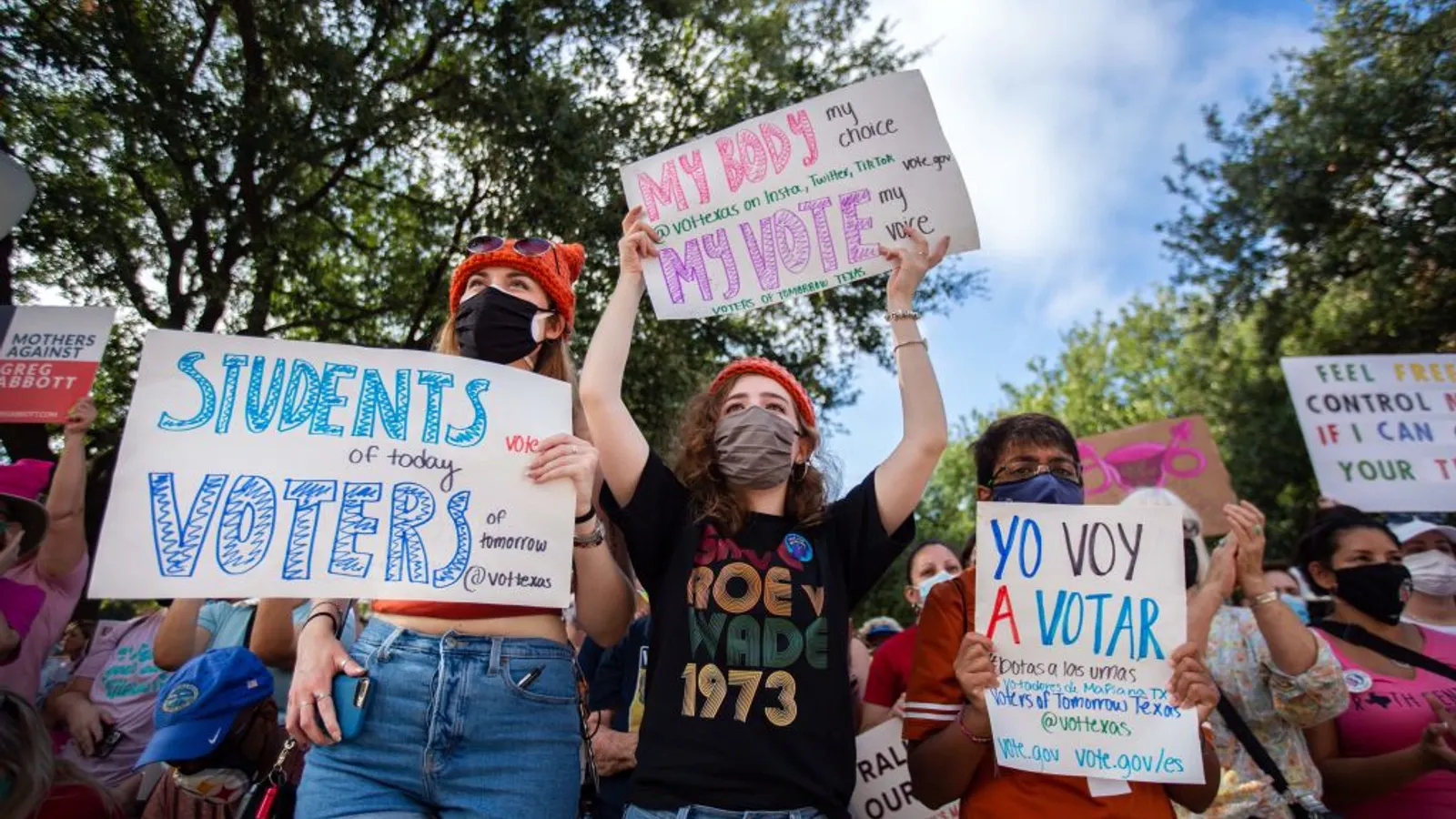
For decades, the primary criteria for selecting a university were anchored in academic reputation, campus culture, affordability, and geographic proximity. However, a seismic shift in the American sociopolitical landscape is fundamentally altering the calculus of higher education enrollment. According to a new study from the higher education consultancy Art & Science Group, the influence of state-level politics on prospective students has evolved from a marginal concern into a central, often exclusionary, pillar of the college search process.
The Rising Toll of Political Polarization
The data, released this week, paints a stark picture of a student body increasingly wary of the political climates surrounding their potential future campuses. As of the summer of 2026, 34% of prospective students reported that they had ruled out colleges solely because of the political environment of the state in which they are located. This represents a staggering 10-percentage-point increase in just three years.
Analysts at the Art & Science Group emphasize that this spike is not an outlier—a transient response to a singular, heated election cycle—but rather a "consistent and legitimate upward trend." The data suggests that for a growing segment of the American youth, the legislative and cultural environment of a state is as critical to their collegiate experience as the quality of the faculty or the strength of a degree program.
When the scope of the inquiry is broadened to include students for whom state politics had "some influence" or "partly" informed their decisions, the numbers become even more sobering: approximately half of all students polled in 2026 indicated that political factors played a role in their enrollment path.
Chronology of a Changing Landscape
The integration of political litmus tests into college admissions is a relatively recent phenomenon, accelerating rapidly between 2023 and 2026.
- Pre-2023: Political interest among prospective students was largely focused on campus-specific issues—such as free speech, student activism, or diversity initiatives—rather than the broader legislative framework of the host state.
- 2023–2024: As national debates over reproductive rights, LGBTQ+ legislation, and K-12 curriculum standards intensified, high school students began to view state governments as direct extensions of the campus environment.
- 2025–2026: The current trend reached a new threshold. The 34% "exclusively political" exclusion rate highlights that for over one-third of the population, the legislative identity of a state acts as an immediate barrier to entry, rendering an institution’s marketing efforts ineffective before they even begin.
Supporting Data: The Geography of Exclusion
The poll, which surveyed over 1,500 recent high school graduates and 1,300 high school seniors, reveals a clear, bidirectional trend of exclusion that mirrors the nation’s partisan divide.
Students’ decisions to avoid specific regions are largely predicated on their own political orientations. Conservative-leaning students reported a systematic avoidance of states typically associated with progressive governance, most notably California, Colorado, and New York. Conversely, liberal-leaning students demonstrated a pronounced trend of ruling out institutions in the South and parts of the Midwest, frequently citing Texas, Florida, South Carolina, Louisiana, Alabama, and Georgia as "off-limits."
This geography of exclusion is further corroborated by parallel research. A post-2024 election survey conducted by Carnegie Dartlet found that 44% of students considered reproductive health rights in a college’s home state to be "very" or "extremely" important. Furthermore, a March 2024 report from Gallup and the Lumina Foundation discovered that reproductive healthcare policies were a deciding factor for 71% of students—a figure that suggests that specific, high-stakes political issues act as catalysts for these broader institutional boycotts.
The Early-Stage "Filter" Effect
Perhaps the most concerning finding for university administrators is the timing of these decisions. For the vast majority of the students surveyed, political considerations are not a final hurdle—they are an initial filter.
Nearly three-quarters of students who ruled out colleges based on politics reported that these concerns were present at the very beginning of their search process. Additionally, 59% noted that politics were a factor when deciding where to submit applications.
The Art & Science Group report notes: "For many students, politics appears to be shaping the consideration set before institutions ever have the opportunity to make their case. For some students, certain states, regions, or institutional environments may be removed from consideration before the student has engaged more deeply with any particular school."
This early-stage filtering creates a "blind spot" for university enrollment managers. Institutions may be seeing a decline in application volume and erroneously attributing it to cost, academic program changes, or demographic shifts, failing to realize that they have been effectively "blacklisted" by prospective students based on their state’s legislative reputation.
Institutional Implications: The Challenge of Differentiation
The implications for higher education institutions are profound. Colleges located in "red" states that are trying to appeal to "blue" students—and vice versa—face an uphill battle in recruitment. The report suggests that institutions must adopt a new, nuanced communication strategy.
"In this environment, colleges need to demonstrate not only that they are different from the political reputation of their state, but why the experience they offer is appealing enough for students to consider them despite those broader concerns," the report suggests.
However, this is easier said than done. Administrators are caught in a complex paradox: they must operate within the legal and regulatory frameworks of their home states while simultaneously attempting to market themselves as distinct, safe, and welcoming "havens" of academic freedom that transcend local partisan agendas. For many public universities, this is a difficult tightrope to walk, as they are often directly subject to the state policies that prospective students find objectionable.
The Broader Societal Impact
Beyond the immediate consequences for enrollment numbers and tuition revenue, this trend suggests a long-term potential for "ideological sorting" in American higher education. If students continue to self-select into states that align with their personal political values, the intellectual diversity of the student body at universities across the country could suffer.
When campuses become echo chambers defined by their state’s political orientation, the pedagogical goal of exposing students to diverse viewpoints—a hallmark of a robust university education—becomes significantly harder to achieve. The "marketplace of ideas" is effectively shrinking as students avoid geographic zones they perceive as hostile to their values.
Conclusion: A Call for Strategic Adaptation
The data from the Art & Science Group serves as a wake-up call for the higher education sector. The era in which a university’s brand was entirely under the control of its faculty and administrators is over. In the current climate, an institution’s brand is inextricably linked to the legislative and cultural reputation of its state.
For institutions to remain competitive, they must engage in a deeper level of transparency and active communication. They must address these concerns head-on, clarifying how their institutional values may differ from state policy and highlighting the specific ways in which they cultivate an inclusive environment for all students, regardless of political background.
As this "legitimate upward trend" continues, the colleges that survive will be those that can successfully distinguish their individual campus identity from the broader, often polarized, political landscape of their home states. The cost of failing to do so is no longer just a few lost applicants—it is the potential for long-term institutional decline in an increasingly fragmented nation.
