

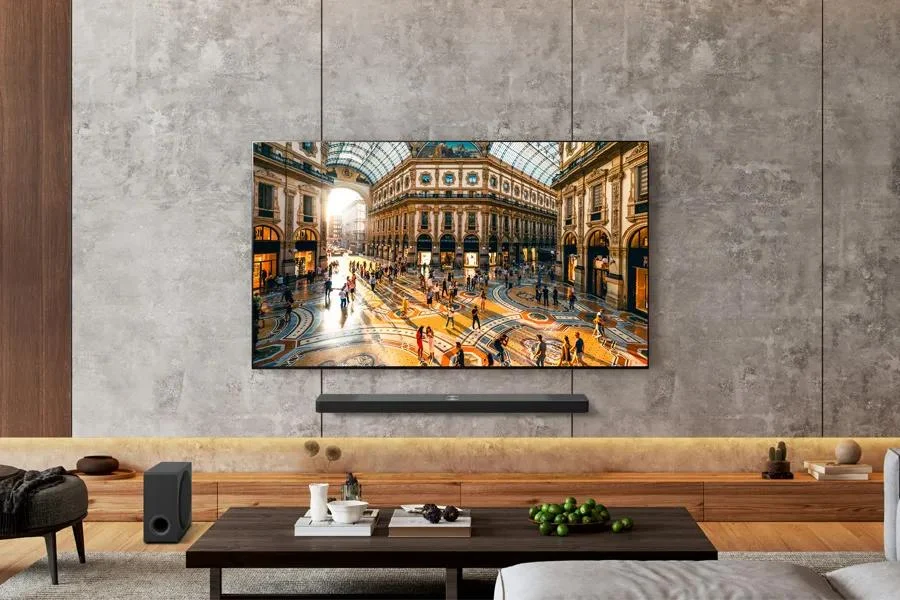
In an era where the "Internet of Things" (IoT) has transformed the modern living room into a hub of interconnected devices, the boundaries of digital privacy are increasingly being tested. Recent investigations by tech-focused YouTube channels Gamers Nexus and Level1Techs, in collaboration with cybersecurity researchers, have cast a harsh spotlight on LG Electronics. The investigation suggests that high-end LG smart TVs are actively scanning local area networks (LANs) to catalog other devices, raising significant questions about the extent of data harvesting occurring within the private confines of the home.
The Discovery: Wireshark Reveals the Scope of Discovery
The controversy erupted following a technical deep dive led by Steve Burke, editor-in-chief of Gamers Nexus. Utilizing Wireshark—the industry-standard network protocol analyzer—the team monitored the traffic emanating from an LG OLED65G3PUA, a premium television model with a starting MSRP of $2,500.
The results of the analysis were startling. The television, despite being in a standby or "off" state, did not remain dormant. Instead, it systematically probed the local network, identifying a wide array of connected hardware. "The [G5] crawled our entire network and found dozens of unrelated devices, including smartwatches and phones of our staff who didn’t even know we were working on this," Burke reported.
The researchers discovered that the TV’s firmware is capable of gathering a granular inventory of the digital landscape within a household. Beyond mere connectivity checks, the device can reportedly catalog:
- Unique Identifiers: The TV identifies internal IP addresses and device names.
- Geographic Context: The system can pinpoint geographic locations and specific IP addresses.
- Network Topology: It logs the names, signal strengths, and channel numbers of every Wi-Fi network within range, even those not connected to the TV.
- Device Mapping: It creates a comprehensive list of all other hardware—smartphones, tablets, laptops, and IoT appliances—residing on the same network.
Chronology of the Investigation
The investigation did not happen in a vacuum. For years, privacy advocates have warned that smart TVs were shifting from passive entertainment displays to active advertising platforms.
- Early 2026: Privacy researchers began flagging unusual background traffic from various smart television brands, noting that "standby" mode often meant "connected and communicating."
- Mid-2026: Gamers Nexus and Level1Techs initiated a collaborative audit of LG’s firmware and network behaviors. The goal was to determine if the "Automatic Content Recognition" (ACR) features were extending their reach beyond the television screen.
- September 2026: The findings were published, confirming that the network scanning behavior was persistent and aggressive, occurring regardless of whether the user was actively watching content or had powered the device down.
- Present: The tech community and privacy watchdogs are now pressuring LG for transparency regarding the intent behind this data collection and the destination of the exfiltrated information.
LG Ad Solutions: The Advertising Engine
The most pressing concern for many observers is the existence of "LG Ad Solutions." This division of the company is tasked with monetizing the user experience through targeted advertising and data analytics.
In recent marketing materials promoting political advertising strategies for 2026, LG Ad Solutions boasted of its reach, claiming the ability to connect with 363 million "addressable secondary devices" in the United States. This phrasing is telling. It suggests that the TV acts as a "gateway" device—a hub that identifies other devices in the home to build a comprehensive consumer profile. By linking the TV’s viewing habits to the secondary devices identified on the network, advertisers can create a cohesive picture of a user’s lifestyle, socio-economic status, and purchasing intent.
This business model transforms the smart TV from a product into a conduit for surveillance-based advertising. When a TV identifies a specific smartphone on a network, it allows the advertiser to potentially cross-reference data, serving ads on the phone that are tailored to the content being watched on the TV—and vice-versa.
Official Responses and Corporate Justification
When contacted for comment regarding the findings, LG Electronics provided a brief, measured response that emphasized functionality over data harvesting.
"LG TVs can identify compatible devices on the same network to enable features such as device connectivity, content sharing or smart home functionality," a company representative stated.
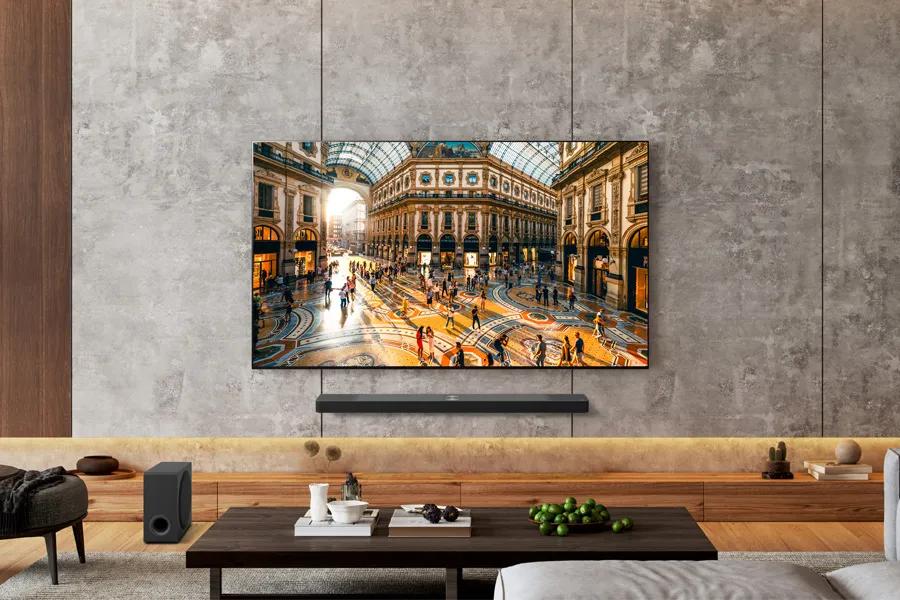
This defense—often cited by tech manufacturers—rests on the "utility argument." Companies argue that to provide seamless experiences (like "casting" a video from a phone to a TV or controlling smart lights), the TV must be aware of its environment. However, critics argue that the scale of the scanning described by Gamers Nexus goes far beyond what is required for basic interoperability. If the TV is identifying devices that are not connected to the TV’s ecosystem and reporting that data to remote servers, the justification of "user convenience" begins to fray.
The Implications for Consumer Privacy
The implications of this discovery are profound and multifaceted, touching on legal, ethical, and security-related concerns.
The Erosion of the "Private Home"
Historically, the home has been considered a sanctuary, a place where an individual’s behaviors were shielded from corporate tracking. The smart TV has effectively breached this wall. When a device monitors the proximity of neighboring Wi-Fi networks and logs every device in a residence, it creates a "digital footprint" that is arguably too invasive for a home appliance.
Security Vulnerabilities
While LG claims these scans are for connectivity, security experts warn that this type of behavior increases the attack surface of a household. If a TV is constantly probing the network, it creates an ongoing stream of metadata that, if intercepted or stored insecurely, could be used by malicious actors to map out a target’s internal network architecture.
Consent and Transparency
Perhaps the most egregious issue is the lack of explicit, granular consent. While many users "agree" to terms of service during the initial setup of their TV, those terms are often buried in dense legal jargon that masks the reality of such pervasive scanning. Consumers are rarely informed that their television is cataloging their family’s phones or their neighbors’ Wi-Fi signal strengths.
The Future of Smart Home Regulation
This incident is likely to embolden regulators in the European Union (under GDPR) and the United States (via the FTC) to take a harder look at the "Internet of Things." There is a growing consensus that smart devices should operate on a "privacy by design" principle, where network scanning is strictly limited to user-initiated tasks, rather than operating as a background process for advertising intelligence.
Conclusion: A Call for Accountability
The revelations regarding LG’s network scanning have sparked a necessary conversation about the true cost of "smart" technology. As TVs become increasingly sophisticated, the line between a helpful feature and an intrusive tracking mechanism is blurring.
For the average consumer, the path forward remains murky. While one could theoretically isolate a smart TV on a separate guest Wi-Fi network or block specific traffic via a firewall, these actions require a level of technical expertise that most users simply do not possess.
The ball is now in LG’s court. To restore consumer trust, the company must move beyond generic PR statements and provide clear, verifiable evidence that the data collected via these network scans is not being used to build intrusive profiles for its ad division. Until then, the high-end OLED sitting in the living room may be doing much more than just playing movies—it may be watching the home just as closely as the home watches it.
