

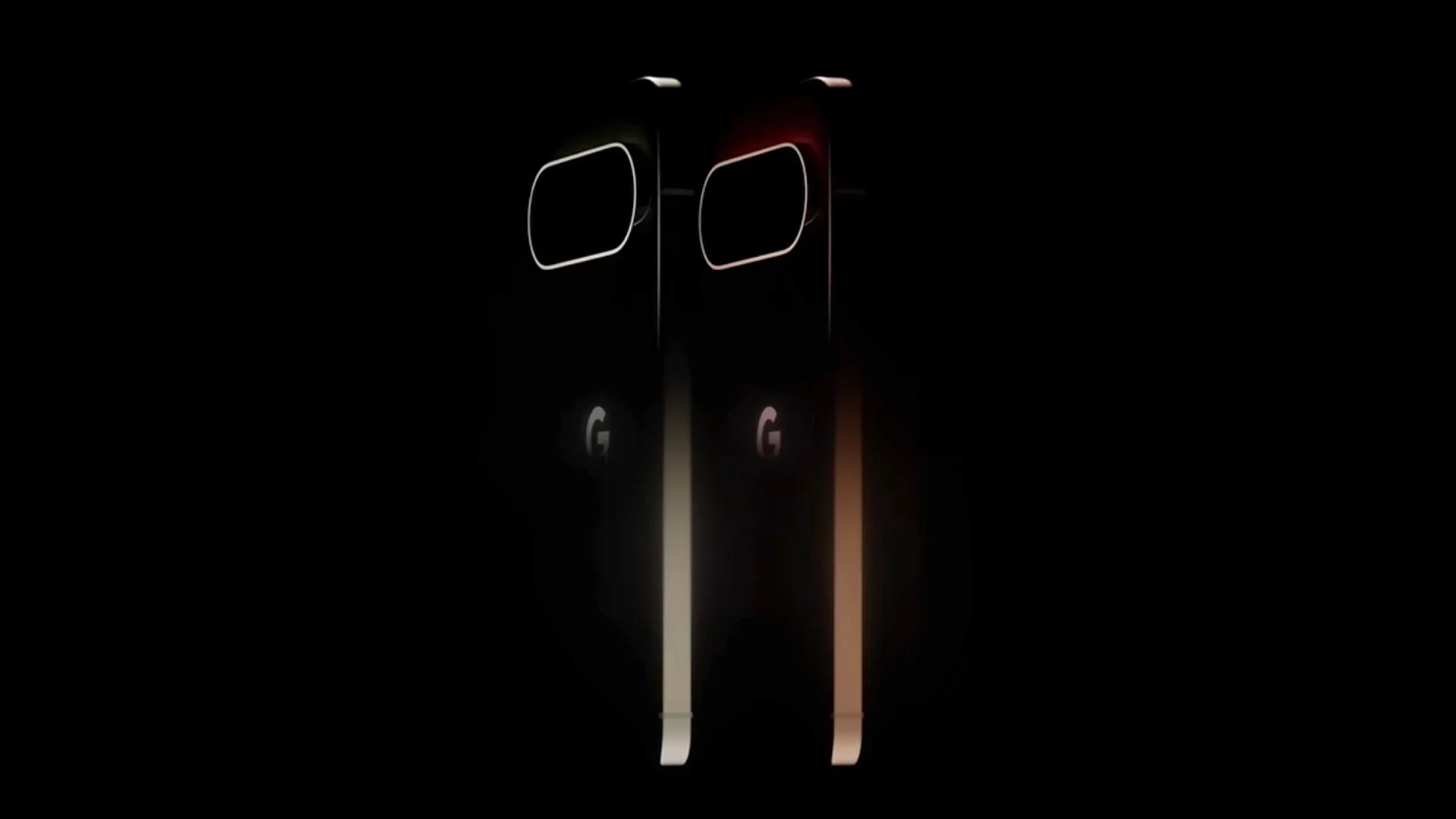
For several years, the most expensive hardware in Google’s stable—the Pro-series Pixel smartphones—shipped with a feature that puzzled critics and consumers alike: an infrared temperature sensor embedded within the camera array. What began as an experiment in health-tech integration has officially reached its conclusion. With the unveiling of the Pixel 11 Pro, Google has signaled a shift in strategy, abandoning the niche thermal sensor in favor of "HiLight," a vibrant LED interface designed to bring personality and utility back to the device’s exterior.
This transition marks a departure from the "sensor-first" era of smartphone design and a return to the tactile, visual notification systems that defined the early days of mobile computing, albeit with a modern, AI-driven aesthetic.
Main Facts: The End of an Experimental Era
The Pixel 11 Pro arrives not with a focus on environmental scanning, but with a refined focus on user interaction. The temperature sensor, which debuted with a fanfare that never quite translated into daily utility, is gone. It was widely viewed as a legacy of the COVID-19 pandemic, a time when manufacturers were scrambling to find value in biometric hardware that could track fever or environmental health markers.
However, the sensor failed to gain traction for two primary reasons: regulatory constraints and lack of practical application. It could not be used for medical diagnosis, nor was it reliable enough for culinary use. Most users found it to be a novelty that rarely left the settings menu.
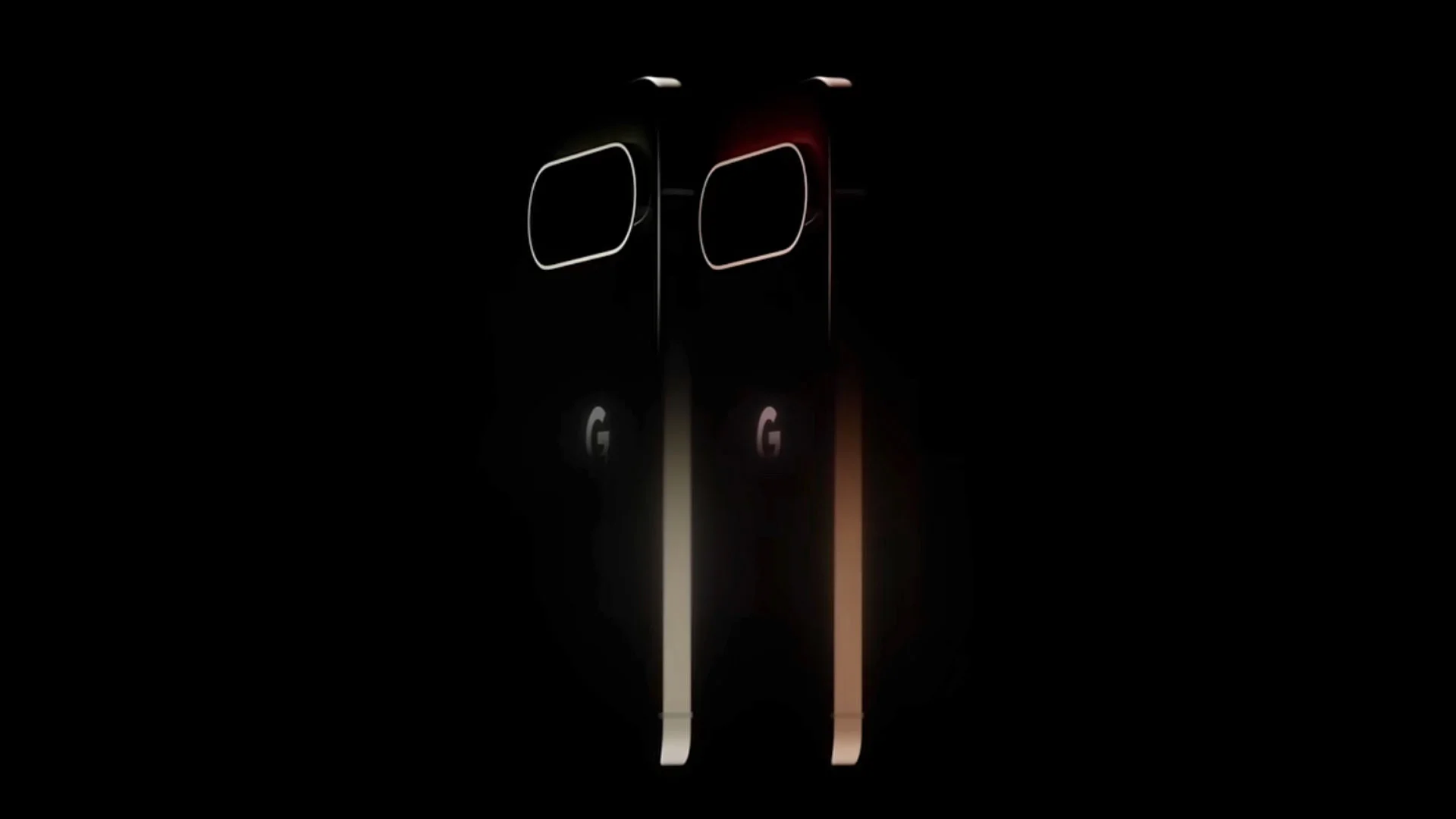
In its place, Google has repurposed the physical real estate of the camera bump for HiLight. This feature utilizes an integrated LED array to provide visual cues for incoming calls and interactions with Gemini, Google’s AI assistant. Unlike the temperature sensor, which remained invisible and dormant, HiLight is designed to be seen, bringing a new dimension of color and communication to the phone’s chassis.
A Chronology of the Pixel’s Hardware Ambitions
To understand why Google has pivoted, one must look at the recent history of the Pixel series’ design language.
- 2023: The Introduction of Thermal Sensing: With the launch of the Pixel 8 Pro, Google introduced the temperature sensor. It was an ambitious, albeit confusing, addition. The company positioned it as a way to check if a pan was hot enough to cook or if a liquid was at the right temperature, but the lack of clinical certification for body temperature monitoring left the feature feeling orphaned.
- 2024: The Stagnation Period: Throughout the life cycle of the Pixel 9 and 10 series, the temperature sensor remained a niche tool. While Google updated the software to allow for some degree of surface-temperature tracking, the user base remained largely indifferent.
- Late 2025: The HiLight Shift: As development of the Pixel 11 Pro matured, Google’s hardware team reportedly looked for ways to make the device feel more "alive." Drawing inspiration from the glowing notification bars seen in experimental laptop prototypes, the team decided to repurpose the sensor’s location into an interactive light interface.
- December 2025: The Official Unveiling: The Pixel 11 Pro is announced. The thermal sensor is officially retired, and HiLight is presented as the primary hardware-based notification system for the device.
Supporting Data: Why "Always-On" Needed a Physical Partner
The move toward HiLight is not just a design whim; it is a reaction to the changing way we use our phones. As bezels have shrunk to almost nothing and "always-on" displays have become standard, the physical notification LED—a staple of the Android experience for over a decade—largely disappeared.
Research into user habits suggests that when phones are placed face-down, users often experience "notification anxiety," feeling the need to flip the phone over to check if a vibration was a priority message or a spam notification.
The Return of the Notification Light
The concept of a blinking light to signal status is nearly as old as the smartphone itself. In the early 2010s, devices like the Nexus series and various Motorola handsets used multi-colored LEDs to indicate different types of alerts:
- Blue: Social media notifications.
- Green: Full charge or messaging apps.
- Red: Low battery or missed calls.
HiLight modernizes this concept. By embedding the LEDs within the camera housing, Google has turned a functional necessity into a design statement. While it is currently less configurable than the notification LEDs of 2012, it offers a higher degree of visual sophistication.
Current Capabilities of HiLight
At launch, HiLight is limited to two primary functions:
- Priority Caller Identification: Users can assign specific colors to "favorite" contacts. If a priority contact calls while the phone is face-down, the camera bump glows in the assigned color.
- Gemini Interaction: The light array pulses in response to voice queries directed at the Gemini AI, providing a visual "breath" that mimics human-like engagement.
Official Responses and Strategic Rationale
Google has maintained a relatively understated position regarding the removal of the temperature sensor. In internal documentation provided during the press briefing, the company framed the change as a "refinement of user-centric hardware."
"We are constantly evaluating the utility of the sensors we include in our Pro-series devices," a Google hardware engineer noted during the announcement. "The temperature sensor served a purpose during a specific point in time, but the feedback we received from our community highlighted a desire for more immediate, visual communication tools. HiLight represents our commitment to making the phone an extension of the user’s awareness."
Industry analysts suggest that the removal of the sensor also reduces the manufacturing complexity of the camera bump, potentially saving costs while increasing the "wow factor" of the device. By choosing to prioritize the user interface over an under-utilized sensor, Google is signaling a pivot toward "AI-ambient" hardware—devices that communicate their internal processes through light and sound rather than just screen-based notifications.
Implications: What This Means for Future Hardware
The transition from a thermal sensor to a light interface carries significant implications for the future of the Pixel line and the smartphone industry at large.
1. The Death of the "Gimmick" Sensor
For years, smartphone manufacturers have been guilty of "feature creep," adding sensors and cameras that provide little value to the average consumer. The retirement of the Pixel’s temperature sensor may signal a period of pruning in the industry. As hardware costs rise, companies are increasingly pressured to ensure that every millimeter of the phone’s interior serves a purpose that the consumer can actually feel.
2. The Rise of "Ambient Computing"
HiLight is a clear step toward ambient computing. By allowing the phone to communicate while face-down, Google is encouraging users to disconnect from the screen. If a user can see that an incoming call is from a family member via a specific color, they may be less inclined to pick up the device immediately, thereby reducing screen time and digital distraction.
3. Software Expansion
While HiLight is currently restricted to phone calls and Gemini, the potential for third-party integration is immense. It is likely that in future updates, Google will open an API for developers to utilize the light strip for other apps—such as timers, weather alerts, or even ride-sharing status updates. This would bring the functionality closer to the customizable notification systems of the past, but with the high-end aesthetic of a flagship device.
Conclusion: A More Human Interface
The Pixel 11 Pro is not merely an incremental update; it is a statement on how we want our technology to behave. By replacing a clinical, often confusing temperature sensor with a warm, communicative light interface, Google is attempting to make the smartphone feel less like a cold, computational tool and more like a companion.
The temperature sensor was a relic of a time defined by health anxiety and uncertainty. HiLight, by contrast, is a feature for the present—a tool designed to help us manage the noise of the digital world without needing to stare into a screen. Whether this feature gains the cult following of the original notification LEDs remains to be seen, but for now, it represents a refreshing shift in Google’s hardware philosophy: sometimes, it is better to shine a light on what matters than to measure the heat of the room.
