

The year 2001 remains a watershed moment in the history of interactive entertainment. While the dawn of the new millennium brought with it a shift in digital culture, the gaming landscape was undergoing a tectonic transformation. By late 2001, the Sony PlayStation 2 had firmly established its dominance, fueled by the cultural juggernaut of Grand Theft Auto III, the cinematic narrative of Metal Gear Solid 2, and the RPG spectacle of Final Fantasy X.
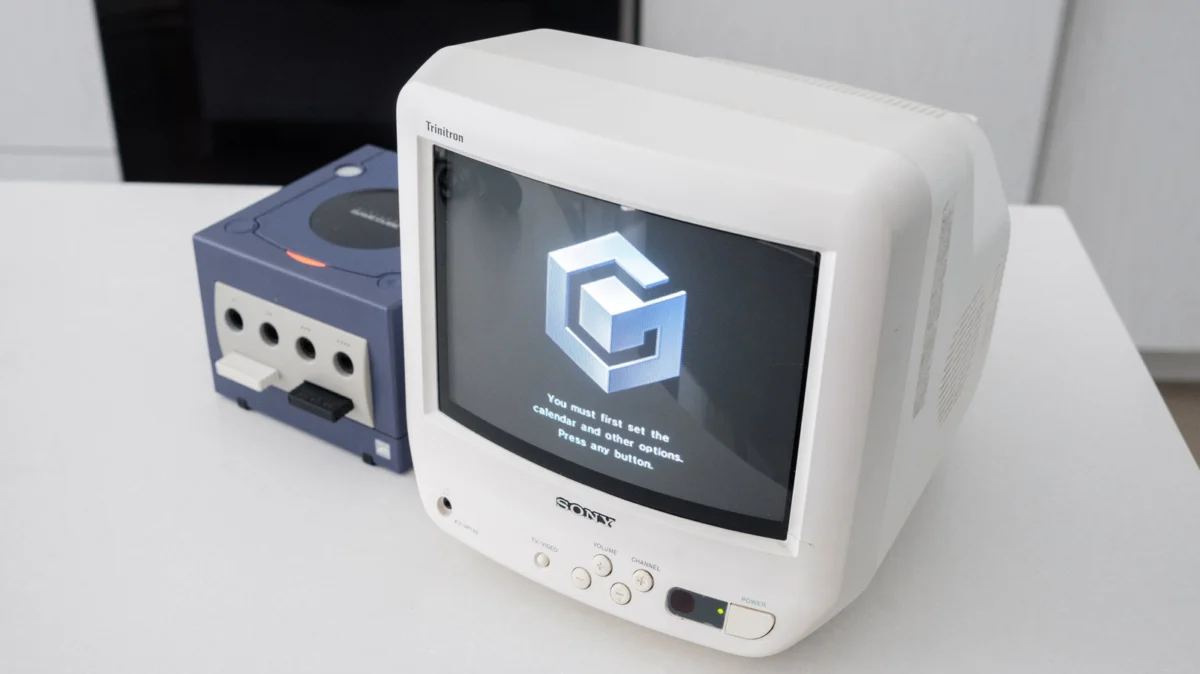
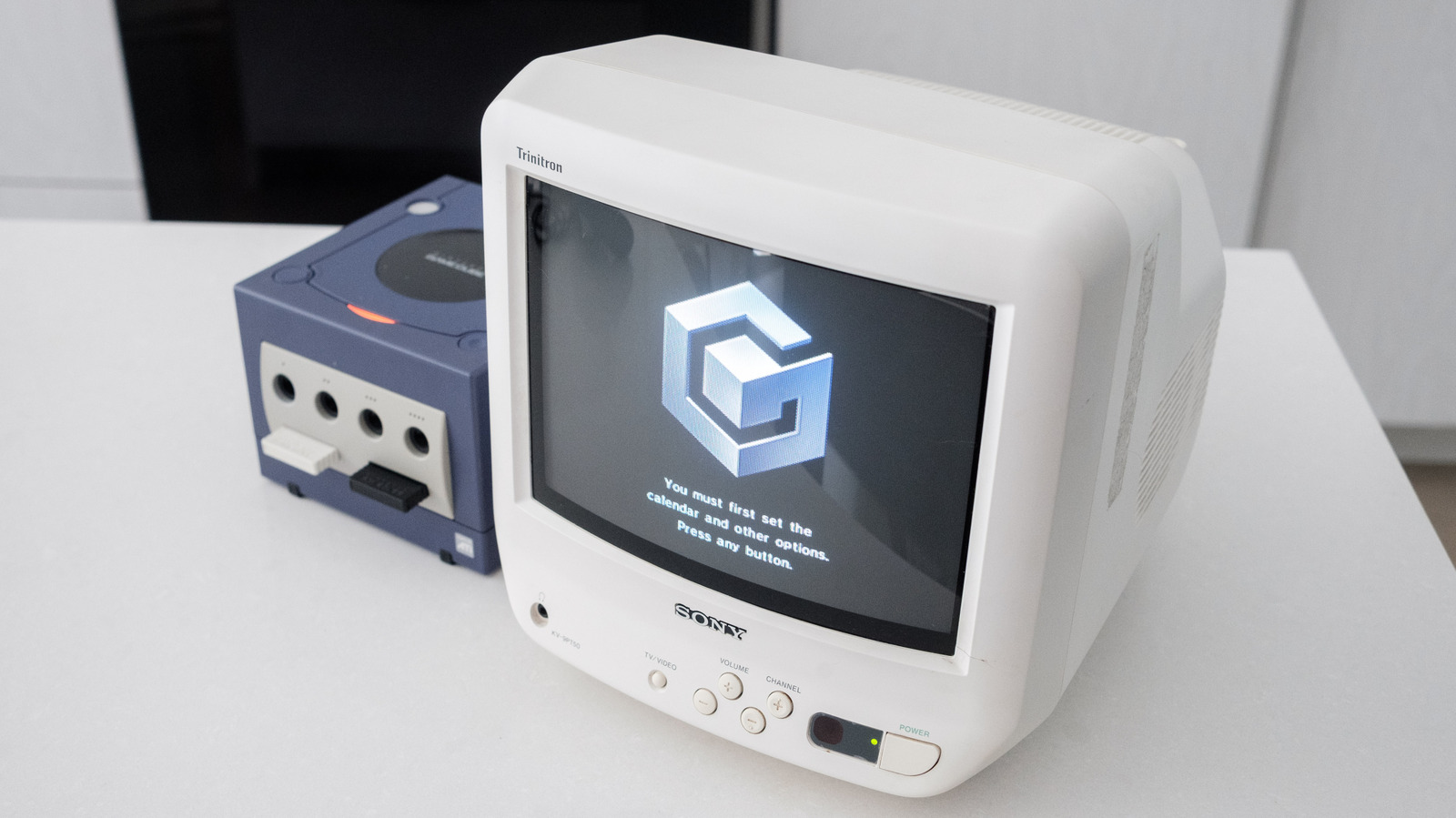
Into this fierce, hyper-competitive market stepped a small, boxy, indigo-colored contender: the Nintendo GameCube. Launched in Japan on September 14, 2001, and arriving in North America on November 18, the system was an anomaly from the start. Eschewing the DVD-playback capabilities that made its competitors, the PS2 and the original Xbox, household entertainment hubs, the GameCube was built with a singular, uncompromising focus: gaming.
Twenty-five years later, the "purple lunchbox" has transcended its status as a commercial underdog. While it lacked the massive third-party support enjoyed by Sony and the revolutionary online connectivity of Microsoft’s Xbox, the GameCube fostered a library of titles so distinct, polished, and innovative that they continue to shape the industry today.
A Chronology of the Cube’s Life Cycle
The GameCube’s lifecycle was one of ambition meeting reality. Following the N64’s struggle with cartridge storage limitations, Nintendo pivoted to the proprietary 8cm "GameCube Optical Disc." This format was a double-edged sword; it prevented piracy but severely limited the storage capacity compared to the standard DVDs used by competitors, which hindered large-scale, pre-rendered cutscenes in third-party games.
- 2001: Launch. The console debuts with titles like Luigi’s Mansion and Star Wars Rogue Squadron II: Rogue Leader, showcasing the system’s impressive graphical capabilities.
- 2002: The "Golden Year." Nintendo delivers heavy hitters including Super Smash Bros. Melee, Animal Crossing, and Eternal Darkness: Sanity’s Requiem.
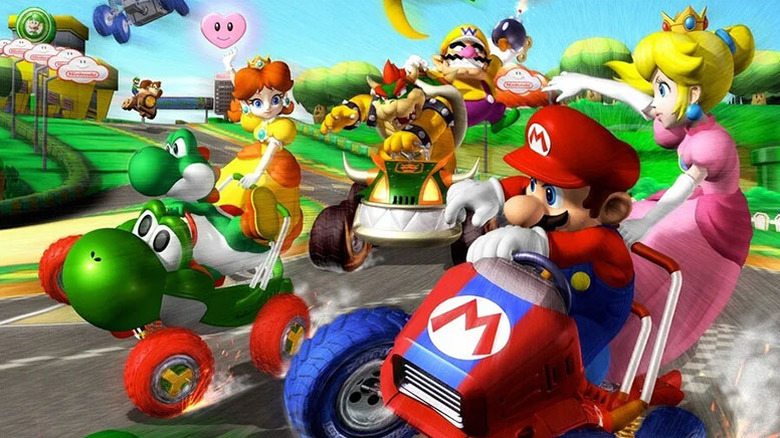
- 2003–2004: A period of creative experimentation. Titles like The Legend of Zelda: The Wind Waker and Mario Kart: Double Dash!! define the platform’s personality, while Metroid Prime redefines the first-person perspective.
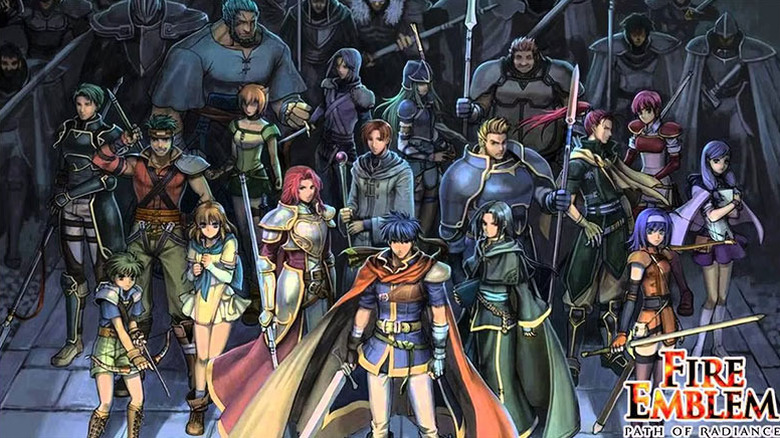
- 2005–2006: The twilight years. The system sees the release of Fire Emblem: Path of Radiance and the swan song of the platform, The Legend of Zelda: Twilight Princess, which bridged the gap between the GameCube and the Wii.
The Pillars of the GameCube Library
The longevity of the GameCube is entirely tied to the quality of its exclusives. These games did not merely follow trends; they set them.
Animal Crossing: The Blueprint for Modern Life-Sims
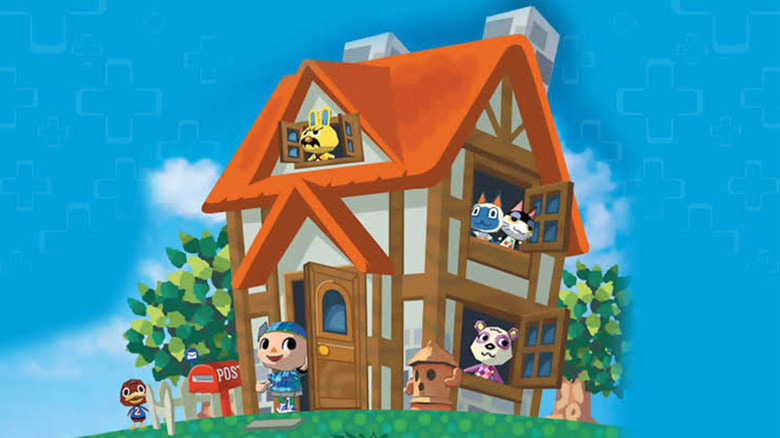
Animal Crossing arrived in North America in 2002, bringing with it the infamous, debt-ridden introduction to Tom Nook. It was a modest success that bloomed into a global phenomenon. What remains remarkable is how the core gameplay loop—the real-time clock, the daily chores, the bug-catching, and the social dynamics—has remained largely unchanged in the franchise’s evolution into New Horizons. Without the benefit of modern online infrastructure, players had to rely on "analog" social interaction: trading physical memory cards to visit friends’ towns and leaving messages or "crude" pranks for one another.
Eternal Darkness: The Masterclass in Psychological Horror
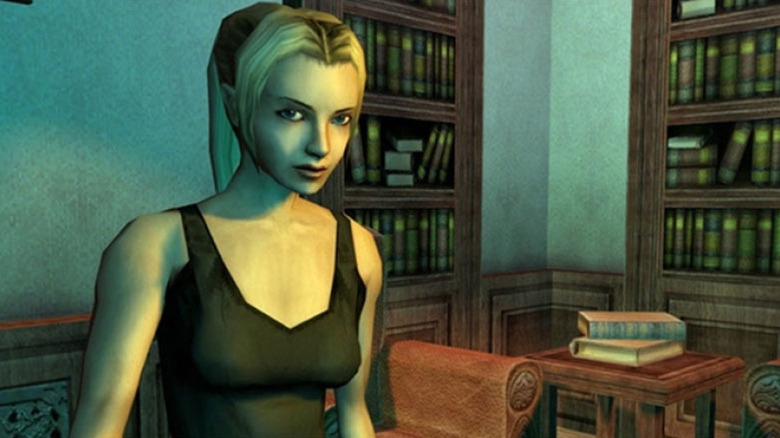
Few games have dared to break the fourth wall as effectively as Silicon Knights’ Eternal Darkness: Sanity’s Requiem. It didn’t just scare the player with monsters; it attacked the player’s perception of reality. By simulating system crashes, "Blue Screens of Death," and volume fluctuations, it created a genuine sense of paranoia. Published by Nintendo, it stood as a testament to the company’s willingness to push into mature, experimental territory.
Metroid Prime: A Genre-Defining Shift
The transition of Metroid from 2D to 3D was a gamble that paid off in dividends. Retro Studios’ Metroid Prime prioritized atmosphere and exploration over the typical twitch-shooter mechanics of the era. Tallon IV became a character in its own right, with deep, scannable lore that rewarded curious players. It proved that a first-person game could be meditative and challenging, a design philosophy that remains the gold standard for the series today.
Resident Evil 4: Kinetic Innovation
Though it has since been ported to every conceivable platform, Resident Evil 4 was the jewel in the GameCube’s crown of third-party exclusives. Its over-the-shoulder camera perspective and tight, kinetic action sequences essentially birthed the modern third-person action game. The GameCube’s hardware allowed for character models and environment detail that far outclassed the PlayStation 2’s more limited capabilities at the time, offering a level of visual fidelity that, in many ways, still holds up today.
Supporting Data: Hardware and Market Perception
The GameCube was technically formidable. With a custom "Flipper" graphics chip developed by ArtX (later acquired by ATI), it was capable of producing lighting effects and polygon counts that often surpassed the competition. However, market analysts of the time often pointed to the "DVD factor" as the console’s primary downfall. Families wanted a single machine for movies and games; the GameCube offered only the latter.
Despite selling only 21.74 million units—placing it behind the Xbox and significantly behind the PS2—its software attach rate was remarkably high. The "GameCube Classics" collection now available via the Nintendo Switch Online service serves as empirical data of the system’s enduring appeal, as Nintendo continues to prioritize these legacy titles to drive modern subscriptions.
Official Responses and Industry Impact
In various retrospective interviews, legendary developers like Shigeru Miyamoto have often cited the GameCube era as a time of immense creative freedom, despite the commercial pressures. The development of The Wind Waker, for instance, was initially met with backlash due to its "Toon Link" aesthetic, yet it has since been vindicated by history as one of the most artistically timeless games in the Zelda canon.
Industry analysts note that the GameCube’s influence is visible in the current landscape. The modern focus on "Nintendo polish"—the obsession with frame rate, intuitive controls, and gameplay feel—can be traced back to the rigorous development cycles of the GameCube era. The console essentially acted as the R&D lab for Nintendo’s future success on the Wii and the Switch.
Implications: Why the GameCube Still Matters
The primary implication of the GameCube’s legacy is the shift in how we value hardware. In the 2000s, success was measured by market share and media versatility. Today, the GameCube is celebrated as a "boutique" console—a system defined by its curated, high-quality software rather than its utility as a multimedia device.
Furthermore, the "GameCube look"—characterized by vibrant, saturated colors and stylized art directions—has aged significantly better than the "gritty," realistic textures that dominated many PS2 and Xbox titles. Games like The Wind Waker and Super Smash Bros. Melee look crisp on modern displays, whereas their contemporaries often struggle with the "muddy" textures of early 3D rendering.
As we reach the 25-year mark, the GameCube is no longer just a console; it is a cultural touchstone. It represents a period in Nintendo’s history where the company was forced to innovate to survive, resulting in a series of risks—some experimental, some strange, and some revolutionary—that gave us some of the most cherished experiences in gaming. Whether it is the competitive precision of Melee or the open-ocean wonder of The Wind Waker, the GameCube’s library remains a essential part of the medium’s heritage. The console may have been small, but its footprint is undeniably colossal.
