

For prospective New York City homebuyers, the psychological threshold of one million dollars remains the ultimate dividing line. While the headlines are often dominated by billionaire-row penthouses and sprawling suburban-style townhouses, the true heartbeat of the city’s residential market exists in the nuanced search for value under that iconic seven-figure ceiling. From park-adjacent studios to historic one-bedrooms tucked away in former carriage houses, the hunt for the "perfect" home requires a blend of patience, historical appreciation, and a keen eye for potential.
This week, we turn our attention to the architectural heritage of Brownstone Brooklyn and the classic, refined living spaces of Manhattan’s historic districts, examining a curated selection of properties that prove you don’t need a blank check to secure a slice of New York history.
The Brooklyn Heights Jewel: 39 Remsen Street, Apt. 4A
Price: $945,000
Brooklyn Heights remains the gold standard for classic New York aesthetics, and 39 Remsen Street serves as a quintessential example of the neighborhood’s enduring charm. This one-bedroom co-op, dating back to 1870, is a masterclass in preserved history.
Architectural Significance and Design
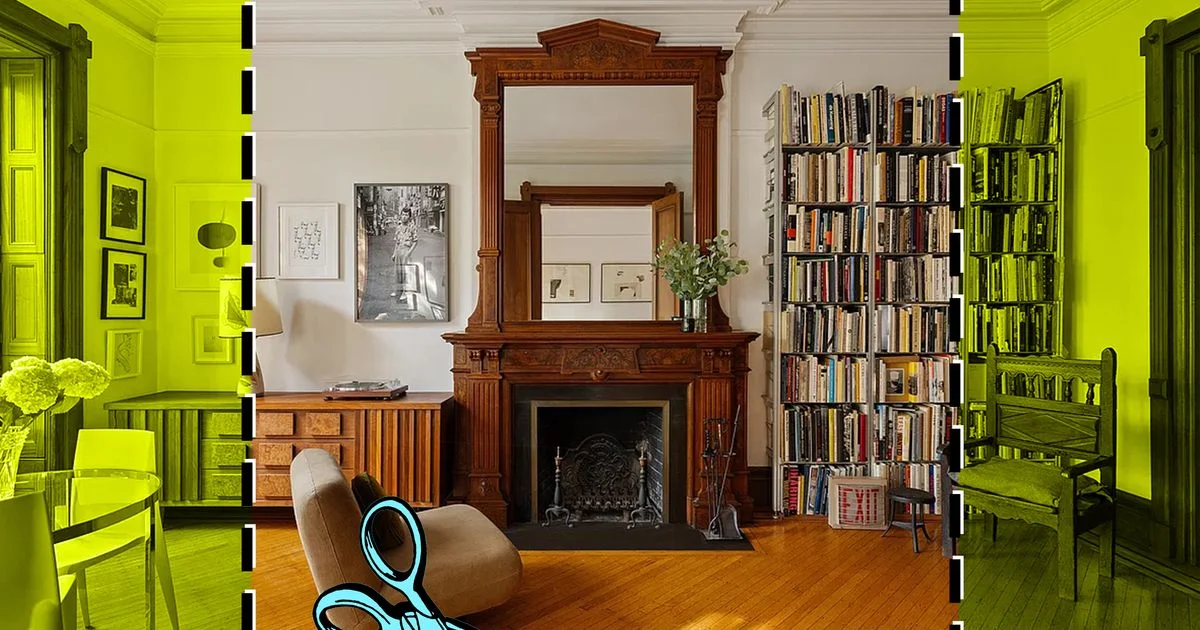
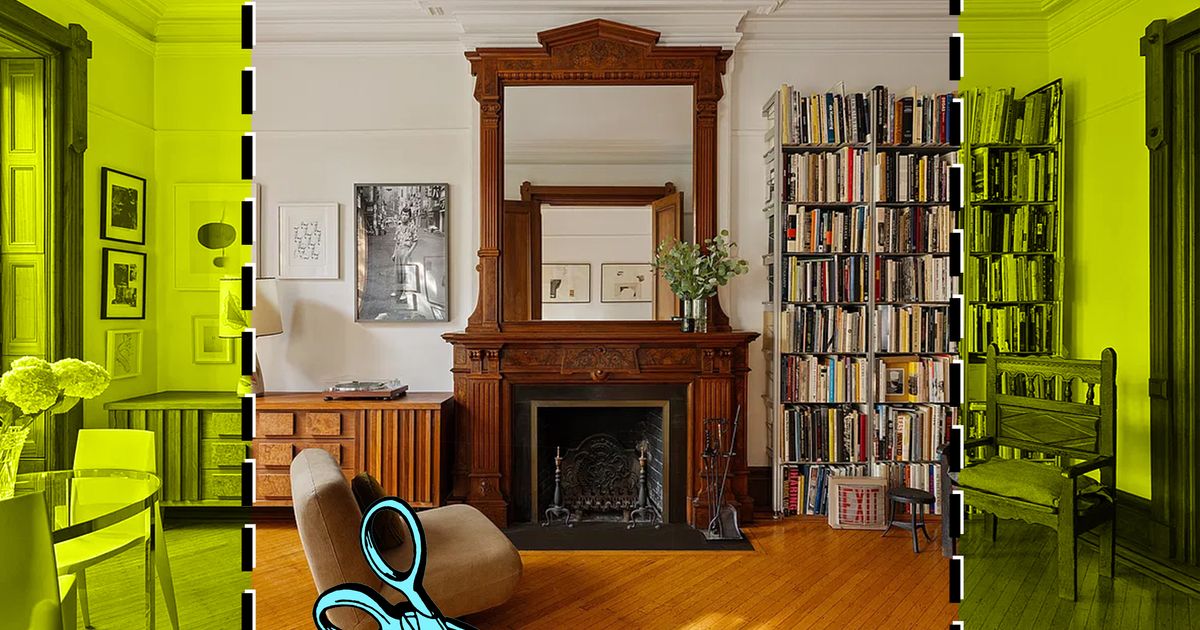
Stepping into unit 4A, one is immediately struck by the sheer scale of the space. The living room features ten-foot-high ceilings, anchored by a grand wood-burning fireplace with a burled maple mantel—a rare find in modern renovations. The room is punctuated by pocket-door frames and crown molding that have been meticulously maintained for over a century. A pair of south-facing, floor-to-ceiling windows, flanked by their original casements, ensures that the apartment is bathed in natural light throughout the day.
The bedroom, accessible through large, original wood doors, offers a sanctuary of space. It comfortably accommodates a king-size bed and features enough square footage to carve out a dedicated reading nook. Storage, often the bane of New York apartment living, is addressed here via two generous walk-in closets.
Challenges and Amenities
The kitchen and bathroom have been updated, with the addition of skylights in both spaces preventing the dim, "cavelike" feel often associated with rear-facing rooms in older buildings. However, the property serves as a reminder that prestige comes with overhead. Monthly maintenance fees sit at $1,995, a figure that provides residents with a personal basement storage locker and the services of a part-time super. While the BQE (Brooklyn-Queens Expressway) infrastructure projects nearby may present a period of noise and transition, the proximity to Brooklyn Bridge Park and the iconic Promenade, coupled with a seven-minute walk to Borough Hall subway lines, remains a significant draw for commuters and leisure seekers alike.
Carroll Gardens: The Modernized Brownstone at 588 Henry Street
Price: $895,000 (Approx.)
Moving slightly south into Carroll Gardens, we find a different interpretation of the brownstone lifestyle. Where 39 Remsen leans into Victorian grandeur, 588 Henry Street, Apartment 2, offers a bright, airy aesthetic characterized by thoughtful, contemporary updates.
The Restoration Process
The unit features soaring 12-foot-high tin ceilings—a hallmark of early 1900s craftsmanship. While the structural bones are historic, the interior finishes are entirely modern. The new walnut flooring provides a warm, organic contrast to the crisp white Shaker-style cabinetry found in the kitchen. A standout feature is the bar counter, crafted from a salvaged slab of mahogany, which serves as a functional centerpiece for the open-concept living area.
The common space, spanning 27 feet in depth, is highly versatile, allowing for a hybrid configuration of a home office, living area, and media center. In the bedroom, the original pocket shutters have been painstakingly restored, providing both historical authenticity and privacy.
Implications of Self-Management
Perhaps the most attractive aspect of this co-op is its financial structure. With monthly maintenance fees at a relatively tame $1,100, the unit benefits from a five-unit, self-managed board. This low overhead, combined with building-provided amenities like a shared laundry facility and storage, makes it a rare find. For those who prioritize neighborhood culture, being two blocks from the legendary pizzeria Lucali and walking distance to the renowned Mazzola bakery makes this a high-value entry into the Carroll Gardens community.
Manhattan’s Greenwich Village: The Terrace-Maxxer at 35 E. 10th St.
Price: $995,000
In Manhattan, the price of entry is often defined by outdoor space. 35 East 10th Street is a testament to the fact that sometimes, you aren’t buying the square footage of the interior; you are buying the lifestyle afforded by the exterior.
The Value of Outdoor Real Estate
This unit has been off the market for two decades, and it shows. The interior is functional but dated, characterized by dark cabinetry and a galley-style kitchen that would benefit from a modern floor plan. However, the 600-square-foot terrace—accessed directly from the living room—transforms the unit from a simple one-bedroom into an outdoor oasis. In the dense urban fabric of Greenwich Village, such a private expanse is effectively priceless.
Financial Considerations
Prospective buyers should be prepared for the financial reality of the building’s infrastructure. The maintenance fee is $1,984 per month, with a mandatory assessment of $507 through January 2028 for a boiler replacement project. While the "raspberry" paint job in the bedroom is easily addressed with a fresh coat of paint, the building’s commitment to capital improvements ensures the long-term viability of the co-op, supported by building-wide amenities like a bike room and in-building laundry.
Carnegie Hill: Prewar Charm and Bespoke Storage
Price: $850,000 (Approx.)
Carnegie Hill has long been a bastion of refined, old-world living. 175 East 93rd Street, Apt. 3A, represents the "postage stamp" approach to luxury—small in footprint, but massive in utility.

Maximizing Efficiency
In this studio apartment, every square inch has been optimized. Modern built-ins and custom cabinetry frame the large south-facing windows, effectively creating a dedicated home office that does not intrude on the living space. The architectural details, including high coffered ceilings, original moldings, and hardwood floors, maintain the building’s prewar prestige.
The kitchen and bathroom have been updated with bright, clean finishes, making the unit move-in ready. For $943 in monthly maintenance, the resident gains access to one of the city’s most desirable neighborhoods, mere steps from Central Park and the cultural corridor of the Upper East Side.
The Emory Roth Experience: 225 Central Park West, Apt. 718
Price: $975,000
For those who insist on a prestigious address, 225 Central Park West, The Alden, offers a rare opportunity to own a piece of architectural history designed by the legendary Emory Roth.
Living in a Landmark
Unlike many "Central Park West" listings that are actually located on side streets, this unit is a true CPW residence, situated just steps from the American Museum of Natural History. The apartment retains its original hardwood floors and nine-foot beamed ceilings. The living area is vast, currently styled as a personal library and workspace, reflecting the high-ceilinged, airy nature of Roth’s classic designs.
Full-Service Amenities
The $1,707 monthly maintenance reflects the full-service nature of the building. Residents enjoy a 24-hour doorman, a dedicated concierge, a live-in superintendent, a bike room, and—perhaps most importantly—access to a sprawling roof deck with unobstructed views of Central Park. While the kitchen may require a renovation to bring it up to modern standards, the bones of the unit and the caliber of the building make it a significant long-term hold in the Manhattan real estate market.
Summary of Market Implications
The New York City real estate market under one million dollars is not a monolith; it is a collection of micro-markets, each with its own set of risks and rewards. Whether one prioritizes the historical detail of an 1870s Brooklyn brownstone, the outdoor lifestyle of a Greenwich Village terrace, or the full-service prestige of a Central Park West co-op, the common denominator is the need for rigorous due diligence.
Key Takeaways for Prospective Buyers
- Maintenance Costs vs. Building Health: High monthly fees are often indicative of necessary capital improvements, such as boiler replacements or exterior masonry work. These should be viewed as a means of protecting the asset’s value, not just an added expense.
- The "Work" Factor: Many of the properties listed under the one-million-dollar mark require cosmetic, if not functional, updates. Buyers must factor in the costs of renovation when determining their total acquisition budget.
- The Premium of History: Prewar apartments offer irreplaceable architectural character—crown moldings, pocket doors, and high ceilings—that modern construction cannot replicate. However, these features often come with the challenges of aging infrastructure.
As the city continues to evolve, the "under a million" segment remains a competitive arena where value is defined by the unique intersection of location, architectural integrity, and the willingness to invest in one’s own vision of home. Whether you are a first-time buyer or a seasoned investor, the properties highlighted this week demonstrate that with the right strategy, the dream of homeownership in New York City is not only alive but thriving.
