

Date: October 15, 2026
Location: Global Automotive News Desk
Today’s automotive landscape is defined by a strange dichotomy: the desperate pursuit of the future and the struggle to maintain relevance in a consolidating market. As we navigate the headlines this Thursday, October 15, 2026, the industry is buzzing with the long-awaited (and long-delayed) return of the Tesla Roadster, the existential survival race for Chinese automakers in Europe, and a major structural shift in the North American dealership model.
The Main Event: Tesla’s "One More Thing" Returns to the Stage
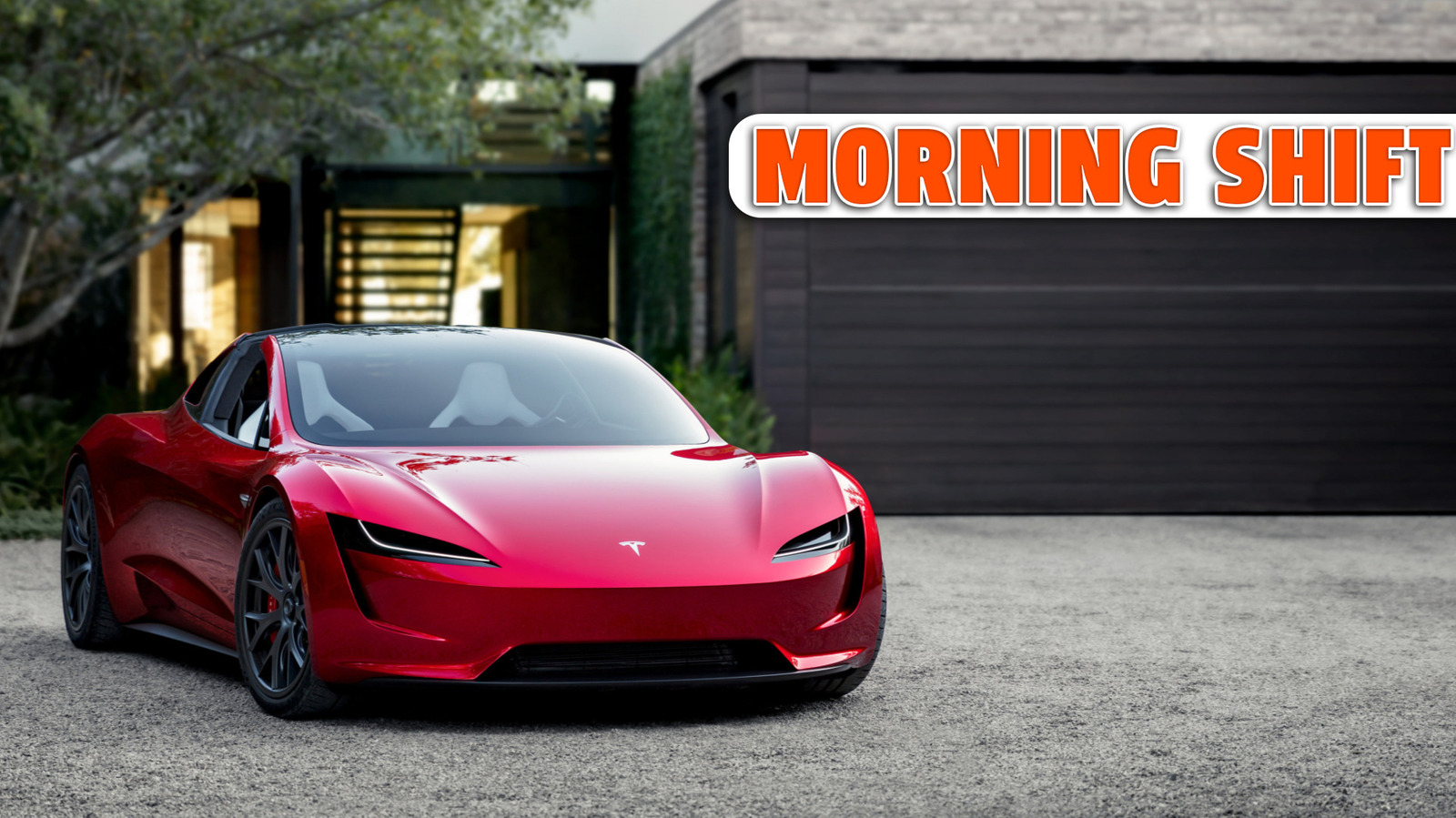
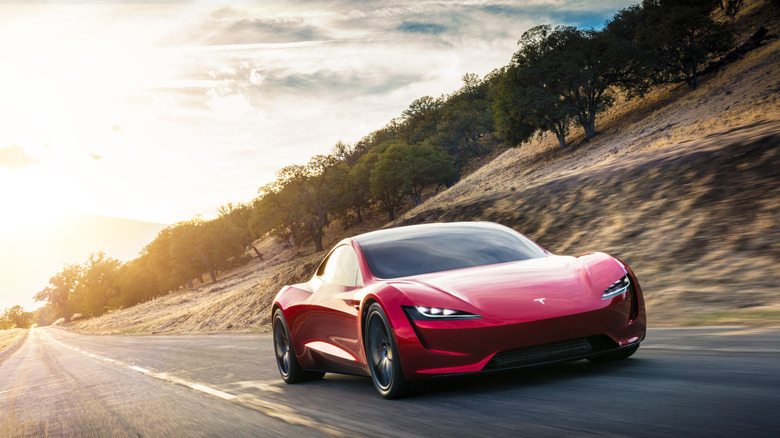
Nine years after first teasing the second-generation Roadster as a surprise footnote to a Tesla Semi presentation, the company is finally set to unveil the production-spec vehicle tonight at 9:00 p.m. ET.
A Nine-Year Odyssey
The road to this evening’s reveal has been paved with broken promises and shifted priorities. When the prototype first broke cover in 2017, the promise was a $200,000 electric sports car that would redefine performance. At the time, Tesla was a company defined by its singular focus on growth and disruptive potential. Today, the landscape is different. CEO Elon Musk has notably downplayed the car’s importance to Tesla’s bottom line, characterizing it as a "small potato situation" that won’t move the needle financially.
Despite the skepticism, the appetite remains. Tesla is still holding onto $50,000 reservations, suggesting that even with a near-decade of delays, there is a dedicated base of early adopters waiting to see if the hardware can live up to the original hyperbole.
Chronology of the Roadster Saga
- November 2017: The next-generation Roadster is unveiled as a surprise addition to the Tesla Semi launch. Claims of 0-60 mph in 1.9 seconds and 620 miles of range stun the industry.
- 2020: The original target date for initial deliveries passes without a mention of production.
- 2023: Elon Musk publicly describes the project as a non-essential endeavor, citing the company’s pivot toward mass-market affordability and autonomy as higher priorities.
- October 2026: Tesla confirms a formal re-reveal event. The automotive world waits to see if the production model retains the ambitious specs promised in 2017 or if it has been fundamentally re-engineered to meet current regulatory and manufacturing realities.
Global Implications: The European Crucible for Chinese EVs
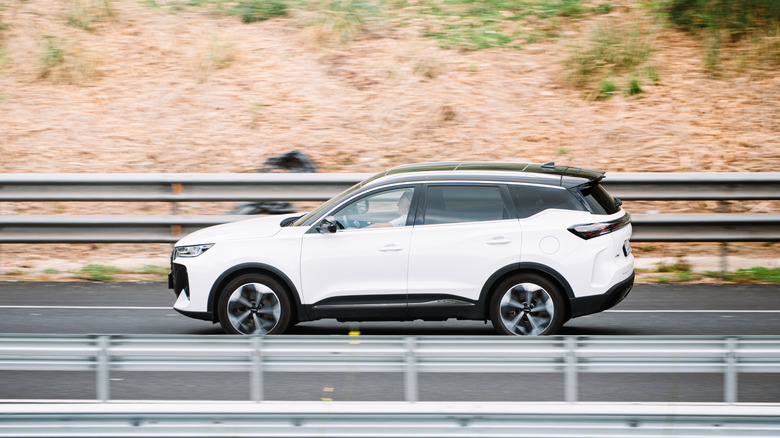
While Tesla focuses on high-end performance, the broader industry is facing a more pressing challenge: survival. The Paris Motor Show is currently playing host to a record 20 Chinese automotive brands, all vying for a foothold in the European market.
Why Europe is the Last Frontier
The domestic Chinese market has become hyper-saturated, leading to a consolidation phase that threatens to prune weaker players. With the United States market largely inaccessible due to protectionist trade policies and tariff barriers, Europe has become the primary battleground for these manufacturers.
Industry experts, including François Roudier of the International Organization of Motor Vehicle Manufacturers (OICA), suggest that the stakes could not be higher. "If they drop exports in Europe, they die," Roudier noted. For brands like Chery or Ebro, the European market is not merely a source of profit; it is a prerequisite for continued existence. This shift echoes the historical survival of brands like Buick, which avoided obsolescence by finding a second life in the Chinese market in the late 2000s. Now, the tide has turned, and it is the Chinese brands looking to the West to validate their long-term viability.
Market Shifts: Canada’s Changing Tastes
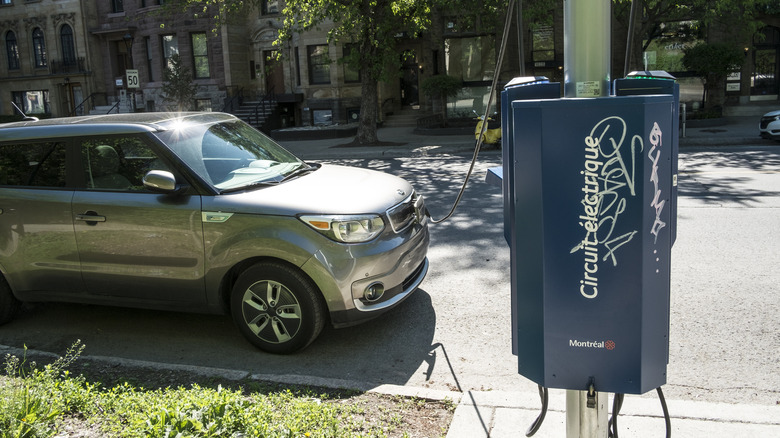
In North America, consumer sentiment is undergoing a rapid transformation. Data from the third quarter of 2026 shows a marked cooling in demand for traditional, full-sized pickup trucks in Canada, replaced by a surprising surge in interest for electric vehicles (EVs).
Data Breakdown: The Canadian EV Uptick
According to figures from JD Power Canada, EVs captured nearly seven percent of the market share in the third quarter alone. When accounting for plug-in hybrids, that figure jumps to 10 percent.
- Affordability vs. Utility: While the North American market has historically prioritized the utility of the pickup truck, high fuel prices and shifting generational preferences are rewriting the rulebook.
- The "Surprise" Factor: Analysts are expressing surprise at the speed of this transition. However, the macro-economic reality is clear: as internal combustion becomes more expensive to operate and the cultural perception of the "traditional" auto industry shifts, the barriers to EV adoption are falling.
Official Moves: Penske Goes Private
In a major structural shift for the U.S. dealer network, the Penske Automotive Group is being taken private. The deal, valued at $16.3 billion, involves a consortium led by Penske Corp—founded by racing legend Roger Penske—and the Japanese trading giant Mitsui & Co.
The Financial Mechanics
The acquisition, executed through a new entity titled Motown Acquisition Corp, offers shareholders $212 per share—a significant 8.8% premium over the stock’s previous closing price.
- Strategic Consolidation: By moving the company into private hands, the leadership at Penske is insulating the dealership network from the volatility of public market expectations.
- Closing Timeline: The transaction is expected to be finalized by the first quarter of 2027. This move signals a trend where massive, capital-intensive automotive service companies are choosing to operate away from the scrutiny of quarterly earnings calls, likely to better navigate the current climate of tariffs and supply chain unpredictability.
Supporting Data: The Current Economic Baseline
As we monitor the pulse of the automotive world, the price of fuel remains the ultimate indicator of consumer comfort. Despite global geopolitical tensions—particularly concerning the Strait of Hormuz and ongoing conflicts in the Middle East—gas prices have remained relatively stagnant.
While analysts warn that any escalation in the war on Iran could trigger a sharp rise in pump prices, for now, the consumer is experiencing a "new baseline." This stability is providing a temporary buffer for the automotive industry, which is already struggling to balance the transition to electric powertrains with the need for immediate profitability.
Implications: A Crossroads for the Industry
The events of this week highlight a fundamental truth: the automotive industry is no longer just about building cars. It is about navigating a geopolitical minefield.
- For Tesla: The Roadster reveal is a test of brand loyalty. Can the company still command the "innovation premium" that defined its early years?
- For Chinese OEMs: Europe is the "do or die" proving ground. The sheer number of brands entering the market indicates a desperation that will likely lead to aggressive pricing and rapid technological iteration.
- For Dealerships: The transition to private ownership, as seen with Penske, indicates that the traditional retail model is bracing for a period of extreme volatility. Dealers are preparing for a landscape where trade wars and tariff-driven pricing will make the used car market more attractive than ever.
As we look toward the 9:00 p.m. reveal of the Roadster, one thing is certain: the era of "business as usual" for the automotive sector has officially concluded. Whether through the lens of electrification, global trade, or corporate restructuring, the industry is in a state of permanent evolution. We will be there to cover it all.
