

By Crystal Bell
October 11, 2026
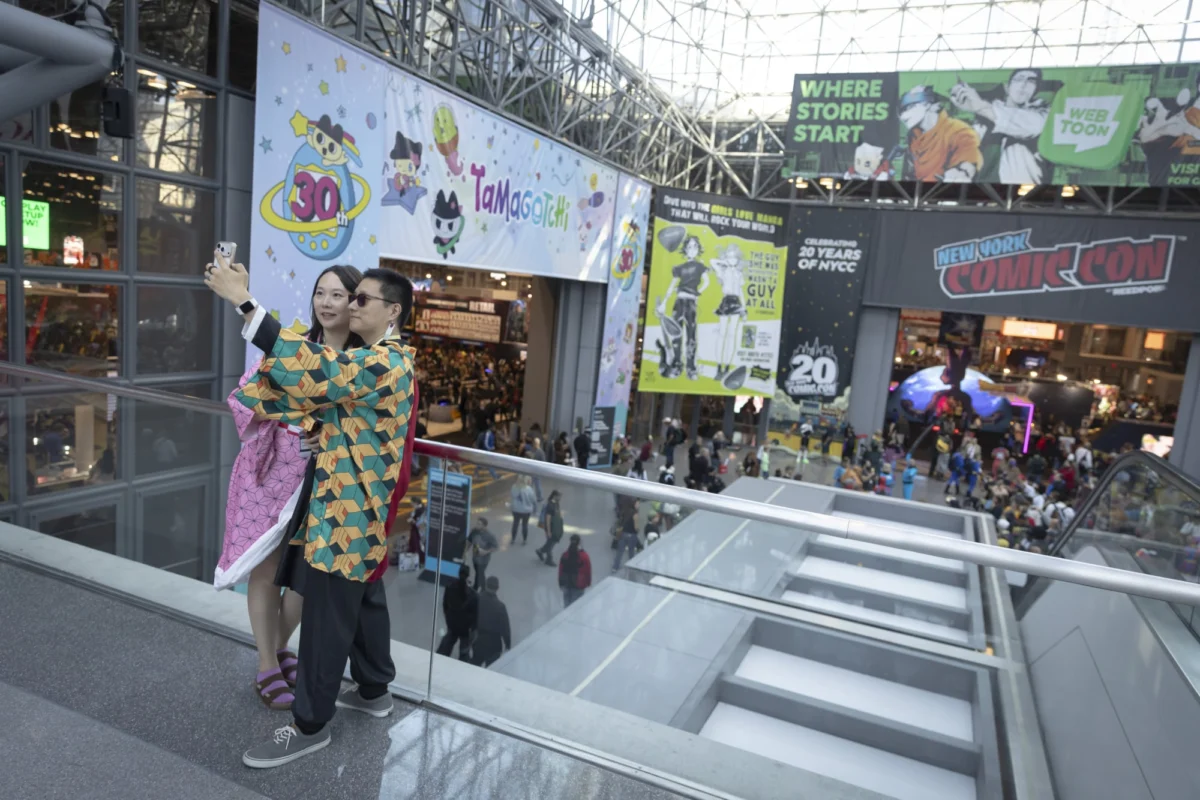
From the elevated vantage point of the dedicated creator lounge at the Javits Center, the floor of New York Comic Con (NYCC) resembles a living, breathing ecosystem of modern media. Below, thousands of attendees—a sea of intricate cosplays, towering props, and pop-culture enthusiasts—stream through the main entrance. It is a spectacle of fandom, but in 2026, it is also something more: a high-octane, perfectly curated production set designed for the digital age.
As fandom migrates further into the realms of TikTok, YouTube, and Instagram, the traditional convention model is undergoing a radical metamorphosis. NYCC is no longer just a place to see and be seen; it is a sprawling, immersive content studio. Organizers, recognizing the shift in how entertainment is consumed, have begun to architect the convention experience with the "shareable moment" as a foundational pillar.
The Evolution of the Fandom Experience
The shift toward a "content-first" convention model did not happen overnight. While conventions have always been hubs for fan activity, the post-pandemic landscape accelerated the demand for high-quality, real-time social media integration.

For NYCC, the pivot began in earnest in 2021. As live events cautiously returned, the convention leaned into the power of short-form video. By hiring professional creators to manage its official TikTok presence during the event, NYCC saw its reach skyrocket, engaging over 8 million people in just four days. This experiment proved that for the modern fan, the digital coverage of the event is often just as significant as the physical attendance.
"We started engaging with them very intentionally following the pandemic when live events were coming back," says Fallon Prinzivalli, Marketing Director at NYCC. What began as a social media experiment has matured into a sophisticated, formal program that acknowledges content creators as vital stakeholders in the entertainment industry, alongside major studios and exhibitors.
Chronology of a Shift: From Press to Creator
Historically, the barrier to entry for media access at conventions was rigid, catering strictly to traditional press. However, as the lines between "influencer" and "journalist" have blurred, the logistics of the convention floor have followed suit.
- 2021: NYCC launches an experimental social media strategy, utilizing third-party creators to handle digital coverage.
- 2022–2024: The "Creator Badge" program is formalized. A vetting process is established, focusing on audience engagement and niche authority rather than just raw follower counts.
- 2025: The introduction of the "Creator Lounge" at the Javits Center. This dedicated space provides high-speed Wi-Fi, professional lighting, and a sanctuary for editing, signaling a shift in how the venue views its attendees.
- 2026 (Present): Architectural and aesthetic changes are made to the venue itself, including the design of the Crystal Palace banners, which are explicitly built to act as backdrops for vertical video.
Supporting Data: The Creator Economy at the Javits Center
The demand for these credentials has reached an all-time high. This year, NYCC received thousands of applications for its limited pool of creator badges, forcing organizers to close the portal in August. While the convention requires a baseline of 200,000 followers, the decision-making process is increasingly nuanced, factoring in originality, community impact, and the potential for long-form storytelling.

The "Creator Lounge" has become the heartbeat of this new professional tier. It isn’t merely a rest stop; it is an incubator. Equipped with charging stations, tripods, and quiet zones, it allows creators like Brandon Bullock (known as "Anime News Guy") to bridge the gap between real-time reporting and high-quality production. "My coverage is dictated by the news cycle," Bullock explains. "I shoot on the floor, head upstairs to edit, and publish while the announcement is still fresh."
This efficiency is crucial in an era where the shelf life of "breaking news" at a convention is measured in minutes, not hours.
Official Responses and Strategic Design
The transformation of NYCC is not accidental; it is a calculated response to the way pop culture is now experienced. According to Prinzivalli, every element of the convention—from sponsor activations to the placement of signage—is now reviewed with an eye toward the screen.
"We’re very conscious that everything we create now is a shareable moment," says Prinzivalli. The 20th-anniversary banners in the Crystal Palace are perhaps the most literal manifestation of this. By lowering the text and graphics, organizers have created a physical "frame" that fits perfectly within a phone’s camera view, turning every attendee into a potential content creator for the convention’s brand.

Furthermore, the convention has scaled its internal livestream production. By hosting a dedicated studio in the River Pavilion, NYCC provides a platform for both established journalists and prominent digital creators to conduct interviews, ensuring that those at home feel the "pulse" of the floor.
The Implications: Where Fandom Meets Production
This shift carries significant implications for the future of live events. As Kallen Zborovsky-Fenster (@king_kallen) notes, the convention is now a "priority event" on the annual content calendar. For a new generation of creators, the convention floor is a workplace as much as a playground.
However, this creates a unique tension. Creators like Caroline Martini (@newyorkcaroline) emphasize that even with professional responsibilities, the fundamental nature of the convention remains rooted in passion. "When you’re making content about something you love, it can be hard to separate the enjoyment of the moment from the urge to capture it," she says. The struggle to remain present while filming is a common theme among the creator community.
Building a New Professional Network
The creator lounge also serves as a nexus for industry networking. For a student like Zborovsky-Fenster, the badge is not just a free pass; it is a catalyst for career advancement. By meeting fellow creators, producers, and industry insiders in the lounge, the barrier between "fan" and "professional" begins to dissolve.

The professionalization of the fan experience also brings a new kind of visibility. Some creators have achieved such high levels of engagement that they are treated as celebrities in their own right, stopped on the convention floor by fans for photos. This creates a circular economy of influence: the fans build the creators, the creators build the hype for the brands, and the brands return to the convention to capture that energy.
The Future of the "Shared" Event
As we look toward the future of events like New York Comic Con, it is clear that the "content studio" model is here to stay. The physical and digital worlds are no longer separate entities; they are deeply intertwined.
The success of this model relies on the idea of community. Digital communities bring fans together, but the convention provides the physical space to validate those connections. The username becomes a face; the digital interaction becomes a tangible memory.
As Prinzivalli observes, the relationship is circular. The enthusiasm generated at the convention becomes the content that fuels the feeds, which in turn drives the excitement for the next convention. In 2026, the Javits Center is no longer just a building in New York City—it is the central node in a massive, global, and constantly updating digital conversation. The convention has successfully pivoted from being a destination to being a medium, ensuring its relevance in a digital-first world for years to come.
