

In the world of personal finance, few figures command as much authority as Peter Adeney, better known to his millions of readers as "Mr. Money Mustache" (MMM). For nearly two decades, Adeney has been the torchbearer of the Financial Independence, Retire Early (FIRE) movement, advocating for a lifestyle defined by radical frugality, self-reliance, and the rejection of mindless consumerism.
However, a surprising pivot in his personal philosophy—and his bank statements—has recently captured the attention of his dedicated following. After years of preaching the virtues of extreme cost-cutting, Adeney has spent the last two years intentionally exploring an "abundance mindset." The results of this experiment, recently detailed by the blogger himself, reveal a fascinating paradox: even when he tries to spend like a "proper wealthy person," the financial gravity of his long-term habits keeps his spending remarkably low.
The Shift: From Frugality to Abundance
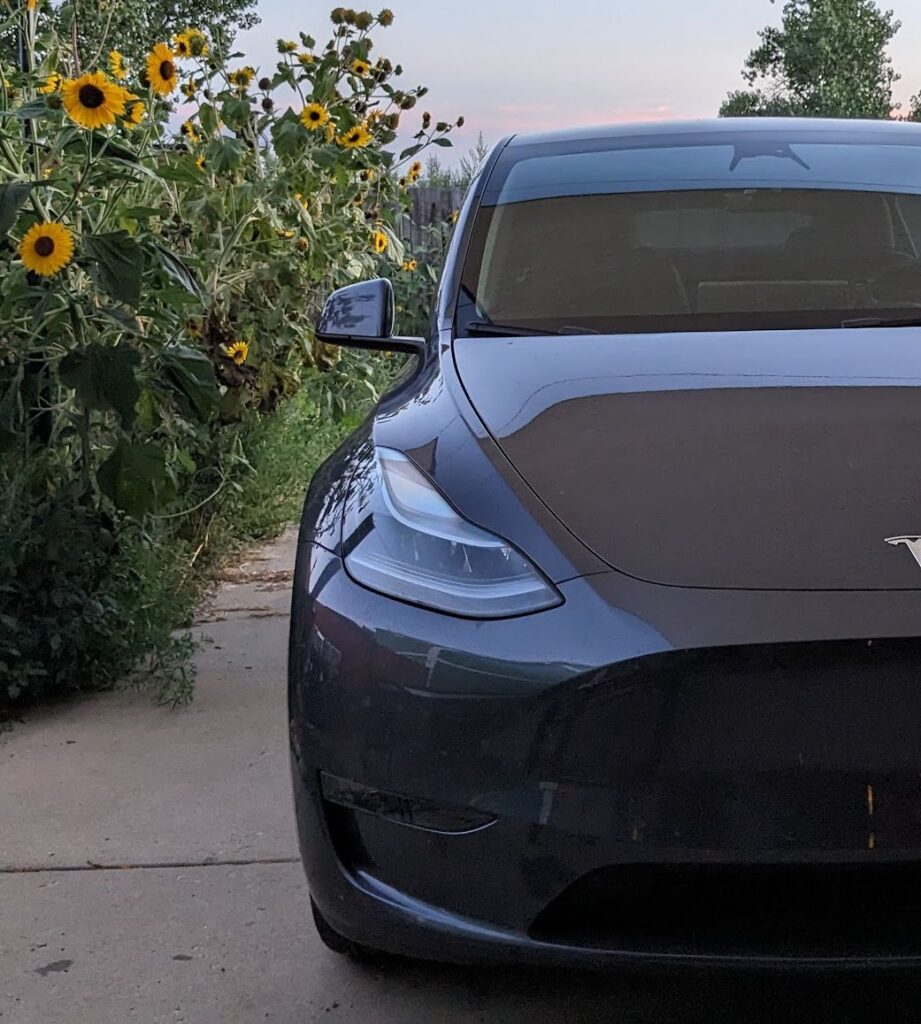
The turning point for Adeney began roughly two years ago when he published a controversial piece justifying the purchase of a Tesla Model Y. For a man whose brand was built on riding bicycles and eschewing luxury, the move signaled a shift. He wasn’t just buying a car; he was testing a hypothesis: Could a lifelong minimalist derive genuine, sustainable joy from consciously increasing his consumption?
"Look at me!" Adeney wrote, reflecting on his decision to realign his habits. "I’m such an enlightened middle-aged Badass, adjusting habits and realigning myself at the snap of my fingers."

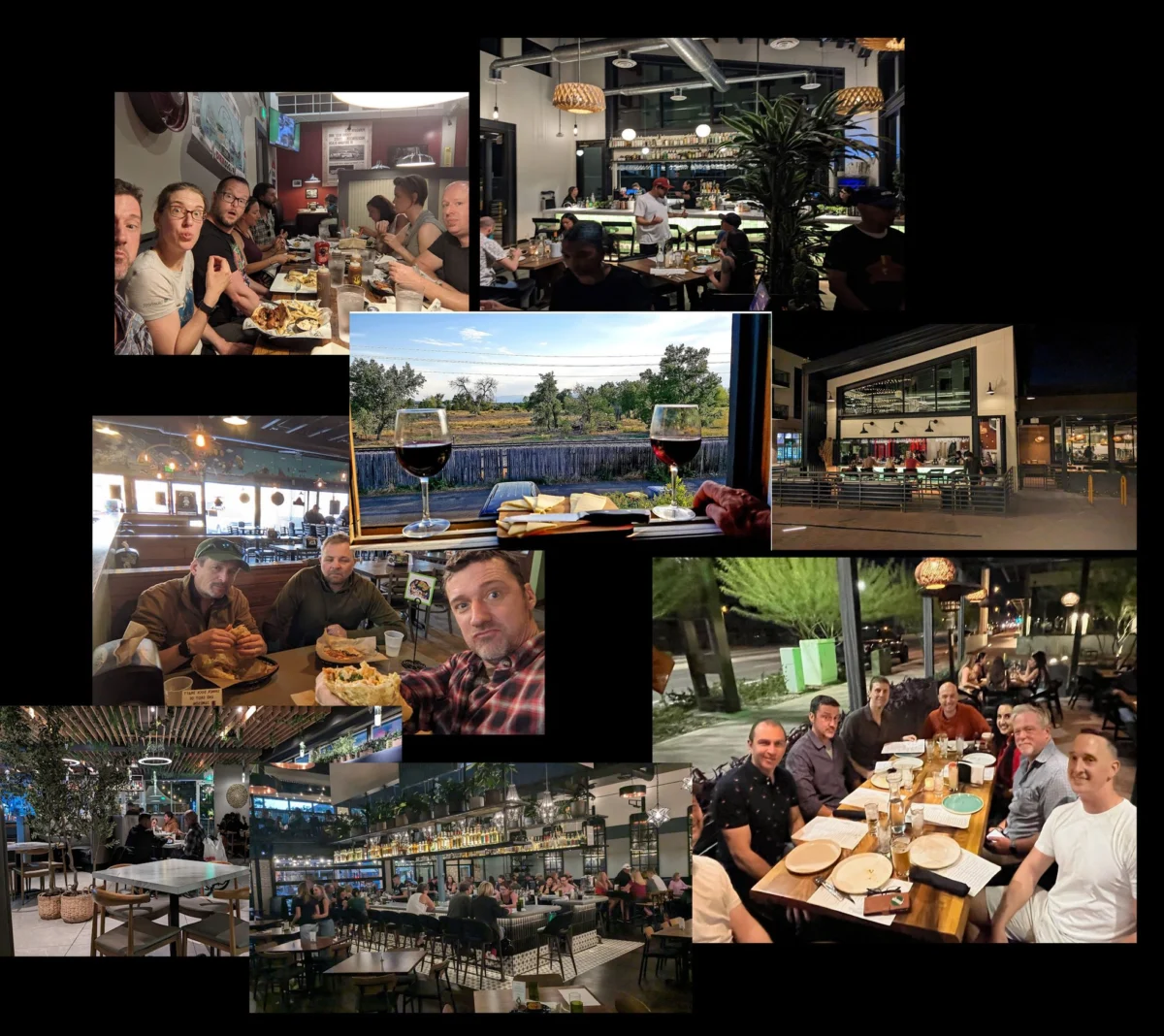
Over the subsequent 24 months, Adeney leaned into this new persona. He swapped budget-conscious choices for "nicer" hotels, prioritized comfort on air travel, and bypassed his usual wholesale warehouses like Costco and Sam’s Club in favor of upscale grocery shopping at Whole Foods. He spent his time traveling, attending EDM concerts with his son, and visiting immersive art installations like Meow Wolf.
Chronology of the "Expensive" Year
The transition was not merely financial; it was existential. Having spent much of the year as a single man, Adeney possessed a rare, unencumbered schedule. This allowed him to focus on building community and fostering new experiences.
- Phase 1: The Tesla Catalyst (2023): The purchase of the Model Y served as the psychological "gateway" to a more flexible spending approach.
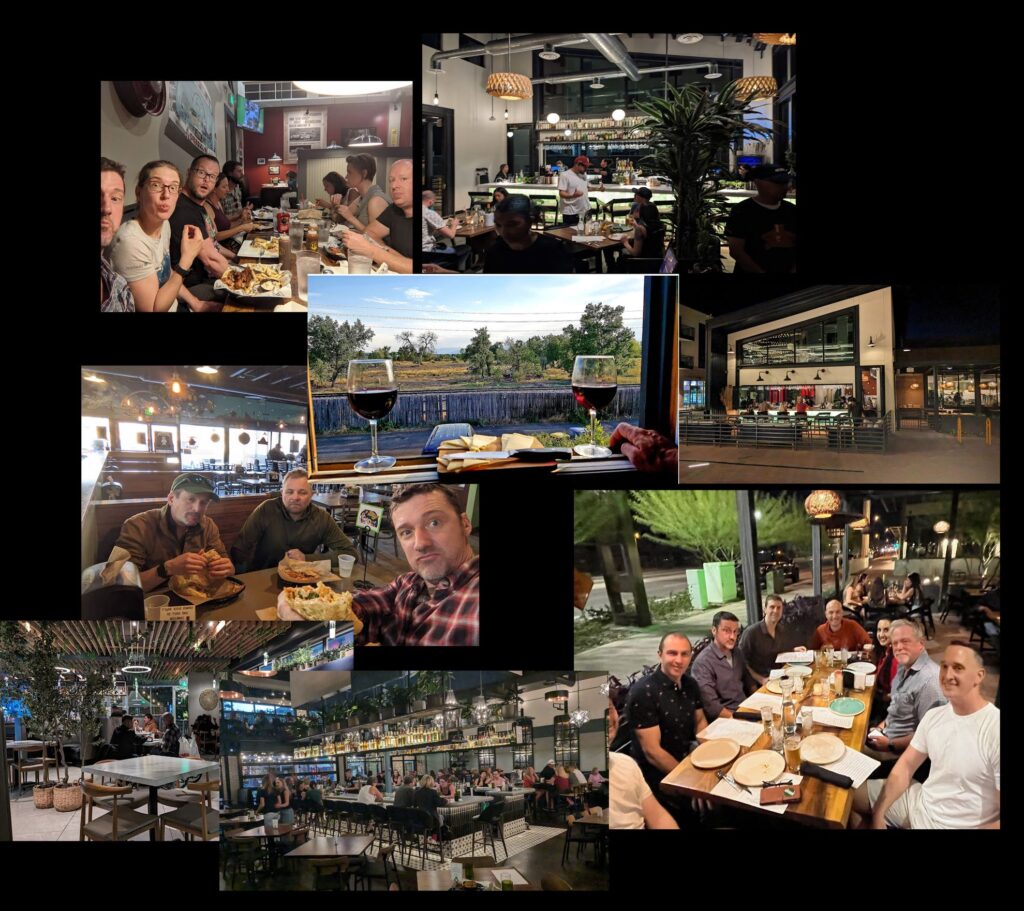
- Phase 2: Lifestyle Inflation (2023–2024): Adeney began prioritizing quality of experience over the lowest possible price point. This included frequent dining at stylish restaurants and choosing convenience over bargain-hunting.
- Phase 3: The Audit (Late 2024/Early 2025): Driven by an informal coaching session with a friend, Adeney sat down to reconcile his books. He expected his newfound "abundance" to have decimated his once-tight budget. Instead, he found the numbers told a different story.
Analyzing the Data: The $30,000 Reality
When Adeney finally hit the "sum" button on his annual spreadsheet, the results defied the conventional wisdom of lifestyle creep. Despite his "flashy" spending, his total annual expenditure sat at approximately $30,000—a figure that, even in the current inflationary climate, remains incredibly modest.
Expenditure Breakdown (Annualized)
| Category | Total Spending | Context |
|---|---|---|
| Groceries | $5,960.39 | Includes his son and guests |
| Travel | $6,158.77 | Includes business travel/conferences |
| Healthcare | $3,536.66 | Direct Primary Care + Health Sharing |
| Home/Amazon | $3,554.10 | Mostly reimbursable construction costs |
| Restaurants | $2,243.59 | Discretionary, for "fun" only |
| Automobile | $2,425.21 | Insurance and registration |
| Property Taxes | $2,577.30 | Modest given property value |
| Utilities/Misc | $3,570.80 | Includes high-speed internet |
| TOTAL | $30,026.76 |
The data reveals that even with a more permissive approach to life, the fundamental pillars of Adeney’s financial health remain unchanged. His investments have continued to grow, and his annual spend remains well within the "safe withdrawal" limits of a $1 million nest egg—a threshold he has long since surpassed.
Official Perspective: The "Hidden" Savings
The core of Adeney’s financial resilience lies in what is not in the spreadsheet. The most significant factor is his housing situation. By paying off his mortgage years ago and possessing the manual skills to maintain his own property, he has effectively removed the largest line item—housing—from his cost of living.
"This strategy is not for everyone," Adeney admits. He notes that while he could have mathematically optimized by taking a low-interest mortgage in 2021 and investing the cash, the "peace of mind" provided by a debt-free home provides a utility that index funds cannot replicate. Furthermore, his DIY approach to home maintenance and insurance (which he self-insures) saves him thousands annually.
The Health Care Strategy
Perhaps the most scrutinized aspect of his budget is his approach to healthcare. By combining a Direct Primary Care (DPC) membership ($107/month) with a high-deductible health sharing plan ($201/month), Adeney manages to secure comprehensive coverage for roughly $308 per month. He argues this is a superior, more personalized alternative to the standard, high-deductible bronze plans available on the open market, though he remains humble about his lack of experience with the broader, more complex medical insurance system.
Implications for the FIRE Community
Adeney’s experiment offers several vital takeaways for the FIRE community and those pursuing financial independence:
1. The Diminishing Returns of Spending
The primary implication is that "lifestyle inflation" does not have to be an exponential curve. Once a person has reached a baseline of comfort, the marginal utility of spending an extra dollar on consumer goods often approaches zero. Adeney’s move from a $20,000 to a $30,000 budget was a 50% increase, yet he describes his life as feeling significantly "more abundant."
2. Solving Persistent Problems vs. Doubling Down
Adeney references a key happiness principle: Fixing persistent problems is more effective than doubling down on things already going well. He notes that his life is already filled with joy regarding his relationships, health, and daily activities. His only current "annoyance" is the lack of physical space for his hobbies (music and construction). Rather than buying a larger home to solve this, he is choosing to optimize his current footprint, proving that financial discipline requires a constant negotiation between needs and desires.
3. The Future of the "Mustache" Brand
Adeney remains optimistic about the future. While he has toyed with the idea of a "mountain compound," he is hesitant to add complexity to his life, noting that his current commitments to his home, his coworking space, and his community are already providing maximum fulfillment.
Conclusion: A Blueprint for 2025
As he enters 2025, Mr. Money Mustache’s experiment suggests that wealth is not merely about the accumulation of assets, but the intelligent allocation of resources toward what genuinely improves the quality of one’s days.

For those looking to replicate his success, the message is clear: You don’t need to spend millions to feel like a millionaire. By front-loading your life with smart decisions—paying off the house, investing in personal health, and cultivating community—you create a financial floor that allows you to experiment with abundance without ever jeopardizing your long-term independence.
Adeney’s final note to his readers serves as both a challenge and an invitation: "Where are you at on this spectrum of stinginess versus abundance mentality, and fulfillment versus longing in life?" As he continues to refine his lifestyle, his followers are invited to do the same, proving that even after twenty years, the path to the "Good Life" remains a journey of constant learning.
