

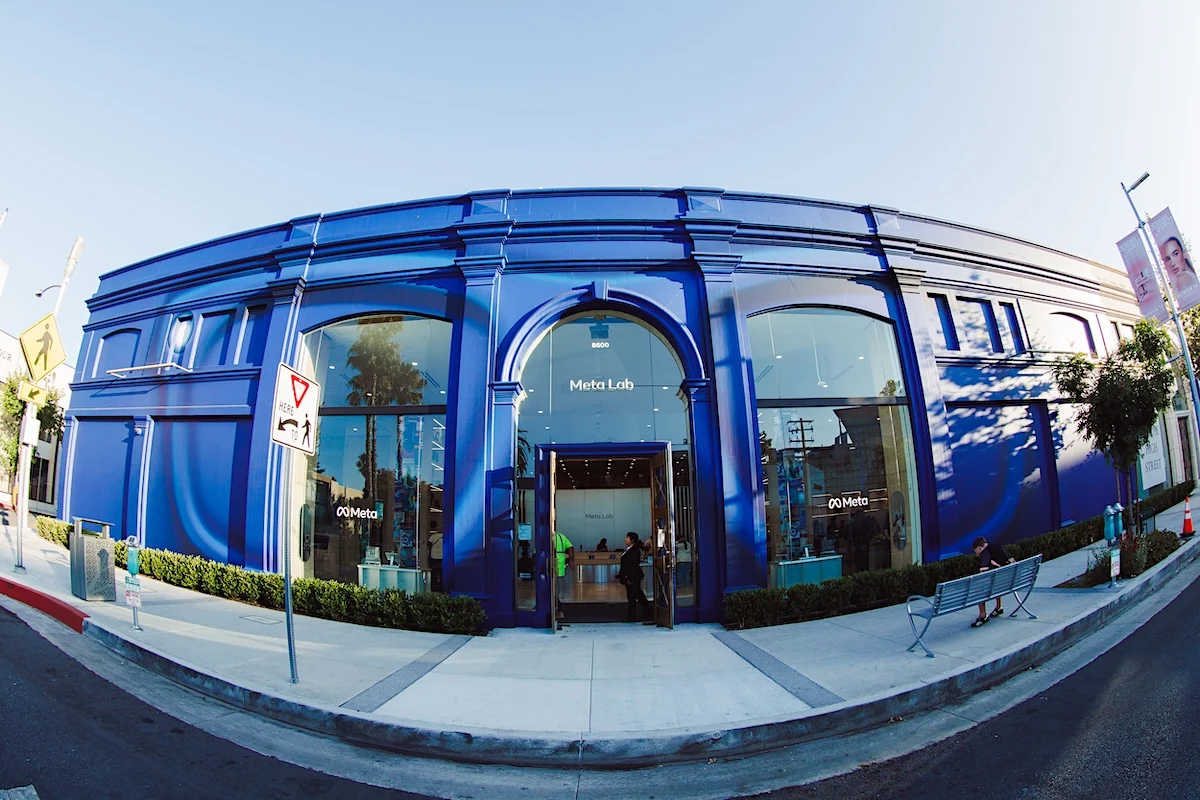
In the heart of Manhattan’s Fifth Avenue, a new kind of retail experience is unfolding. It isn’t defined by traditional mannequins or static displays; instead, it is a hub of ambient technology where shoppers flip through rechargeable cases, test the weight of AI-integrated frames, and customize their gear with local flare. This is Meta Lab, the tech giant’s bold, rapidly expanding foray into brick-and-mortar retail—a move designed to turn abstract artificial intelligence into a tangible, wearable reality.
Meta is currently in the midst of an aggressive physical expansion, planning to nearly double its store footprint by opening six new standalone locations in the coming months. From the high-fashion corridors of New York City to the burgeoning tech hubs of the American South and West, Meta is betting that the key to winning the wearable war lies in the human touch.
The Strategy: Building a "Face-First" Retail Ecosystem
The expansion, which kicked off with a new store in Houston on September 10, marks a significant shift for a company that has historically dominated the digital landscape. Following Houston, the company will plant its flag in Atlanta; San Diego; Chicago; Scottsdale, Arizona; and the Moynihan Station in New York City. These additions will grow the company’s standalone presence from eight to fourteen locations, supplementing its existing flagships in Los Angeles, New York, and Honolulu.
This retail push is not merely about sales; it is about demystifying a product category that many consumers still view with skepticism. Matt Jacobson, vice president and creative director at Meta, frames the initiative as a service to the customer’s most personal real estate: their face.
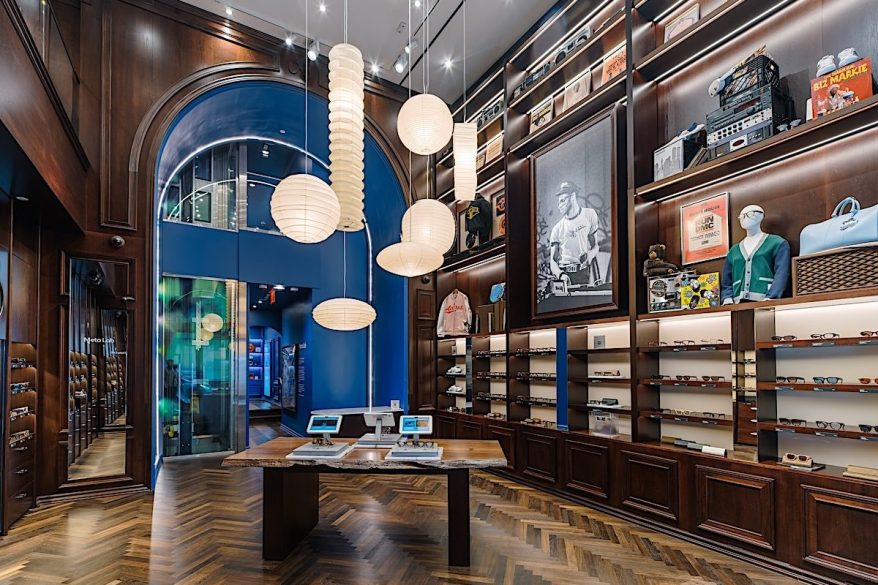
"We’re selling a lifestyle-slash-fashion product," Jacobson noted in a recent interview. "We can’t rely strictly on someone buying these online. It is a personal and somewhat vulnerable process to choose eyewear. We’ve tried to make it feel like a safe place to try on different styles and find the ones that are right for you."
By creating a "residential, not commercial" atmosphere—complete with DJ sets in urban flagships and locally sourced furniture in Hawaii—Meta is attempting to strip away the "tech-bro" stigma often associated with wearables, replacing it with an approachable, lifestyle-oriented environment.
A Chronology of Meta’s Wearable Ambition
Meta’s journey into the physical world of eyewear began as an experiment in partnership and has evolved into a full-scale hardware strategy.
- 2021: Meta, in partnership with EssilorLuxottica, launches the first generation of Ray-Ban Stories. These initial frames were modest, serving as a proof-of-concept for the marriage of classic style and integrated technology.
- 2023: The company rolls out the second generation of its smart glasses, significantly improving the camera, battery life, and AI integration, signaling a more serious commitment to the sector.
- 2024: During its annual Connect conference, Meta debuts the "Meta Lab" pop-up concept. The success was immediate, with over 90% of conference attendees engaging with the space and a quarter of them making a purchase.
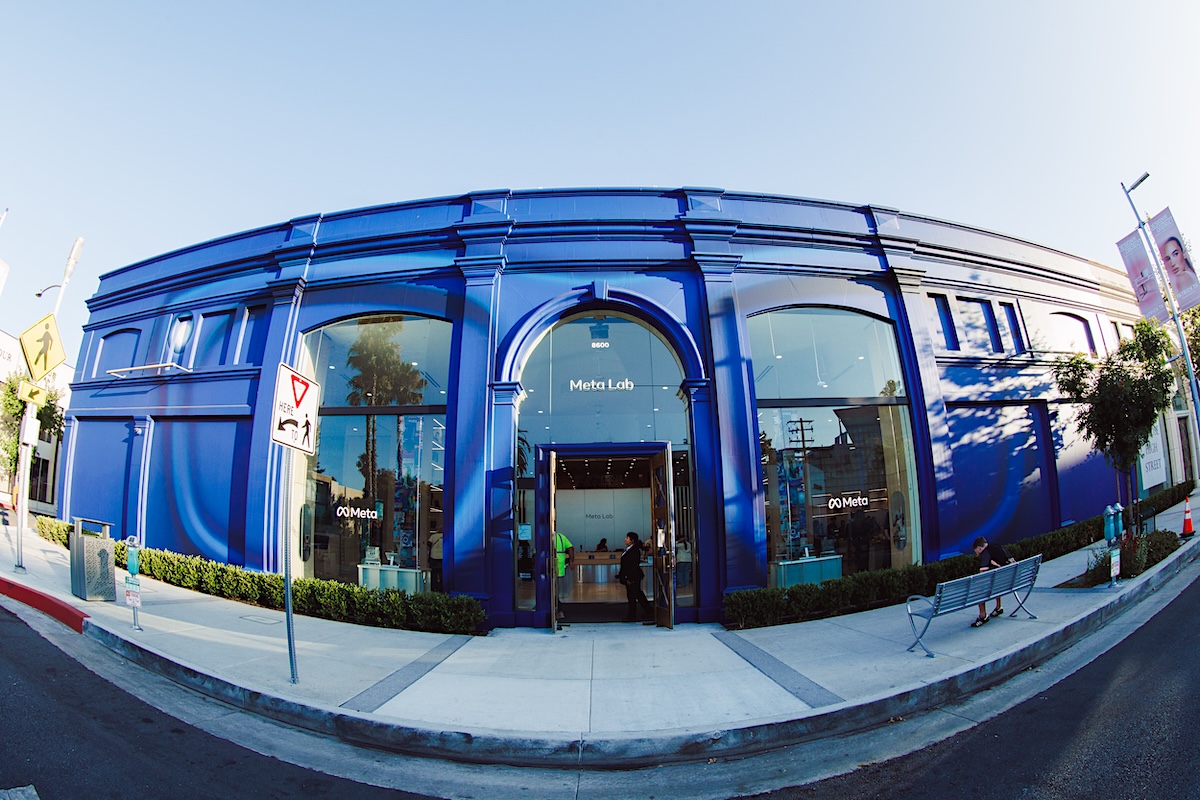
- Late 2024–2025: Encouraged by the pop-up’s success, Meta opens its first permanent brick-and-mortar locations in Los Angeles, New York, and Honolulu.
- 2025: The product line diversifies significantly. Meta debuts the $799 Ray-Ban Display glasses, featuring a heads-up display, and the "Meta Vanguard" glasses with Oakley, targeted specifically at the athletic market.
- 2026 (June): Meta introduces a $299 entry-level glass and a $399 collaboration with influencer Kylie Jenner, whose voice powers the device’s AI assistant.
- 2026 (Present): Meta accelerates its physical footprint, confirming the expansion to six new cities while simultaneously scaling its "shop-in-shop" partnership with Best Buy, aiming for 50 such locations by the end of 2026.
Supporting Data: A Market in Flux
While the wearable market remains in its infancy, the numbers suggest that the "Meta Lab" experiment is hitting a nerve. According to data from Circana, revenue for the smart glasses category surged by 233% over the 12-month period ending in May 2026. Meta currently maintains a stranglehold on the market, holding an estimated 80% share, according to Counterpoint Research.
Despite this dominance, the path to mass adoption remains steep. Business Insider reported that Meta sold at least 7 million units last year, a strong showing for a new category but a fraction of the global smartphone install base. The challenge for Meta is to move beyond early adopters and into the hands of the general public.
Market analysts are divided on the long-term potential. Neil Saunders, managing director at GlobalData Retail, remains cautious. "The idea that smart glasses are going to become a category like phones is a bit fanciful," he argued. "Once bought, they won’t be on a rapid replacement cycle in the same way other devices are."
However, Nicole Greene, a vice president and analyst at Gartner, sees the strategy as a "win-win-win." She posits that by driving tech adoption through physical retail, Meta is not only selling hardware but also grooming a user base for a future ecosystem of data-driven AI services. "They’re helping foster behavior change that will support the sale of hardware and the ecosystem of data," Greene noted.
The Privacy Paradox and Regulatory Headwinds
Meta’s rapid expansion is not without its controversies. The glasses—which utilize a built-in camera that flashes a light when recording—have sparked intense debates over privacy, data collection, and consent.
In May 2026, Texas Attorney General Ken Paxton launched an investigation into the Ray-Ban Meta line, citing concerns that the cameras could be used to violate privacy in sensitive areas such as restrooms. Similarly, in January, the New York Police Department’s counter-terrorism unit issued an internal warning regarding the potential security risks posed by the devices.
Furthermore, the social backlash has been palpable. The term "pervert glasses" has gained traction on social media, fueled by viral videos of users covertly filming individuals in public spaces. Meta has been forced to respond, deploying firmware updates to prevent the camera from operating if it detects tampering with the physical hardware.
Jacobson maintains that the company is committed to education. "This is a new product and a new category that people are just learning how to use," he said. "We’re taking the responsibility to explain to people how they work and why they work, and encourage people to use the product responsibly."
Implications: The Future of Experiential Retail
Meta’s pivot to physical retail has profound implications for how the company intends to interact with its 3.9 billion monthly active users. While platforms like Facebook, Instagram, and WhatsApp provide a global digital reach, they lack the physical presence required to demonstrate the value of complex hardware.
The Meta Lab concept serves as a bridge. It allows for:
- Direct Feedback Loops: By observing how customers interact with the hardware—from the way they tilt their heads to test the display to the questions they ask about battery life—Meta gathers invaluable product development data.
- Brand Legitimacy: By placing stores in high-traffic, luxury-adjacent areas, Meta is attempting to position its wearables as fashion accessories rather than mere gadgets.
- Cross-Platform Integration: The stores act as hubs where the Meta Quest VR ecosystem and the smart glasses lineup converge, creating a cohesive brand experience that is impossible to replicate on a screen.
As the company looks toward its upcoming September 23 Connect conference, the focus remains on the long game. Meta is not just building a store; it is building a new retail infrastructure for an AI-integrated future.
"We’re trying to be really smart about where we feel like retail is going to be three to five years from now," Jacobson concluded. "I really do believe that all retail is experiential. We can’t become a place where people just come in and pick stuff up."
Whether the public will embrace the glasses as a staple of their daily wardrobe or continue to view them with the suspicion currently surrounding the industry remains the defining question for Meta’s hardware division. For now, however, the doors are open, the lights are on, and the company is banking on the idea that once you try on the future, you won’t want to take it off.
