

The landscape of home coffee brewing is undergoing a seismic shift. For decades, the convenience of single-serve pods—characterized by plastic and aluminum waste—defined the American morning routine. However, a new wave of innovation is sweeping through the kitchen appliance industry, led by established giants like Keurig and Lavazza, alongside disruptive newcomers like Caraway. These companies are coalescing around a singular, powerful consumer mandate: the desire for premium, barista-quality coffee delivered through systems that eliminate plastic waste.
Whether through drip systems that prioritize a plastic-free water path or single-serve machines that replace pods with compressed coffee "tabs," the industry is pivoting toward sustainability without sacrificing convenience. This transition represents more than just a material change; it is a strategic repositioning of the coffee maker as a luxury, high-performance, and environmentally conscious appliance.
The State of the Industry: A Shift in Consumer Values
For years, the coffee industry operated on a simple premise: ease of use at the expense of environmental impact. The ubiquity of the K-Cup solidified a consumer habit centered on speed, but it also invited significant criticism regarding the millions of non-recyclable pods discarded annually.
Today, that narrative is being challenged by a sophisticated cohort of "coffee connoisseurs." These consumers are no longer satisfied with basic black coffee; they are looking for the tactile experience of a coffee shop—the rich oils of an espresso, the complexity of a pour-over, and the artistic potential of a latte—all within the comfort of their homes.
Neha Malik, senior director of product management at Keurig, highlights this evolution: "Today’s coffee connoisseurs want rich coffee, and they want it in a more sustainable way." This dual demand for quality and sustainability has become the north star for product development teams across the sector, forcing a move away from the traditional pod-based architecture that defined the 2010s.
Chronology of the Plastic-Free Pivot
The transition toward plastic-free brewing did not happen overnight. It is the result of years of research, development, and testing that began to materialize in the public sphere throughout 2024.
The Lavazza Entry
In June 2024, Italian coffee titan Lavazza made a bold move into the U.S. market with the introduction of its Tabli brewing system. Positioned as a direct competitor to the long-standing Keurig dominance, the Tabli system bypasses plastic pods entirely. Instead, it utilizes compressed coffee tablets available in five distinct varieties, including espresso and super crema. Lavazza signaled its intent to capture the premium market by debuting the machine at its high-profile pop-up lounge during the U.S. Open, effectively aligning the brand with a sophisticated, active, and affluent demographic.
Caraway’s Appliance Debut
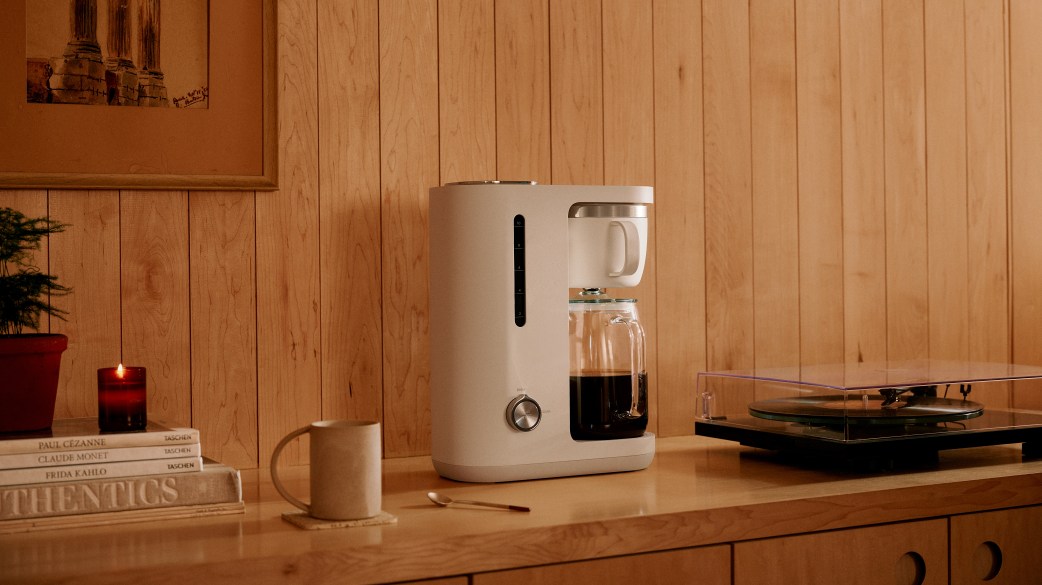
On September 22, 2024, home goods startup Caraway, widely known for its non-toxic, aesthetically driven ceramic cookware, expanded its portfolio by launching its first home appliance: a high-end drip coffee maker. The product was the culmination of five years of intensive R&D. By utilizing a glass water reservoir, a stainless steel showerhead, and a reusable filter, Caraway ensured that plastic never touches the water or the coffee grounds during the brewing cycle.
The Keurig Alta Pre-order
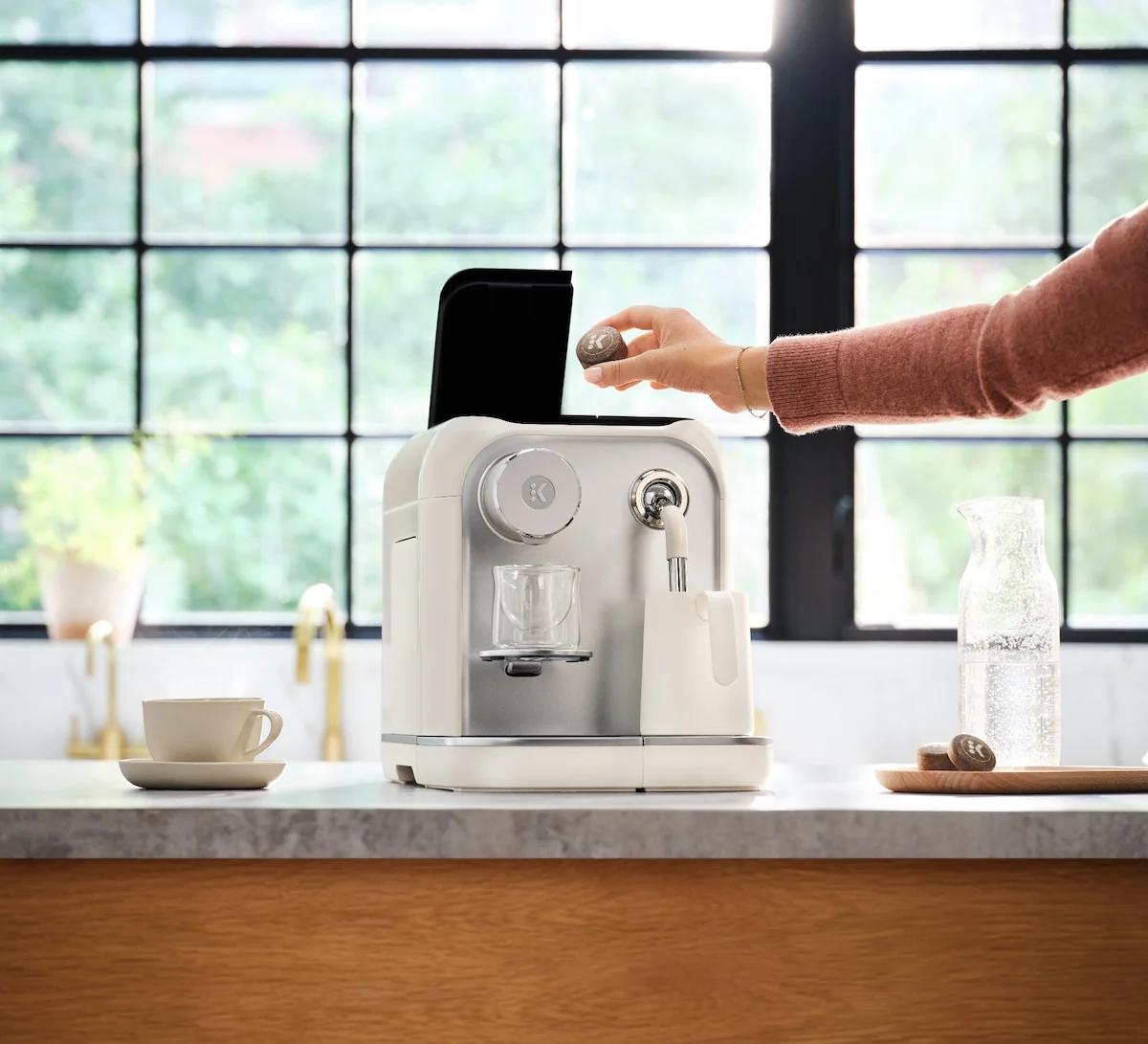
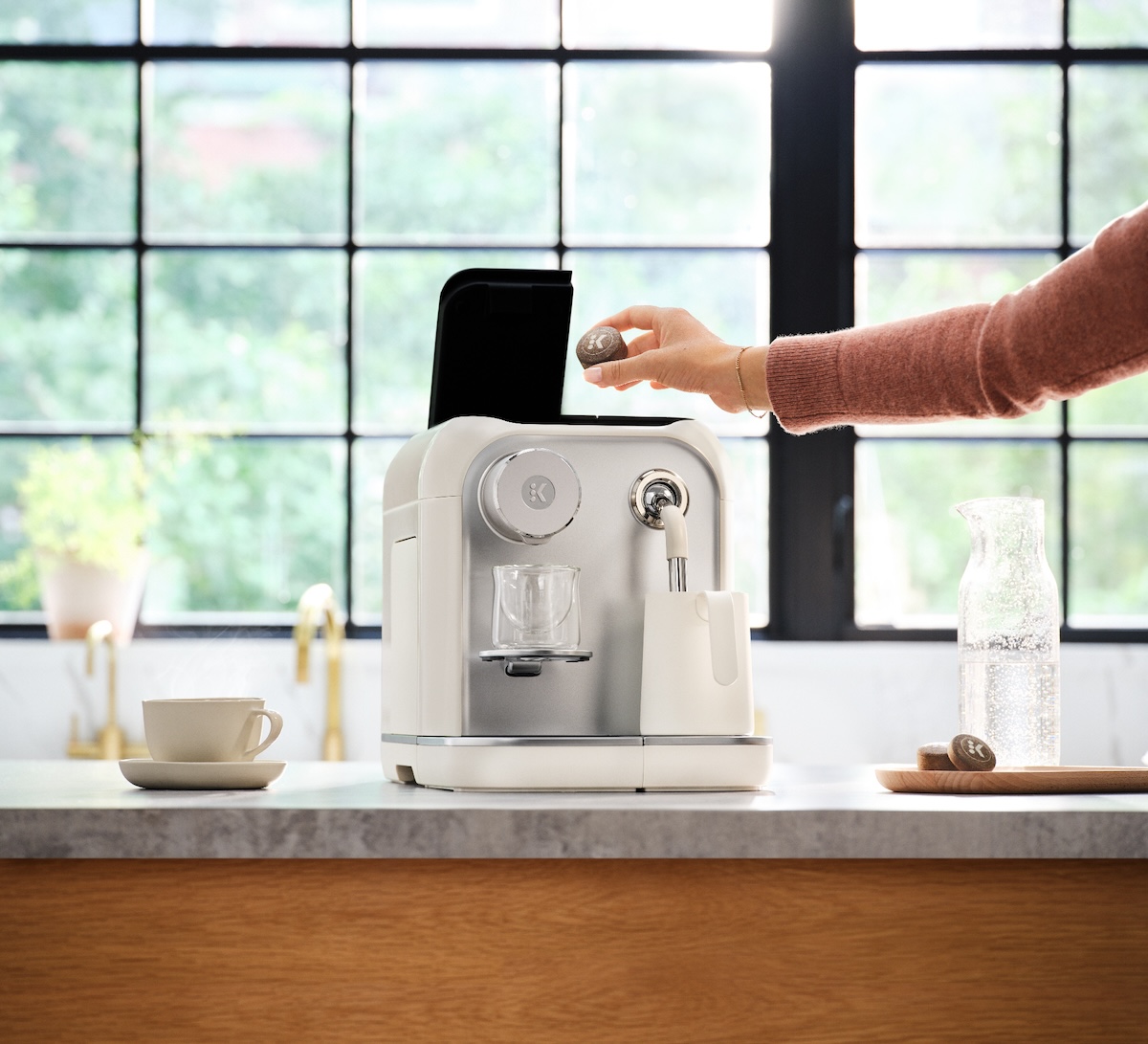
Following the momentum established by its competitors, Keurig launched the Keurig Alta on October 1, 2024, through a limited-access pre-order window. The Alta represents the company’s most significant departure from its legacy model, utilizing plastic-free and aluminum-free "AltaRounds"—pressed coffee pucks—to achieve a more authentic espresso-style extraction.
Supporting Data: High Demand for Premium Sustainability
The market response to these innovations has been nothing short of explosive. The "premiumization" of the home coffee experience is not merely a brand marketing strategy; it is a validated consumer trend.
When Caraway launched its drip coffee maker, the initial inventory sold out within seven days, generating over $1 million in sales. Similarly, the Keurig Alta pre-orders were exhausted within days of becoming available. These metrics suggest that consumers are not only willing to pay a premium for plastic-free, high-design appliances but are actively seeking them out.
Pricing for these new systems further cements their status as luxury items. The Caraway machine enters the market at $495, while the Keurig Alta bundle is priced at $499.99. Even the more accessible Lavazza Tabli machine, priced at $129.99, is positioned to serve a market that prioritizes brand prestige and a superior brewing experience over the bottom-barrel pricing of traditional pod machines.
Official Responses and Engineering Challenges
The development of these machines involved significant engineering hurdles, particularly regarding the physics of coffee extraction.
The Science of Compression
Keurig’s development of the Alta was born from a desire to solve three specific consumer needs identified in 2020: the demand for varied coffee types (lattes and cappuccinos), the desire for richer flavor, and the elimination of plastic waste.
According to Neha Malik, the inspiration for the compressed puck came directly from professional baristas. "We looked at how baristas tamp the coffee down into a cup before they pull their espresso shot," she explained. The compression serves two critical functions:
- Preventing Channeling: Without a properly compressed bed, water follows the path of least resistance, failing to extract the oils and lipids necessary for a full-bodied cup.
- Pressure Regulation: By compressing the grounds, the machine can build sufficient internal pressure to mimic professional-grade espresso extraction.
The Innovation of the Protective Barrier
A major challenge for Keurig was ensuring the compressed puck could survive shipping and handling without the protection of a plastic shell. After testing various coatings, including beeswax and shellac, the team settled on alginate—a seaweed-derived material. The alginate coating serves two purposes: it preserves the freshness of the coffee and allows the spent puck to be disposed of in a compost bin, addressing the core sustainability concern of the modern consumer.
The Importance of Human-Centric Design
Beta testing played a crucial role in shaping these final products. Keurig’s 200-person, eight-week pilot program revealed that consumers didn’t just want a new machine; they wanted a comprehensive experience. The feedback was clear: testers demanded a built-in milk frother and a more "premium" aesthetic. This led to a complete design overhaul, pushing the Alta toward the sleek, countertop-worthy finish that has become a requirement for modern luxury kitchenware.
Implications for the Future of Home Brewing
The rise of plastic-free, premium brewing systems signals a long-term trajectory for the industry. As companies like Caraway, Lavazza, and Keurig iterate on color, design, and functionality, the "standard" coffee maker is being reimagined as a piece of interior design rather than a utility appliance.
The End of the "Disposable" Era
For years, the coffee industry was criticized for its contribution to landfill waste. The move toward compostable pucks and reusable stainless steel/glass paths marks the end of the "disposable" era of coffee. This is a direct response to a more environmentally conscious consumer who views their consumption habits as an extension of their personal values.
A Competitive Arms Race for Design
Jordan Nathan, CEO of Caraway, noted that his company is applying the same strategy to coffee that it applied to cookware. By offering the coffee maker in curated colors—cream, stone, clay, and midnight—Caraway is tapping into the home decor market. This implies that the future of the coffee industry is tied to the broader home lifestyle industry. Brands are competing not just on the quality of the coffee, but on how well the machine integrates into a high-end kitchen aesthetic.
The "Starting Line" for Innovation
As Neha Malik aptly stated, "This is absolutely a starting line, not a finish line." The current success of these machines is likely to trigger a wider ripple effect. We can expect to see more manufacturers abandoning plastic pods in favor of pressed coffee tablets and a surge in home appliances that prioritize sustainable materials like ceramic, glass, and high-grade stainless steel.
Ultimately, the confluence of premium coffee quality and plastic-free engineering is not a passing fad. It represents a fundamental shift in how consumers interact with their morning cup. As technology continues to bridge the gap between the professional cafe and the domestic kitchen, the standard for what a coffee maker should be—and what it should be made of—has been permanently elevated. For the consumer, this means a better, more sustainable cup of coffee; for the industry, it marks a new chapter of innovation, design-led growth, and environmental responsibility.
