

In a stark reminder that the standards of professional conduct in the City of London extend well beyond the trading floor, the United Kingdom’s financial watchdog has permanently barred a former HSBC banker from the financial services industry. The ban, handed down by the Financial Conduct Authority (FCA), follows a criminal conviction for a persistent and elaborate rail fare evasion scheme that cost a major railway operator thousands of pounds.
The case of Joseph Molloy, who held certified functions within the banking sector, highlights the rigid expectations of “honesty, integrity, and reputation” that the FCA demands of all individuals working within regulated financial firms. Despite holding a position of responsibility, Molloy engaged in a calculated fraud that ultimately cost him his career and led to a criminal record.
The Anatomy of the Fraud: The “Donutting” Scheme
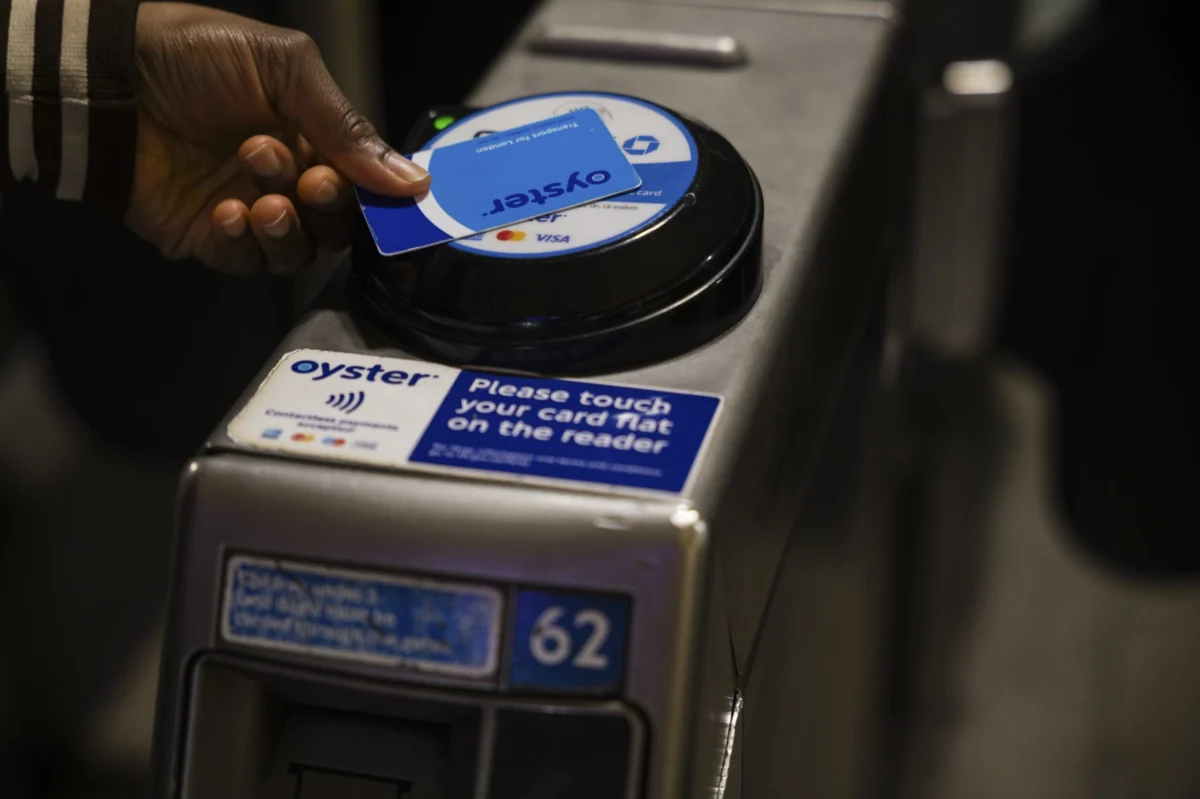
Between October 2023 and September 2024, Joseph Molloy orchestrated a systematic evasion of rail fares on the Southeastern network. The method, colloquially known as “donutting,” involves a deceptive layering of payments designed to exploit gaps in ticketing systems.
Under this scheme, Molloy would purchase valid tickets for short journeys at the beginning and the end of his commute—specifically between his home and his workplace. By doing so, he created the appearance of a legitimate transit pattern, while simultaneously leaving a significant, unpaid “hole” in the middle of his journey. This allowed him to travel across the Southeastern network extensively without paying for the core portion of his commute.
To facilitate this, Molloy did not merely rely on existing tickets. He went to great lengths to obfuscate his identity, establishing at least two distinct accounts with SE Trains Limited (Southeastern) using a web of false names, fabricated addresses, and dedicated email accounts. Over the course of the 12-month period, this sophisticated operation was repeated on no fewer than 740 individual journeys.
The total financial impact of this fraud was calculated at £5,911 (approximately $7,800). While the sum may appear modest in the context of global banking, the FCA viewed the act as a fundamental breach of trust.
Chronology of a Downfall
The timeline of Molloy’s misconduct and the subsequent legal and regulatory fallout serves as a case study in how a professional life can unravel through a lack of personal integrity:
- October 2023: Molloy begins the “donutting” scheme, setting up fraudulent accounts with Southeastern rail.
- September 2024: The fraudulent activity ceases, having spanned nearly a full year and 740 documented journeys.
- January 2026: Appearing at the Inner London Crown Court, Molloy pleads guilty to fraud by false representation under the Fraud Act 2006.
- February 17, 2026: The court delivers its sentence: a 10-month prison term, suspended for 18 months. Additionally, Molloy is ordered to perform 80 hours of unpaid community work, undergo 10 rehabilitation days, pay £5,000 in compensation to Southeastern, and cover £337 in additional costs and surcharges. He is also barred from using the operator for 12 months.
- August 3, 2026: The FCA issues a formal decision notice regarding its intention to bar him from the industry.
- October 1, 2026: The FCA publishes its final notice, confirming the permanent ban. Molloy does not appeal the decision to the Upper Tribunal, effectively ending his career in regulated finance.
The Verdict: A Question of Culpability
During the sentencing phase in February 2026, the presiding judge offered a scathing assessment of Molloy’s actions. Rejecting the notion that the crime was a minor oversight, the judge labeled it a “sophisticated and determined fraud.”
The court noted that Molloy was, by all metrics, a man of means who held a stable position in the banking industry. “Although you were clearly in a financial position to pay the fares, you decided to evade them and that causes a loss to the whole of society,” the judge remarked. The court further emphasized the element of premeditation, stating that the offense demonstrated “high culpability” due to the “considerable planning” involved over the course of the year.
While the judge acknowledged mitigating factors—including Molloy’s personal hardships during the period, his decision to cease the activity voluntarily, and his expressed remorse—these factors only served to influence the suspension of the prison sentence rather than the underlying finding of guilt.
Regulatory Implications: Why the FCA Stepped In
For the Financial Conduct Authority, the criminal conviction was not merely a matter for the courts; it was a matter of professional fitness. The FCA maintains a rigorous standard for those it permits to work in regulated financial roles, and the “fit and proper” test is the cornerstone of this oversight.
In its final notice, the regulator was explicit: “Mr. Molloy’s conviction demonstrates a clear and serious lack of honesty and integrity such that he is not fit and proper to perform regulated activities.”
The FCA’s decision to ban him from performing “any function in relation to any regulated activity carried on by an authorized person, exempt person or exempt professional firm” effectively renders him an outcast in the financial sector. The regulator’s stance is that a person who is willing to defraud a railway operator for personal gain cannot be trusted to handle the fiduciary duties, sensitive data, or complex financial transactions required in banking.
When questioned about the decision, the FCA maintained a firm position, pointing to the final notice as the definitive explanation for their intervention. HSBC, the institution where Molloy was employed at the time of his offenses, declined to provide a statement, reflecting the firm’s desire to distance itself from the individual’s criminal conduct.
Broader Context: The Shadow of Fare Evasion
While Molloy’s specific fraud was directed at Southeastern, a National Rail operator, his actions highlight the broader, systemic issue of fare evasion that continues to plague London’s transit infrastructure. The financial health of London’s transit system is a perennial concern for policymakers, and the loss of revenue to fare dodgers is significant.
According to data from the London Assembly, Transport for London (TfL) estimated that in the 2023/24 period, approximately 3.9% of all journeys across its network were completed without payment. This resulted in a staggering revenue loss of more than £130 million ($171.9 million). While TfL has implemented stricter enforcement measures and is aiming to reduce the evasion rate to 1.5% by the 2030/31 fiscal year, the problem remains persistent.
The situation is even more acute on the London Underground. Reports from the Centre for Government Reform, cited by the Telegraph, indicated that during the first three quarters of the 2025-26 period, the evasion rate on the Tube surged to 5.03%, costing the network an additional £141 million. These figures provide a sobering backdrop to Molloy’s case; while his individual loss of £5,911 seems small in comparison to these millions, his actions represent the exact behavior that transport authorities are fighting to eradicate.
Conclusion: A Career Lost to Misjudgment
Joseph Molloy’s case serves as a cautionary tale for professionals in the financial sector. In an industry where trust is the primary currency, the erosion of personal integrity—even in matters unrelated to the workplace—can lead to total professional exile.
By failing to uphold the basic standard of honesty, Molloy not only suffered the indignity of a criminal conviction and the burden of community service but also forfeited his career. The FCA’s swift and final decision serves as a warning to all in the financial services industry: the regulator’s definition of “fit and proper” extends far beyond the boardroom, and those who prove themselves dishonest in the public square will find no place in the corridors of high finance.
