

Keeping your home in peak condition is more than just a matter of aesthetics; it is a critical strategy for financial preservation and personal safety. Many homeowners view maintenance as an overwhelming, sporadic chore, but when approached with a structured, professional mindset, it becomes a manageable routine that significantly boosts property value and daily comfort.
By shifting from a reactive "fix-it-when-it-breaks" mentality to a proactive strategy, you can avoid the compounding costs of neglected repairs. Whether you are managing an aging property or a new build, understanding the core pillars of home maintenance—roofing, plumbing, climate control, and electrical systems—is essential for any responsible homeowner.

Main Facts: The Economic Impact of Proactive Maintenance
The core truth of home ownership is that small, overlooked issues almost invariably evolve into major structural or financial liabilities. Industry data suggests that failing to address minor water leaks, for example, can result in thousands of dollars of damage due to wood rot, mold proliferation, and compromised drywall integrity.
Furthermore, efficiency is a primary driver of home maintenance costs. A poorly maintained HVAC system can experience a 30% drop in energy efficiency, forcing the system to work harder, run longer, and consume significantly more electricity. By committing to routine inspections, homeowners can typically save up to 10% on their annual maintenance budget, effectively catching "pre-failure" states before they necessitate a complete, costly replacement.

Chronology: The Seasonal Maintenance Lifecycle
A professional home maintenance strategy is best organized through a seasonal cycle. This ensures that every system is prepared for the stressors of the upcoming weather pattern.
Spring: The Deep Clean and Inspection
As winter thaws, the primary focus should be on the exterior. This is the ideal time to clear gutters of winter debris, inspect the roof for shingles damaged by ice dams, and service the cooling components of your HVAC system.

Summer: Monitoring and Optimization
Summer is the time for "predictive maintenance." Monitor your electrical system for signs of strain during heatwaves and ensure that your appliances—particularly refrigerators and dryers—are operating at peak efficiency.
Autumn: Winterization
Before the first frost, your priority must be sealing. This involves checking window caulking, weatherstripping doors, and ensuring your heating system is clean and ready for heavy use.

Winter: Indoor Focus
When exterior work is limited by weather, shift your attention to the interior. Test smoke detectors, inspect plumbing under sinks for slow drips, and conduct a thorough check of your electrical panels.
Supporting Data: Infrastructure and Efficiency
The longevity of a home is directly tied to the health of its "hidden" systems.

Roofing and Structural Integrity
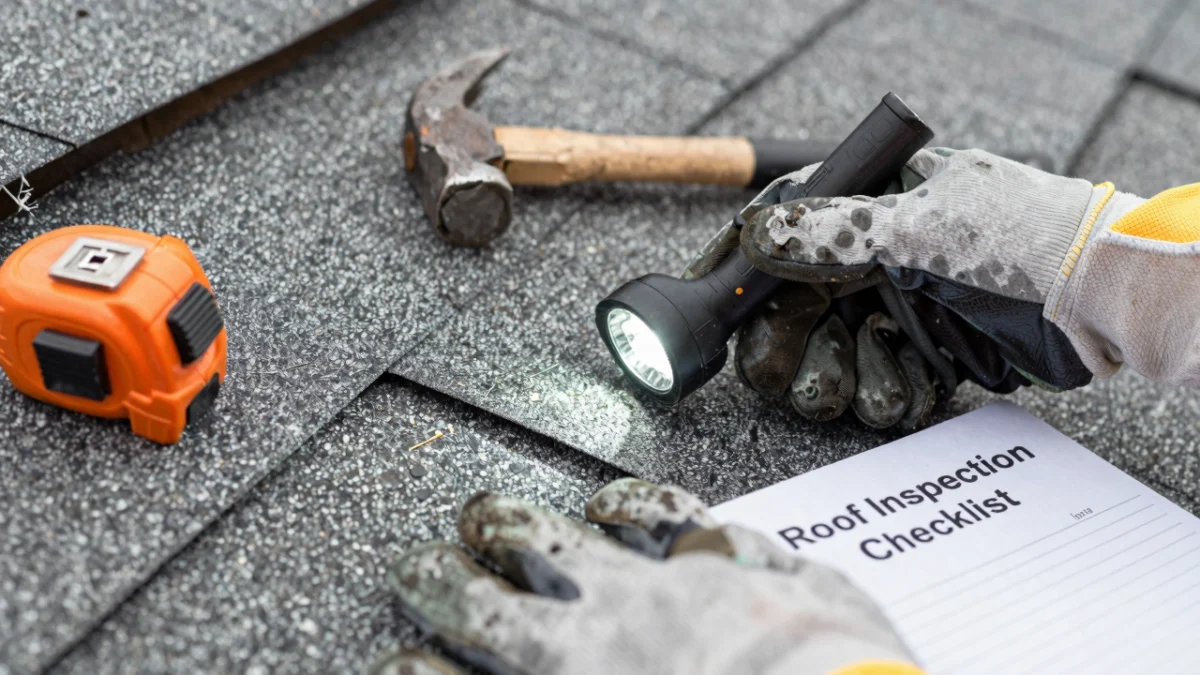
Your roof is the first line of defense. A professional inspection should occur twice annually. Look for missing or "cupped" shingles, which indicate material fatigue. Check the flashing—the metal strips around chimneys and vents—as these are the most common points of water intrusion. Overhanging branches should be trimmed back to prevent physical abrasion and to allow sunlight to inhibit moss growth, which can eat away at shingles over time.
Plumbing: Prevention Over Cure
Plumbing failures are the leading cause of interior property damage. The most effective maintenance involves:

- Pressure Monitoring: Ensure your water pressure is within a safe range (typically 40–60 psi) to prevent pipe stress.
- Drain Care: Avoid harsh chemicals; use mechanical snakes or enzyme-based cleaners to keep lines clear.
- Appliance Connections: Regularly check the hoses behind your washing machine and refrigerator for cracks or bulges.
- Water Heater Flushing: Sediment buildup reduces heater efficiency; flushing the tank annually extends its lifespan by years.
HVAC: The Engine of the Home
The HVAC system is the "lungs" of your home. The most critical, yet frequently ignored, task is the filter change. Replacing filters every 1–3 months is not just about air quality; it is about protecting the blower motor from burnout caused by airflow restriction.
Official Recommendations and Professional Standards
Industry experts often refer to the "3 Ps of Maintenance" to categorize tasks: Preventive, Predictive, and Corrective.

- Preventive: Scheduled tasks such as changing filters and cleaning gutters. These are proactive and low-cost.
- Predictive: Using monitoring tools or professional assessments to identify when a component is nearing the end of its life (e.g., checking the age of a water heater or the vibration levels of a furnace).
- Corrective: Fixing issues that have already manifested. While unavoidable, a good maintenance plan keeps the volume of corrective work to a minimum.
When dealing with the electrical system, the rule is strict: if you see flickering lights, feel warm outlets, or notice a burning smell, you have already moved past "maintenance" into "immediate repair." Professional electrical inspections should be conducted every 3–5 years, with GFCI outlets tested monthly to ensure they trip properly in the event of a ground fault.
Implications: The Long-Term Value of Your Property
The cumulative effect of these actions goes beyond simple utility bill savings. A home with a documented history of maintenance is a more valuable asset in the real estate market. Potential buyers are increasingly looking for "turn-key" properties that won’t require immediate, expensive overhauls.

Energy Efficiency Upgrades
To maximize the return on your maintenance efforts, consider the following upgrades:
- ENERGY STAR Appliances: These can reduce utility costs by $100–$400 annually.
- Attic Insulation: Proper insulation can reduce heating/cooling costs by up to 50%.
- Programmable Thermostats: These systems provide granular control over energy usage, saving approximately 10% on climate control bills.
- Window Sealing: Replacing single-pane windows or simply adding high-quality weatherstripping can prevent up to 20% of energy loss through air leaks.
Indoor Air Quality
For the health of the residents, maintaining air quality is non-negotiable. Beyond regular filter changes, ensure that exhaust fans in bathrooms and kitchens are functioning to pull moisture out of the home. High humidity is a catalyst for mold, which can cause significant respiratory issues and require expensive remediation.

Conclusion: The Path Forward
Home maintenance is a marathon, not a sprint. By developing a seasonal checklist—covering your roof, gutters, plumbing, HVAC, and electrical systems—you are essentially buying an insurance policy against disaster.
Start by mastering the "Basic Five" maintenance skills: fixing a leaky faucet, unclogging a drain, replacing a light fixture, patching drywall, and performing minor carpentry. As your confidence grows, your home will cease to be a source of stress and instead become a well-oiled machine that protects your finances, your health, and your peace of mind.

The most important rule remains: Never delay. A small leak today is a simple fix; a small leak tomorrow is a renovation project. Stay proactive, stay organized, and keep your home in top shape for years to come.
