

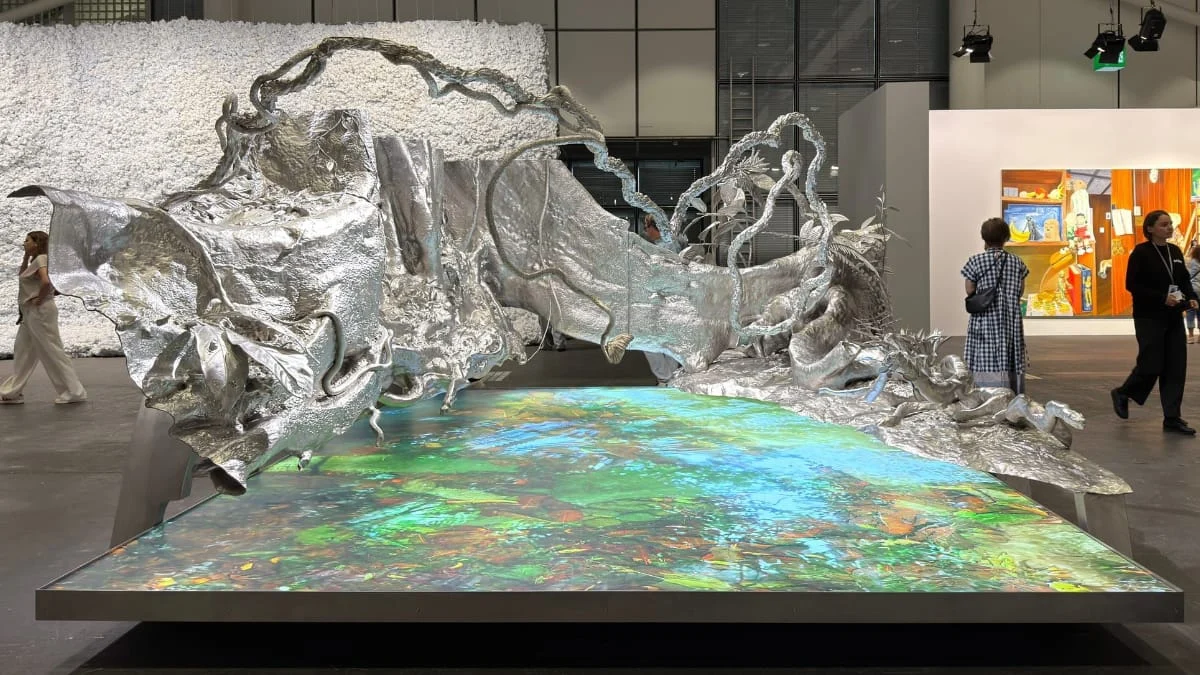
Introduction: A Week of Transformation and Nature’s Resilience
In the fast-paced ecosystem of the contemporary art world, the narrative is often dictated by market trends, blockbuster gallery openings, and the shifting geopolitical climate. Yet, this week, the headlines were punctuated by a rare moment of levity—a duckling family’s impromptu visit to the Frick Collection—reminding us that even within the most austere cultural institutions, life finds a way.
Simultaneously, artists like Kim Dacres are redefining the boundaries of material culture. By turning the discarded detritus of city life—bicycle chains, worn tires, and industrial rubber—into poignant, figurative busts, Dacres challenges us to reconsider the value of the "forgotten" and the resilience of the communities that inhabit the urban landscape. As we navigate the complex currents of the global art market, from the spectacle of Art Basel to the emerging voices in Washington, D.C., we are reminded that art remains our most vital tool for both reflection and radical imagination.
The Art of Reclamation: Kim Dacres and the Poetry of Rubber
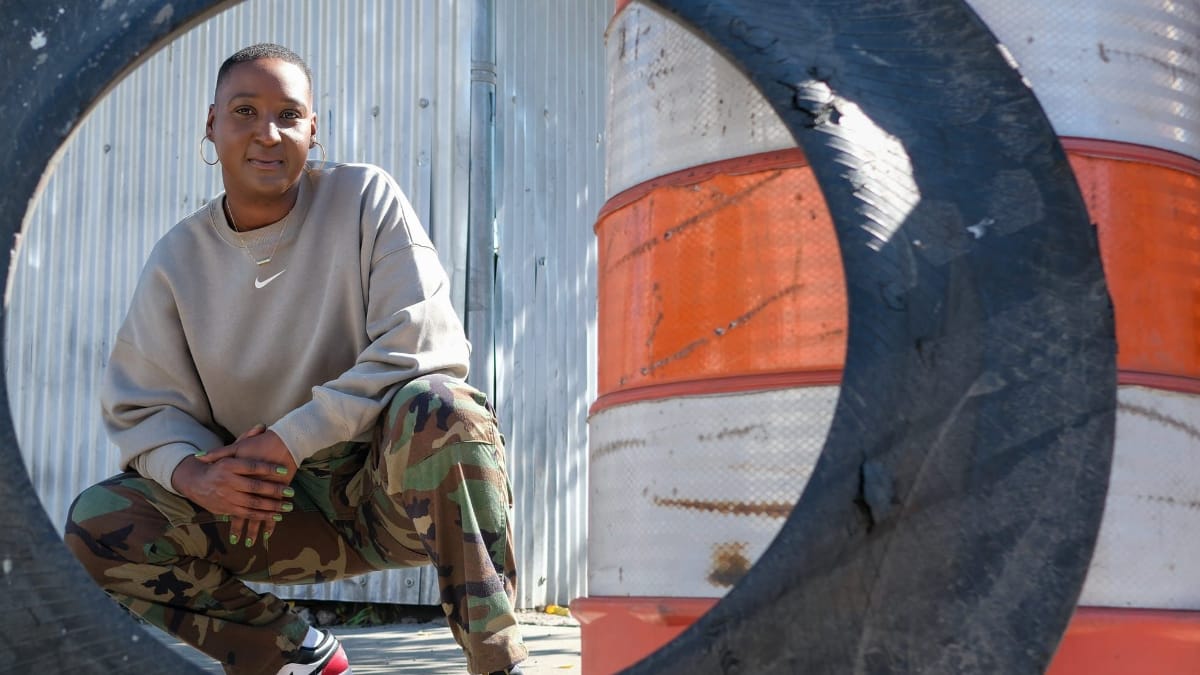
At the heart of the current New York art scene is the meticulously crafted work of Kim Dacres. Her solo exhibition, Lost on a Two Way Street, currently on view at the Charles Moffett Gallery, serves as a masterclass in material reclamation.

The Ritual of "Tire Tuesdays"
Dacres, a native New Yorker and West Harlem resident, treats her artistic process as a civic duty. Every Tuesday, she traverses the streets of her neighborhood, scavenging for the remnants of urban transit: discarded bicycle tires, inner tubes, and pedals. This ritual, which she dubbed "Tire Tuesday," is more than just a hunt for supplies; it is an intimate engagement with the geography of her home.
The resulting sculptures are striking. Dacres braids and weaves the rubber into busts that evoke the strength and endurance of the individuals she observes in her community. By dousing these assemblages in industrial spray paint, she transforms the grit of the city into high-art iconography.
Material as Metaphor
In an interview with Daria Simone Harper, Dacres discussed the metaphorical weight of her medium. Rubber, in her hands, becomes a commentary on the ongoing systemic challenges faced by marginalized groups in the United States. It is a material that is tough, flexible, and capable of withstanding immense pressure—a fitting tribute to the women, queer communities, and immigrants whose lives often form the overlooked backbone of the city. Her work doesn’t just represent these individuals; it embodies their resilience.
Nature’s Interruption: The Frick Collection’s Unlikely Visitors
While the art world often focuses on the intellectual and the abstract, the most viral story of the week originated in the reflective pool of the Frick Collection in Manhattan. A mother duck and her brood of ducklings were discovered waddling through the courtyard, a sight that provided a much-needed emotional reprieve for museum staff and visitors alike.
The Institutional Response
The incident underscored the Frick’s role as both a custodian of culture and a participant in the local environment. Recognizing that the reflective pool, while beautiful, was not a sustainable habitat for a growing brood, museum staff mobilized quickly. Demonstrating a commitment to stewardship that transcended their typical duties, they constructed a temporary ramp, allowing the duckling family to safely exit the pool and make their way toward the lush, expansive greenery of Central Park.
The story is a poignant "feel-good" anecdote, but it also serves as a subtle reminder of the intersection between human-made spaces and the natural world. In an era often dominated by crises, the successful relocation of these birds was celebrated as a victory for kindness and environmental awareness.
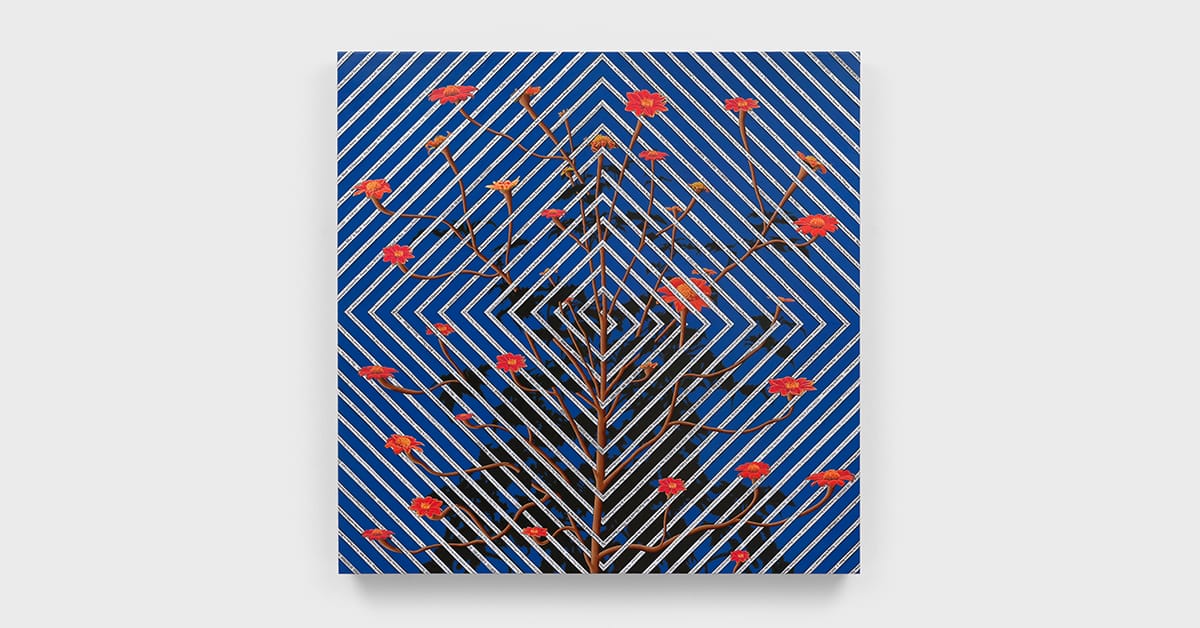
Chronology of Cultural Events: From Basel to the Capital
Art Basel and the Market Pulse
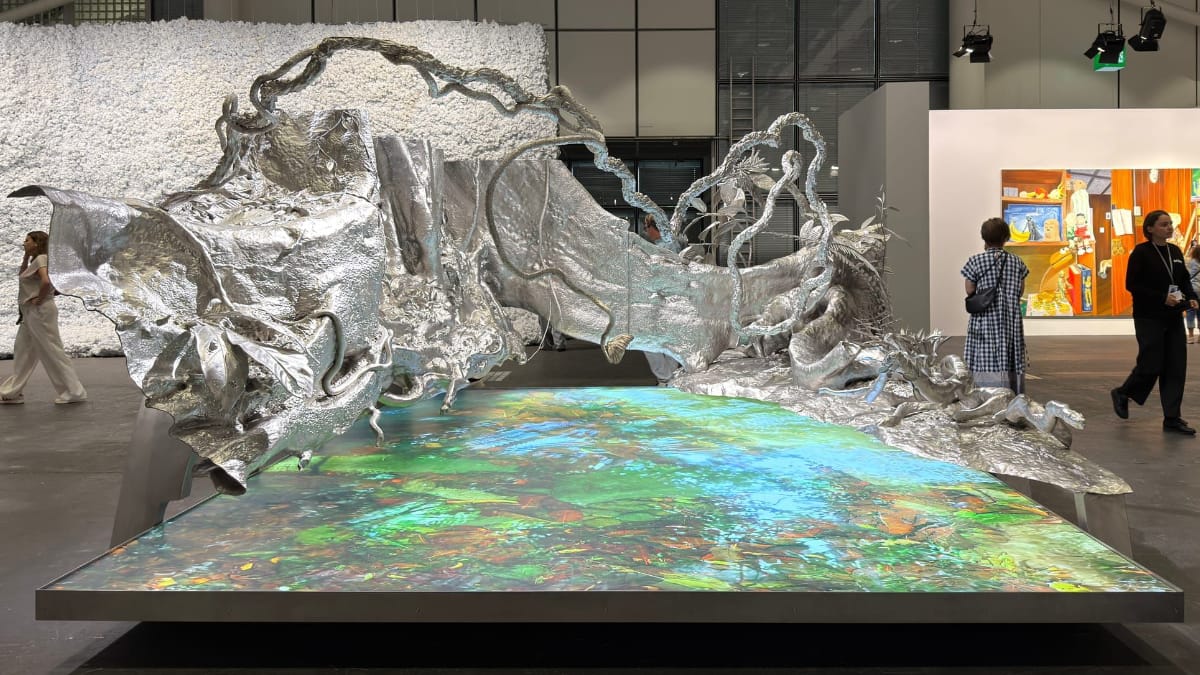
The recent impressions from Art Basel have signaled a shift in the art market’s focus. In a period of high volatility, galleries are increasingly betting on the power of sustained attention. Collectors are moving away from the "flipping" culture of the previous decade and toward works that offer deeper narratives and long-term historical significance. This shift is mirrored in the way galleries are curating their booths, prioritizing immersive experiences over simple transactions.
DC Summer Guide: A 250-Year Reflection
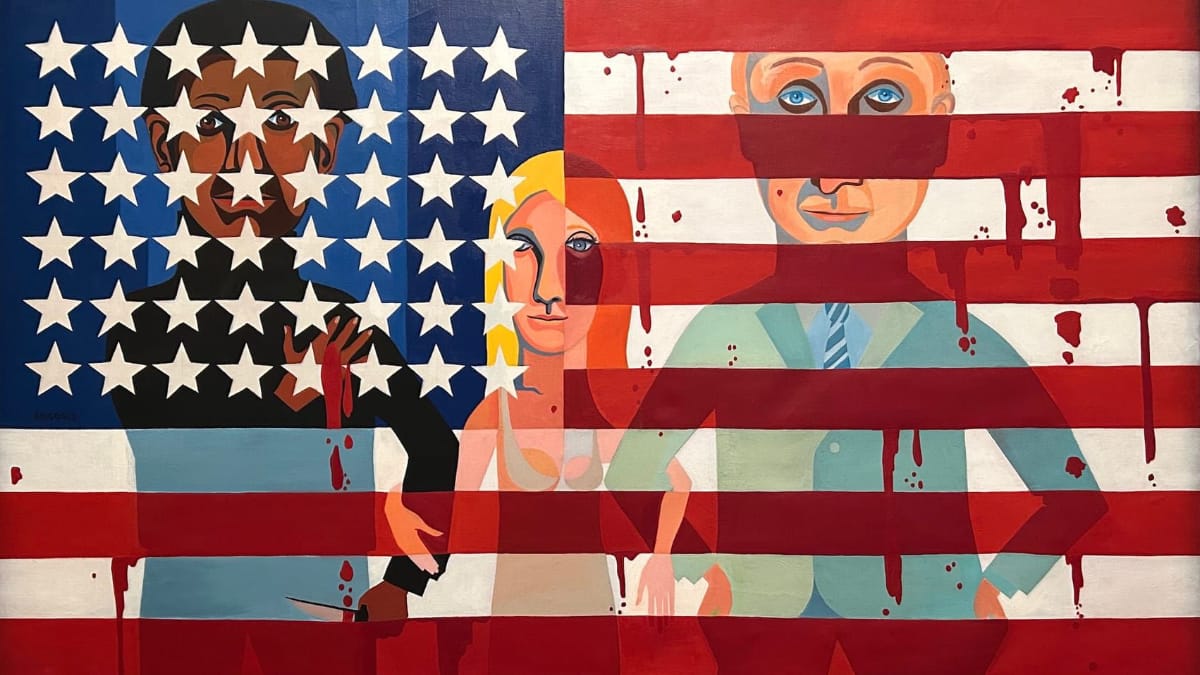
As the United States approaches a milestone of 250 years, Washington, D.C., has become a focal point for institutional inquiry. This summer’s programming across the capital explores the complexities of American identity. From exhibitions examining the evolution of the American flag to explorations of Black design and the history of Pueblo pottery, the city’s institutions are engaging in a necessary, if difficult, dialogue about the nation’s past and future. Emma Cieslik’s recent guide highlights ten must-see shows that capture this spirit of critical reflection.
Supporting Data: The Institutional Landscape
The Vanguard Award and Future Leadership
The art sector is not only concerned with the aesthetics of the present but also with the structural integrity of its future. The Remuseum and the Doris Duke Foundation have announced the latest cycle for the Vanguard Award and Accelerator for Innovative Arts Leaders.
- The Grant: Up to 10 leaders will receive a $100,000 annual award.
- The Accelerator: A year-long partnership with MIT designed to help leaders implement, refine, and evaluate their visions for more sustainable and equitable arts institutions.
- The Deadline: Interested applicants must submit their proposals by June 22, 2026.
This initiative represents a significant investment in the human capital of the arts, recognizing that the most pressing challenge facing museums today is not just funding, but the ability to innovate in an era of rapid technological and social change.
Implications for the Future of Art
The intersection of these stories—Dacres’s rubber sculptures, the Frick’s avian visitors, and the focus on institutional leadership—reveals a broader trend: the art world is recalibrating its relationship to its surroundings.
Dwelling in Imagination
As Daniel Gottlieb noted in his response to recent critical discourse, the agency of artists lies in their ability to "dwell in imagination that flourishes between disciplines." This sentiment was echoed in the appreciation for Julie Mehretu’s work, which challenges artists to do the "hard work of making things unknown."
The implications are clear: the future of art is not merely about production, but about connection. Whether it is through the physical act of recycling rubber into art, the stewardship of urban wildlife, or the institutional commitment to funding leadership, the common thread is a move toward a more grounded, responsive, and ethical practice.
Conclusion: Looking Ahead
As we head into the summer months, the art world continues to provide a mirror to the societal shifts occurring around us. We see this in the radical reclamation found in the work of Kim Dacres, the careful stewardship of the Frick, and the thoughtful curation of D.C.’s summer exhibitions.
The task for artists, curators, and institutions is to maintain this momentum. It is a time for the "hard work" of building new frameworks—ones that honor the past while remaining fiercely attentive to the present. As we look toward the upcoming exhibitions at SITE Santa Fe, such as Indian Theater: Native Performance, Art, and Self-Determination since 1969, it is evident that the conversation regarding who gets to tell the story of American art is only just beginning.
In the words of those who have paved the way, we must continue to find our agency in the spaces between. Whether we are salvaging tires from a West Harlem street or advocating for better institutional practices, the act of making art remains, as ever, our most profound act of survival.
