

As June arrives, the global art world turns its eyes once again to the Swiss city of Basel. For five days, the Messe Basel becomes the undisputed epicenter of the creative economy—a high-stakes, high-pressure environment where collectors, curators, and cultural observers converge to take the temperature of the global market. Art Basel 2026, featuring 290 galleries from 43 countries, serves as a mirror to the current state of artistic production, balancing the commercial might of blue-chip titans with the raw, experimental energy of the next generation.
The State of the Market: A Convergence of Power and Potential
The 2026 edition reaffirms Basel’s role as the primary pressure point of the art industry. The fair’s infrastructure remains a testament to the endurance of the gallery system, with industry powerhouses—Gagosian, Hauser & Wirth, David Zwirner, Pace, White Cube, and Thaddaeus Ropac—anchoring the main Galleries sector. However, the true narrative of this year’s fair is found in the interplay between these established pillars and a more nimble, provocative set of younger galleries, including Emalin, Arcadia Missa, LC Queisser, and Wschód.
The market sentiment for 2026 reflects a pivot toward "material intelligence." Collectors are moving away from purely digital or conceptual works, seeking instead objects that possess a tangible, often visceral quality. This shift is mirrored in the booth selections, which favor multimedia assemblages that explore themes of decay, bodily tension, and the intersection of biology and technology.
Chronology: From Opening Vernissages to Closing Insights
The fair’s trajectory is carefully orchestrated, designed to maximize both commercial transaction and cultural discourse:
- Pre-Fair (Early June): Private viewings and satellite event announcements set the tone for the week. The focus is on the "Fair-adjacent" programming, notably the major retrospective at the Fondation Beyeler.
- The Vernissage (June 16–17): The traditional opening days, reserved for VIP collectors and institutional trustees. This is where the most significant sales—often reported in the tens of millions—are finalized.
- The Public Days (June 18–20): The fair opens to the wider public. This period is critical for museum curators and international critics to solidify the "historical narrative" of the fair through reports and acquisitions.
- Closing (June 21): The final day, characterized by a transition from high-stakes commerce to a reflective analysis of the fair’s legacy and future implications for the art market.
Supporting Data: The 2026 Landscape
Art Basel 2026 is a massive logistical undertaking, with 290 galleries providing a global snapshot of the industry. The geographic distribution remains robust, though there is a discernible shift in the prominence of regional galleries from Eastern Europe and Latin America, particularly within the Statements and Premiere sectors.
| Sector | Focus | Key Highlights |
|---|---|---|
| Galleries | Established Blue-Chip | David Zwirner, Gagosian, Hauser & Wirth |
| Statements | Emerging Artists | Mónica Mays (Blue Velvet) |
| Premiere | Experimental/Process | Felix Gaudlitz, Ginny on Frederick |
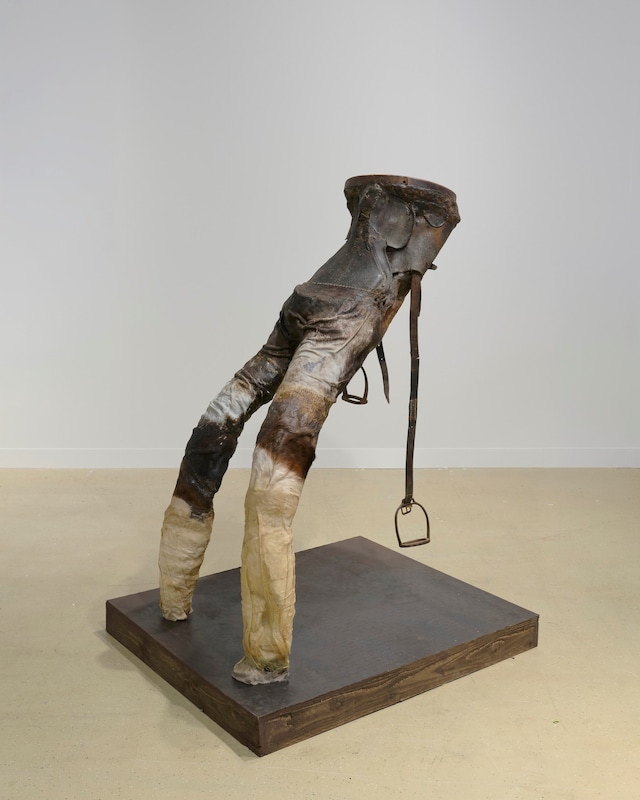
The success of these sections is defined by "voltage"—the ability of a booth to generate immediate buzz. For instance, Blue Velvet’s solo presentation of Mónica Mays arrived at the fair with a completely sold-out catalog, signaling a high appetite for artists who engage with the deconstruction of geopolitical myths, such as the American cowboy archetype.
Official Perspectives and Artist Insights
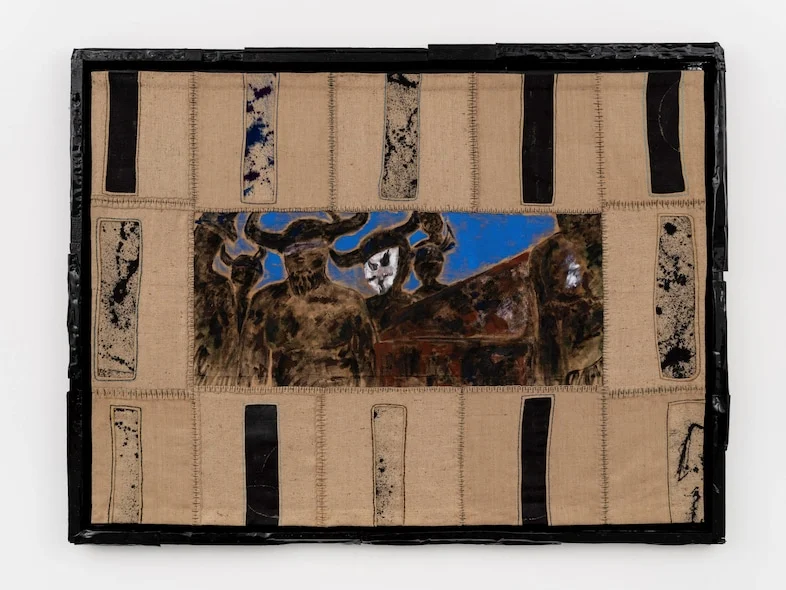
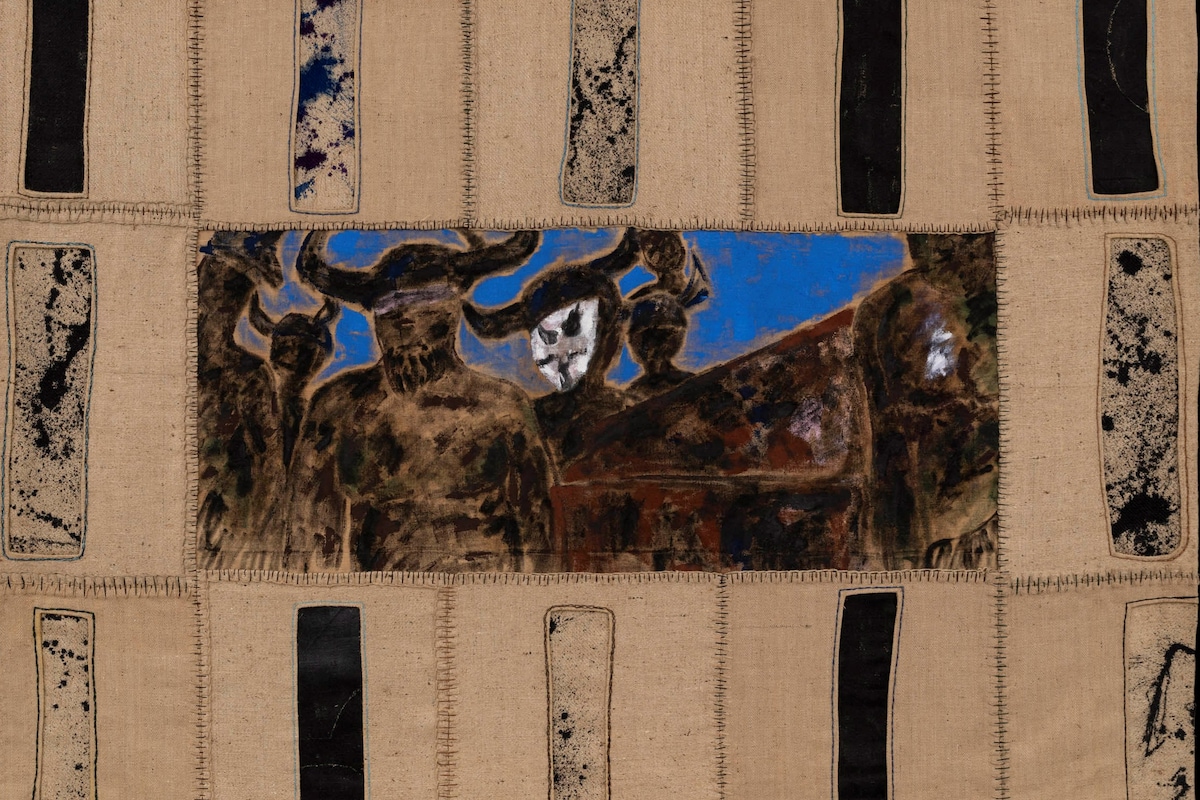
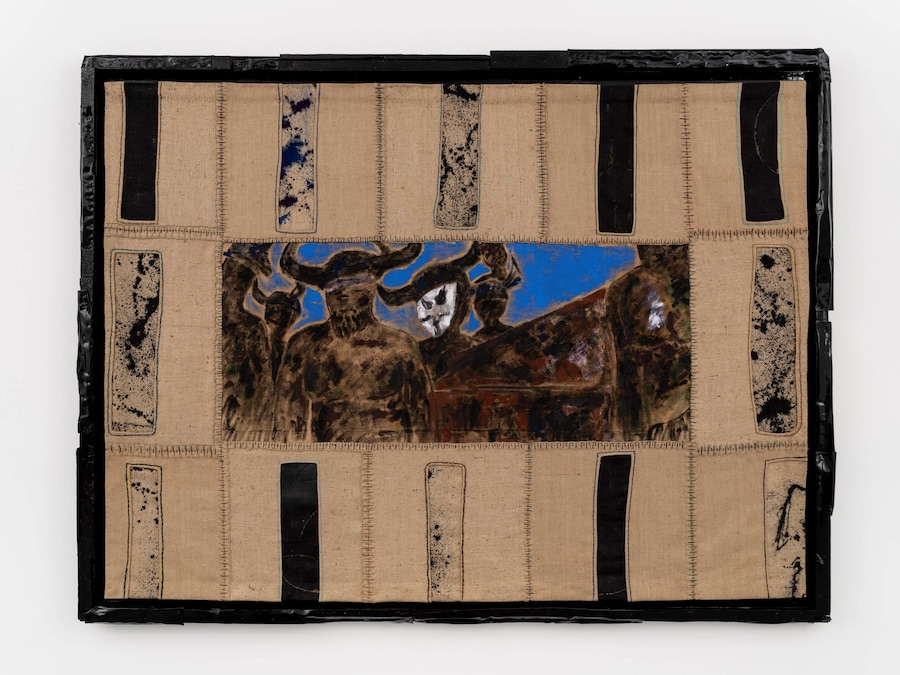
The fair is not merely a venue for transactions; it is a platform for the artists themselves. Alvaro Barrington, whose carnival-inspired burlap paintings are a centerpiece of the Emalin booth, emphasizes the performative and cultural weight of his practice. "Carnival is one of the most complete forms of artistic expression on the planet," Barrington notes. His work, which bridges the gap between the Tate Britain and the streets of Notting Hill, challenges the traditional "white cube" containment of fine art, bringing the force of engine oil, body paint, and ritual to the sterile gallery environment.
Similarly, Jack O’Brien, whose work is featured in the Ginny on Frederick booth, speaks to the materiality of the 2026 fair. "I’m interested in what happens when very different objects and histories are forced together," he explains. His piece Claim, which utilizes a replica Gothic suit of armour, functions as a structural bridge, allowing materials to pass through the body and creating a space where the viewer is suspended between recognition and total abstraction.
Implications: The Shift Toward the "Strange and Slow"
The implications of Art Basel 2026 extend far beyond the fairgrounds. There is a clear, industry-wide movement toward art that demands time and introspection. This is best exemplified by the Pierre Huyghe exhibition at the Fondation Beyeler. By transforming the museum into a "living system" rather than a mere exhibition space, Huyghe offers a counterpoint to the frenetic energy of the fair.
His use of living organisms, machine learning, and environmental vibration—epitomized by the breathing organ Apnea—forces the viewer to confront art as a biological and evolving world. This shift has profound implications for institutions and collectors alike: the art of 2026 is not meant to be "consumed" in a passing glance. It is designed to be lived with, to decay, to breathe, and to change.
Deep Dive: Key Highlights of the 2026 Edition
1. The Power of Emalin
In the main Galleries sector, Emalin presents a masterclass in contemporary unease. By pairing Alvaro Barrington’s high-energy, ritualistic carnival works with the material vanitas of Karol Palczak—whose eel-and-marble compositions evoke rural decay—the gallery effectively captures the dual nature of contemporary life: the collective celebration versus the isolated, material collapse of history.
2. The Deconstruction of Myths (Blue Velvet)
Mónica Mays’ Oasys Mini Hollywood is perhaps the most critically discussed solo presentation of the year. By taking apart the Western film genre—a machine that she argues produces "reality" rather than just fiction—Mays utilizes saddles, exhaust pipes, and silver nitrate mirrors to show how myths of territory and violence remain embedded in modern society.
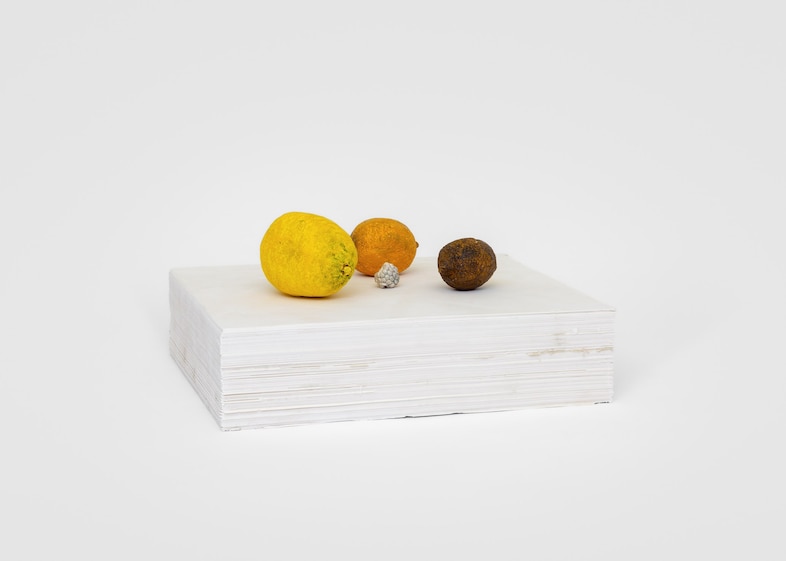
3. The Residue of Memory (Ginny on Frederick)
The Ghosts presentation at the Premiere sector serves as a meditation on absence. Hamish Pearch, Sophie Giraux, and Jack O’Brien interrogate what is left behind. Pearch’s use of melting ice to represent a "father figure" that resets every morning is a poignant commentary on the fleeting nature of memory in an age of constant technological turnover.
4. Technical Delicacy and Psychological Unease (Croy Nielsen)
Soshiro Matsubara’s Lover II stands as a chillingly beautiful anchor for the Croy Nielsen booth. Drawing from Butoh dance and the cinema of Kenji Mizoguchi, Matsubara explores the coexistence of life and death. His work reminds the viewer that the most potent art often resides in the "accidental combination of bodily fragments," where boundaries between the self and the other begin to dissolve.
5. Uncanny Commodities (Felix Gaudlitz)
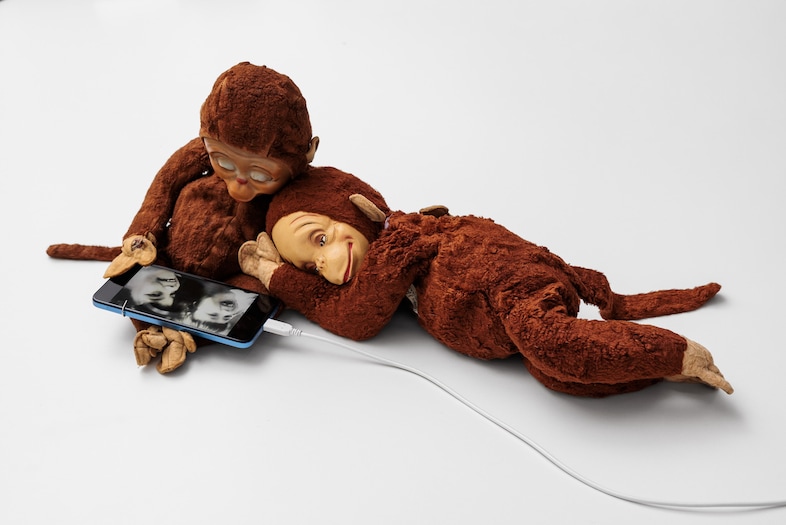
Nicole-Antonia Spagnola’s Old Monkeys series offers perhaps the most direct critique of commodity culture. By equipping vintage childhood toys with smartphone screens, she highlights the "technological afterlife" of our material possessions. Her work forces a confrontation with the uncomfortable reality of our emotional attachment to objects that are destined to become mere data-transmitters.
Conclusion: The Evolving World of Art Basel
As Art Basel 2026 concludes, the overarching takeaway is one of transformation. The fair has proven that even in an era of rapid digital saturation, the physical, material, and visceral encounter with art remains the industry’s lifeblood. Whether through the slow, evolving ecosystems of Pierre Huyghe or the intense, symbolic canvases of Alvaro Barrington, the art of 2026 is characterized by a refusal to remain static.
For collectors and observers, the message is clear: the market is favoring artists who can translate the anxiety, beauty, and decay of the modern world into tangible forms. As we look forward to the remainder of the year, the themes established in Basel—material intelligence, the breakdown of boundaries, and the importance of "other possible worlds"—will undoubtedly dictate the direction of museum acquisitions, gallery programs, and the broader cultural conversation for the foreseeable future. The pressure point has been measured, and the results suggest a new, more thoughtful era for the art world.
