

In an industry currently obsessed with "more"—more megapixels, more aggressive AI integration, and more exorbitant price tags—the Xiaomi 17T arrives as a refreshing, albeit understated, correction. It is a device that eschews the typical marketing theatrics of the flagship cycle to focus on a singular, practical objective: doing the basics with such proficiency that the user forgets they are using a smartphone at all.
After two months of rigorous testing, including extensive travel through the diverse environments of Taiwan and Hawaii, the Xiaomi 17T has proven itself to be a masterclass in balance. It is not a device designed to win a specs-sheet war; it is a tool designed to simplify the complexities of modern digital life.

Main Facts: The Core of the Experience
The Xiaomi 17T positions itself as a "flagship-adjacent" device. At its heart lies the MediaTek Dimensity 8500-Ultra, a 4nm chipset that, while technically a tier below the most expensive processors on the market, delivers a performance profile that feels indistinguishable from a top-tier device in daily operations.
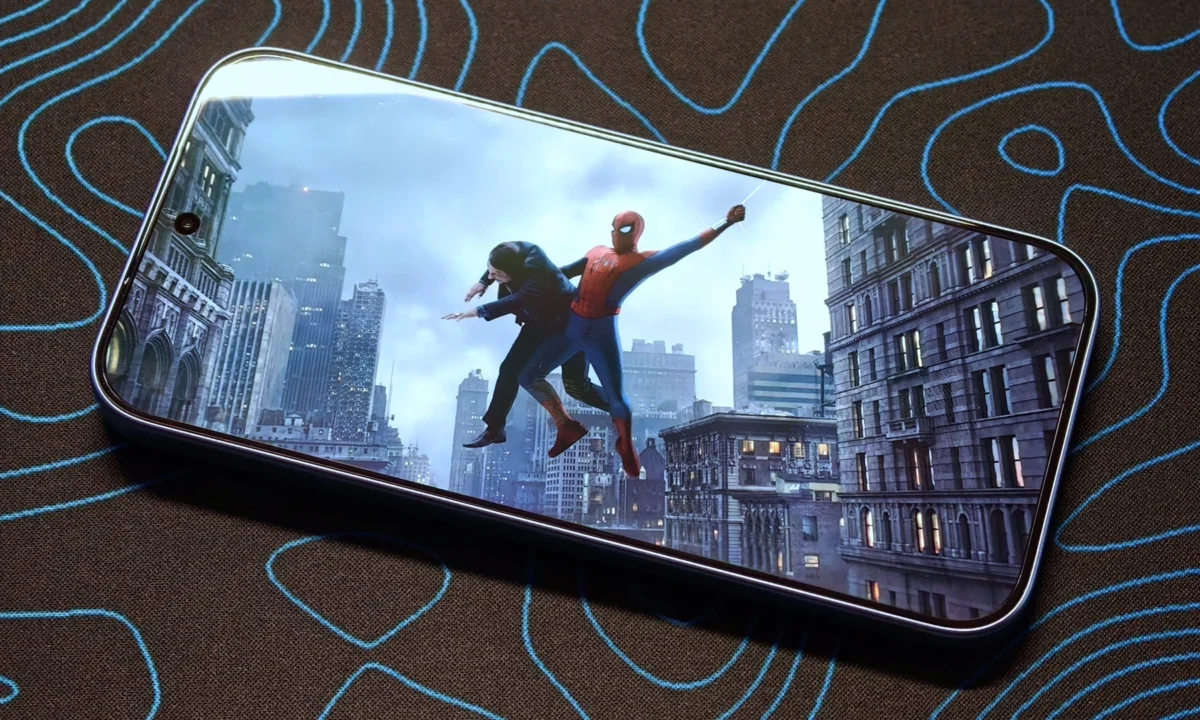
The device is anchored by a 6.59-inch AMOLED display that manages to be both physically comfortable and visually stunning. With a 120Hz refresh rate and a peak brightness capability of 3,500 nits, the screen performs impeccably under direct sunlight. However, the true hardware marvel is the 6,500mAh silicon-carbon battery. This component effectively eliminates "battery anxiety," providing enough longevity to survive grueling days of navigation, 4K video recording, and constant cellular connectivity without a midday trip to a wall outlet.

Chronology of Use: Two Months in the Field
The decision to test the 17T over a two-month period was deliberate. Modern smartphones often feel perfect for the first 48 hours; true character is revealed only after the "honeymoon phase" expires.
- Weeks 1-2 (The Integration Phase): The phone immediately impressed with its ergonomic footprint. Despite having a large screen, the 8.17mm thickness and 200g weight made it a comfortable companion for long-form reading and transit.
- Weeks 3-6 (The Stress Test): During travel in Taiwan and Hawaii, the camera system became the primary focus. The transition from bustling urban street photography to the expansive, high-contrast landscapes of Hawaii tested the Leica-tuned optics. The 5x periscope telephoto lens emerged as the MVP, consistently providing professional-grade framing that main-sensor crops simply cannot replicate.
- Weeks 7-8 (The Reliability Check): By the final weeks, the focus shifted to software stability. HyperOS 3, Xiaomi’s latest iteration, demonstrated significant refinement. The "baggage" often associated with earlier MIUI versions—bloatware and intrusive notifications—has been largely replaced by a streamlined, fluid user experience.
Supporting Data: Benchmarking the 17T
While benchmarks are often criticized for failing to represent real-world use, they provide a necessary objective baseline for the 17T’s hardware capabilities.

Performance Metrics
- 3DMark Wild Life Extreme: 3,553
- 3DMark Steel Nomad Light: 1,384
- Geekbench 7 (Single-core): 1,130
- Geekbench 7 (Multi-core): 3,591
These figures confirm that the 17T resides firmly in the high-performance tier. While it may not outperform specialized gaming flagships, the thermal management remains impressive. During a 4K video recording session, the device exhibited only minor heat buildup, never reaching the level of thermal throttling that plagues many competitors.
Camera Specifications
The Leica Light Fusion 800 sensor (50MP) serves as the primary shooter, supported by a 50MP periscope telephoto and a 12MP ultra-wide. The 5x optical zoom is a standout feature, utilizing OIS to keep shots sharp even at a distance. The consistency of the main camera, even in low-light scenarios, suggests that Xiaomi has prioritized processing algorithms that favor natural dynamic range over aggressive, artificial enhancement.

Official Responses and Strategic Positioning
Xiaomi’s strategy with the 17T appears to be a direct response to the "feature creep" currently defining the flagship market. By opting for a plastic frame and a more "anonymous" design language, the company has managed to allocate budget toward higher-quality internal components—specifically the battery and the optics.
In discussions regarding the device’s longevity, Xiaomi has committed to four generations of Android OS upgrades and six years of security patches. This is a significant pivot for the manufacturer, signaling a transition from a company that prioritizes rapid release cycles to one that values long-term customer retention.

Regarding the lack of wireless charging, official channels have indicated that the focus remains on the proprietary 67W HyperCharge technology, which provides a full charge in roughly an hour. The company argues that for the majority of users, the sheer density of the 6,500mAh cell outweighs the convenience of wireless charging, a sentiment that our testing largely supports.
Implications for the Smartphone Market
The Xiaomi 17T has several implications for the future of the mid-to-high-end smartphone market:

- The Death of the "Flashy" Midrange: The 17T proves that consumers are increasingly prioritizing battery life and optical zoom over thinness or exotic materials. It suggests a market pivot toward "utility-first" design.
- The Software Maturity Curve: With HyperOS 3, Xiaomi is successfully distancing itself from the negative associations of its past software skins. The implication is that Chinese OEMs are catching up to the software stability of Google and Samsung, making the "clean Android" argument less of a differentiator for Western manufacturers.
- The Rise of the "Travel Phone": By leaning into the 5x periscope lens and the massive battery, the 17T is carving out a niche as the ultimate travel companion. For photographers who want to travel light without carrying a dedicated camera kit, this device sets a new standard for versatility.
Conclusion: A Convincing Case for Practicality
The Xiaomi 17T is not a phone that will turn heads at a dinner party. It lacks the aesthetic drama of its glass-and-titanium counterparts. However, once the screen turns on, the phone reveals its true value.
It is a device for the professional, the traveler, and the power user who is tired of the marketing noise. By delivering a top-tier display, a best-in-class battery, and a versatile telephoto system, Xiaomi has created a handset that prioritizes the user’s experience over the manufacturer’s bragging rights. It is, perhaps, the most sensible phone of the year—and in a market filled with unnecessary complexity, that is the highest praise possible.

For those who prioritize substance over spectacle, the 17T is not just a viable option; it is arguably the most logical choice in its price bracket. It serves as a reminder that the best technology is that which disappears into the background, allowing the user to simply get on with their life.
