

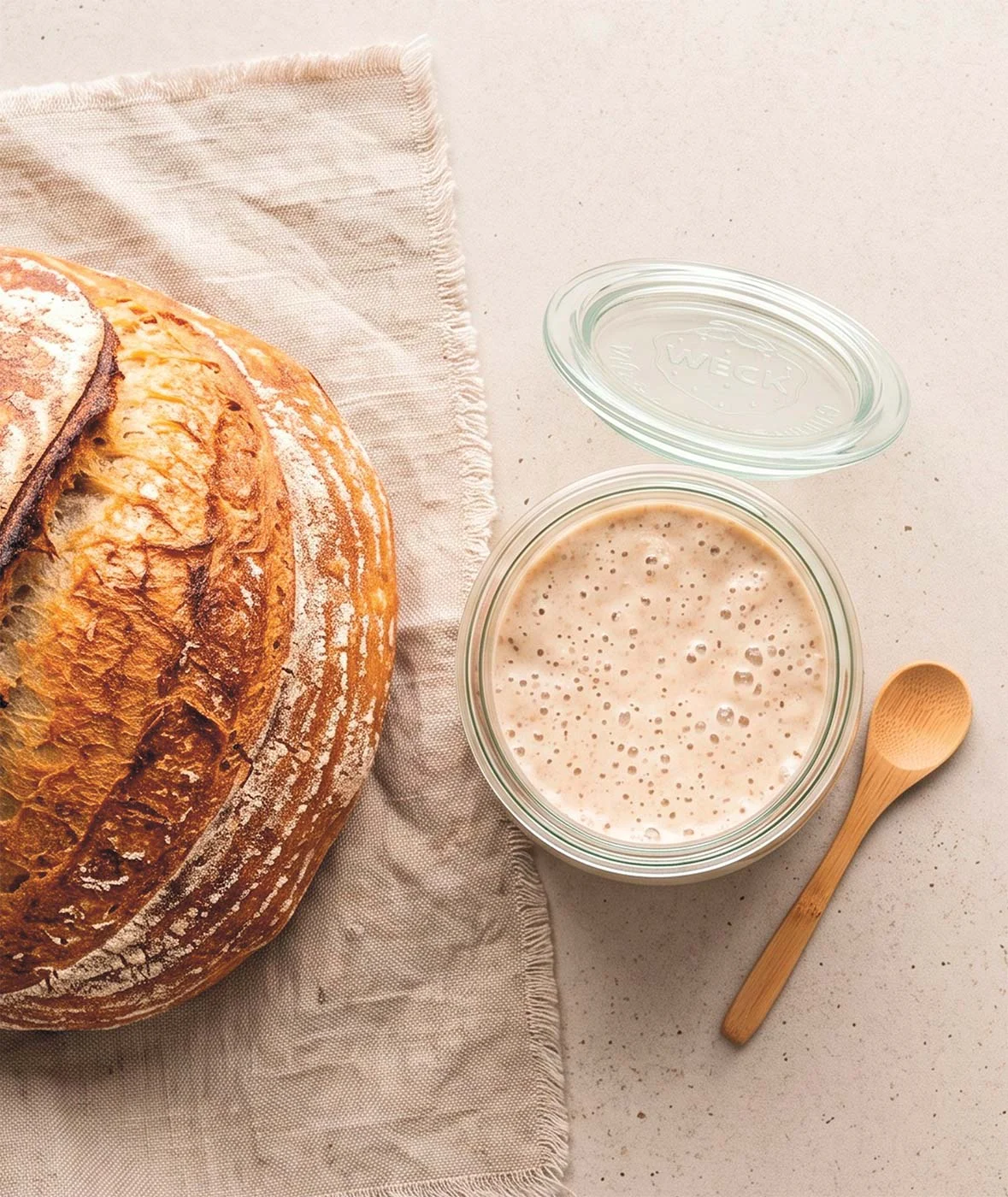
In the modern culinary landscape, bread has often been maligned as the enemy of the health-conscious. From low-carb crusades to gluten-free mandates, the humble loaf has been pushed to the periphery of our diets. However, a quiet revolution is taking place in kitchens and artisanal bakeries alike. Sourdough—a practice as old as civilization—is reclaiming its place at the table, not merely as a staple, but as a functional, gut-healthy superfood.
The Main Facts: Defining the Sourdough Difference
At its core, sourdough is a masterclass in biological alchemy. Unlike conventional breads that rely on commercial yeast—a monoculture designed for speed and consistency—sourdough is the product of a wild, symbiotic relationship between flour, water, and time.
The process begins with the "starter," a living culture of wild yeast and beneficial bacteria captured from the environment. When flour and water are combined and left to rest, they become a breeding ground for microorganisms. Over several days, this mixture begins to bubble, signaling that the wild yeast has awakened and the fermentation process has commenced.
When this starter is introduced to dough, the magic happens. The yeast and bacteria consume the carbohydrates within the flour, producing carbon dioxide (which gives the bread its lift), beneficial acids, and postbiotic compounds. This extended fermentation is the "secret sauce" that separates true sourdough from the rapid-rise breads found in most supermarket aisles. It is a slow, methodical process that rewards patience with improved flavor, superior texture, and, most importantly, enhanced nutritional bioavailability.
A Chronological Journey: From Ancient Egypt to the Modern Kitchen
The history of sourdough is, in many ways, the history of humanity itself. Archaeological evidence suggests that the practice of leavened bread dates back to ancient Egypt, where the accidental discovery of a fermented mixture led to a more palatable, digestible, and long-lasting food source.
The Evolution of the Craft
For millennia, sourdough was the only way to make bread. Every household maintained a "mother" starter, passed down through generations. It wasn’t until the industrialization of the 19th and 20th centuries that commercial baker’s yeast (Saccharomyces cerevisiae) became the standard. This shift prioritized efficiency: commercial yeast could leaven bread in an hour, whereas traditional sourdough required a full day or more.
The Pandemic Resurgence
The COVID-19 pandemic served as a pivotal turning point for the sourdough movement. As global supply chains faced interruptions and yeast became scarce on grocery store shelves, home bakers turned back to the ancient ways. What began as a necessity quickly transformed into a cultural phenomenon. Millions of people found solace in the ritual of feeding their starters and the therapeutic nature of folding, proofing, and baking. This resurgence wasn’t just a nostalgic trend; it was a collective rediscovery of a staple food that prioritized quality and nutritional integrity over industrial convenience.
Supporting Data: The Science of Fermentation and Bioavailability
The nutritional superiority of sourdough is not merely anecdotal; it is grounded in the complex chemistry of the fermentation process.

The Breakdown of Antinutrients
Grains contain phytic acid, a compound often referred to as an "antinutrient" because it binds to minerals like iron, zinc, calcium, and magnesium, preventing the human body from absorbing them. During the long fermentation of sourdough, an enzyme called phytase is activated. This enzyme effectively breaks down phytic acid, "unlocking" the minerals within the grain and making them significantly more bioavailable to the consumer.
Gluten Modification
For many, the word "gluten" triggers an immediate physical response of discomfort. While sourdough is not "gluten-free," the lactic acid bacteria present in the starter play a vital role in modifying the protein structure of the dough. These bacteria break down some of the complex proteins, including portions of the gluten network, into simpler amino acids. This pre-digestion process makes sourdough significantly easier for the gut to process compared to standard commercial breads, which are often produced with rapid-fermentation methods that leave these proteins largely intact.
Hydration and Crumb Structure
The texture of a loaf is dictated by its hydration level—the ratio of water to flour. Commercial breads typically hover around 50% hydration, resulting in a tight, uniform crumb. In contrast, artisanal sourdough can reach hydration levels of 80% or higher. This high water content is what gives authentic sourdough its characteristic "open" crumb—those large, airy holes that are the hallmark of a master baker. Furthermore, this high moisture content acts as a natural preservative, keeping the bread soft and fresh for days without the need for synthetic dough conditioners like mono- and diglycerides or chemical preservatives.
Official Perspectives: Expert Insights on Gut Health
The professional medical community is increasingly acknowledging the role of fermented foods in systemic health. Judy Dunlop, a Registered Dietitian and clinical nutrition manager at Capital Health in Trenton, emphasizes that our internal microbiome is a complex ecosystem that thrives on diversity.
"Fermented foods add beneficial bacteria to our gut," Dunlop explains. "There are trillions of organisms in there, and enhancing microbiome diversity helps with overall health."
According to Dunlop, the benefits of fermented foods like sourdough extend far beyond simple digestion. They possess anti-inflammatory properties, help modulate immune system signals, and enhance the absorption of nutrients. "Fermentation has been used as a preservative for meat, fruit, fish, and vegetables for thousands of years," Dunlop notes. "It’s a natural process that, when applied to grains, fundamentally changes the product from a potential source of inflammation into a nourishing food."
Mary Parr, owner of Sourland Bread, offers a perspective from the front lines of the craft. Her journey into sourdough was spurred by a personal quest for health. Having struggled with digestive issues for years, she discovered that while American bread caused her distress, the breads she encountered while traveling in Europe did not.
"In Europe, I could eat bread and be just fine," Parr recalls. "That’s when I learned about the function of bacteria and the importance of culture and starter." Parr describes her starter as a living entity that carries a "terroir," much like fine wine. "There are so many strains of bacteria in our environment, and your starter reflects that. Each strain has a unique flavor profile."
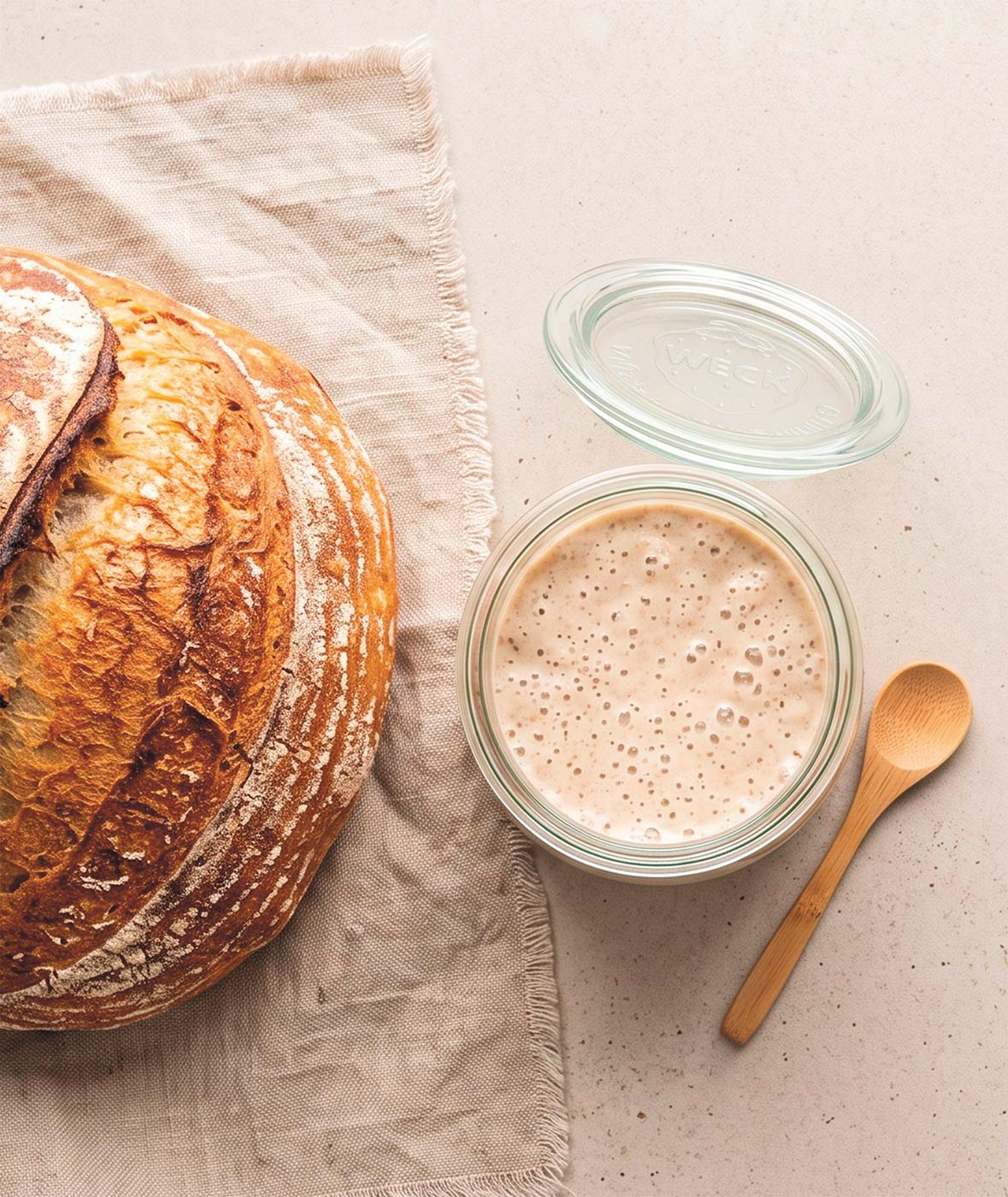
Parr even famously transported her starter to San Francisco to incorporate Lactobacillus sanfranciscensis, a unique bacterium endemic to the region, known for creating the iconic tangy, complex flavor of true San Francisco sourdough.
Implications: Making the Switch to Better Bread
The implications for the modern consumer are clear: not all bread is created equal. The move toward sourdough is a move toward a more transparent, nutrient-dense food system.
What to Look For
When purchasing sourdough, the ingredient list should be short and recognizable. "Traditional sourdough bread contains only four ingredients: water, starter, flour, and salt," says Parr. If the label contains a paragraph of additives, sugars, or preservatives, it is likely a "fake" sourdough—a commercial loaf that uses vinegar or flavorings to mimic the tang of fermentation without the health benefits.
The Importance of Ingredients
Parr emphasizes that the quality of the flour is just as important as the fermentation process. Modern bakers are increasingly turning to ancient, nutrient-dense grains like spelt, rye, and einkorn. Furthermore, choosing organic flour is essential. "Consuming grains sprayed with pesticides can cause an inflammatory response, as can added sugar," Parr warns. By choosing organic, non-GMO, and ancient grains, consumers can ensure they are avoiding the chemical load often associated with industrial wheat production.
A Holistic Approach
The resurgence of sourdough is a testament to the fact that we are moving away from the era of hyper-processed, nutrient-void convenience foods. It represents a return to a "slow food" mentality, where the time invested in preparation is returned to the body in the form of improved digestion, better nutrient absorption, and genuine satisfaction.
Whether you are a seasoned baker perfecting your hydration percentages or a consumer looking for a healthier alternative at your local farmers’ market, sourdough serves as a reminder that the best food is often the simplest. It is a food that rises to the occasion—both in the oven and in the gut—proving that, when treated with respect and time, bread can once again be the cornerstone of a healthy, vibrant life.
