

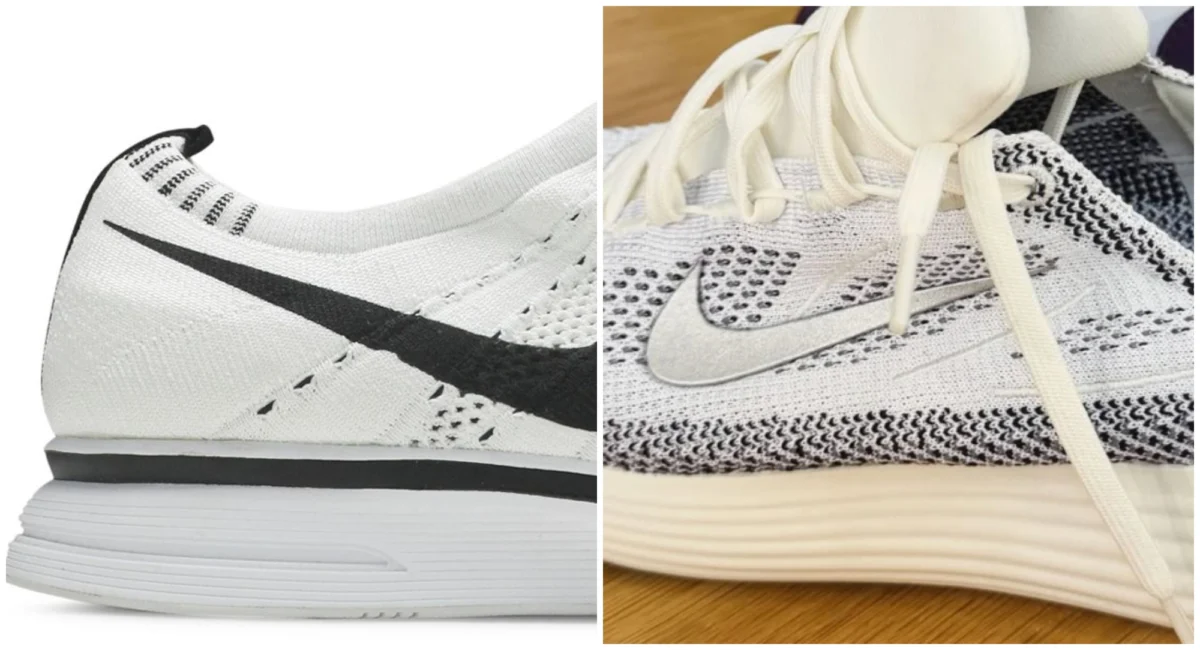
Nearly fifteen years ago, the global athletic landscape witnessed a paradigm shift that fundamentally altered the construction of performance footwear. At the 2012 Summer Olympics in London, Nike debuted its Flyknit technology—a micro-engineered, knitted upper that promised a "second-skin" fit while drastically reducing manufacturing waste. While the initial fervor surrounding Flyknit reached a fever pitch in the mid-2010s before gradually cooling, new evidence suggests that the Beaverton-based sportswear giant is preparing for a significant revival of its most celebrated textile innovation.
Recent leaks from the sneaker community indicate the development of a brand-new silhouette: the Nike Flyknit Runner. Poised to bridge the gap between nostalgic aesthetics and modern performance foam technology, this model represents more than just a new product launch; it is a strategic maneuver to recapture the "innovation crown" in an increasingly competitive running market.
Main Facts: A New Chapter for Knitted Performance
The core of the current industry buzz centers on an exclusive image shared by Sneaker Market Romania’s @vladieboi. The leak provides a comprehensive look at a previously unannounced model titled the Nike Flyknit Runner. While Nike has experimented with various knit applications in its football cleats and basketball shoes, this specific model appears to be a direct spiritual successor to the legendary Flyknit Racer and Flyknit Trainer.
Key specifications identified from the leak and industry insiders include:
- Aesthetic Heritage: A classic two-tone "Oreo" (white and black) colorway, a hallmark of the original 2012 Flyknit debut.
- Updated Construction: Unlike the original models, which featured printed Swooshes to save weight, the new Flyknit Runner utilizes a fused Swoosh logo for enhanced structural integrity.
- Hybrid Design: The lacing configuration and padded tongue appear to draw inspiration from the Nike Vomero 18, suggesting a focus on "daily trainer" comfort rather than just elite racing.
- Cushioning Revolution: The midsole features a ribbed texture reminiscent of the defunct "Lunarlon" foam, though experts anticipate the use of Nike’s modern ReactX compound.
- Aggressive Pricing: In a surprising move for Flyknit technology, the retail price is rumored to be approximately $100, significantly lower than the $150–$180 price points of the 2010s.
Chronology: From Olympic Debut to Modern Revival
To understand the significance of the Flyknit Runner, one must trace the timeline of Nike’s knitting evolution, which stands as one of the most important chapters in modern industrial design.
2012: The London Breakthrough
In February 2012, Nike unveiled Flyknit after ten years of research and development. The technology allowed designers to micro-engineer every stitch of an upper, providing support, flexibility, and breathability in a single layer. The Flyknit Racer debuted at the London Olympics, worn by marathoners on the podium. It was hailed as a sustainable breakthrough, reducing upper waste by an average of 60% compared to traditional "cut-and-sew" methods.
2013–2016: The Lifestyle Crossover
While designed for the track, the Flyknit Trainer and Racer became cultural icons. High-profile endorsements from athletes and celebrities (most notably Kanye West during his tenure with Nike) propelled the shoes into the lifestyle sector. During this period, "Flyknit" became synonymous with premium innovation, leading to its integration into the Kobe Bryant signature basketball line and the Magista football boot.
2018–2023: The Cooling Period and Discontinuation
As the market became saturated with knitted footwear—and as competitors like Adidas (Primeknit) and New Balance introduced their own versions—the novelty began to fade. Nike shifted its focus toward "Next%" carbon-plated racers and "AtomKnit" textiles. The original Flyknit Racer and Trainer were eventually phased out, leaving a void for enthusiasts who preferred the minimalist, breathable feel of the original knit.
2024–2027: The Road to the Flyknit Runner
With the recent leak surfacing in mid-2024, the timeline points toward a Spring 2027 release. This three-year lead time (including current prototyping phases) suggests Nike is performing rigorous testing to ensure the $100 price point does not compromise the performance standards associated with the Flyknit name.
Supporting Data: Technical Analysis and Market Positioning
The leaked imagery of the Flyknit Runner offers a wealth of data for technical analysis. By dissecting the visual components, we can infer how Nike plans to position this shoe within its current ecosystem.
Midsole Composition
The most striking feature of the leak is the "ribbed" midsole. Historically, this design language was the calling card of Lunarlon, a foam inspired by the way astronauts walked on the moon. While Lunarlon was praised for its soft, bouncy ride, it was prone to "bottoming out" over time.
Market analysts suggest that the Flyknit Runner will likely utilize ReactX foam. ReactX is Nike’s latest sustainable performance foam, which reduces the carbon footprint of the midsole by at least 43% compared to standard React foam while increasing energy return by 13%. Using ReactX in a $100 shoe would be a massive statement of intent, bringing elite-level sustainability and comfort to the "entry-level" performance market.

Upper Engineering
The Flyknit Runner appears to move away from the "one-piece" ultra-thin upper of the 2012 Racer. Instead, the addition of a padded tongue and a more substantial heel counter suggests a move toward the "versatile runner" category. According to data from independent running retailers, the "daily trainer" segment (shoes priced between $100 and $130) is the fastest-growing sector in the industry. By pricing the Flyknit Runner at $100, Nike is positioning itself to compete directly with mid-tier offerings from Hoka and Brooks.
Intellectual Property and Official Responses: Protecting the Knit
Nike’s silence on the Flyknit Runner leak is consistent with its corporate policy regarding unreleased products. However, the company’s "official response" to Flyknit as a technology has historically been handled in the courtroom rather than the press room.
The Patent Wars
Nike has been notoriously aggressive in protecting its Flyknit patents. Over the last decade, the company has engaged in high-stakes litigation against nearly every major competitor:
- Adidas: A multi-year battle over "Primeknit" technology, which Nike claimed infringed on its knitting processes.
- Lululemon: Recently, Nike sued the yoga-wear giant over its entry into the footwear market, specifically citing Flyknit-related patent infringements in Lululemon’s Blissfeel and Chargefeel models.
- Skechers and New Balance: Similar lawsuits have been filed, focusing on the specific method of creating a structured upper from a single strand of yarn.
These legal maneuvers underscore how valuable Flyknit remains to Nike’s bottom line. By defending the patent so fiercely, Nike ensures that even if the "hype" fluctuates, they remain the sole proprietors of the specific manufacturing efficiency that Flyknit provides.
Corporate Strategy
During recent earnings calls, Nike CEO John Donahoe has emphasized a return to "running DNA." Following a period where the brand was criticized for over-relying on retro lifestyle shoes like the Dunk and Jordan 1, the Flyknit Runner represents a return to performance-led design. While no official spokesperson has commented on the @vladieboi leak, the project aligns perfectly with Nike’s "Consumer Direct Acceleration" strategy, which focuses on delivering innovative products at various price points.
Implications: What the Flyknit Runner Means for the Industry
The emergence of the Flyknit Runner carries several significant implications for the future of the footwear market and Nike’s standing within it.
1. The Democratization of Technology
Historically, Flyknit was a premium "upcharge." A knitted version of a shoe would typically cost $20–$30 more than its mesh counterpart. By introducing a Flyknit model at $100, Nike is effectively making its most famous textile accessible to a much broader demographic. This could force competitors to lower their prices for knitted uppers or risk losing the entry-level market to Nike.
2. A Move Toward "Retro-Performance"
The sneaker market is currently obsessed with "Y2K" aesthetics and 2010s nostalgia. The Flyknit Runner taps into the "tech-runner" trend while providing actual performance benefits. It appeals to two distinct groups: the "OG" sneakerheads who remember the 2012 launch, and Gen Z consumers who are currently gravitating toward the "minimalist-tech" aesthetic.
3. Sustainable Manufacturing at Scale
As global regulations on manufacturing waste tighten, Flyknit remains Nike’s greatest asset in sustainable production. A successful, mass-market $100 Flyknit shoe would allow Nike to move a massive volume of units while significantly lowering the carbon footprint associated with traditional sneaker assembly. This is crucial for Nike’s "Move to Zero" initiative, which aims for zero carbon and zero waste.
4. Reclaiming the Running Community
In recent years, brands like On Running and Hoka have eroded Nike’s market share in local running clubs and specialty stores. These brands have succeeded by offering high-stack, comfortable trainers. The Flyknit Runner, especially if paired with ReactX foam, is a direct attempt to reclaim the "sidewalk runner"—the person who wants a shoe that looks good at the gym, performs on a 5K run, and costs less than a day at a theme park.
Conclusion: The Anticipation for Spring 2027
While the Nike Flyknit Runner is still years away from a formal retail debut, the leaked images have already reignited a conversation that many thought had ended in 2018. By combining the beloved aesthetics of the London 2012 era with the price accessibility of a modern daily trainer, Nike is signaling a "back to basics" approach rooted in its most successful innovation of the 21st century.
As Spring 2027 approaches, the industry will be watching closely to see if the final product maintains the $100 price point and the rumored tech specs. If Nike succeeds, the Flyknit Runner won’t just be another shoe on the shelf; it will be a testament to the enduring power of a good idea, refined and reborn for a new generation of athletes.
