

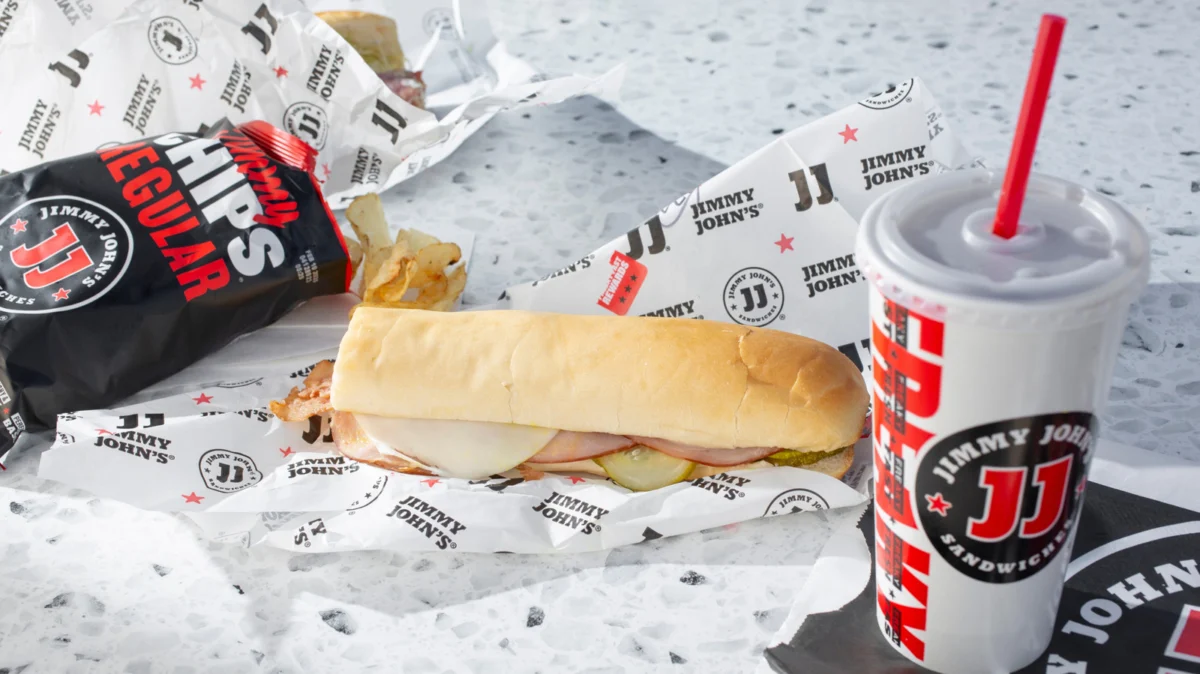
With nearly 2,800 locations spanning 46 states and territories, Jimmy John’s has long occupied a unique niche in the American fast-casual landscape. Positioned as the "freaky fast" solution for the busy professional or the student in a rush, the chain built its reputation on efficiency and consistent, if simple, cold-cut sandwiches. However, in the mid-2020s, the brand finds itself at a crossroads. As inflation impacts every sector of the economy, the consumer appetite for premium-priced fast food is waning, and Jimmy John’s is increasingly under the microscope.
Recent data suggests that the chain is facing a significant perception crisis. Disgruntled diners are taking to social media platforms like Reddit and Facebook to voice their frustrations, citing a "trifecta" of complaints: lackluster flavor, confusing menu architecture, and, most prominently, sticker shock. In May 2026, industry analysts even identified the chain as one of five major sandwich retailers that, in the current market, arguably fail to provide adequate value for the price.
The Chronology of Price Escalation
To understand why customers are currently experiencing "price jump scares," one must look at the trajectory of the brand’s pricing over the last two decades. In the early 2000s, Jimmy John’s was frequently cited as a budget-friendly alternative to higher-end deli chains. A J.J. Gargantuan, for instance, could be purchased for approximately $6.75. Today, that same item can approach $30 in certain markets, with some fully customized orders reaching as high as $70 when factoring in add-ons and delivery fees.
This rapid inflation has not occurred in a vacuum. Throughout the 2010s, the chain maintained a steady growth pattern, but the post-2020 economic environment forced a recalibration of pricing strategies across the industry. While corporate entities argue that the rising costs of labor, supply chain logistics, and real estate are to blame, consumers are comparing these price hikes against perceived quality—and for many, the math no longer adds up.
Supporting Data: The "Most Expensive" Offenders
An analysis of customer feedback reveals seven specific menu items that consistently draw the ire of patrons due to their perceived lack of value.
1. The Club Lulu (No. 16)
The classic club, featuring turkey, bacon, mayo, lettuce, and tomato, has become a lightning rod for complaints. Customers have reported paying nearly $14 for the sandwich alone, with some citing total meal costs nearing $20 when including sides and a beverage. The consensus among critics is that while the sandwich is a staple, it no longer justifies "double-digit" pricing for a standard-sized cold sub.
2. The Turkey Tom (No. 4)
One of the brand’s original offerings, the Turkey Tom is increasingly viewed as an empty calorie investment. Recent taste tests have criticized the sandwich for a lack of structural integrity and flavor. Social media users have shared images of sandwiches with sparse meat portions, with one viral post featuring a $14 sandwich that contained only three slices of meat and no cheese.
3. The Vito
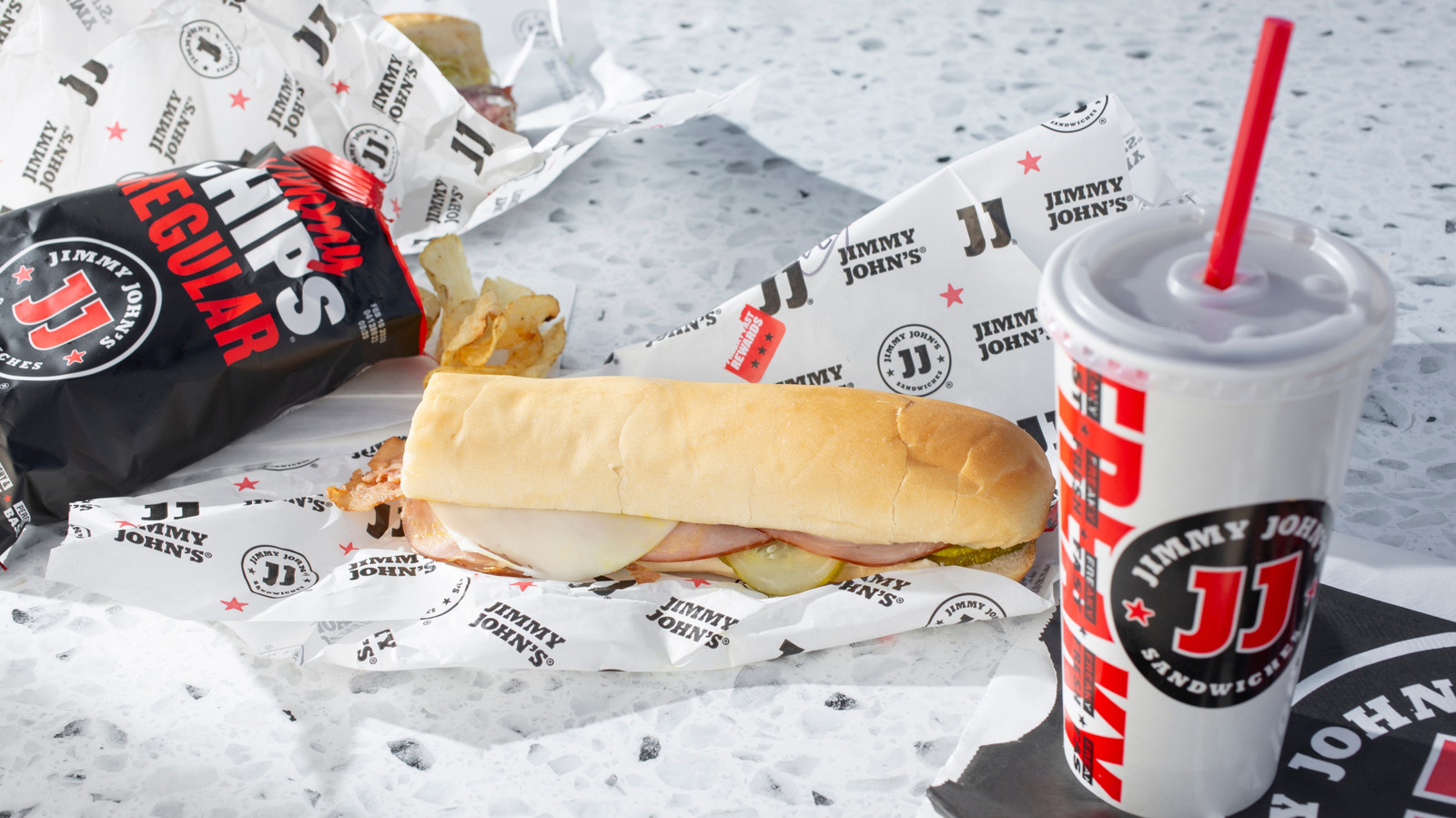
Once a $2.75 staple, the Vito has seen perhaps the most jarring transformation. Customers have reported paying as much as $16 for the sandwich alone, with some noting that two Italian subs and two bags of chips can exceed $33. The primary complaint here is competitive: customers argue that local gas station deli offerings, such as those found at Wawa, provide a more substantial and flavorful Italian sub for a fraction of the cost.
4. The J.J. Gargantuan
The "Gargantuan" is the chain’s flagship indulgence, but it has become a symbol of both inflation and shrinkflation. Despite its massive reputation, users have reported that the sandwich appears physically smaller than in years past while the price has surged toward the $30 mark. Complaints regarding its high sodium content and overwhelming texture further detract from the value proposition.
5. The Club Tuna
Tuna salad has been a part of the Jimmy John’s identity since its inception. However, recent reports suggest a significant decline in portion size. Customers who have ordered the Club Tuna recently report that the amount of filling has decreased by nearly 50% compared to previous years, yet the price point remains anchored at a premium level, with some meal combos topping $33.
6. The Slim 1
The "Slim" line is designed for the minimalist—ham and provolone with no vegetables or sauces. Because of this simplicity, customers feel particularly aggrieved by the price. When a basic ham and cheese sub, without the cost of produce, reaches a price point of $12 with a side and drink, many consumers conclude that they are being charged for the brand name rather than the ingredients.
7. The Jimmy Cubano
Introduced in 2019, the Cubano was intended to diversify the menu, but it has largely been received as a "flop." Critics argue it lacks the authentic characteristics of a Cuban sandwich and is priced significantly higher than the quality warrants. Comparisons have been drawn to "leftover" sandwiches, with many customers suggesting that DIY preparation is a far more logical and economical path.
Official Responses and Corporate Strategy
Jimmy John’s, now a subsidiary of Inspire Brands, has largely maintained a policy of silence regarding specific pricing complaints. From a corporate perspective, the pricing model is often localized, meaning franchisees have the autonomy to adjust prices based on their specific operating costs, local taxes, and regional demand.
However, industry experts suggest that the company is struggling with the "Value Gap." When a fast-casual chain moves into a price bracket previously reserved for fast-casual sit-down restaurants, they are no longer competing with other sandwich shops—they are competing with full-service dining. When the customer experience (lack of flavor, portion size reduction) does not match the price point, brand loyalty inevitably erodes.
The Economic and Social Implications
The implications of this shift are significant for both the consumer and the brand.
The Shrinkflation Phenomenon
The prevalence of "shrinkflation"—the practice of reducing product size while maintaining or increasing prices—has fostered a climate of distrust. Customers are no longer just measuring value by the price tag; they are measuring it by the gram and the slice. When a customer notices a 50% reduction in tuna filling, they feel misled, which often results in a permanent loss of patronage.
The Rise of the "Home-Chef" Alternative
As prices at chains like Jimmy John’s continue to rise, there is a measurable shift toward consumers opting for home-made alternatives. The viral nature of social media complaints often includes a call to action: "Make it at home for $2." This is a dangerous trend for fast-casual chains, as it removes the primary selling point of the industry—convenience. If the price difference between a store-bought sandwich and a DIY equivalent grows wide enough, the convenience factor is no longer sufficient to bridge the gap.
A Test of Brand Loyalty
The methodology of this analysis, which relied on crowdsourced data from platforms like Reddit and Facebook, suggests that the "Jimmy John’s experience" is becoming increasingly polarizing. While a diehard segment of the customer base may remain loyal to the specific flavor profiles of the brand, a growing demographic of cost-conscious consumers is actively looking for alternatives.
Conclusion: Is the "Freaky Fast" Worth the "Freaky Price"?
The current sentiment toward Jimmy John’s is a cautionary tale for the fast-casual industry. While the chain continues to operate thousands of stores, the recurring complaints regarding value, quality control, and price transparency indicate that the brand is reaching a ceiling.
For the average consumer, the decision to visit a Jimmy John’s is no longer a reflexive choice based on speed and proximity. It is now a calculated financial decision. Until the chain can reconcile the disparity between its premium pricing and the perceived quality of its ingredients, it will likely continue to face a barrage of criticism from a customer base that feels priced out of the very convenience they once relied upon. Whether this leads to a menu overhaul, a pricing correction, or a shift in marketing remains to be seen, but one thing is clear: the era of the inexpensive, quick-serve sub is rapidly fading.
