

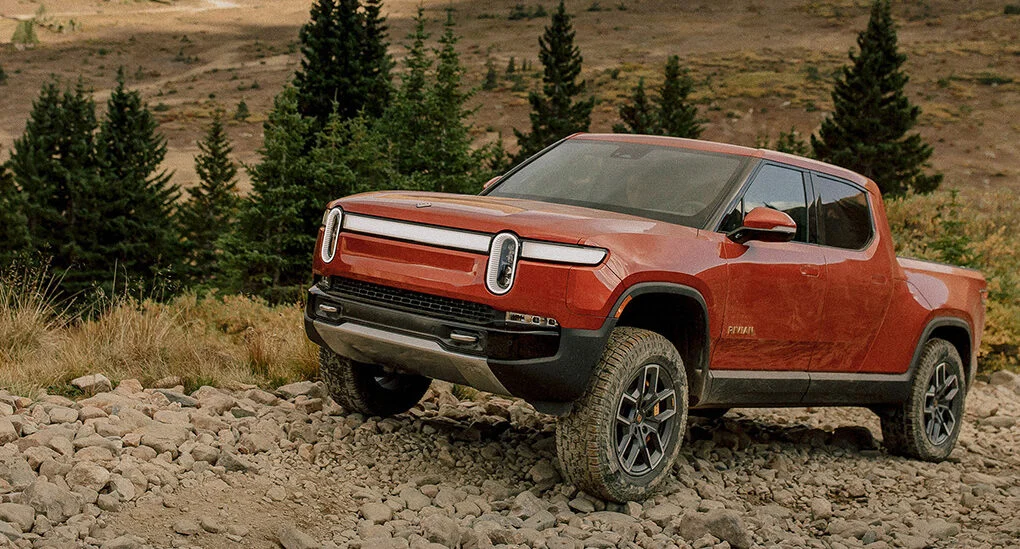
The automotive landscape is undergoing a tectonic shift, and at the epicenter of this transition sits the Rivian R1T. Often categorized simply as an electric pickup, the R1T is, in reality, a masterclass in over-engineering, blending the rugged utility of a traditional work truck with the sophisticated, seamless experience of a luxury daily driver. For those who have viewed the transition to electric mobility with skepticism regarding versatility, the R1T serves as a compelling, if not definitive, rebuttal.
Main Facts: The All-Electric Swiss Army Knife
The Rivian R1T is not just an EV; it is a mobile ecosystem designed for the modern adventurer. Built on a "skateboard" platform that houses the battery pack, drive units, and suspension, the truck delivers performance specs that would make a dedicated sports car blush.
What separates the R1T from the growing pack of electric pickups is its philosophy of intentional design. It is a vehicle that understands the duality of its owner: the person who needs to commute to a corporate office on Monday morning but wants to traverse mountain passes and set up a base camp by Friday evening. With a price point ranging from approximately $60,000 to $95,000, it positions itself as a premium offering, but one that offers a unique value proposition when compared to the combined costs of a daily commuter car and a dedicated RV or travel trailer.
A Chronology of Innovation: From Vision to Reality
Rivian’s journey to the driveway has been a long, deliberate process. Unlike some startups that rushed prototypes to market, Rivian spent years in the shadows of stealth development, focusing on the integration of software and hardware.
- The Development Phase (2018-2020): Rivian debuted the R1T concept at the Los Angeles Auto Show, shocking the industry with its "gear tunnel" and quad-motor capability.
- The Production Rollout (2021-2022): The first customer deliveries began, marking a pivotal moment for the brand. During this time, engineers focused on fine-tuning the suspension geometry and software updates to ensure the truck could handle both highway speeds and rock crawling with equal grace.
- The Maturity Period (2023-Present): The truck has evolved through significant over-the-air (OTA) updates, refining its self-driving capabilities and energy management systems. Today, the R1T is a polished, production-ready powerhouse that has successfully transitioned from a concept dream to a real-world utility vehicle.
Supporting Data: Why the R1T Outperforms Expectations
The technical specifications of the R1T are impressive, but they only tell half the story. The true innovation lies in how the vehicle manages energy and physical movement.
Driving Dynamics and Modes
The R1T utilizes a sophisticated array of drive modes—Conserve, Snow, Off-Road, Sport, and Standard. Each mode isn’t just a gimmick; it alters the vehicle’s fundamental architecture. In "Off-Road" mode, the suspension lifts to provide significant ground clearance, while the throttle response becomes granular, allowing for precise navigation over obstacles. In "Conserve" mode, the vehicle prioritizes range, making it a viable long-distance tourer.

The Engineering of Comfort
Rivian has solved the "truck problem"—the difficulty of climbing into a high-clearance vehicle. The R1T’s air suspension system allows it to lower for easy ingress and egress, then rise for off-road duty. Inside the cabin, the user experience is defined by minimalist luxury. Wireless phone charging, a removable Bluetooth speaker, and an intuitive dual-screen interface (one for the driver, one for infotainment) create a space that feels more like a tech-forward lounge than a utility vehicle.
The Gear Tunnel and Camping Utility
The most distinct feature remains the "gear tunnel." This pass-through storage compartment, located between the cab and the truck bed, is an engineering marvel. It provides secure storage for long items like snowboards or fishing gear. For the "glamping" enthusiast, the optional $6,000 camping kitchen—complete with a stove, sink, and prep counter—turns the truck into a fully self-contained outdoor kitchen, eliminating the need for bulky, fuel-burning tow-behind campers.
Official Responses and Engineering Philosophy
Rivian’s engineers have been vocal about their "over-engineered" approach. In interviews, the development team has emphasized that they didn’t want to build a truck that was "good enough." They aimed to build a vehicle that could survive the harshest conditions while providing the comfort of a high-end luxury sedan.
"We didn’t want to compromise on performance or utility," one lead engineer noted. "We wanted the driver to feel just as confident delivering a load of mulch on a Saturday as they would be driving to a client meeting on a Tuesday." This philosophy is evident in the inclusion of a built-in air compressor in the bed, which allows for tire inflation on the fly—a feature typically reserved for highly modified off-road rigs.
Implications: The Future of the "Glamping" Market
The rise of the R1T suggests a significant shift in how consumers view outdoor recreation. For years, the outdoor lifestyle required specialized equipment: a vehicle for towing, a trailer for sleeping, and a car for commuting.
By integrating these needs into one electrified platform, Rivian is challenging the status quo of the recreational vehicle industry. The implication is clear: the future of adventure travel is not necessarily bigger or heavier, but smarter and more integrated.

Economic Implications
While a $90,000 price tag is a significant investment, it must be viewed through the lens of total cost of ownership and utility. An entry-level RV or a high-end camper trailer often costs upwards of $60,000 to $100,000, not including the truck needed to pull it. When you factor in the fuel savings, the lower maintenance requirements of an EV, and the ability to eliminate a secondary vehicle, the R1T becomes a more fiscally sound decision than it appears on the surface.
Environmental Implications
Beyond the obvious benefit of zero tailpipe emissions, the R1T’s modular design and OTA capabilities mean the vehicle can theoretically stay relevant for longer than a traditional internal combustion truck. By receiving software updates that optimize battery usage and motor efficiency, the R1T is designed to combat planned obsolescence—a major hurdle in the modern automotive market.
Final Verdict: A Daily Driver Like No Other
During our extensive test drives—ranging from urban grocery runs and recycling drop-offs to navigating rain-slicked back roads and uneven dirt paths—the R1T performed with an almost eerie consistency. It is a vehicle that refuses to be pigeonholed. It is just as comfortable on a paved highway as it is on a remote trailhead.
The self-driving features, while requiring active supervision, provide a fatigue-reducing safety net on long hauls, while the bird’s-eye camera system makes parking a vehicle of this size surprisingly effortless.
If you are looking for a vehicle that forces you to choose between performance and utility, the Rivian R1T is not for you. However, if you are looking for a vehicle that eliminates the need to choose, it may well be the most important truck of the decade. The R1T isn’t just the glamping truck you didn’t know you needed; it is the blueprint for the next generation of automotive versatility. Before you commit to your next purchase, a test drive is not just recommended—it is essential. You might find that the R1T doesn’t just meet your expectations; it completely rewrites them.
