

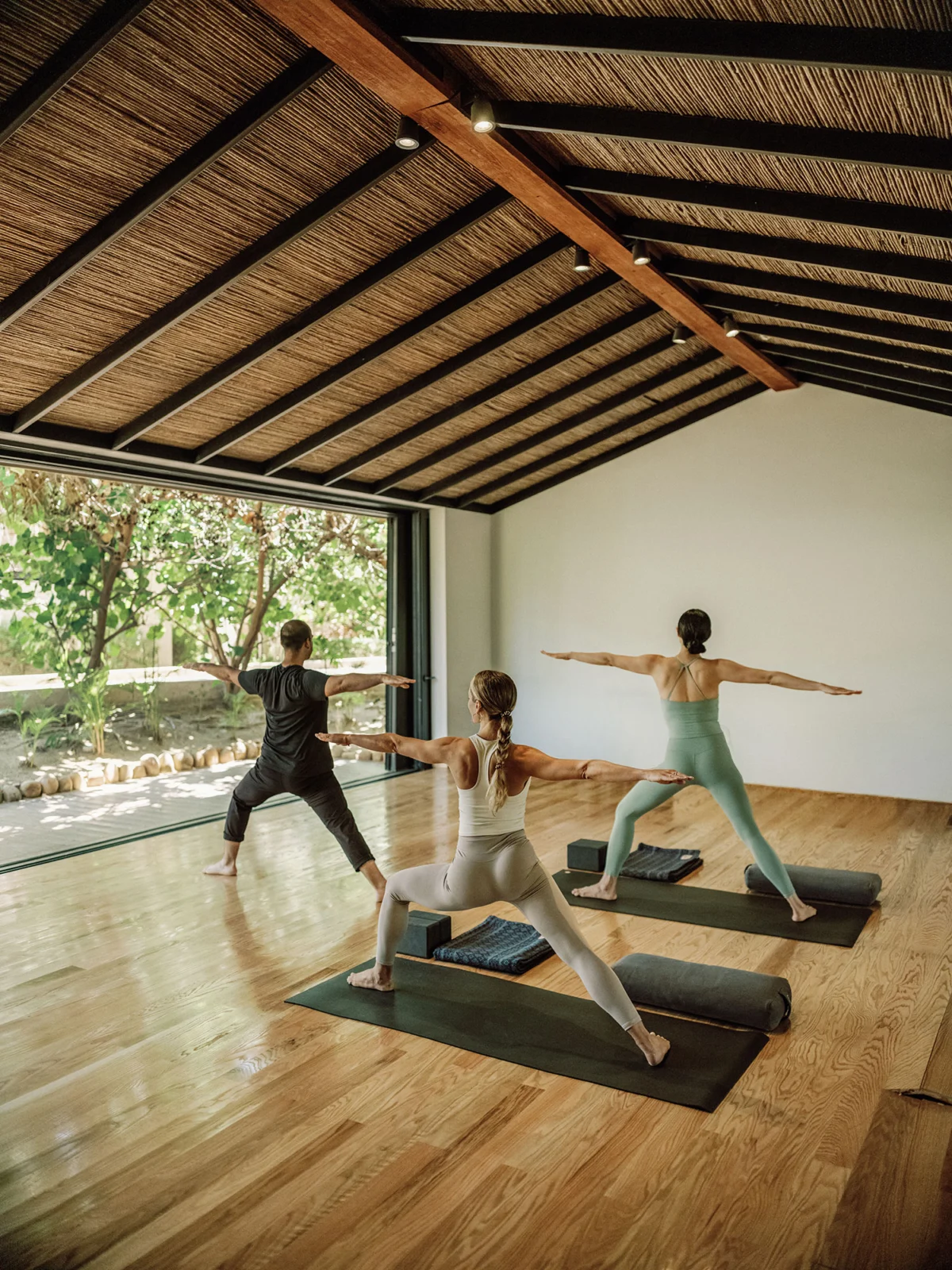
In an era defined by relentless digital connectivity, the “doomscrolling” phenomenon, and an ever-expanding list of professional and personal obligations, the home has evolved from a mere living space into a frontline defense against modern burnout. While our professional lives may be chaotic, our personal environments need not be. Industry experts are increasingly suggesting that we look toward the world’s most elite wellness retreats for design inspiration—not just for their aesthetic appeal, but for their psychological efficacy.
Bringing the “spa spirit” into your living room, bedroom, or home office does not require a structural renovation or a massive capital investment. Instead, by adopting the intentional, restorative design principles used by premier establishments like Montage Los Cabos, Sensei at Zádun, and the Four Seasons Napa Valley, you can curate a domestic environment that serves as a profound visual and sensory exhale.
The Philosophy of Restorative Design: Core Principles
At the heart of the spa-at-home movement is a shift in mindset: moving from “decoration” to “curation.” Professional spa designers focus on the neurological impact of a room, prioritizing elements that lower cortisol levels and encourage parasympathetic nervous system activity.
“The key is that creating a soothing space doesn’t necessarily require a renovation,” explains Diana Pineda, spa director at Montage Los Cabos. “Small, intentional adjustments can make an everyday space feel much more restorative.” This approach relies on the strategic removal of friction, the layering of sensory inputs, and the alignment of the physical environment with the natural world.
1. The Architecture of Silence: Cutting the Clutter
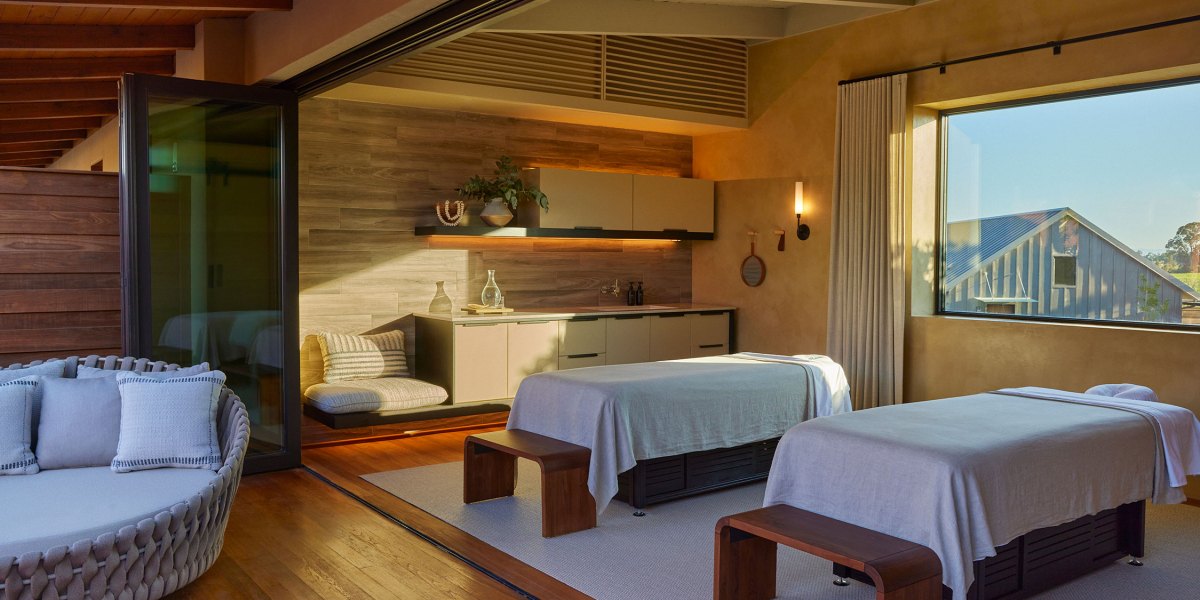
The most common barrier to a peaceful home is visual noise. According to Lina Morales, director of wellness at Sensei at Zádun, a Ritz-Carlton Reserve, “Calm tends to come from restraint. Give your space room to breathe rather than filling it up.”
The Psychology of Space
When a room is over-furnished, the brain is forced to process an abundance of information, which can trigger subtle, subconscious stress. Professional spas utilize negative space as a design feature, not a void. By clearing surfaces and curating your belongings, you reduce the “cognitive load” of your home.
Strengthening the Indoor-Outdoor Connection
Morales emphasizes that you do not need to move to the countryside to benefit from nature. Her primary advice for an immediate shift in perspective? “Turn a chair to face a window instead of a wall.” This simple reorientation forces a change in your line of sight, grounding you in the rhythms of the outdoors—the movement of light, the sway of trees, or the changing sky—which acts as a powerful tether during a stressful workday.
2. Tactile Retreats: The Power of Texture
If the eyes are the gateway to a calm space, touch is the anchor. Elite spas prioritize organic materials that offer a “tactile retreat” from the synthetic surfaces of our digital lives.
Materiality and the Muted Palette
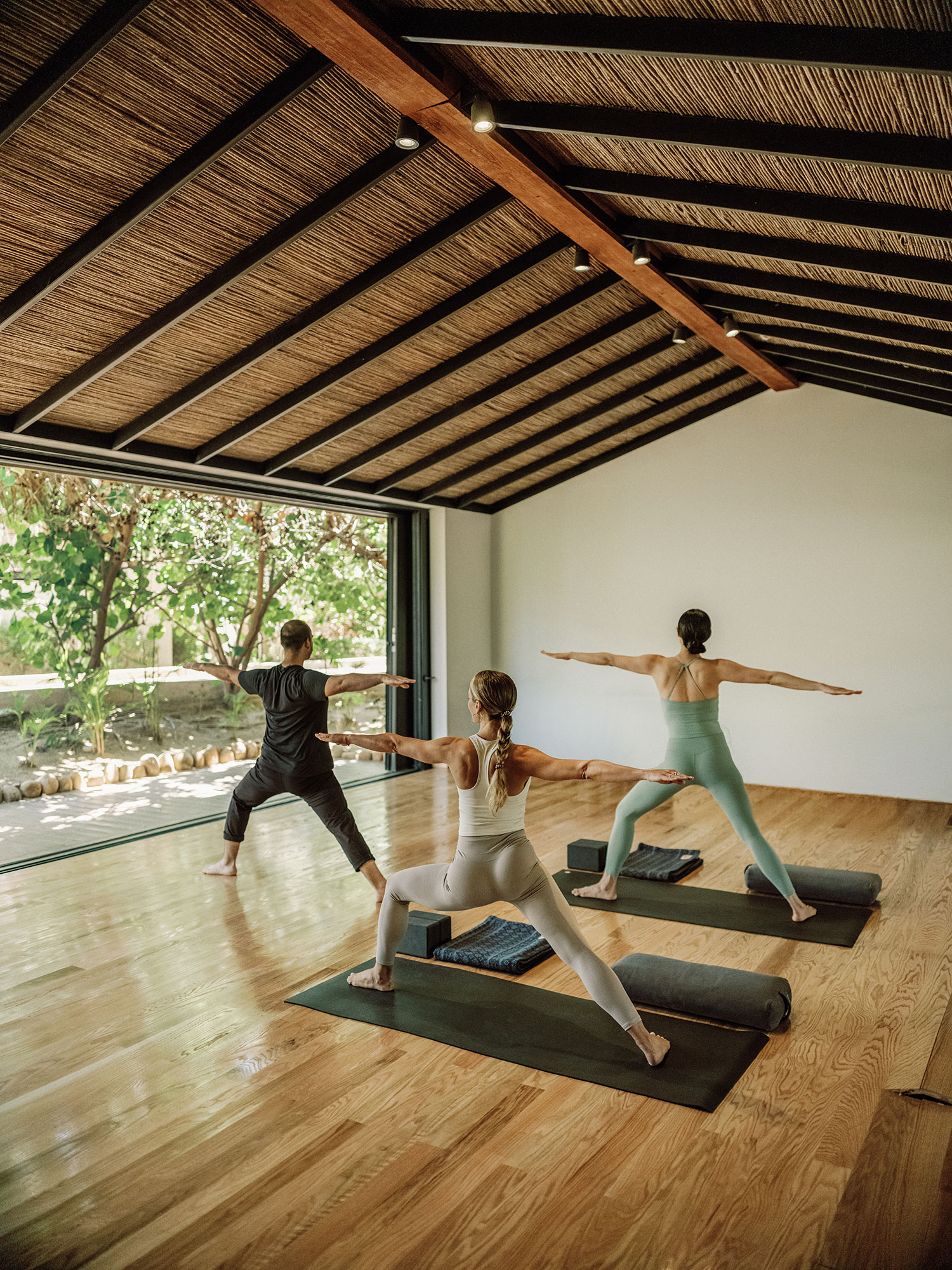
Pineda notes that Spa Montage Los Cabos utilizes an aesthetic of organic materials, supple textiles, and a muted color palette to immediately lower the guest’s guard. To replicate this, focus on high-quality, natural fibers. A linen throw pillow, a raw-edge wooden side table, or a hand-woven rattan basket introduces warmth without adding visual “noise.” By keeping the color palette restricted to earth tones—stone grays, warm sands, and soft greens—you create a cohesive visual language that feels effortless and grounded.
3. The Art of Layering: Sophisticated Lighting
Perhaps the most overlooked element in home design is lighting. The harsh, overhead fluorescent glare common in many modern apartments is the antithesis of the spa experience. “Nobody feels at ease under a bunch of harsh, fluorescent lights,” says Azadeh Hawkins, global creative director at Montage International.
The “Golden Hour” Effect
The goal of lighting in a wellness-focused home is to mimic the natural progression of the day. “Layering task lighting with softer sources, such as sconces and floor lamps, and incorporating dimmers allows a space to shift naturally from morning to evening,” Hawkins explains.
By avoiding a single, central light source and instead opting for multiple low-level light sources at varying heights, you create a sense of depth and intimacy. Warm-toned light bulbs (typically in the 2700K to 3000K range) are essential for maintaining this sense of warmth and connection to nature, signaling to the body that it is time to shift from productivity to rest.
4. Curating an Aura: The Role of Crystals and Intention
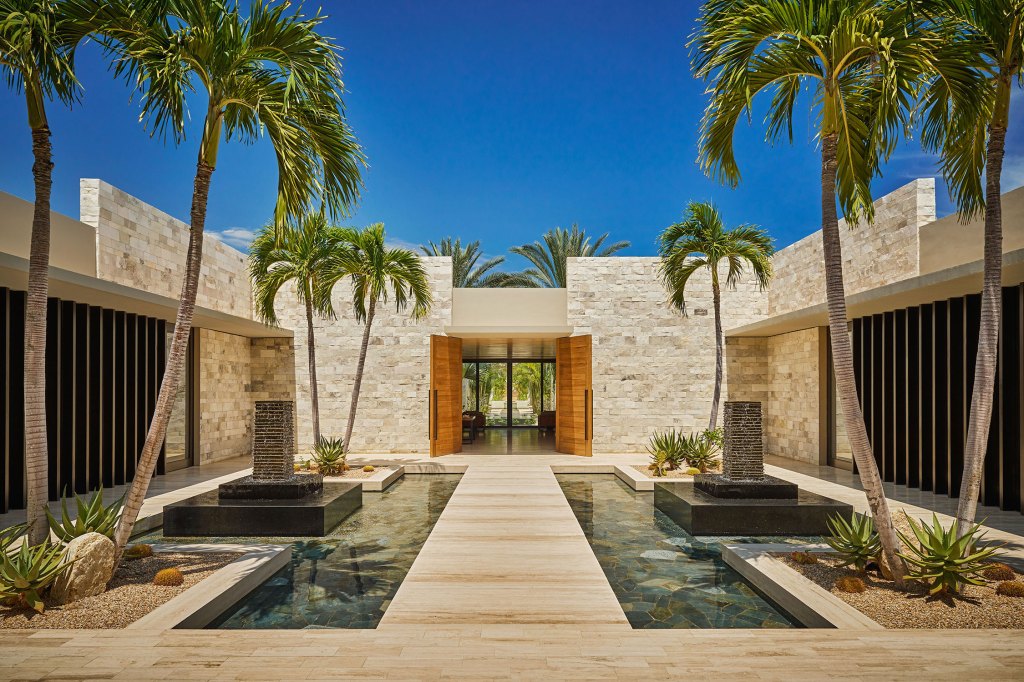
In the luxury wellness sector, spaces are often designed with a sense of “sacred geometry” and energetic intention. At the Life in Balance Spa at Miraval Arizona, crystals are not merely decorative—they serve as focal points for reflection.
Creating an Intentional Display
Heidi Smith Mullen, director of the Life in Balance Spa, suggests placing precious stones in areas where your eye naturally gravitates. “A place to set an intention, reflect, or dream,” she says. To maximize the impact, position these stones near windows to capture sunlight, allowing the light to refract and play across the room.
The Evolution of the Collection
Mullen advises against static displays. A curated space should be a living record of your journey. By incorporating items from travels, candles, or objects that mark significant life transitions, your home becomes a reflection of your evolution. This creates a psychological bond between the resident and the space, turning a simple shelf into a site of emotional significance.
5. The Multi-Sensory Approach: Olfactory and Atmospheric Design
A space that looks good but smells sterile will never feel truly restorative. At Four Seasons Resort and Residences Napa Valley, the olfactory experience is as carefully designed as the architecture.

The Scent of Serenity
“One of the phrases we hear most often at the entrance to Spa Talisa is, ‘It smells so good in here,’” says Carene Coulter, director of spa at Four Seasons Napa Valley. The sense of smell is the most direct link to the brain’s emotional center. By choosing a consistent, natural scent profile for your home—whether through soy candles, essential oil diffusers, or even the subtle inclusion of high-quality, natural cleaning products—you create an atmospheric “trigger” that tells your brain it is time to relax the moment you walk through the door.
Low-Cost, High-Impact Wellness
For those working with a limited budget, Yalda Teranchi, wellness director at Stanly Ranch in Napa Valley, suggests the “eucalyptus hack.” Hanging a bundle of fresh eucalyptus in the shower releases aromatherapy oils when exposed to steam, providing a spa-like experience for the cost of a bouquet. It is a testament to the fact that wellness is a series of small, intentional choices rather than a collection of expensive items.
Implications for Modern Living
The movement toward “spa-inspired home design” is not merely about aesthetic preference; it is a vital response to the stressors of contemporary life. When we curate our environments to prioritize rest, we are essentially reclaiming our autonomy.
The Chronology of Transformation
- The Assessment Phase: Identify the “stress hotspots” in your home—the areas where clutter accumulates or where you feel most rushed.
- The De-Clutter Phase: Remove items that do not serve a purpose or provide joy, adhering to the “less is more” philosophy.
- The Sensory Layering Phase: Introduce soft lighting, organic textiles, and intentional scents to shift the room’s atmosphere.
- The Habitual Integration Phase: Establish rituals within these spaces, such as morning meditation near a window or evening reading in a low-light setting.
Data on Wellness-Based Design
While interior design is often viewed as subjective, the data supports the wellness-first approach. Studies in environmental psychology consistently demonstrate that access to natural light, the presence of indoor greenery, and the reduction of visual clutter lead to lower heart rates and improved cognitive performance. By applying these professional spa techniques, you are essentially engineering a private sanctuary that mitigates the physiological effects of chronic stress.
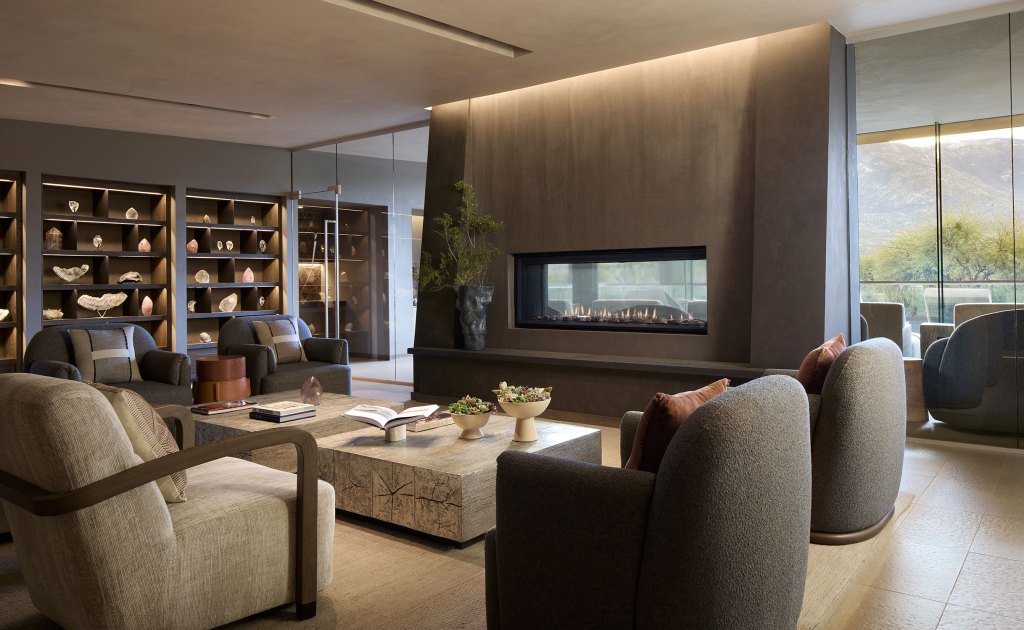
Ultimately, the goal is not to turn your home into a commercial spa, but to borrow the intention behind those spaces. By shifting your focus from the aesthetic to the experiential, you can transform your home into a sanctuary—a place where, at the end of every day, you can finally take that long-awaited, deep, visual exhale.
