

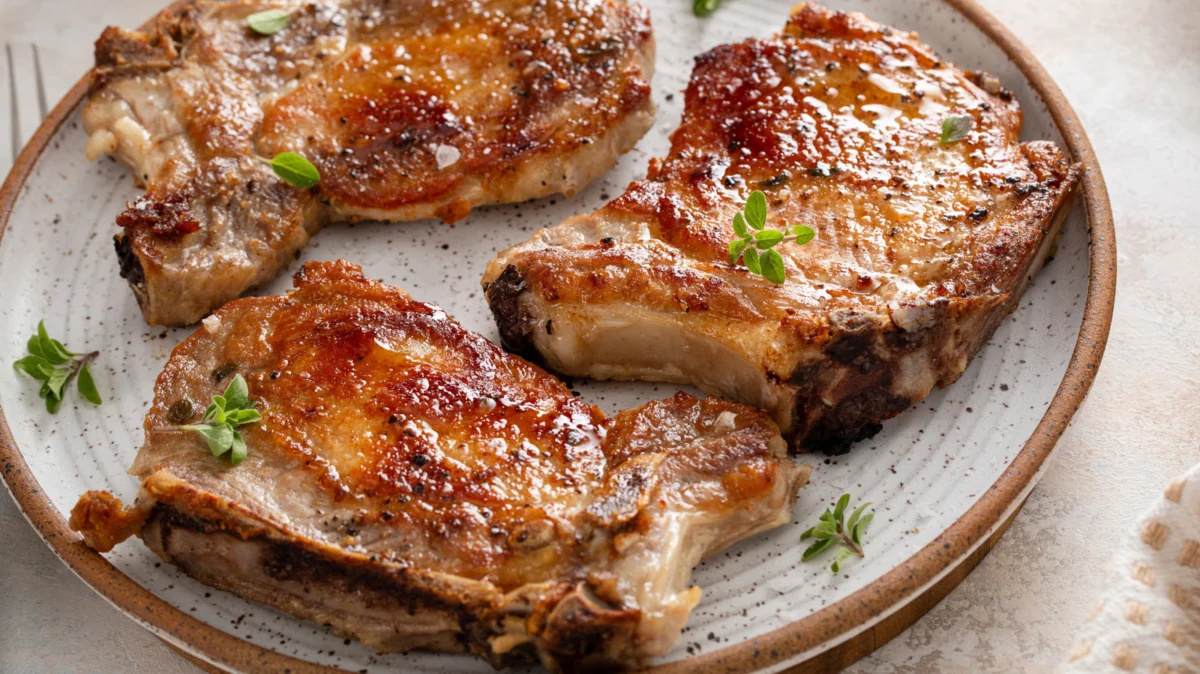
For generations, the pork chop has occupied a polarizing space in the home kitchen. Often maligned as "the other white meat," pork has undergone a radical transformation in the last half-century. Once marbled with fat and forgiving of overcooking, modern pork is leaner than ever—in many cases, containing less fat than a boneless, skinless chicken breast. While this shift aligns with modern health-conscious dietary trends, it has left many home cooks struggling to replicate the juicy, tender results of their ancestors’ recipes.
The result? A generation of diners familiar with dry, tough chops that lack the moisture of a well-prepared steak. However, a growing movement of culinary experts and viral content creators, including notable TikTok figures, has begun championing a simple, pantry-staple solution: the humble lemon. By incorporating lemon juice into your marination process, you can fundamentally alter the chemistry of your pork, turning a mediocre dinner into a restaurant-quality experience.
The Evolution of Pork: Why Modern Meat Demands New Techniques
To understand why our pork chops have become notoriously dry, we must first look at the agriculture industry. Fifty years ago, pork was raised differently; the animals carried more intramuscular fat, which acted as a self-basting mechanism during the cooking process. As consumer demand shifted toward leaner, heart-healthy proteins, breeders responded by producing pigs with significantly less fat.
This agricultural evolution rendered many traditional, long-simmering pork recipes obsolete. When you apply the high heat required to sear a pork chop to a lean, modern cut, the muscle fibers tighten rapidly, squeezing out whatever minimal moisture exists within the meat. This rapid contraction creates the "shoe leather" texture that has plagued amateur chefs for years. Relying on "Grandma’s recipe" is often the root cause of failure, as those methods were designed for a fatty, forgiving ingredient that no longer exists in the modern supermarket.
The Science of Acid: How Lemon Juice Transforms Protein
The effectiveness of lemon juice in marinating pork is not merely anecdotal; it is rooted in food science. When heat is applied to meat, the muscle proteins coagulate and tighten. Lemon juice, a potent source of citric acid, provides a two-pronged approach to counteracting this effect.
1. Surface Denaturation
When pork is exposed to an acidic marinade, the citric acid begins to denature the proteins on the surface of the meat. By breaking down these protein structures and altering the connective tissue at the outer layer, the acid effectively "pre-tenderizes" the chop. This allows the meat to retain its structural integrity during the searing process rather than seizing up into a tough, dry mass.
2. Salivation and Flavor Perception
Beyond texture, acidity is a primary driver of flavor perception. Scientific studies have shown that acidic compounds stimulate saliva production in the mouth. This biological reaction enhances the sensation of juiciness and flavor intensity, making even leaner cuts of meat feel more decadent on the palate. By introducing a bright, acidic profile to the surface of the chop, you are essentially "tricking" the brain into experiencing a more succulent bite.
Beyond the Lemon: A Survey of Culinary Acids
While lemon is a superstar for its accessibility and brightness, it is part of a broader family of acidic agents that can elevate various meats. Each type of acid brings a unique profile and chemical reaction to the table:
- Limes and Citrus: Similar to lemons, these provide a sharp, clean acidity that works exceptionally well with pork and poultry.
- Vinegar (Acetic Acid): A more robust, pungent option. Vinegar marinades are excellent for pork but require careful balancing with fats and sugars to avoid overpowering the meat’s natural flavor.
- Yogurt (Lactic Acid): Often used in Indian and Middle Eastern cuisines, yogurt is perhaps the most gentle and effective tenderizer. Unlike the harsh acidity of citrus, which can make meat mushy if used too long, lactic acid tenderizes the meat slowly and creates a protective barrier that seals in moisture.
The Chronology of a Perfect Marinade
For those looking to master this technique, timing is everything. Culinary experts emphasize that the relationship between acid and protein is delicate.
- Preparation: Begin by patting your pork chops dry. If you are using a yogurt-based marinade, you can afford a longer marination time—up to several hours. However, if using citrus juice, keep the marination brief.
- The "Goldilocks" Window: A 30-minute to one-hour window is typically ideal for a citrus-based marinade. Exceeding this time can lead to the "mushy" phenomenon, where the acid breaks down the meat structure too aggressively, turning the texture into something unappealingly soft.
- Incorporating Fats: To prevent the acid from acting too quickly or unevenly, it is crucial to include a fat source—such as olive oil—in your marinade. The oil acts as a buffer, ensuring the acid penetrates the meat evenly while promoting a beautiful, golden-brown sear when the pork hits the pan.
Expert Tips for the Home Cook
Even with the best marinade, technique remains the final arbiter of quality. Here are the professional standards for executing the perfect chop:
- Avoid Over-Marinating: If you are in a rush, a quick 15-minute soak can still make a difference. If you have time, do not exceed two hours for heavy-citrus marinades.
- The "Wipe-Off" Rule: When using yogurt or thick, herb-heavy marinades, wipe off the excess before searing. This prevents the marinade from burning or steaming the meat instead of searing it.
- Resting the Meat: No matter how well you marinate, resting is non-negotiable. Allow your pork chops to rest for at least 5 to 10 minutes after cooking. This allows the juices to redistribute throughout the muscle fibers, ensuring the first bite is just as juicy as the last.
- Temperature Control: Use an instant-read thermometer. Pork is safe to eat at 145°F (63°C). Cooking it beyond this point is the most common cause of dryness, regardless of how effective your marinade is.
Implications for Future Culinary Trends
The shift toward using acidic marinades represents a broader trend in home cooking: the "science-first" approach. As information becomes more accessible through digital platforms like TikTok, home cooks are becoming more experimental with ingredients like yogurt, buttermilk, and citrus.
This trend suggests a move away from rigid, traditional recipes and toward a deeper understanding of flavor dynamics. By viewing the pork chop not as a static ingredient, but as a biological structure that can be manipulated through chemistry, the home cook is empowered to reclaim the kitchen. The result is a more sustainable, enjoyable, and delicious way of eating, turning the leaner meats of the 21st century into the culinary success stories they deserve to be.
By embracing these acidic techniques, you are not just seasoning your food; you are mastering the art of the perfect chop, ensuring that "the other white meat" earns its rightful place at the center of your dinner table.
