

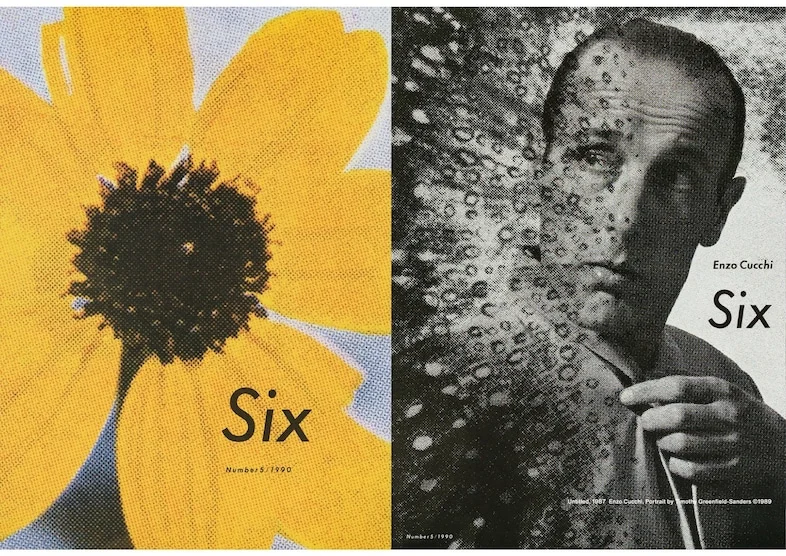
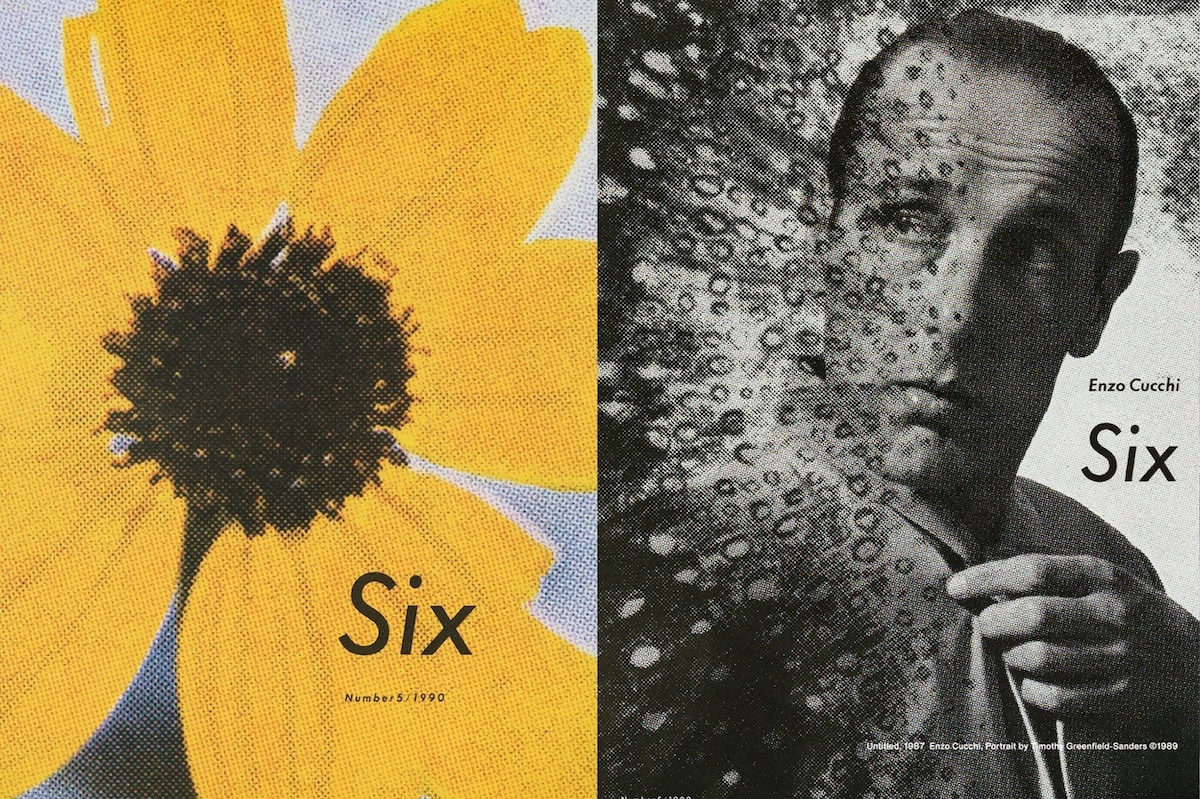
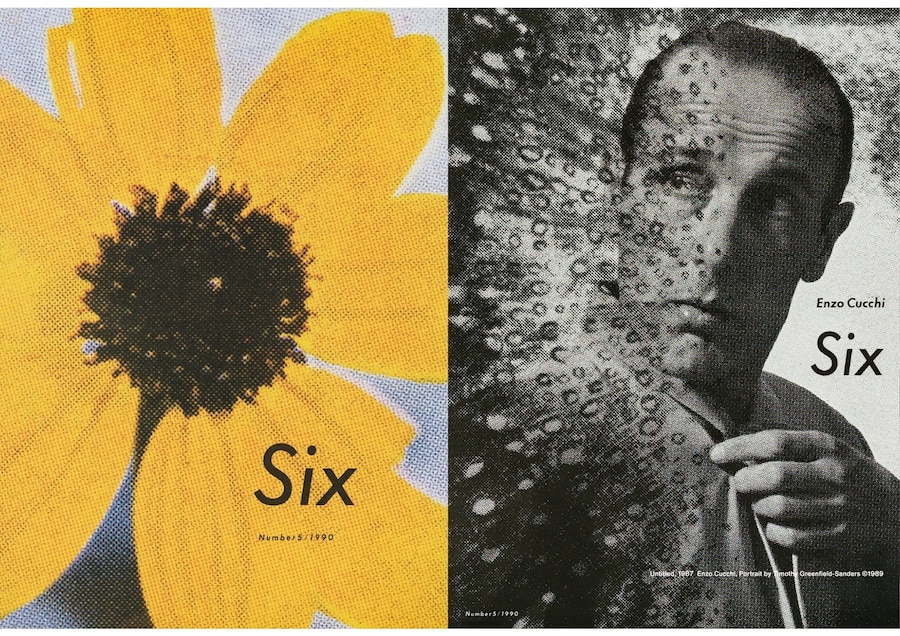
In the annals of fashion publishing, few objects hold the mythical status of Six, the enigmatic, large-format magazine published by Rei Kawakubo’s Comme des Garçons between 1988 and 1991. Named for the "sixth sense"—that elusive, extrasensory perception that transcends logic—Six was never merely a catalogue or a traditional fashion periodical. It was a surrealist manifesto, a curated collision of art, photography, and philosophy that challenged the very notion of what a brand could communicate.
Thirty-five years after its final issue, Six has emerged from the archives. In a rare and highly anticipated move, the publication has been revived, not as a subscription-based magazine, but as a sprawling, immersive installation at Dover Street Market London. This "new again" iteration, which follows a spring debut in Paris, marks a moment of reflection for one of the most influential creative houses in history, bridging the gap between the radical analog spirit of the late 80s and the digital-saturated landscape of 2026.
The Genesis: A Surrealist Manifesto in Print
When Rei Kawakubo launched Six in 1988, the fashion industry was largely defined by the glossy, commercial polish of the era’s burgeoning lifestyle magazines. Kawakubo, ever the iconoclast, chose a different path. Six was distributed free of charge to Comme des Garçons’ most loyal customers and members of the trade press. It was physical, tactile, and uncompromisingly artistic.
The early issues were notable for their design: the pages were loose, unbound, and gargantuan in scale, forcing the reader to engage with the images in a way that felt sculptural rather than sedentary. The magazine functioned on the logic of analogy. Rather than presenting seasonal "looks" in a linear fashion, Six juxtaposed high-fashion editorials with botanical studies by Karl Blossfeldt or architectural abstractions. It was a masterclass in visual juxtaposition, orchestrated by art director Tsuguya Inoue.
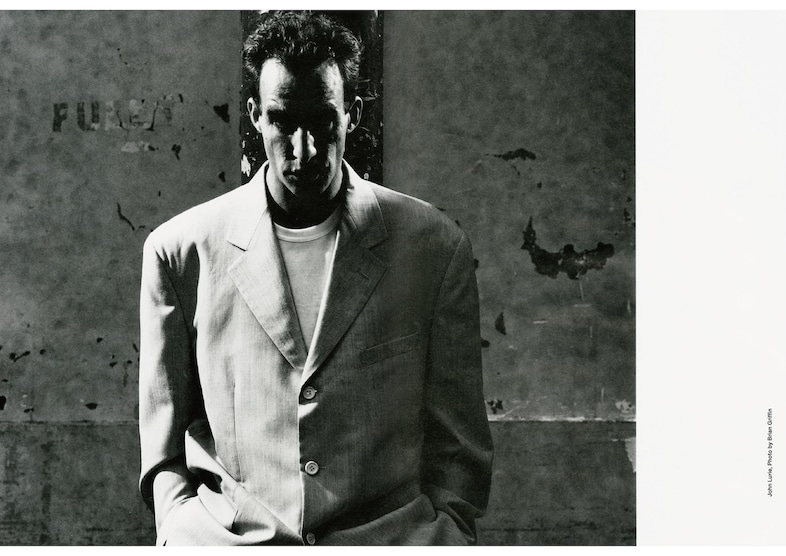
Inoue, who transitioned from advertising to art direction, has frequently cited Six as the most playful and intellectually liberating project of his career. By allowing images to speak through association—placing a portrait of Jean Cocteau by Gisèle Freund next to a Homme Plus campaign, or grounding the ethereal work of Peter Lindbergh alongside gritty documentary photography—the magazine created a new vocabulary for fashion communication.
Chronology: From 1988 to 2026
- 1988: The inaugural issue of Six is published, introducing the world to the "sixth sense" philosophy. The magazine runs for eight issues over three years.
- 1991: The eighth and final issue is released. Six fades into the realm of cult collector items, frequently cited in design schools as a pinnacle of experimental publishing.
- March 2026: Comme des Garçons quietly revives the Six spirit in the courtyard of Dover Street Market Paris.
- October 2026: The project expands to Tokyo’s Aoyama flagship store and finds a permanent, immersive home in the windows and ground floor of Dover Street Market London, coinciding with the timing of Frieze London.
- October 13, 2026: The official public opening of the London installation.
The Architecture of the Return
The revival of Six is not a simple reprint of archival material. It is a spatial translation of the magazine’s original ethos. According to Adrian Joffe, President of Comme des Garçons International, the project is strictly finite. "It’s three in the world," Joffe notes, referring to the specific global iterations in Paris, Tokyo, and London. "There won’t be any others."
This scarcity is central to the Comme des Garçons brand strategy, which prioritizes artistic integrity over mass-market saturation. In London, the installation is designed to interact with the architecture of the Dover Street Market space. The windows and ground floor have been overhauled, turning the retail environment into a gallery-like experience. In Paris, the imagery wrapped around tubular steel structures in a courtyard; in Tokyo, black-and-white collages bleed across columns and glass partitions.
The project also incorporates the "DMs"—the house’s internal term for its direct-mail marketing. These 2026 mailers, sent to a select list of global clients, act as a bridge between the 1988 archives and contemporary work. They feature reprints of original Six covers alongside fresh commissions from modern lensmen like Jack Davison and the celebrated photographer Flor Garduño. This layering of the past and the present reinforces the idea that Six is not a relic, but a living, breathing philosophy of "making."
Supporting Data: The Philosophy of the Sixth Sense
The first issue of Six famously contained a brief, unsigned meditation on its namesake. "‘Six’ is the sixth sense," it read. "It is the sense of the surreal. Although the sixth sense is impossible to describe, ‘flair’ may be one aspect of this sense."
This "flair"—a mixture of intuition, taste, and the courage to be unconventional—is the data point that explains the magazine’s longevity. By avoiding the rigid categorization of fashion (which categorizes clothing as commodity), Six categorized fashion as art.
The reliance on Peter Lindbergh throughout the original eight issues is a critical detail in understanding the magazine’s aesthetic backbone. Lindbergh’s work, characterized by its humanity and rejection of excessive retouching, provided the emotional anchor for the more surrealist, conceptual elements of the layout. When these images are revisited in 2026, they do not appear dated; they appear foundational, providing a stark, honest contrast to the hyper-edited digital imagery that dominates the current fashion landscape.
Official Responses and Strategic Implications
The return of Six comes at a time when the fashion industry is grappling with the exhaustion of digital content. In a world where every image is algorithmically optimized for engagement, the physical, curated, and exclusive nature of the Six installation serves as a powerful corrective.
Adrian Joffe emphasizes that the decision to revive Six was fundamentally about the "spirit of creation." By involving Rei Kawakubo directly in the selection of modern images to sit alongside archival works, the house is signaling a continuity of vision. They are not merely "reissuing" the past; they are extending the conversation.
The implication for the brand is significant. Dover Street Market has long functioned as a "beautiful chaos," a space where high fashion, streetwear, and art collide. By placing Six at the center of the London store during Frieze—one of the world’s most significant contemporary art fairs—Comme des Garçons is firmly positioning its legacy within the broader discourse of global art.
Furthermore, the release of an accompanying collection of 12 T-shirt styles—previously exclusive to the Trading Museum in Tokyo—allows a broader demographic to engage with the Six aesthetic, even if they cannot physically visit the London installation.
Why Six Still Matters
The return of Six offers a rare opportunity to evaluate the impact of a publication that refused to play by the rules of its time. In 1988, the magazine was a outlier. In 2026, it is a masterclass.
The enduring power of Six lies in its refusal to be defined. It was a catalogue that hated being a catalogue; a magazine that functioned like a gallery exhibition; a branding exercise that felt like a gift. For the current generation of designers and creatives, the revival serves as a reminder that the most potent form of communication is often the one that relies on the intuition of the sixth sense—that "flair" which defies categorization.
As the London installation draws crowds during the Frieze week festivities, the message from the Comme des Garçons team is clear: while the world of media has transformed, the necessity for a "sense of the surreal" remains constant. Rei Kawakubo’s Six was never meant to last forever—it was meant to provoke. And thirty-five years later, it is provoking all over again.
Six by Comme des Garçons is on view at Dover Street Market London for one month starting October 13, 2026.
