

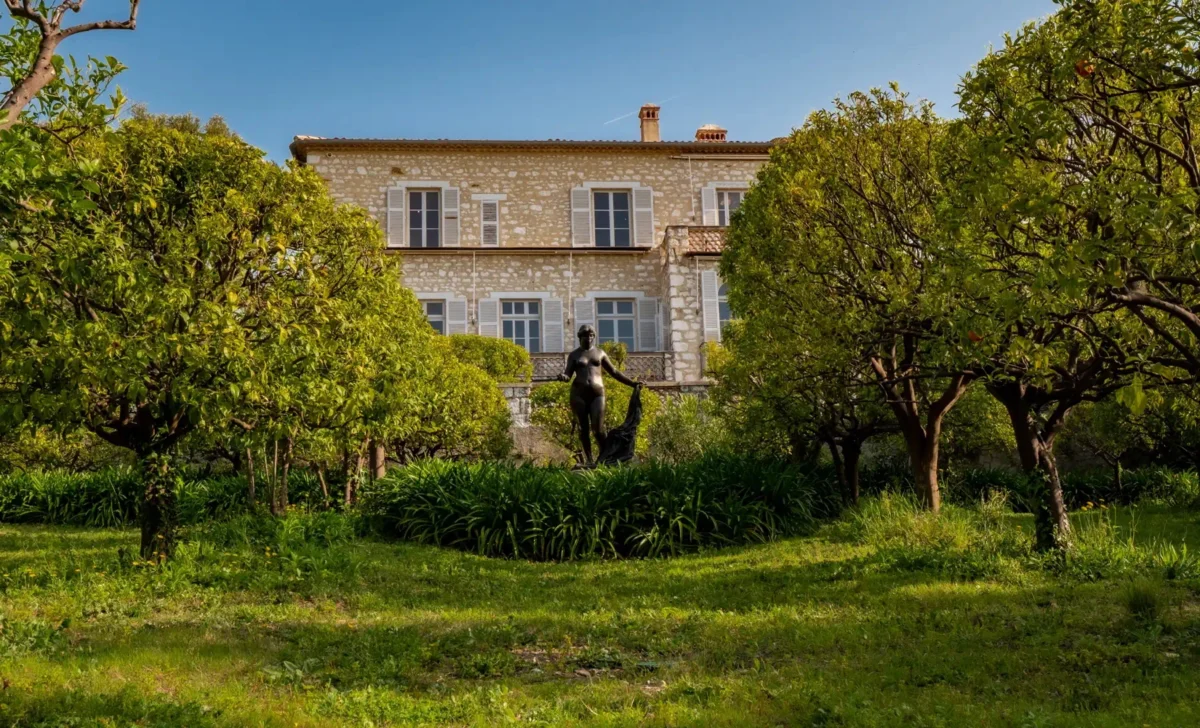
In a significant triumph for the international art community, authorities in the picturesque southern French town of Cagnes-sur-Mer have successfully recovered two priceless paintings by Pierre-Auguste Renoir. The works, which were forcibly removed from the Renoir Museum during a brazen, pre-dawn heist earlier this autumn, have finally been returned to their rightful home. The recovery of these canvases marks the conclusion of a high-stakes investigation that sent shockwaves through the world of fine art preservation and underscored the persistent vulnerabilities facing regional cultural institutions.
The two recovered masterpieces—Portrait of Madame Colonna Romano (1910) and Jeune fille au puits (1886)—represent a combined estimated value of approximately €9 million ($10.5 million). Their return is not merely a financial victory but a restoration of the aesthetic soul of the museum, which is housed in the artist’s final residence, the Domaine des Collettes.
A Chronology of the Heist and Recovery
The incident began in the quiet, early morning hours of a September day, when thieves executed a calculated intrusion into the Renoir Museum. According to local law enforcement, the perpetrators bypassed security measures with cold efficiency, utilizing heavy-duty tools—specifically identified as an electric knife or a metal saw—to shear through the mounting bolts securing the frames to the gallery walls.
The thieves’ initial haul consisted of four distinct works by the Impressionist master. However, the heist was ultimately marred by the culprits’ inability to complete the extraction of the entire set. During their hasty departure, the thieves abandoned two of the stolen works: Portrait of Madame Pichon (1895) and Coco Lisant (1905). While the abandonment of these two canvases provided a glimmer of immediate relief to museum curators, the disappearance of the remaining two paintings triggered an extensive multi-agency investigation.
The subsequent months involved rigorous surveillance and intelligence gathering by local authorities. The breakthrough came as investigators tracked a network of individuals linked to the theft, culminating in the arrest of six suspects. The recovery of the two remaining paintings shortly thereafter brought a sense of closure to a town that had been reeling since the initial breach.
The Significance of the Domaine des Collettes
To understand the weight of this loss, one must understand the unique status of the Renoir Museum. Unlike major metropolitan institutions that house works from diverse origins, the Renoir Museum in Cagnes-sur-Mer is a site-specific sanctuary. It was here, amidst the olive groves of the Domaine des Collettes, that Pierre-Auguste Renoir spent the final years of his life, from 1908 until his death in 1919.
The museum is more than a mere repository of art; it is a preserved environment that captures the domestic and creative reality of one of history’s greatest painters. The collection includes not only paintings but also original sculptures, personal furniture, and studio effects that allow visitors to step back into the early 20th century. Before the theft, the museum proudly displayed 12 original Renoir paintings. When thieves breached the walls, they were not just stealing inventory; they were stripping the living history from the artist’s own home.
Official Responses and Political Implications
The recovery of the works has been met with profound relief by local officials. Mayor Bryan Masson, a prominent figure in France’s National Rally party, took a firm stance throughout the ordeal, positioning the protection of the museum as a cornerstone of his administration’s cultural policy.
"These two paintings are far more than works of art," Mayor Masson stated following the confirmation of the recovery. "They are part of our city’s history, our cultural heritage, and the legacy Auguste Renoir left to Cagnes-sur-Mer. Their recovery is a tremendous relief for the people of Cagnes-sur-Mer and for everyone who cares deeply about our museum."
Masson’s rhetoric during the aftermath of the robbery was equally pointed, emphasizing that the assault on the museum was a direct "attack on a part of Cagnes-sur-Mer’s history and heritage." His administration has since signaled an intention to review and potentially enhance security protocols for the museum, acknowledging that the vulnerability of regional galleries remains a pressing issue in the face of sophisticated art-theft syndicates.
Supporting Data: The Global Art Market and Security Risks
The theft at the Renoir Museum serves as a sobering case study for curators worldwide. The valuation of the stolen works—pegged at nearly $10.5 million—highlights the immense pressure put on smaller museums to provide world-class security for works of immense market value.
The global illicit trade in art is estimated to be worth billions annually, and Impressionist works remain among the most targeted assets due to their high liquidity and global recognizability. The incident in Cagnes-sur-Mer highlights a common trend in art crime: the "smash-and-grab" technique used by organized gangs who often underestimate the difficulty of selling stolen, world-renowned works.
While the London art market and major auction houses have implemented stricter provenance checks—making it nearly impossible to sell a stolen, cataloged masterpiece—the pressure remains on smaller institutions. The use of specialized tools, such as the electric saws mentioned in police reports, suggests that the perpetrators were prepared for a professional extraction, yet the recovery suggests that their ability to "fence" such high-profile works was effectively neutralized by the intensity of the investigation.
The Wider Context: Renoir’s Enduring Appeal
The timing of this theft was particularly poignant given the global resurgence of interest in Renoir’s work. While the Cagnes-sur-Mer facility was dealing with the trauma of the heist, the international art community was simultaneously celebrating the artist’s legacy on a grand scale. The National Gallery in London, for instance, has been hosting a blockbuster exhibition featuring 40 of Renoir’s paintings, drawing record crowds and reminding the public of the delicate, luminous brushwork that defines the Impressionist movement.
Renoir’s work, characterized by its focus on light, saturated color, and intimate portraiture, continues to command some of the highest prices in the industry. As demand for Impressionist art remains robust, the security of museums holding these works becomes increasingly complex. The successful recovery in France acts as a success story in an industry that too often sees masterpieces vanish into private, inaccessible collections for decades.
Implications for Future Cultural Preservation
The conclusion of this case raises several critical questions for the future of museum management. Firstly, the reliance on basic bolt-fastening systems, as evidenced by the ease with which the thieves removed the paintings, indicates that many regional museums may be operating on outdated security infrastructures.
Secondly, the arrest of six suspects suggests a collaborative effort that stretched beyond a simple burglary. It points to a network, likely involving middlemen and potential buyers, which necessitates a more integrated approach between local police, national agencies like the French Central Office for the Fight against Traffic in Cultural Goods (OCBC), and Interpol.
Finally, the recovery underscores the importance of public engagement in the preservation of heritage. When the paintings were stolen, the outrage of the Cagnes-sur-Mer community provided a necessary political impetus for the swift action of the authorities. The "relief" expressed by Mayor Masson reflects a broader understanding that a museum is not just a building, but a vital link to the past that must be protected with modern vigilance.
As the paintings are prepared for their return to the gallery walls of the Renoir Museum, the incident stands as a reminder of the fragility of our shared cultural history. The canvases—once victims of a callous criminal enterprise—are now poised to resume their role as silent witnesses to the life and work of one of history’s most beloved artists, safely returned to the light they were painted to capture. The case remains a testament to the fact that while art is vulnerable to the darkness of greed, it can be saved by the persistence of law, the cooperation of the community, and an unwavering commitment to the preservation of our global heritage.
