

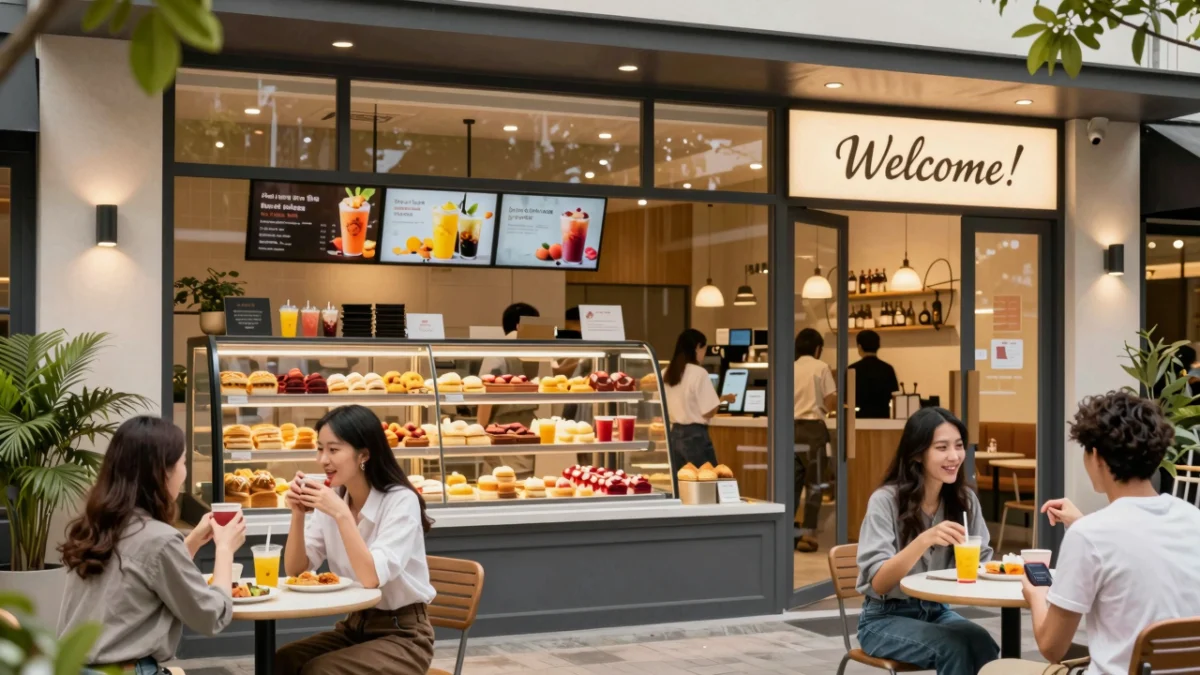
Investing in a franchise remains one of the most reliable pathways for entrepreneurs seeking to balance the spirit of business ownership with the security of a proven operational blueprint. As we navigate the economic landscape of 2026, the franchise model has evolved from a simple "plug-and-play" system into a sophisticated ecosystem of data-driven support, localized community engagement, and digital integration. For prospective investors, the challenge is no longer just finding a brand, but identifying the sector that aligns with long-term macroeconomic trends.
Main Facts: The Franchise Advantage in 2026
At its core, franchising mitigates the "startup penalty"—the high failure rate associated with independent business ventures—by providing a template for success. When you invest in a franchise, you are purchasing more than just a brand; you are acquiring a comprehensive operational infrastructure.

The fundamental benefits remain unchanged, yet their execution has reached new levels of efficiency:
- Brand Equity: Immediate access to consumer trust, reducing the cost of customer acquisition.
- Operational Blueprints: Standardized procedures that allow for consistent quality and lower management errors.
- Training Ecosystems: Modern franchisors now provide AI-enhanced training modules, ongoing digital support, and supply chain management tools that were previously unavailable to small business owners.
- Risk Mitigation: By leveraging collective buying power and national marketing budgets, franchisees are better insulated against local economic volatility.
A Chronology of Success: Moving from Inquiry to Launch
Entering the world of franchising is a marathon, not a sprint. A typical timeline for a successful launch involves a structured, multi-phase journey:

- Phase I: Self-Assessment (Months 1–2): Investors must conduct a "skills audit." Do your interests lie in high-touch service, such as fitness, or high-efficiency systems, like QSR (Quick Service Restaurants)?
- Phase II: Financial Due Diligence (Months 2–3): This involves reviewing the Franchise Disclosure Document (FDD). Key metrics to analyze include the "Item 19" (financial performance representations) and the total initial investment range.
- Phase III: Validation and Networking (Months 3–4): The most critical step is speaking with current franchisees. Ask about their "break-even" timeline and the quality of support received from the corporate office during crises.
- Phase IV: Funding and Approval (Months 4–6): Securing financing—whether through SBA loans, traditional commercial lenders, or franchisor-backed financing—is finalized here.
- Phase V: Onboarding and Grand Opening (Months 6+): Completion of mandatory training programs and site development, culminating in the official launch.
Supporting Data: Sector Performance and Market Trends
The 2026 market is characterized by a "flight to quality." Consumers are gravitating toward brands that offer convenience without sacrificing the "human element."
The Food & Beverage Evolution
The QSR landscape is witnessing a pivot toward "Daypart Optimization." Brands like Jack in the Box are leveraging 24/7 service models to capture late-night and early-morning demographics. Conversely, Dunkin’ continues to dominate through a focus on digital loyalty programs and mobile-first ordering, proving that coffee and baked goods remain recession-resilient staples.

The Rise of Home Services
Home services (HVAC, plumbing, cleaning, and landscaping) have become the "hidden gems" of the franchise world. Because these are essential services, they are effectively immune to the cyclical nature of retail spending. Data suggests that as homeowners continue to invest in their properties rather than purchasing new homes in a high-interest environment, demand for specialized maintenance franchises will see a projected 7–9% growth through 2027.
Fitness and Wellness Integration
Modern fitness is no longer about just "weights and cardio." Successful models like OrangeTheory Fitness and Anytime Fitness are leaning into community-centric health. By incorporating group dynamics and personalized data tracking, these brands have shifted from gyms to "wellness hubs," which naturally increases member retention and long-term lifetime value (LTV).

Official Perspectives: Strategic Advice from Industry Leaders
Industry experts emphasize that the "best" franchise is not necessarily the one with the highest revenue, but the one with the best "Unit Economics."
"A potential franchisee must prioritize the support structure over the brand name," suggests one industry analyst. "A brand that is world-famous but provides poor training and limited marketing support is a liability. Conversely, a mid-sized, regional brand with a dedicated field support team and a high level of transparency in their FDD can often yield a higher return on investment for a first-time owner."

Furthermore, franchisors are increasingly vocal about the "Cultural Fit." Leading brands are no longer accepting every applicant who has the capital; they are looking for owner-operators who are embedded in their local communities, as they understand that a franchise’s reputation is built at the local level.
Implications: Building a Sustainable Future
Investing in a franchise has significant implications for the entrepreneur’s long-term wealth strategy. It is not a passive income vehicle; it is a business that requires active management and local leadership.

The Importance of Community Engagement
In 2026, the most successful franchises are those that act as local community anchors. Whether it is a Goddard School sponsoring local STEM fairs, or a Great Clips collaborating on school fundraising, the ability to build local rapport is a competitive advantage that corporate advertising cannot buy.
Adapting to the Digital/Physical Hybrid
Retail and e-commerce are no longer separate. A successful retail franchise today must offer a "phygital" experience. This means the ability for a customer to order online and pick up in-store, or to book services through an app while interacting with staff in person. Franchises that fail to integrate these technological touchpoints will likely struggle to maintain relevance among younger demographics.

Conclusion: Final Steps for the Aspiring Franchisee
If you are prepared to make the leap into business ownership, follow this final checklist:
- Define your capital threshold: Be realistic about your liquid assets and net worth. Do not stretch your finances to the point of insolvency at the outset.
- Prioritize support over fame: Choose a franchisor that has a proven track record of helping struggling locations turn a profit.
- Validate aggressively: Reach out to at least ten current franchisees. Ask the "tough" questions: How has the support changed since you signed? How often do you communicate with the corporate office?
- Embrace the process: A franchise is a partnership. Your success is intrinsically linked to the success of the brand. By choosing a franchise that aligns with your personal values and long-term financial goals, you are not just starting a job—you are building a sustainable legacy.
As the 2026 market continues to shift, the opportunity for growth remains immense for those who are diligent, prepared, and willing to put in the work. The landscape is crowded, but for the informed investor, it is ripe with potential. By balancing the stability of a known brand with your unique drive to succeed, you can carve out a profitable niche that serves both your community and your bank account.
