

In an era of economic volatility, aspiring entrepreneurs are increasingly turning away from the high-risk "start-from-scratch" model of independent business ownership. Instead, they are gravitating toward the proven, structured, and resilient world of franchising. With industry data indicating a remarkable 80% to 90% success rate for franchised units compared to the significantly higher failure rates of independent startups, the franchise model has solidified its position as the preferred vehicle for wealth creation in 2026.
As the market continues to expand—with a projected 2.5% growth rate throughout the year—investors are finding that the key to long-term profitability lies in leveraging established brand equity, standardized operational systems, and the collective strength of a national support network.

The Fundamentals: Why Franchising Outperforms the Competition
The allure of franchising is rooted in its inherent mitigation of risk. When an entrepreneur invests in a franchise, they are effectively purchasing a "business in a box." This includes proprietary systems, supply chain logistics, marketing infrastructure, and, perhaps most importantly, a recognizable brand that commands immediate consumer trust.
Key Drivers of Modern Success
- Risk Mitigation: The 80-90% success rate is largely attributed to the guardrails provided by franchisors. Unlike independent owners who must troubleshoot every operational hurdle, franchisees benefit from refined processes that have been stress-tested across hundreds of locations.
- Operational Support: From initial site selection and lease negotiation to ongoing training and HR assistance, the support ecosystem ensures that the franchisee is never truly operating in a vacuum.
- Market Resilience: In 2026, the demand for essential services—home repair, specialized retail, and skill-based education—has proven far more resilient to economic shifts than luxury or non-essential sectors.
- Community and Collaboration: Franchisees belong to a network. This peer-to-peer connection allows for the sharing of best practices, which can be the difference between stagnant growth and regional dominance.
A Chronology of Market Evolution
The landscape of franchising has shifted significantly over the past five years. Historically, the sector was dominated by food and beverage giants. However, the post-pandemic shift toward home-centric services and digital-age skill building has reshaped the "hottest" opportunities.

- 2023-2024: The market saw a surge in demand for professional residential services as homeowners invested heavily in property value retention.
- 2025: Technology-based education (STEM) for children emerged as a critical sector, driven by a global push toward coding literacy.
- 2026: We are currently witnessing a consolidation of these trends, where multi-revenue stream models (like Batteries Plus) and scalable service models (like Fresh Coat) are outperforming single-service legacy businesses.
Deep Dive: The Top Contenders in the 2026 Landscape
1. Batteries Plus: The Multi-Revenue Powerhouse
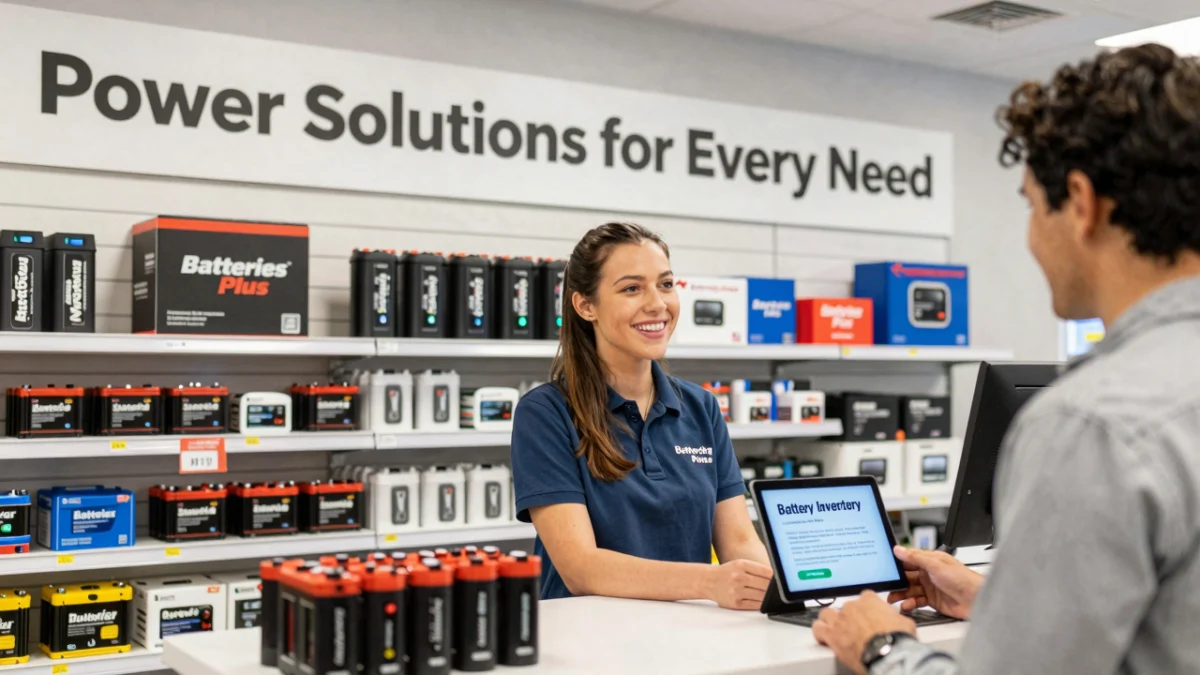
Batteries Plus has become a case study in how to maintain relevance in a changing retail environment. By diversifying into phone repair, commercial lighting solutions, and portable power, the brand has insulated itself from the decline of traditional brick-and-mortar retail.
- Financial Barrier: With a minimum cash requirement of $100,000, it remains accessible to middle-market investors.
- Operational Edge: The company leverages over 30 years of brand history to secure wholesale partnerships that individual owners could not replicate.
2. Mr. Handyman: Capitalizing on the "Home Maintenance" Boom
The demand for reliable home repair services shows no signs of slowing. Mr. Handyman provides a sophisticated, professionalized version of a traditionally fragmented market.

- Investment Profile: Requires a net worth of at least $250,000 and an initial investment between $161,900 and $215,000.
- Strategic Advantage: The brand’s ability to handle both small residential fixes and large-scale property maintenance makes it a versatile player in any local market.
3. Code Ninjas: The Future of Tech Education
As the digital economy grows, parents are increasingly prioritizing STEM education. Code Ninjas operates on a recurring revenue model—a "holy grail" for franchise investors—as students enroll in year-round programs and summer camps.
- Educational Impact: Their belt-based system gamifies the learning process, which ensures high retention rates among children aged 7-14.
- Market Demand: With schools struggling to keep up with coding curricula, private franchises like Code Ninjas are filling a critical gap in the education sector.
4. Fresh Coat and Five Star Painting: The Painting Franchise Revolution
Painting is frequently cited as one of the most profitable service niches due to its high-margin nature and low inventory requirements.

- Scalability: Both Fresh Coat and Five Star Painting emphasize the "business owner" role over the "technician" role. Franchisees are taught to manage teams, marketing, and client relationships, allowing them to scale across multiple territories.
- Entry Point: With minimum cash requirements often starting around $50,000, these represent some of the most efficient paths to high-margin service business ownership.
Supporting Data: Evaluating the Financials
When analyzing any franchise, the Franchise Disclosure Document (FDD) serves as your primary roadmap. Specifically, Item 19 of the FDD is the industry standard for determining financial performance.
| Franchise | Focus | Min. Cash Required | Primary Market |
|---|---|---|---|
| Batteries Plus | Power & Tech Repair | $100,000 | Retail & Commercial |
| Mr. Handyman | Home Repair | $100,000+ | Residential |
| Fresh Coat | Painting Services | $50,000 | Residential/Commercial |
| Code Ninjas | STEM Education | Varies | Youth Enrichment |
Official Perspectives: The Expert View
Industry analysts suggest that the "best" franchise is not necessarily the one with the highest historical revenue, but the one with the most robust support system. According to the International Franchise Association, the top-performing franchisees in 2026 are those who actively engage with corporate training and adhere strictly to the operational manuals provided.

"The biggest mistake new investors make," notes one industry consultant, "is thinking they can deviate from the proven system. The system is the product. When you buy into a franchise like Mr. Handyman or Five Star Painting, you are paying for the accumulated wisdom of thousands of previous successful transactions. Ignoring that is a shortcut to failure."
Implications for the Aspiring Investor
If you are looking to make your move in 2026, the implications are clear: diversification and service-oriented models are the way forward.

Strategic Steps for Prospective Owners:
- Self-Assessment: Do you prefer hands-on operational management (like a handyman business) or team management (like a painting or tech-ed franchise)?
- Due Diligence: Never invest based on a brochure. Reach out to at least five existing franchisees in different territories. Ask them about the "hidden" challenges—marketing costs, labor turnover, and corporate communication.
- Discovery Days: Attend the franchisor’s Discovery Day. This is your opportunity to meet the executive team and assess the culture of the organization.
- Legal Review: Have a franchise attorney review your contract. There is no room for ambiguity when your financial future is on the line.
Conclusion
The path to entrepreneurship in 2026 is no longer about finding a "new" idea; it is about finding a "proven" idea and executing it flawlessly. Whether you choose the technical versatility of Batteries Plus, the reliable demand of the home repair sector with Mr. Handyman, or the forward-thinking educational model of Code Ninjas, the franchise path offers a structure that significantly reduces the friction of starting a business.
By carefully vetting your options, aligning your personal interests with market demand, and leaning into the support systems provided by established brands, you are not just making an investment—you are securing a seat at the table of one of the most reliable wealth-building vehicles in the modern economy. Your next big move is waiting; the only question is whether you are ready to follow the blueprint.
