

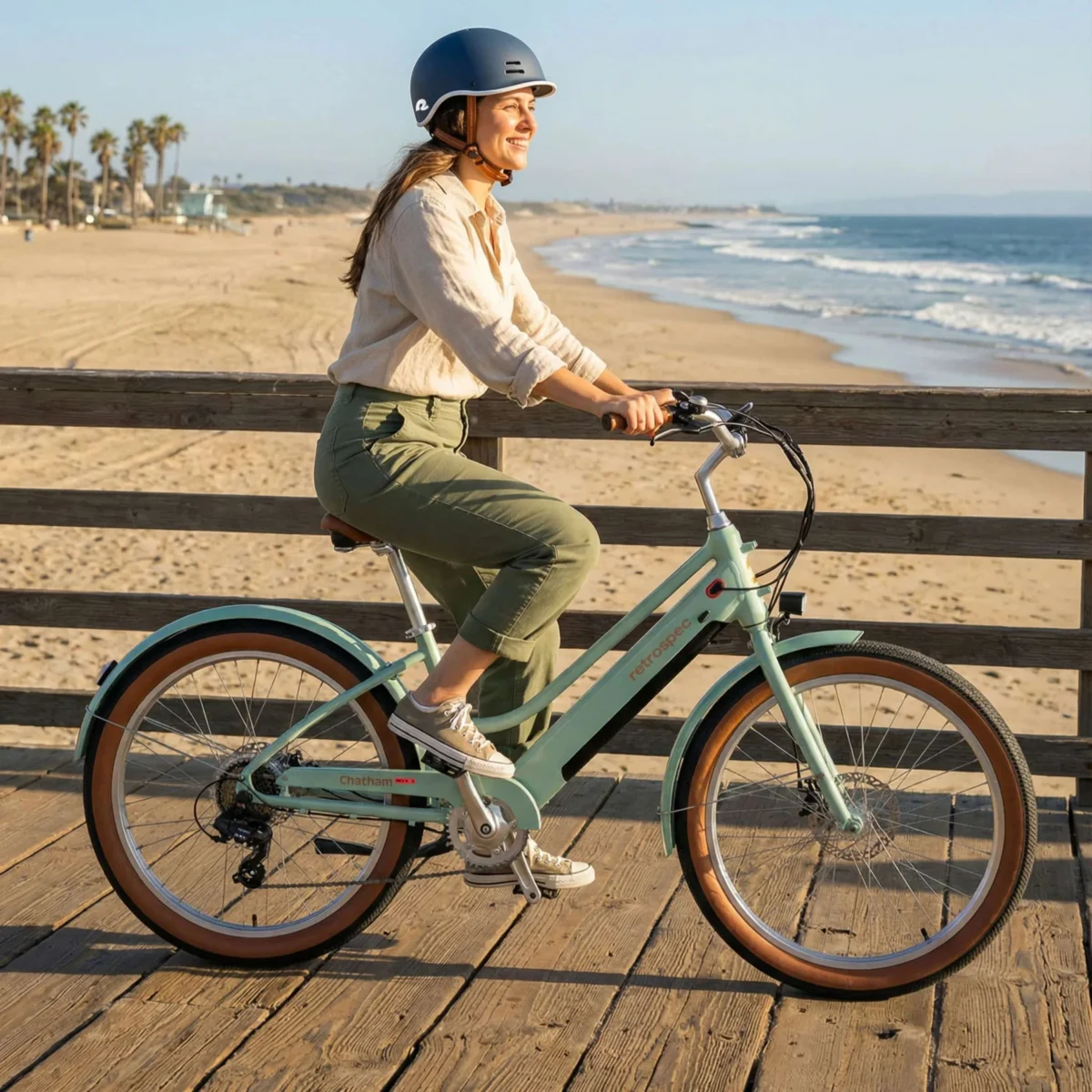
If you walk along the sun-drenched boardwalks of Santa Monica or the bustling, hilly streets of San Francisco today, you will notice a distinct shift in the local ecosystem. The era of the oversized luxury SUV as the primary coastal status symbol is rapidly waning. In its place, a nimble, electrified, and undeniably stylish contender has emerged: the e-bike.
No longer relegated to the realm of eccentric hobbyists or confused tourists, electric bikes have permeated the fabric of daily life. They have become the accessory du jour for the modern commuter, the beach-goer, and the urban dweller alike. This isn’t merely a fleeting trend; it is a fundamental cultural pivot toward efficiency, accessibility, and a reimagining of what personal transportation should look like in the 21st century.
The Evolution of the Electric Ride
For years, the e-bike market was dominated by hulking, industrial-looking machines—bikes with thick, black tires and frames that looked more like modified motorcycles than bicycles. They were heavy, cumbersome, and lacked aesthetic appeal.
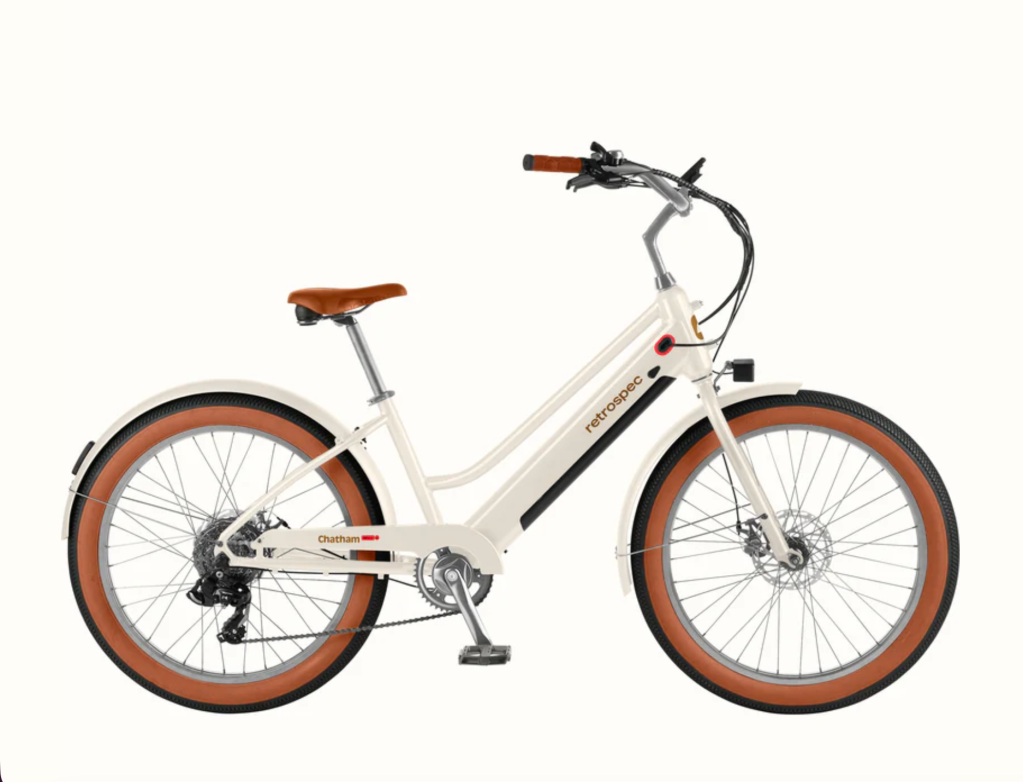
Today, however, the narrative has changed. Brands like Retrospec have bridged the gap between utility and design, introducing models like the Chatham Rev+ 2. These bikes are aesthetically refined, featuring sophisticated colorways like matcha and eggshell that evoke the laid-back, coastal California aesthetic. More importantly, they solve a logistical pain point that has plagued electric vehicle (EV) owners for years: charging. While EV owners often find themselves tethered to public charging stations in crowded parking lots, the modern e-bike owner simply plugs their battery into a standard wall outlet at home, making the transition to electric mobility seamless and stress-free.
Chronology of a Disruption: From Necessity to Norm
The rise of the affordable e-bike did not happen in a vacuum. It was born out of a combination of economic necessity and the maturation of battery technology.
The Early Years: The Necessity Pivot
The story of Retrospec, a key player in this movement, began not with a grand vision of environmental salvation, but with the practical reality of financial struggle. Founder Ely Khakshouri recalls his entry into the industry as an accidental endeavor. "I didn’t buy my first bike because I was trying to save the planet," Khakshouri admits. "I bought it because I was broke and couldn’t afford a car."
As he navigated his daily life, Khakshouri began to perform a mental audit of the true cost of car ownership. When one factors in the compounding costs of fuel, insurance premiums, maintenance, registration, and the soul-crushing expense of urban parking, the math rarely favors the driver.
The Economic Realization
For many, the true cost of a car remains an opaque, invisible drain on the bank account. It is only when the monthly premiums and repair bills are tallied that the reality sets in. This realization has fueled a migration toward e-bikes, which act as a hedge against the volatility of gas prices and the rising cost of city living. By mid-2026, the data suggested a significant segment of the population was opting to leave their cars in the garage for short-to-medium trips, choosing instead the agility of an e-bike.
Supporting Data: The Case for the E-Bike
The shift toward e-bikes is supported by both personal experience and hard market statistics. When examining a model like the Chatham Rev+ 2, the specs illustrate why these vehicles are so compelling for the average consumer:
- Motor Power: A 500W motor provides enough torque to handle city inclines without breaking a sweat.
- Range: A 48V battery offers a range of up to 75 miles, covering the vast majority of weekly errands and commutes.
- Flexibility: With four levels of pedal assist and a dedicated throttle, riders can choose their level of exertion—whether they want a workout or a breezy, sweat-free arrival at the office.
- Speed: A top speed of 20 mph strikes the perfect balance between safety and urban efficiency.
- Design: Features like 3-inch tires for stability, full fenders for weather protection, and step-through frames make these bikes accessible to riders of all ages and abilities.
At a price point of approximately $1,499.99, the Chatham Rev+ 2 is positioned as a disruptive force. While the sticker price may seem significant, it represents a fraction of the cost of a used vehicle, and the "total cost of ownership" is virtually negligible compared to a car.
Official Perspectives: The Philosophy of Accessibility
The industry’s rapid growth has been driven by a philosophy of democratic design. Khakshouri and his team at Retrospec have remained steadfast in their mission to provide high-quality gear without the "luxury tax" often associated with e-mobility.
"When I started this company, the problem I was trying to solve was simple: Why does good gear have to be so expensive?" Khakshouri says. "A lot of e-bikes are priced like they’re for a very specific person with a very specific income. We built ours for everyone else. Same design intention, same ride quality, without the price tag that makes you nervous every time you lock it up outside."
This focus on affordability does not come at the expense of safety or quality. It represents a maturation of the supply chain and a deeper understanding of consumer needs. By stripping away the bloat and focusing on essential performance, companies are proving that sustainable transport doesn’t have to be a luxury good.
Implications for Urban Infrastructure and Culture
The widespread adoption of e-bikes is beginning to force a change in how we perceive city planning and personal space.
The Return of the Neighborhood
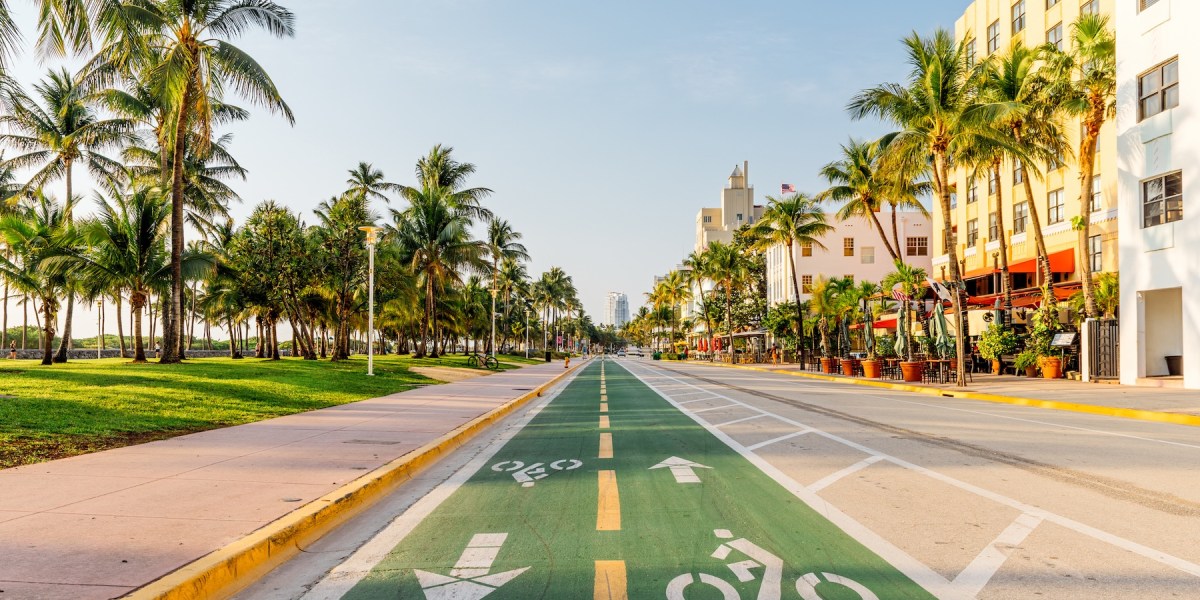
There is a distinct, almost nostalgic joy in using an e-bike to run errands. Riding to a local farmers market, filling a basket with produce, and taking in the scenery at a human pace provides a level of engagement with one’s environment that a car simply cannot replicate. As more citizens reclaim the streets, cities are being pressured to expand bike lanes and improve infrastructure to accommodate this influx of two-wheeled traffic.
The Security Mandate
As e-bikes become more valuable, the culture of ownership is also evolving. Khakshouri is adamant that users must treat their bikes as the significant investments they are. "If you’re going to make this work, treat the bike like what it is," he advises. This includes the use of heavy-duty U-locks or chain locks and a mindful approach to where and how the bike is parked. The shift in mindset—viewing the bike as a primary vehicle—is the final hurdle in making e-bikes a permanent fixture of the urban landscape.
Conclusion: The Road Ahead
We are witnessing a transformative moment in transportation history. The e-bike has successfully transitioned from a niche gadget to a mainstream, practical, and stylish vehicle. By drastically reducing the financial burden of transit, improving the quality of life for the rider, and offering a sustainable alternative to the combustion engine, the e-bike has earned its place as the true status symbol of our time.
Whether it is for the daily commute, a trip to the beach, or simply the joy of a weekend ride, the future of the American street is quiet, electric, and on two wheels. The car may have defined the 20th century, but the e-bike is defining how we live, work, and move in the 21st. As prices continue to stabilize and technology becomes even more integrated, the question will soon be not why you bought an e-bike, but how you ever managed without one.
