

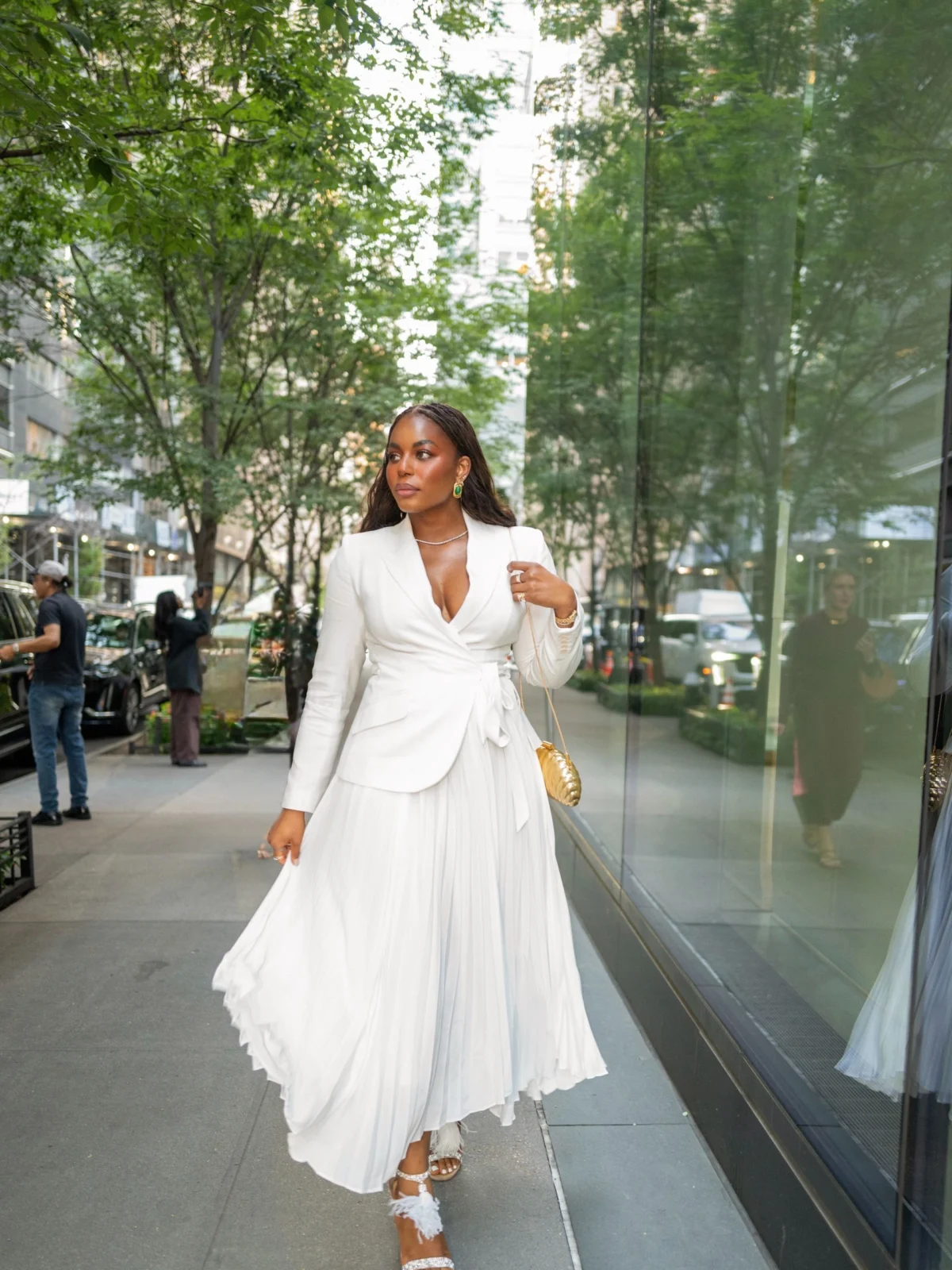
By Kaye Bassey, Fashion Editor in Residence
New York City has long served as the world’s most dynamic, unfiltered runway. As the seasons shift and the crisp air of autumn settles over the concrete canyons of Manhattan, the city’s inhabitants—a collective of fashion editors, creative directors, and street-style enthusiasts—begin to experiment with their silhouettes. For those who view the sidewalk as a stage, fall is not merely a change in temperature; it is an invitation to redefine personal style.
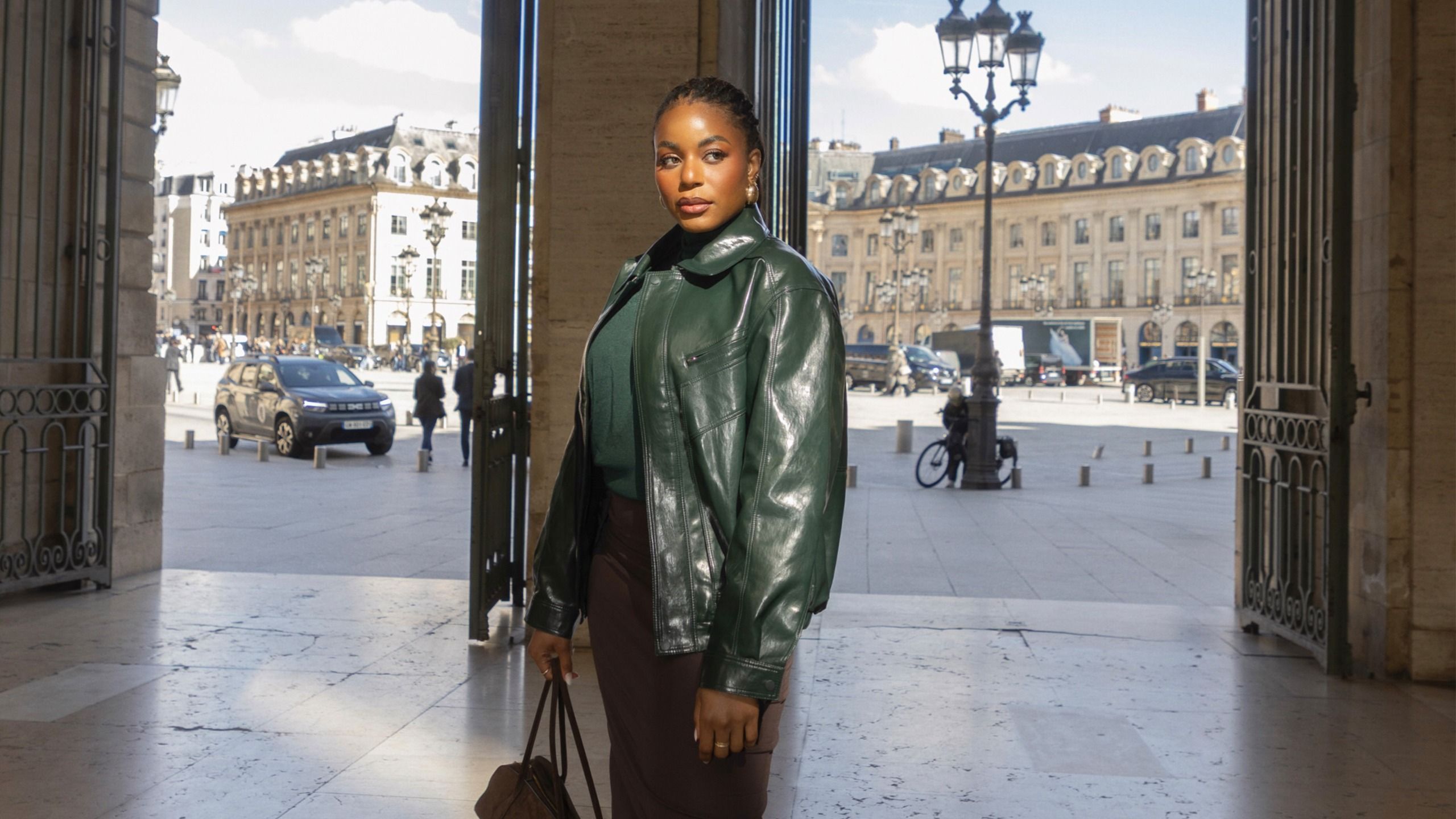
Having spent nearly a decade navigating the intersection of fashion and digital media as a content creator and writer, I have developed a keen eye for the shifts that transform a passing trend into a defining moment. This season, New York’s fashion set has turned the city into an immersive, living exhibition. The current aesthetic landscape is one characterized by a return to structure, a bold embrace of tactile complexity, and a deliberate subversion of wardrobe staples.
The Evolution of Street Style: A Chronological Overview
To understand the current fashion climate, one must look at the recent trajectory of trends. Over the past several months, we have observed a pivot away from the hyper-minimalism that dominated the early 2020s. Following the post-pandemic "comfort-first" era, there was a brief flirtation with dopamine dressing and loud, logocentric maximalism. However, as we moved into the late summer and early autumn of 2026, a more sophisticated, nuanced approach began to take hold.
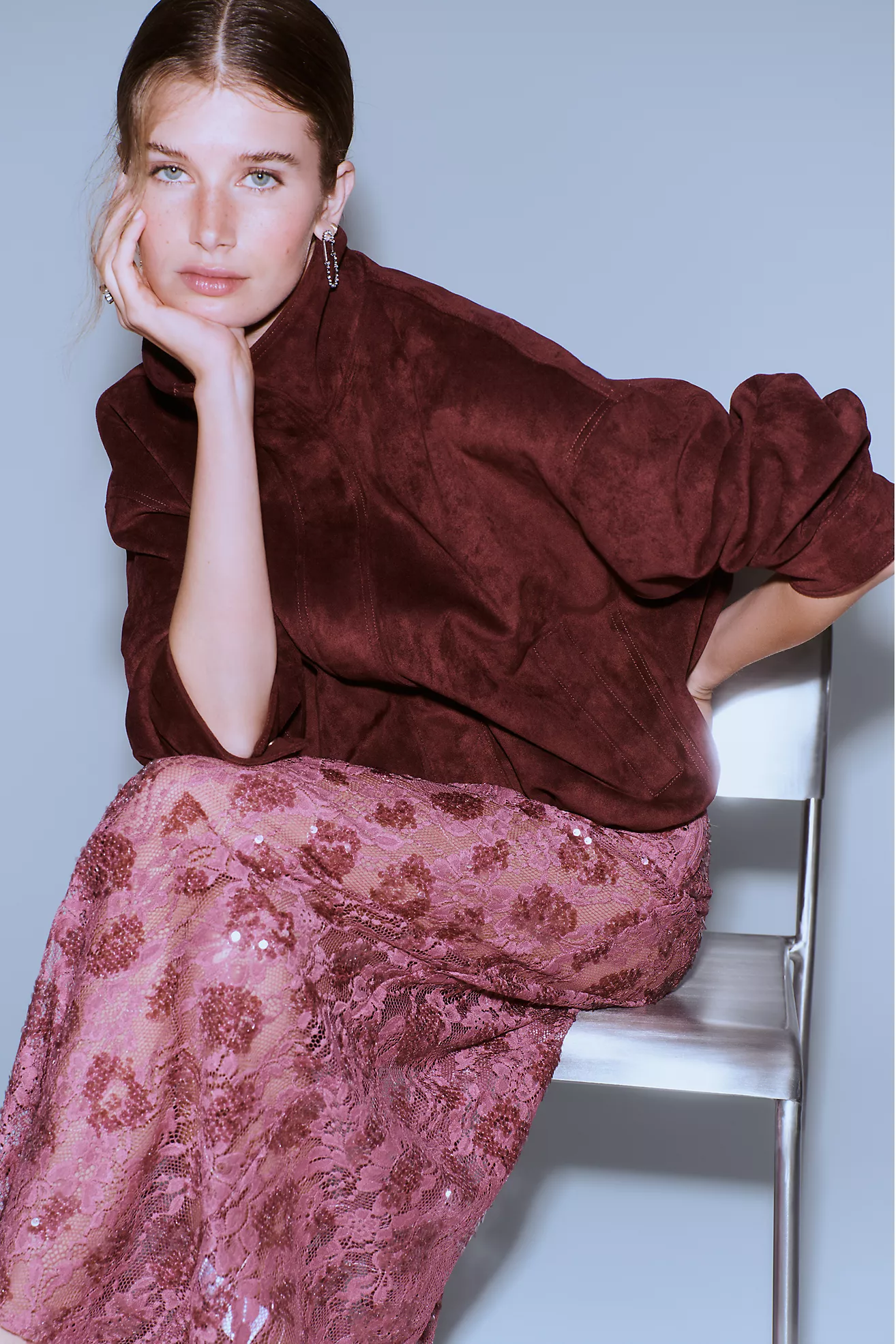
The early weeks of the season saw a shift toward monochromatic palettes, with a focus on textures rather than patterns. By mid-season, the influence of high-fashion runways began to trickle down into the street-style vernacular, manifesting in the "embellished sheer" phenomenon that is currently dominating the scene. As we enter the current peak of the season, the focus has shifted toward the juxtaposition of hyper-structured pieces, such as the pencil skirt, paired with fluid, high-low layers. This progression highlights a growing desire for fashion that is both practical for the urban environment and visually compelling.
The Four Pillars of the Season: Trend Analysis
Through careful observation of the sartorial landscape across New York and Paris, I have identified four central pillars that define the current look. These trends represent a departure from fast-fashion cycles, favoring pieces that possess "personality"—an unexpected detail, a superior fit, or a unique textile composition.
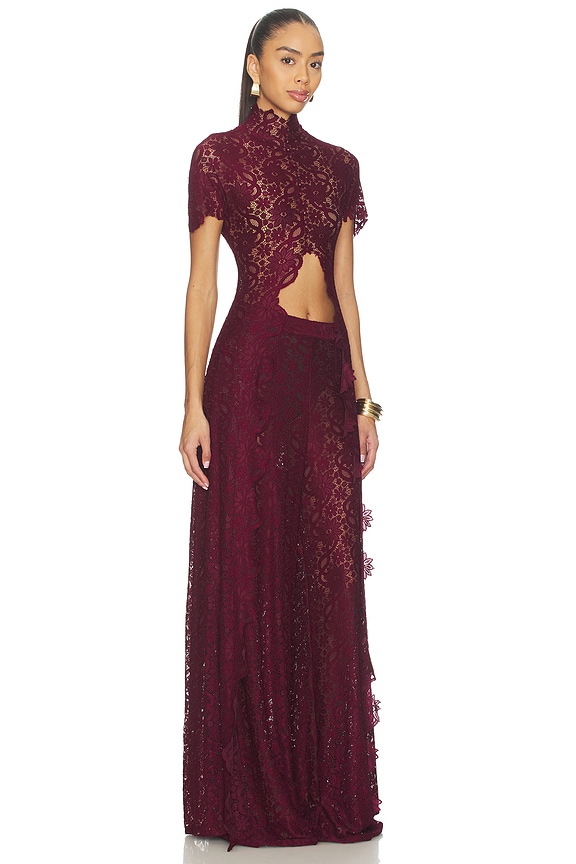
1. The Elevation of Embellished Sheer
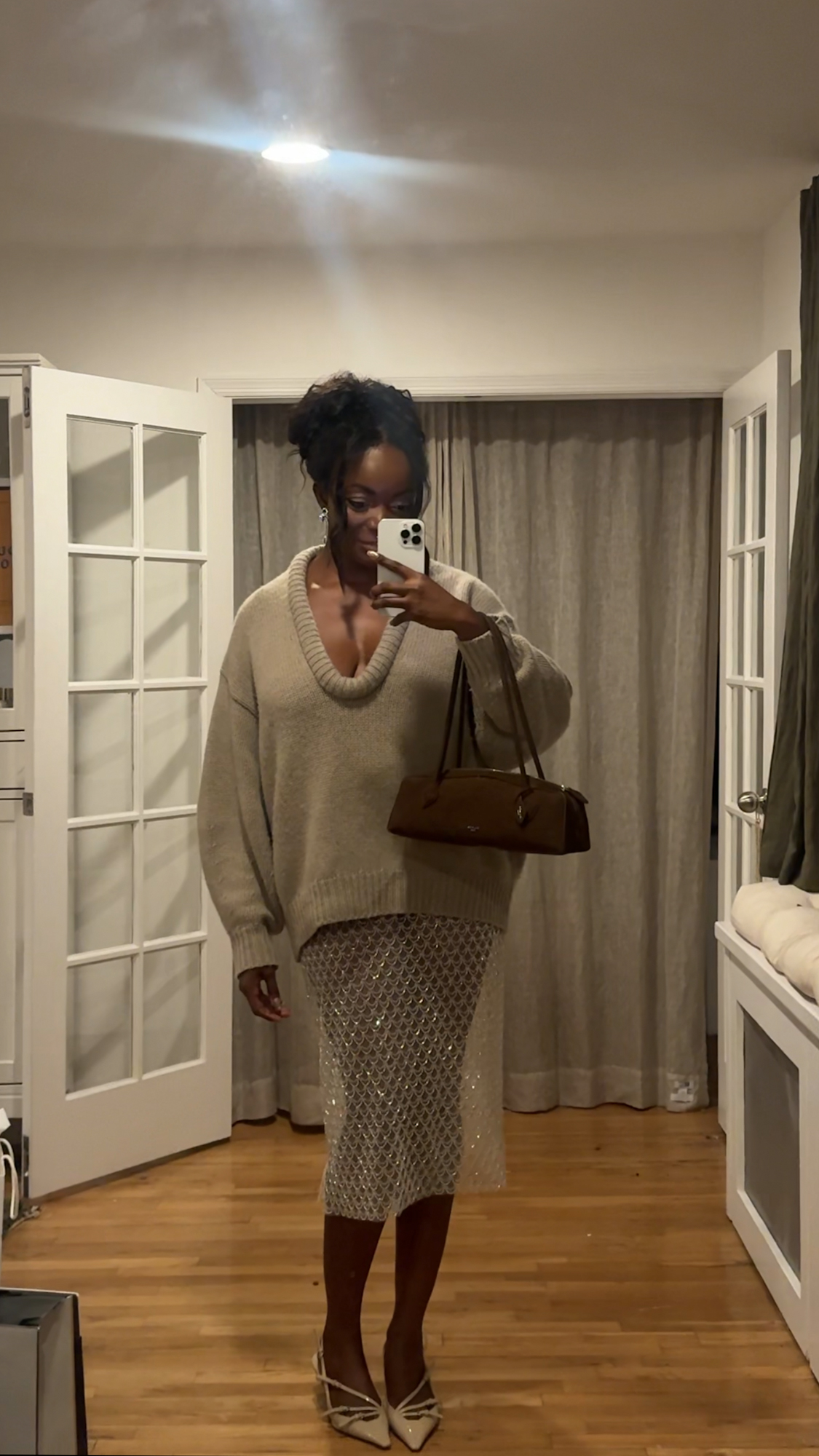
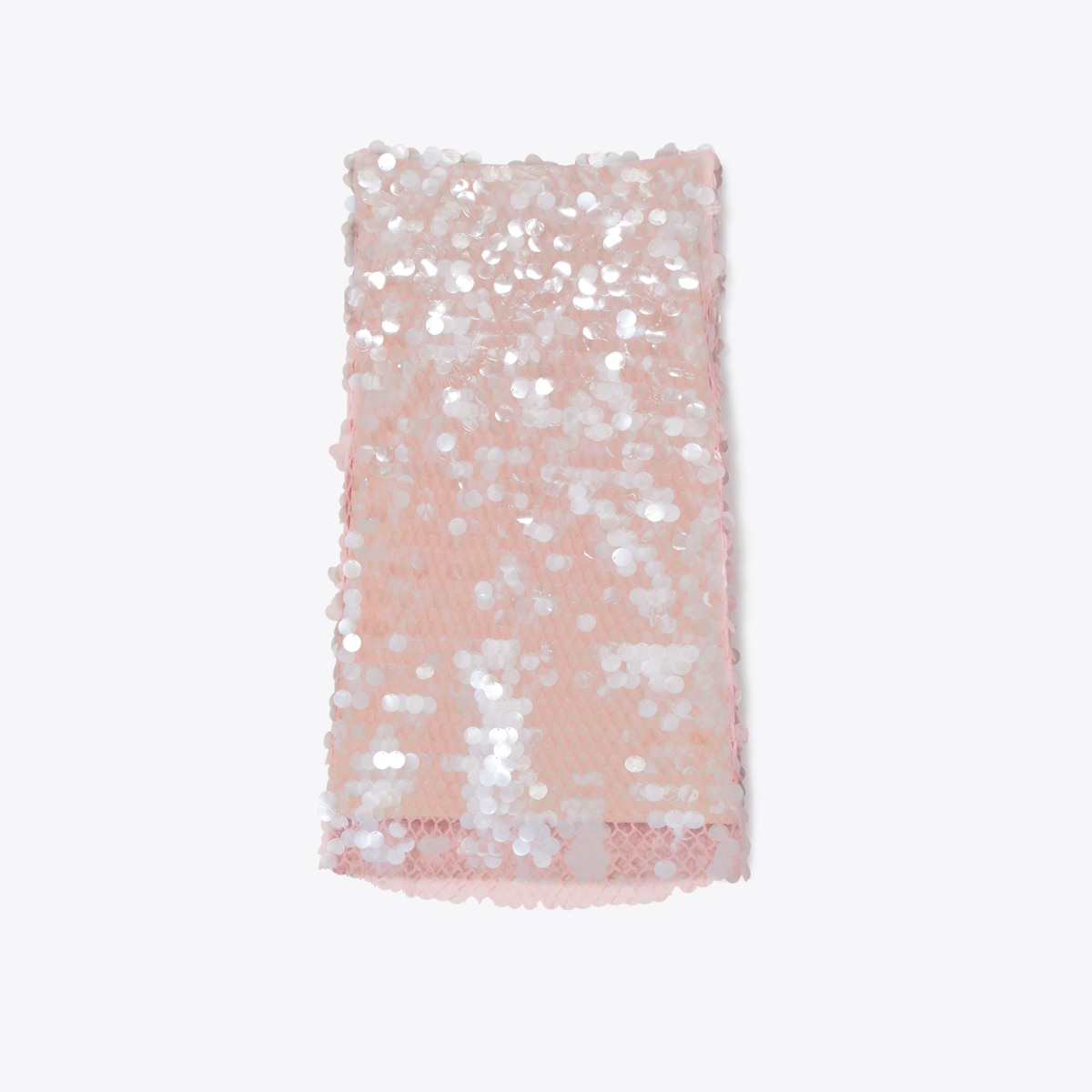
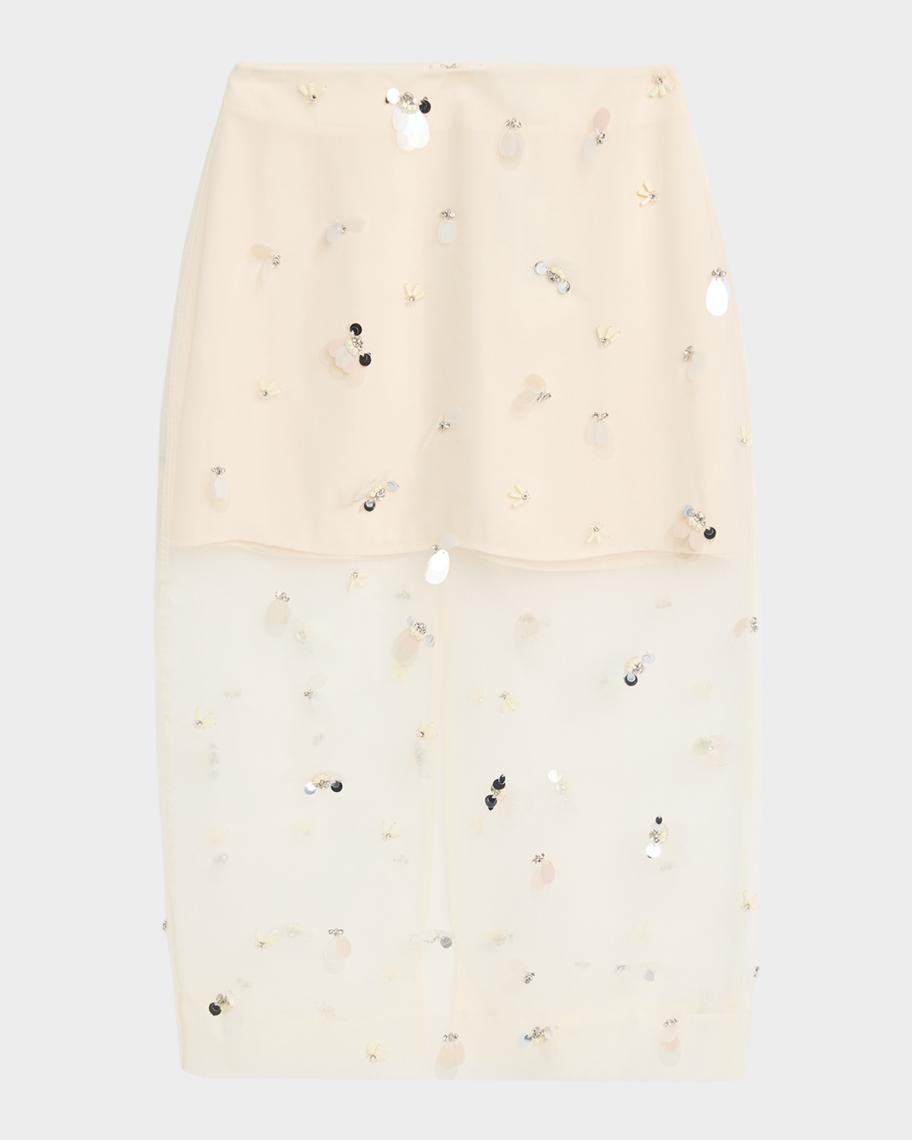
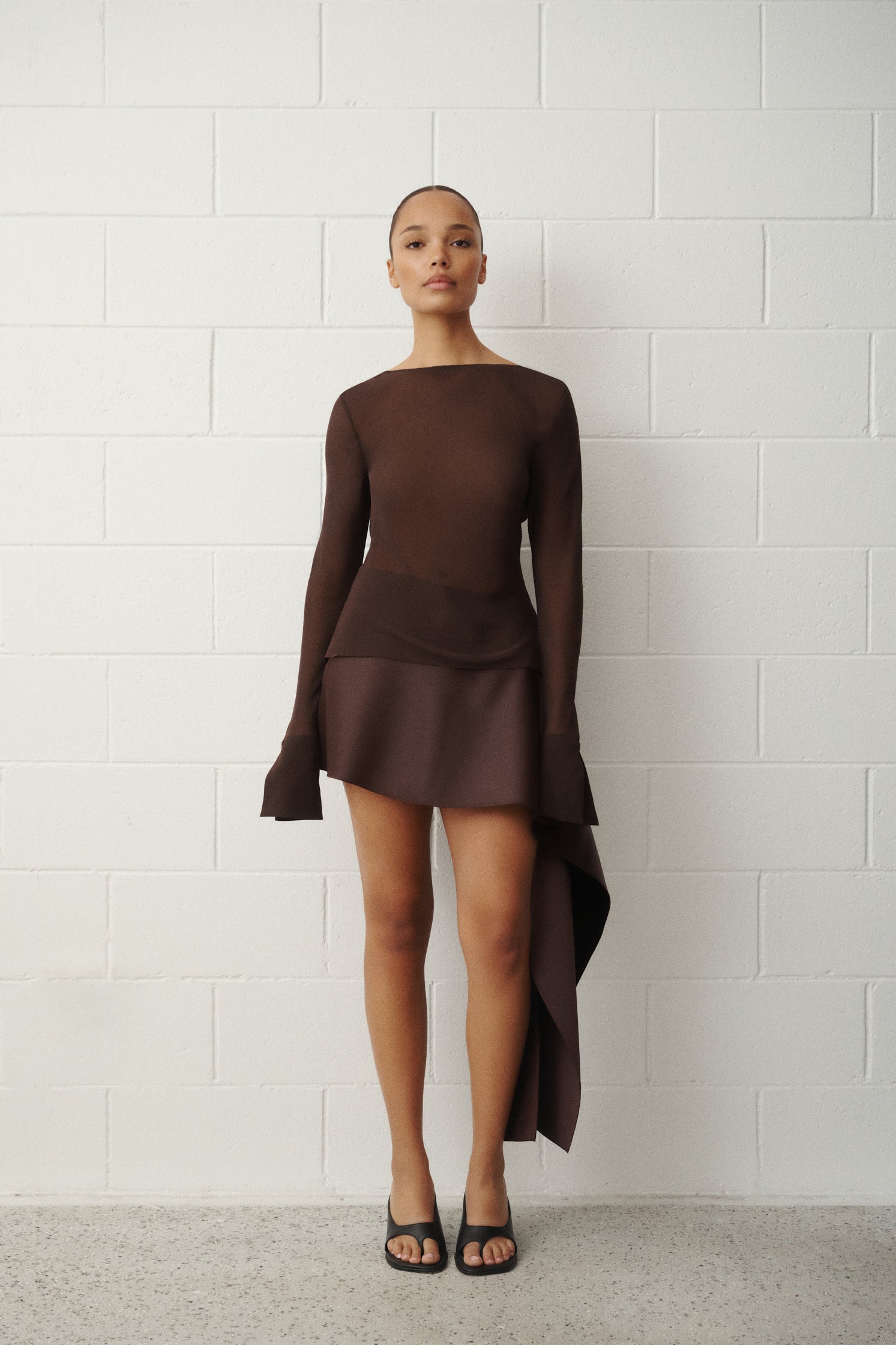
Sheer fabrics are no longer reserved for the occasional evening gown. This season, they have become an integral part of daytime wardrobes, albeit with a dramatic, intentional twist. The trend is defined by intricate beading, sequins, and embroidery layered over sheer tulle or mesh.
The shift here is one of purpose. Previously, sheer layers acted as subtle accents; today, they are the focal point. We are seeing beaded skirts and sequined dresses that transition seamlessly from a midday coffee meeting to an evening gallery opening. The emphasis is on craftsmanship, turning delicate fabrics into substantial, high-impact statements.
2. The Architecture of High-Low Layers
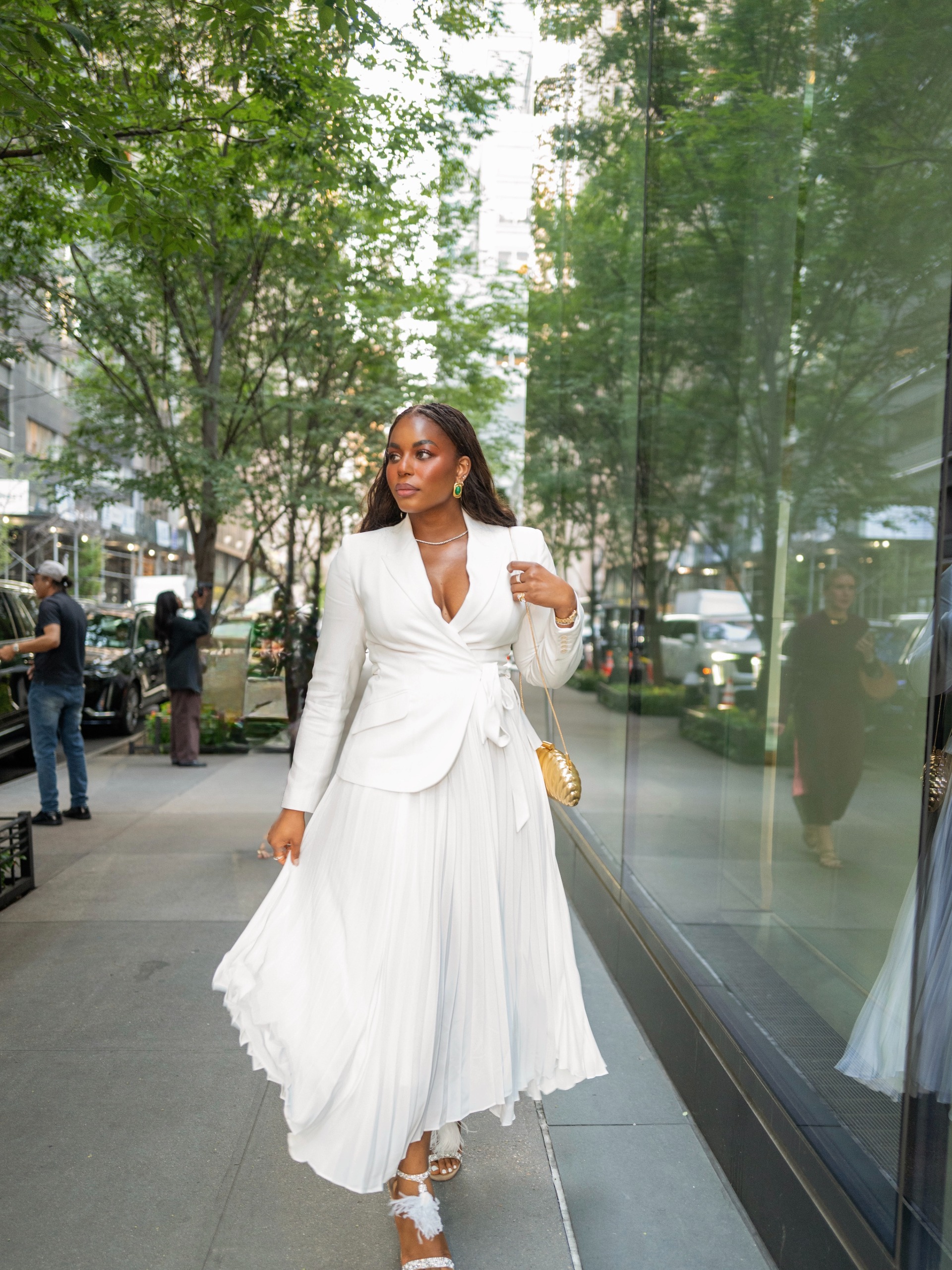
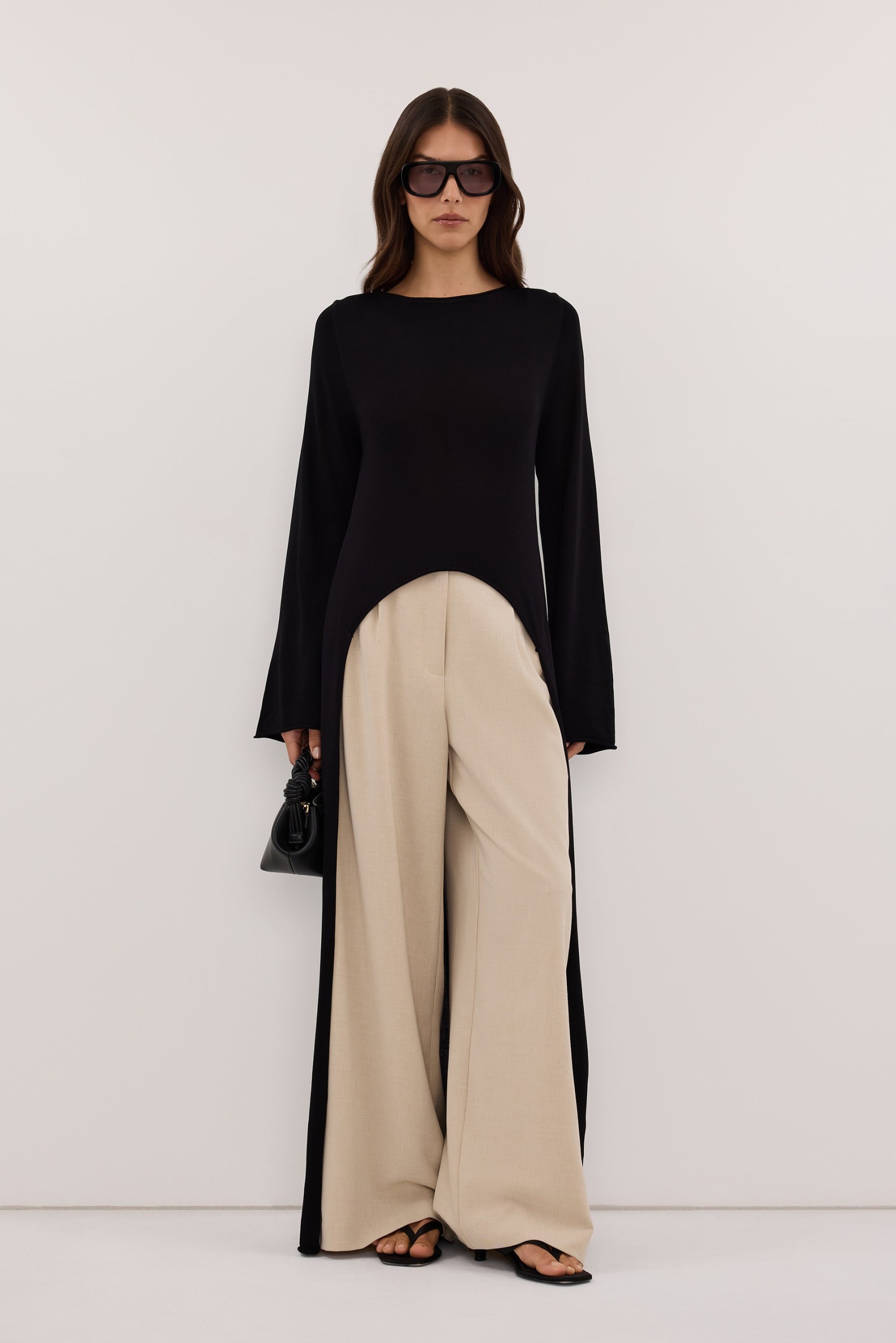
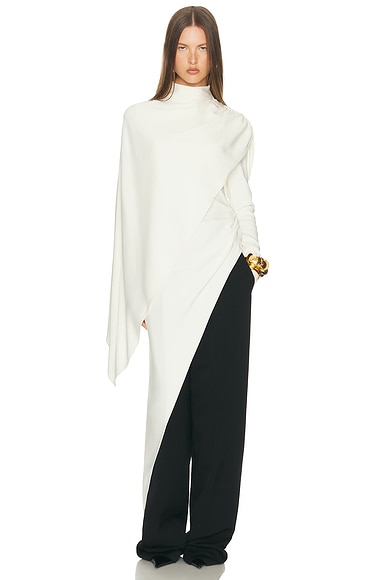
Minimalism often gets a bad reputation for being "boring," but the current iteration of the trend proves otherwise. The "high-low" layering trend—characterized by tops that feature shorter front panels and elongated, dramatic drapes in the back—is a masterclass in architectural dressing.
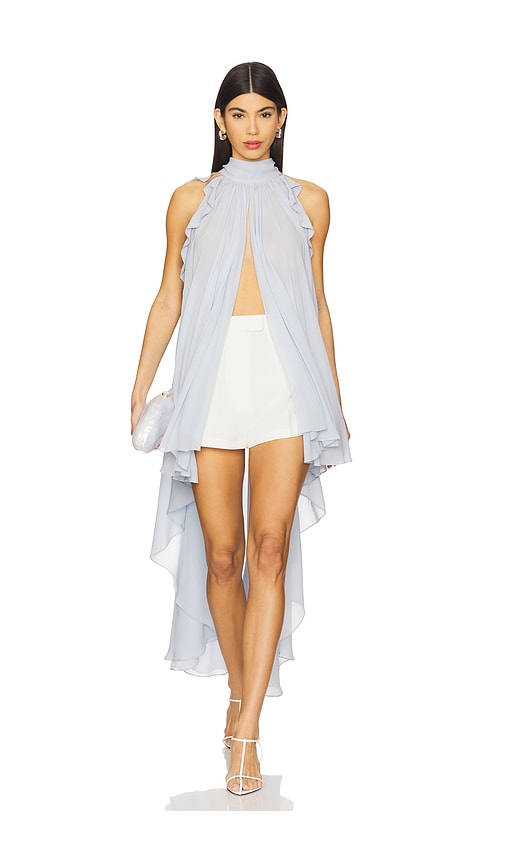
This trend appeals to those who value clean lines but crave visual intrigue. It is, at its heart, a remix of classic silhouettes. By altering the geometry of a standard tank or blouse, designers have created pieces that transform the wearer’s silhouette, adding movement and drama without the need for excessive embellishment. It serves as a reminder that the most interesting outfits are often those that rely on silhouette rather than print.
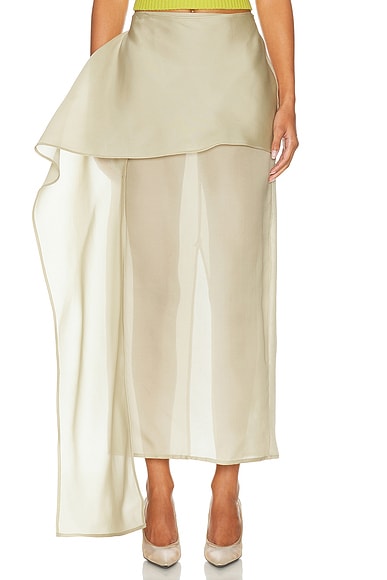
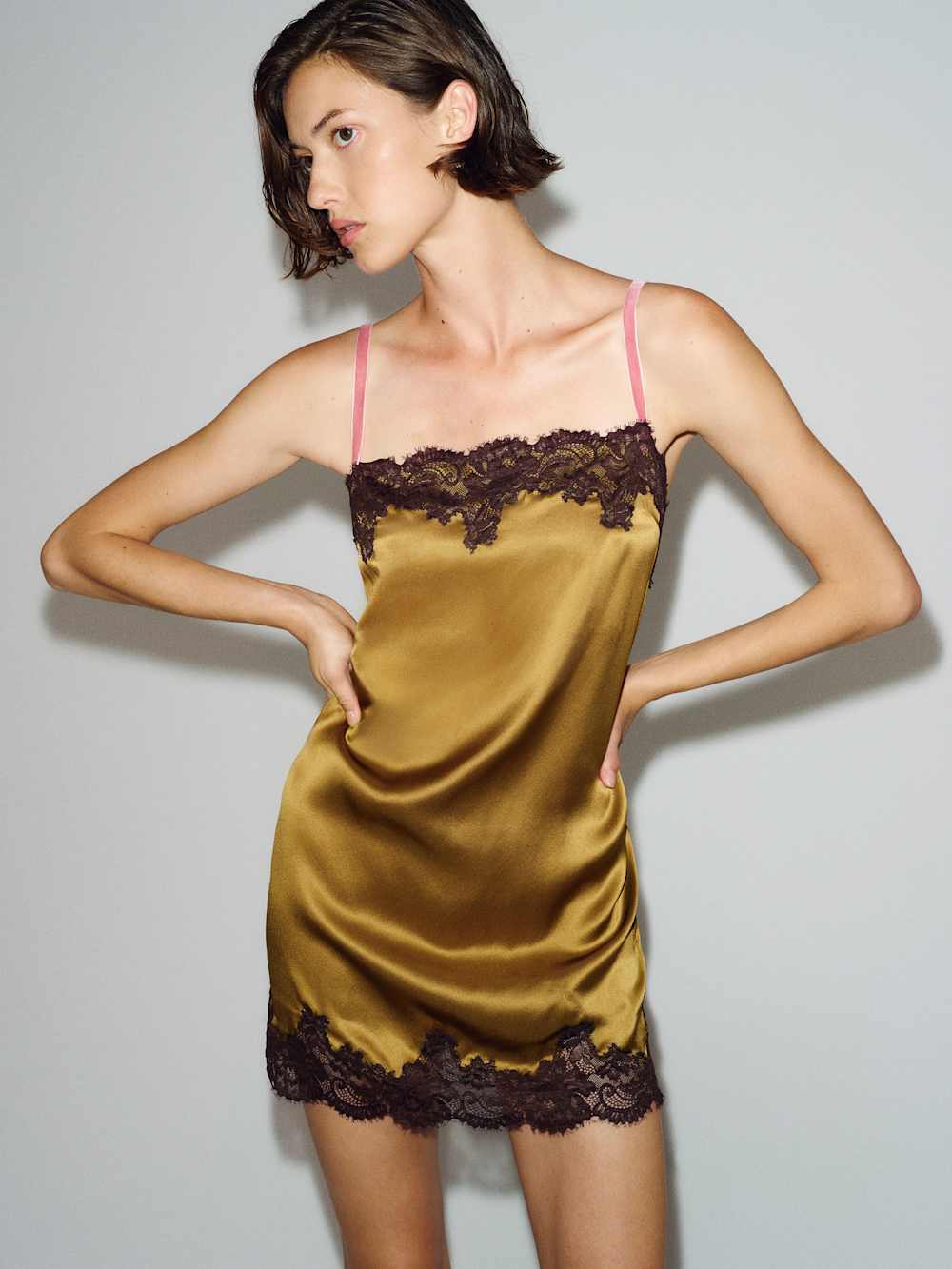
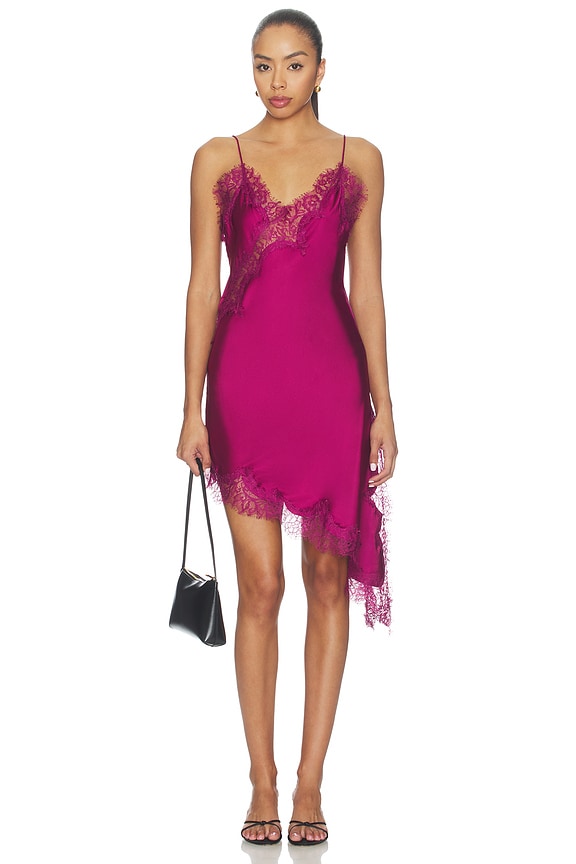
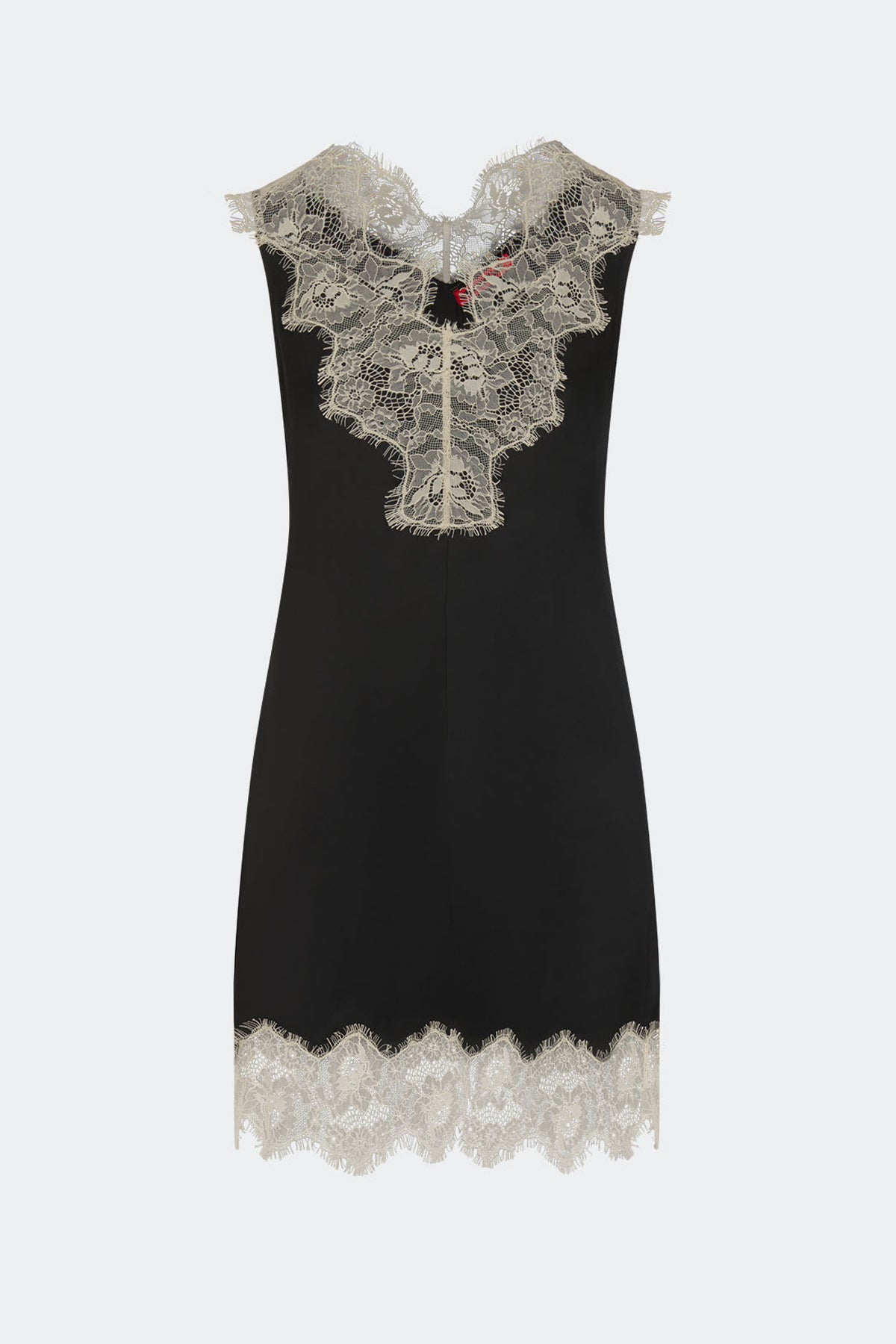
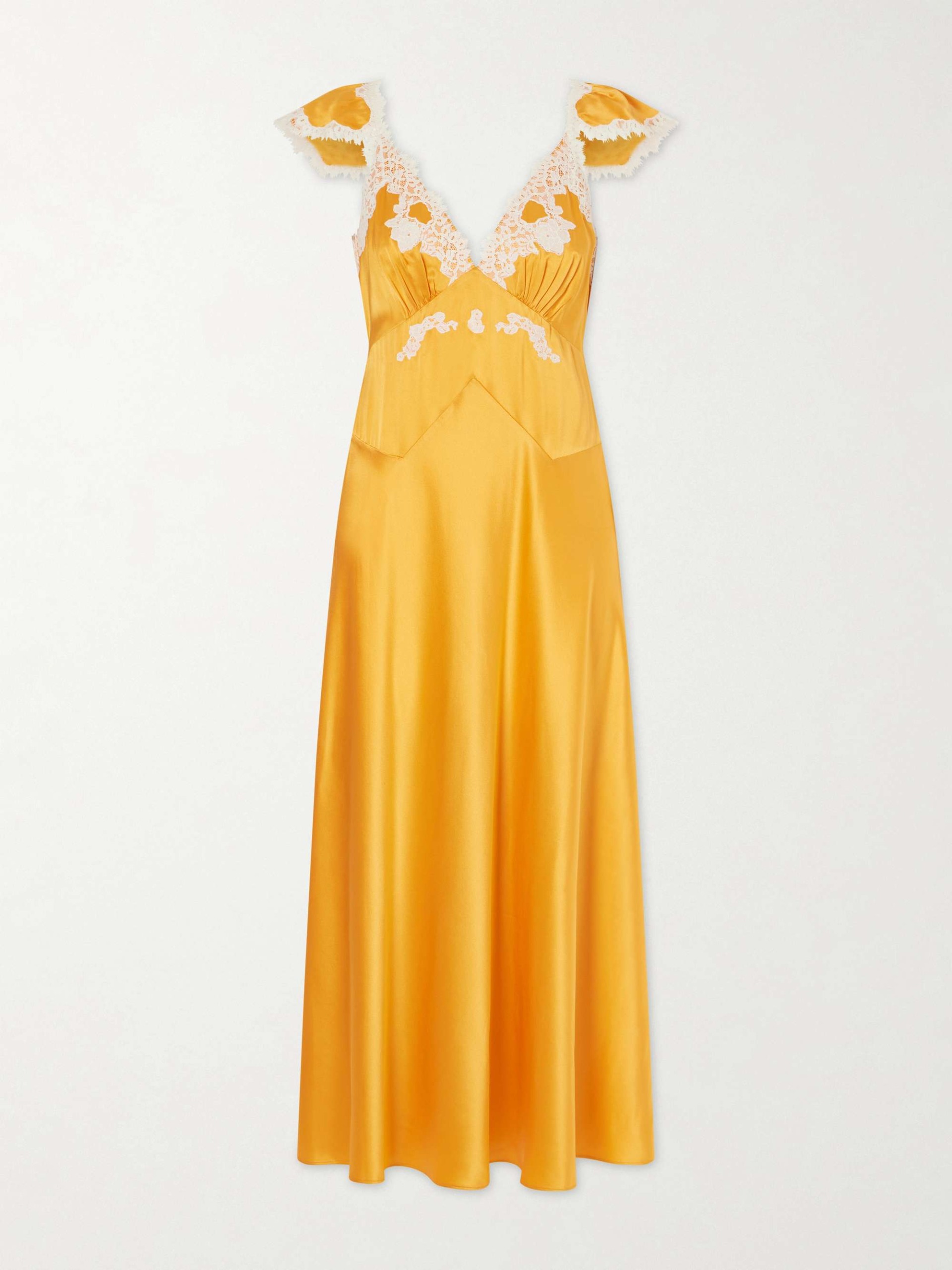
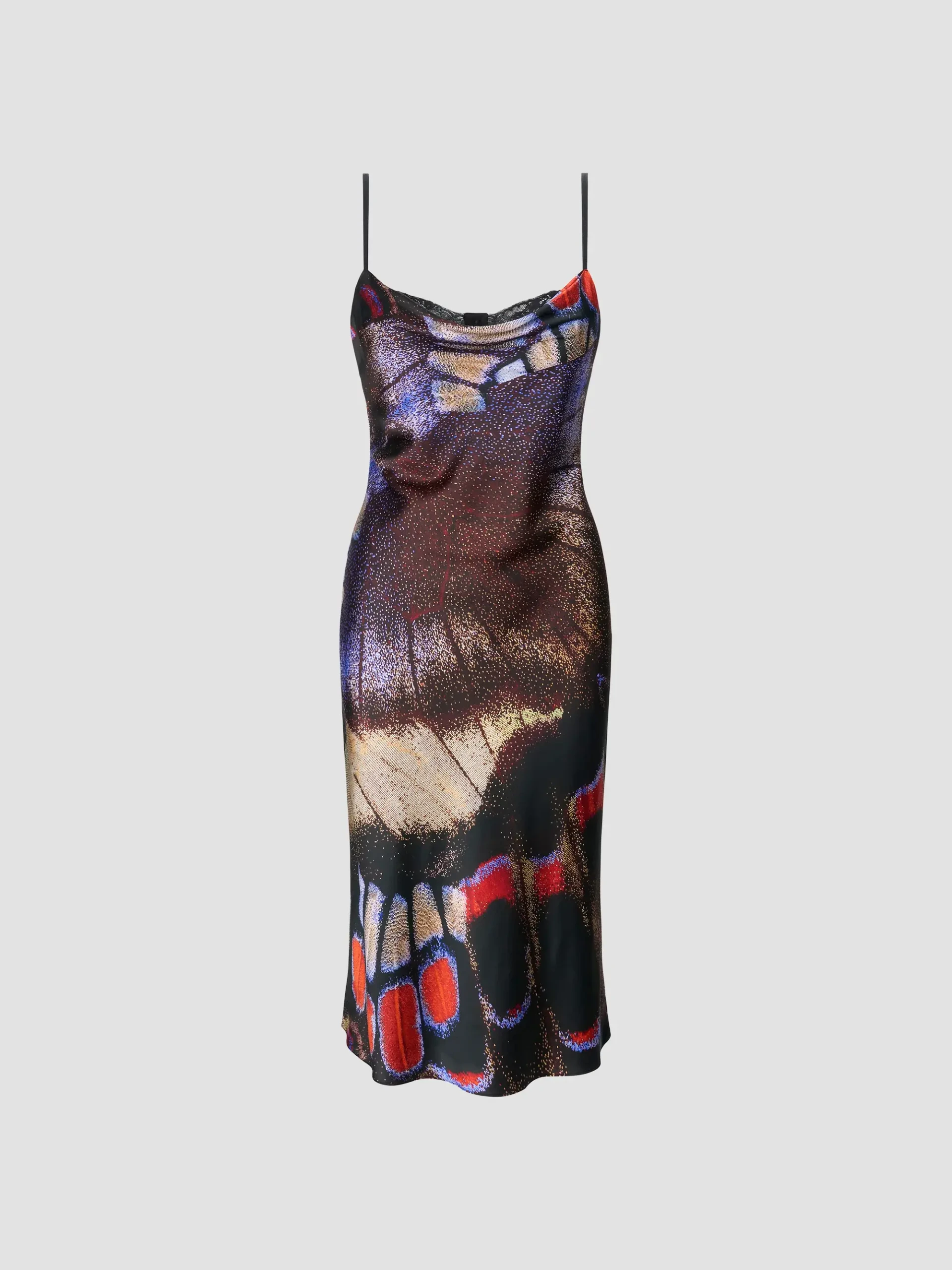
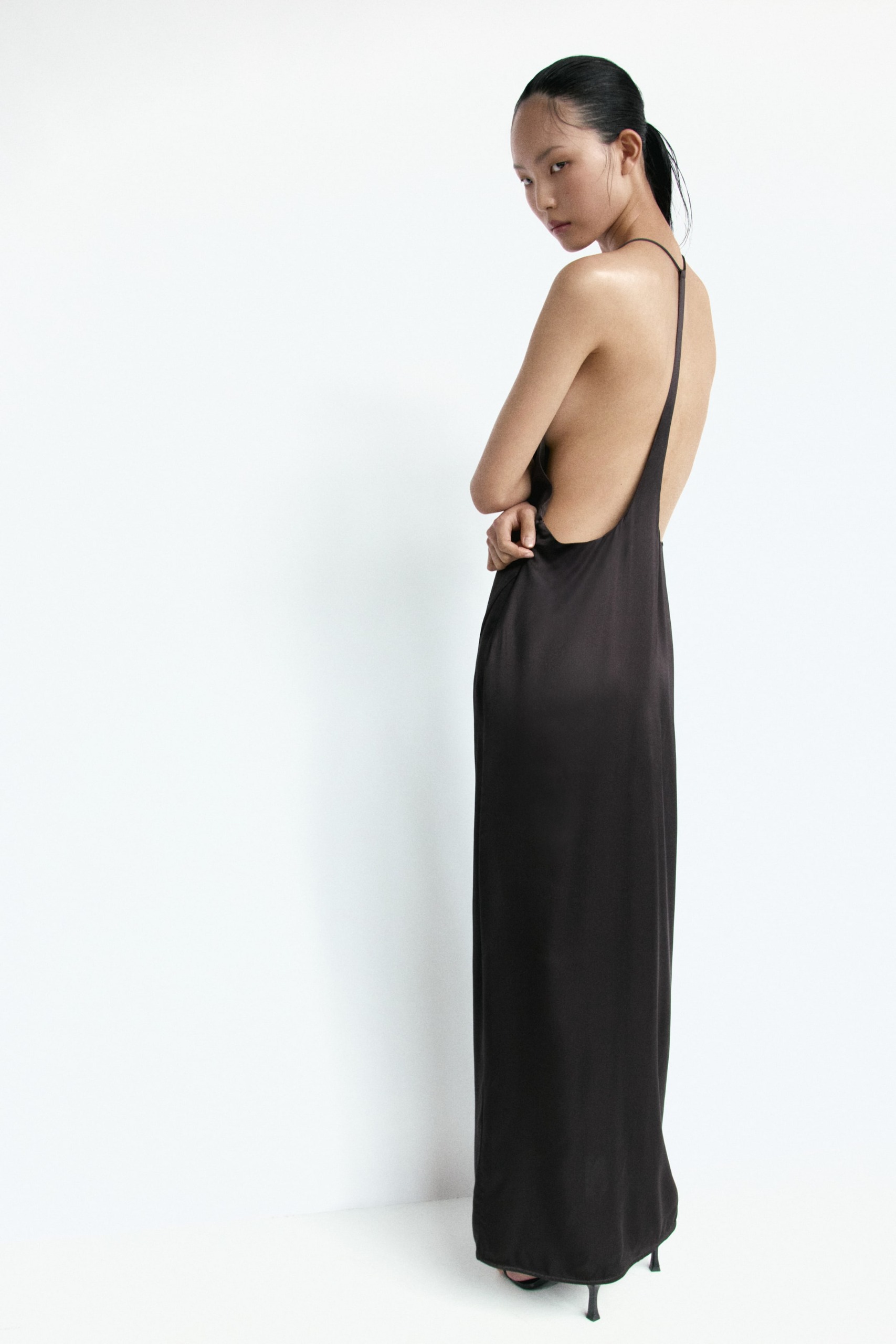
3. The Slip Dress: Reimagined
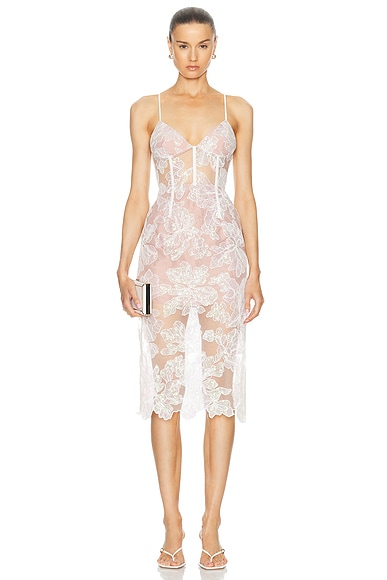
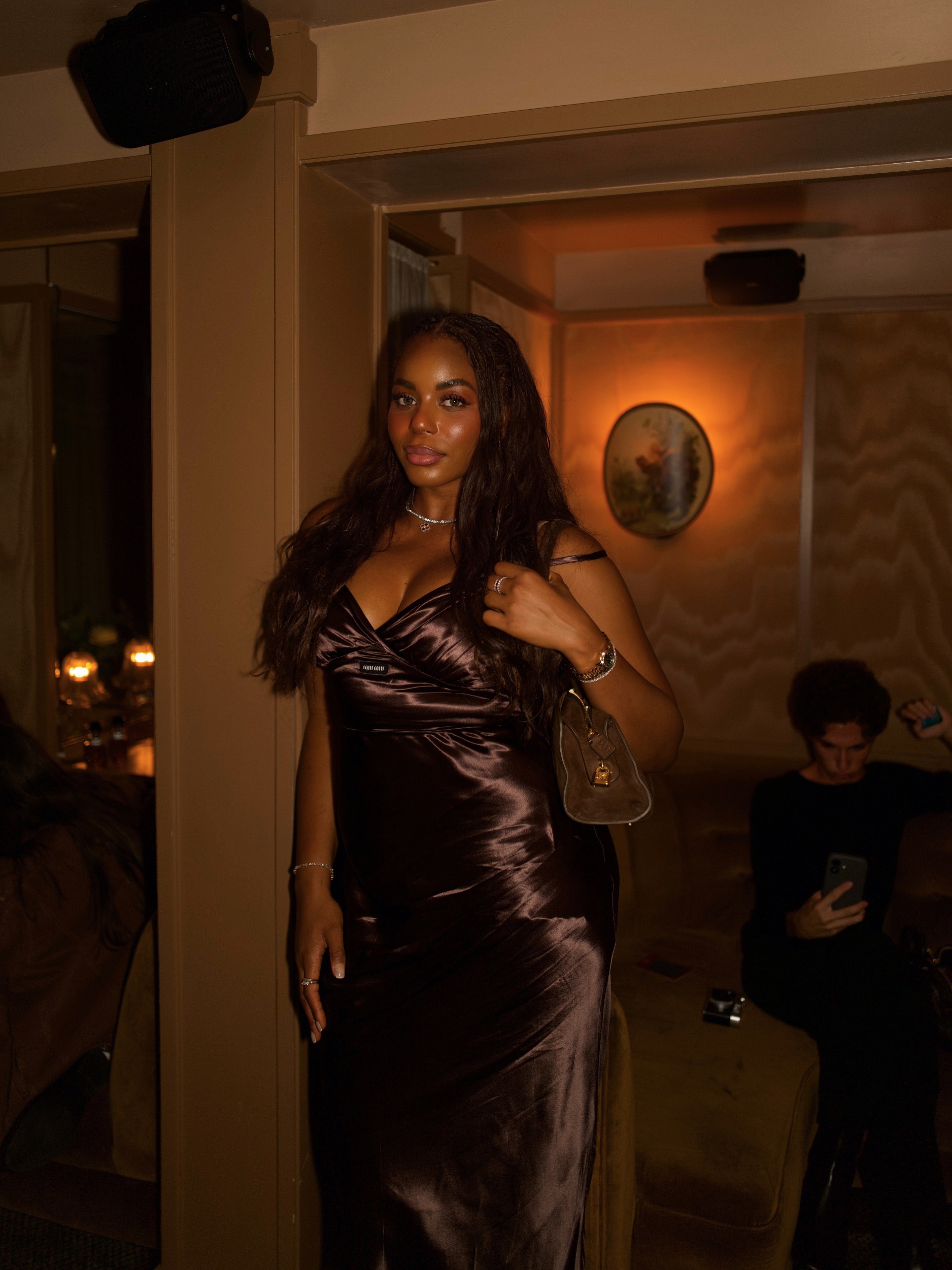
The slip dress has been a cornerstone of the modern capsule wardrobe for years, lauded for its versatility and effortless elegance. However, the current season has seen a radical departure from the "basic" slip.
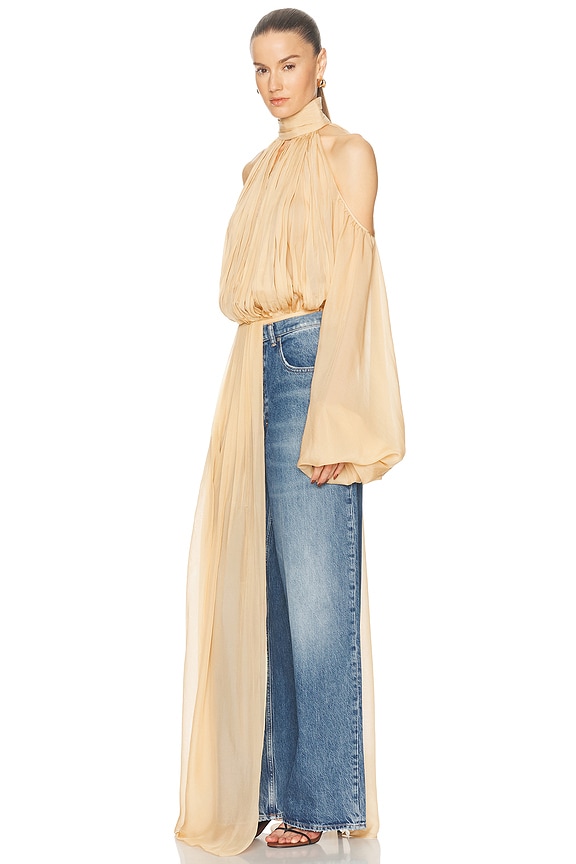
The pieces seen on the streets today are defined by "the twist." Whether it is an unexpected high-leg slit, intricate lace trim, or complex cutout patterns at the bodice, these dresses are no longer just layering pieces—they are standalone statements. These structural modifications give the classic silhouette a much-needed injection of personality, elevating it from a closet staple to a seasonal highlight.
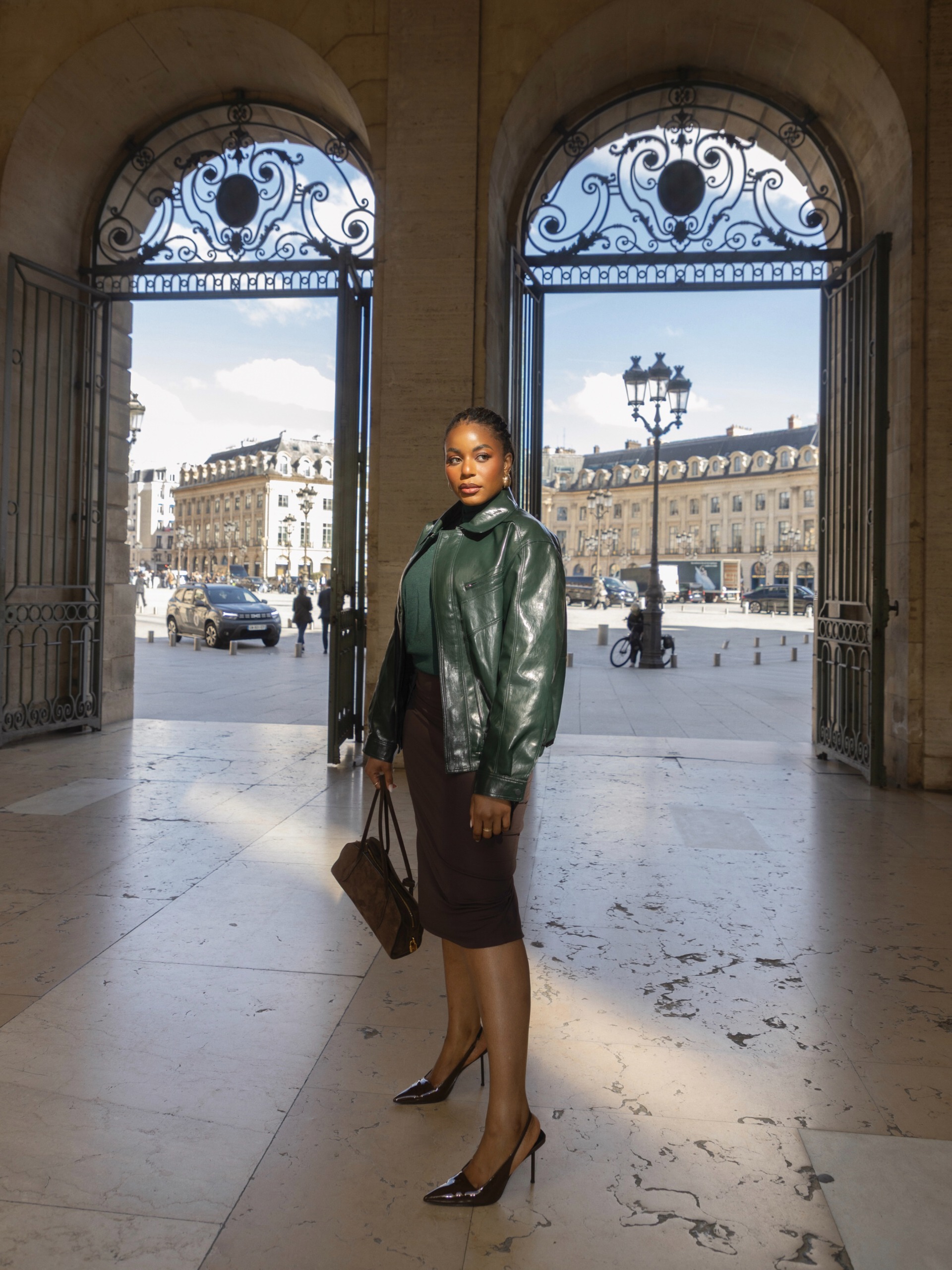
4. The Return of the Pencil Skirt
Perhaps the most significant development of the season is the triumphant return of the pencil skirt. For years, the skirt category was dominated by breezy midis and voluminous A-line silhouettes. The return of the pencil skirt marks a shift back to a more polished, considered aesthetic.
The pencil skirt’s resurgence is rooted in its inherent structure. It offers a clean, linear fit that acts as the perfect anchor for diverse styling. We have observed them styled with everything from oversized chunky knits—creating a satisfying balance of proportions—to silk tops and tailored blazers. The versatility of the pencil skirt is its greatest strength; it functions with the same ease when paired with a sharp stiletto as it does with a minimalist ballet flat or a sturdy boot.
Supporting Data: The Shift in Consumer Behavior
The trends observed on the street are echoed in the retail sector. Data from the current season suggests a significant pivot in consumer spending toward "investment staples." Retailers are reporting an increase in demand for high-quality fabrics—specifically silk, wool, and heavy cotton—that support the structured silhouettes mentioned above.
Furthermore, the rise of "insider-style" content, such as that featured on my own Substack newsletter, indicates that consumers are increasingly looking for advice on how to integrate these trends into existing wardrobes rather than purchasing entire new looks. This "mix-and-match" culture supports the longevity of these trends, suggesting that the "high-low" layering and the "elevated slip dress" are not merely passing fads, but shifts toward a more intentional way of dressing.
Implications for the Future of Fashion
What do these trends imply for the future of style in the urban environment? First, it signals a movement toward "considered dressing." In a world saturated with micro-trends fueled by social media algorithms, the focus on structure, texture, and silhouette suggests a collective fatigue with the ephemeral nature of "viral" fashion.
Second, the current trends highlight the importance of the individual’s role as a stylist. The emphasis on high-low layering and the versatility of the pencil skirt empowers the wearer to curate their own look rather than following a prescribed aesthetic. This is a positive development for personal style, as it encourages experimentation with pieces already in one’s possession.
Finally, there is a clear trend toward the "day-to-night" transition. The embellished sheer pieces and the reinvented slip dress are designed for the modern lifestyle—a life that moves quickly from professional commitments to social engagements. By blurring the lines between "daywear" and "eveningwear," these trends reflect the realities of the contemporary professional’s schedule.
Final Reflections
As I continue to observe the streets of New York, it is clear that we are living in a particularly rich period for fashion. We are moving away from the loud, superficial trends of the recent past and toward a more thoughtful, textured, and structurally sound way of presenting ourselves to the world.
Whether it is the sharp, authoritative line of a well-tailored pencil skirt or the delicate, rhythmic movement of an embellished sheer skirt, the trends of this season offer something for everyone. They challenge us to look at our wardrobes with fresh eyes and to find the "twist" in the classic.
Fashion, at its best, is an ongoing conversation between the individual and the city. It is a reflection of our desires, our lifestyle, and our changing priorities. This season, that conversation is louder, more intricate, and more exciting than it has been in years. As we move forward, I look forward to seeing how these trends continue to evolve, how they are interpreted by the diverse population of this city, and, most importantly, how they continue to inspire us to dress with intention, creativity, and a touch of daring.
Kaye Bassey is a Who What Wear editor in residence and a seasoned fashion content creator. For more in-depth analyses, shopping guides, and style tips, subscribe to her weekly newsletter.
