

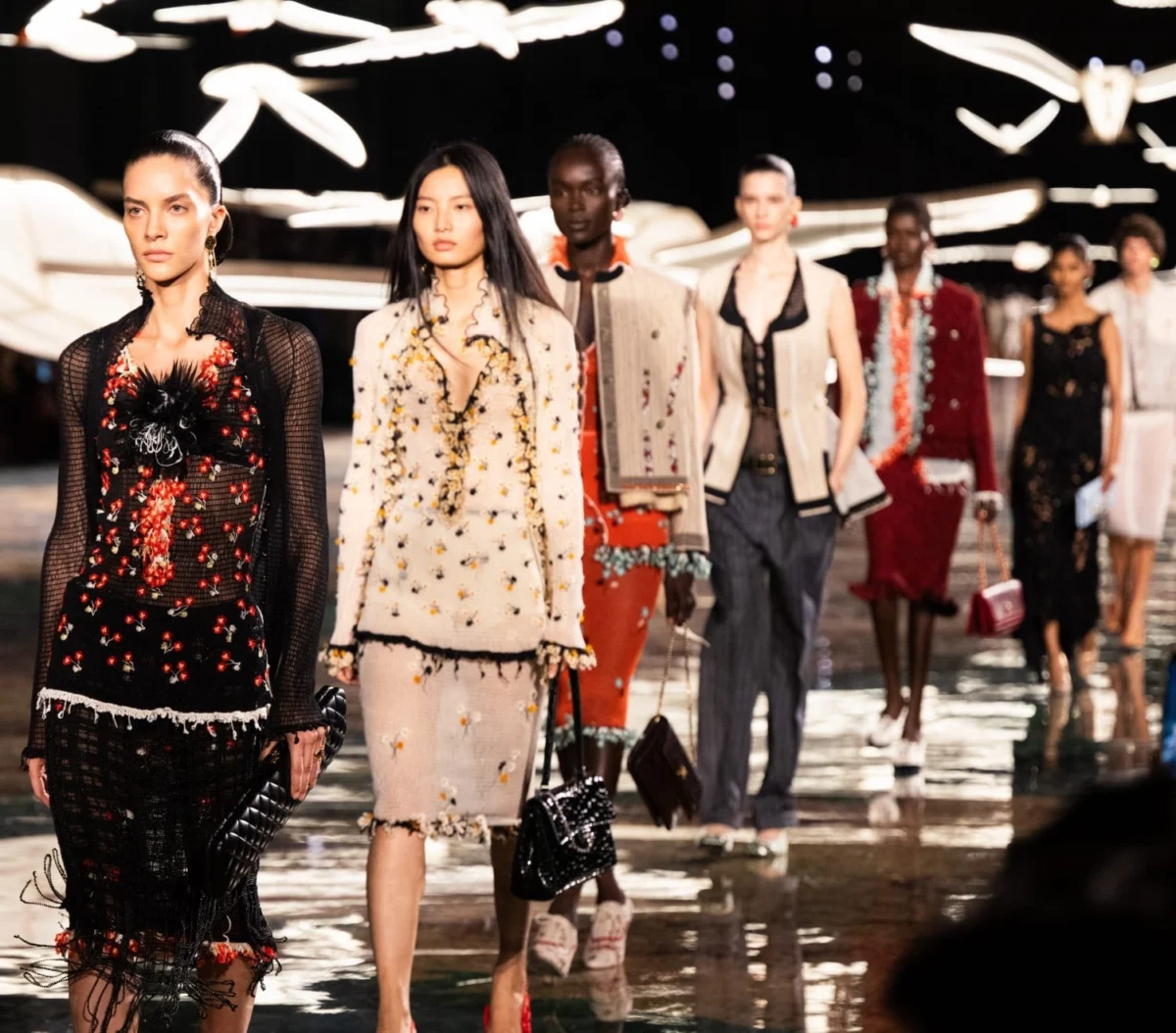
In the high-stakes world of luxury fashion, few mandates are as daunting as the stewardship of Chanel. Over the past year, creative director Matthieu Blazy has embarked on a radical, transparent recalibration of the maison Gabrielle Chanel founded. Having already navigated three ready-to-wear collections, two haute couture presentations, and the whirlwind of seasonal "in-between" shows—not to mention the commercial juggernauts of Coco Beach and Coco Neige—Blazy has operated at a velocity that defies traditional industry pacing. His latest offering, the Spring/Summer 2027 collection, serves as a pivotal moment in this tenure: a return to the foundational origins of the house, stripped of the layers of mythology that often obscure its true history.
The Chronology of a Creative Metamorphosis
The pace of Blazy’s tenure at Chanel has been nothing short of relentless. In a span of just over twelve months, he has essentially debuted a new collection every eight weeks. This rapid-fire creative cycle has coincided with a period of intense retail fervor, as Chanel boutiques worldwide report that inventory is being scavenged almost as quickly as it hits the shelves. The appetite for Blazy’s vision is voracious, with many pieces already being earmarked by collectors as future vintage treasures.
Strategically, the company has also been expanding its influence. The recent acquisition of Charvet, the storied, ultra-exclusive Place Vendôme shirtmaker—a brand famously favored by Gabrielle Chanel and her paramours—signals a commitment to absolute craftsmanship. This follows the highly successful co-branded collaboration between the two houses last year, marking the first time in history Chanel had entered into such an arrangement. If the past year was about establishing his presence, the Spring/Summer 2027 show was about establishing his authority.
Origins and Origins-Adjacent: The 2027 Narrative
For the Spring/Summer 2027 collection, Blazy shifted his focus from the established iconography of the Chanel brand to the woman who birthed it. Blazy’s process is deeply intellectual; he does not merely look at garments—he reads. This season, his primary source material was the posthumous Mémoires de Coco, a series of conversations recorded by French author Louise de Vilmorin in 1947.
"I found this incredible line by Gabrielle—she explains that she is still friends with all her ‘selves,’" Blazy remarked backstage following the show. This sentiment became the collection’s emotional anchor. Blazy began to explore the "pre-Chanel" Chanel: the young Gabrielle before she became the architect of the modern wardrobe. He poured over images of a young Chanel at fancy-dress balls in the 1910s, draped in mannish attire, and later, the 1930s Chanel, swathed in the very frou-frou ruffles and satins she would later publicly reject.
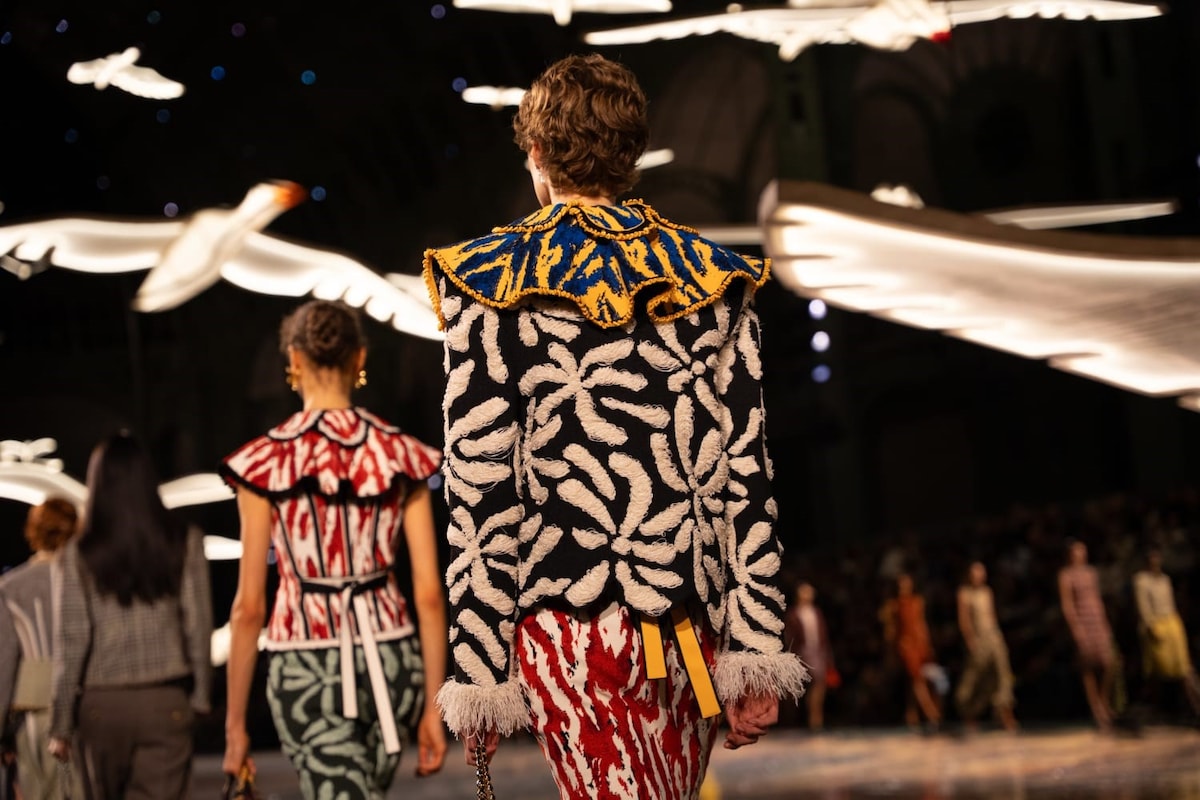
The collection was a study in historical irony. Blazy reconstructed high-rise collars and elaborate Louis Quinze heels—elements that the mature Coco Chanel famously eschewed—only to render them with a contemporary, light-handed ease. Jackets appeared turned inside-out, flaunting thick seams that mimicked the corset boning Chanel spent her career eliminating. Even the hidden details, such as the archival Chanel cursive label, were brought to the exterior, stitched onto grosgrain waistbands to challenge the wearer’s perception of what is "finished."
Supporting Data: Craftsmanship and Material Innovation
The technical mastery on display was, as expected, of the highest order. Blazy has effectively challenged the established ateliers of Lesage and Montex to push their limits. Among the standout features were tweeds composed of intricate grid-works of seed pearls. These garments appeared to be woven without a base, allowing them to stretch and mold over the skin like a second layer.
The knitwear was similarly revolutionary. Tiny glass beads were threaded directly into the yarns, creating a surface texture reminiscent of fine caviar. These garments, engineered to be as light as air, were designed with a radical philosophy: "I like the idea that you wear your Chanel suit like a T-shirt," Blazy explained. The final looks, featuring lightly smocked organza, were the result of over 12 months of development, a testament to the house’s commitment to "slow fashion" within a fast-paced retail environment.
Official Responses and Industry Implications
The industry reaction to the show has been one of collective exhale. By successfully blending the house’s heritage with a modern, fluid aesthetic, Blazy has quieted critics who wondered if the "Chanel-isation" of his own design impulses would result in a loss of identity.
The inclusion of looks inspired by the painter Édouard Vuillard—a contemporary and friend of Gabrielle Chanel—provided a rare splash of riotous color and floral excess. These pieces, which Blazy described as an "exuberant indulgence," suggest that he is no longer solely focused on the strict constraints of the Chanel uniform. He is beginning to experiment with the house’s capacity for joy and decoration.
The Implications of a "New" Chanel
The broader implications of this collection are significant. Blazy’s Chanel is no longer a static monument to the past; it is a living, breathing laboratory. The move toward "freedom" in design—slashing skirts, opening jackets, and prioritizing the sensation of the fabric against the body—suggests a departure from the rigid structure that has defined Chanel for decades.
This is not to say that the commercial viability of the house is being ignored. On the contrary, by moving toward pieces that feel "magically light" and easy to fold and pack, Blazy is modernizing the Chanel lifestyle for the contemporary traveler.
As the collection begins its migration to Rome for the upcoming Métiers d’Art show, the trajectory is clear. Matthieu Blazy is not just recreating Chanel; he is actively dismantling it to see how it works, and then reassembling it with a lighter, more modern touch. He has moved beyond the "who was she?" phase of his tenure and entered the "what could she be?" era.
The queues outside the boutiques are not just a sign of brand loyalty; they are a sign of anticipation. Blazy has managed to make Chanel feel like a discovery again—not for what it was, but for the boundless potential of what it is becoming. Whether it is the inclusion of the 2.55 bag—a nod to the house’s eternal patrimony—or the daring, smocked organza that closed the show, the message is consistent: Chanel is finally, truly, in motion.
The shift from the heavy, structured past of the Edwardian era to the gossamer-light, deconstructed present is more than a stylistic choice; it is a declaration of intent. For the woman who is "friends with all her selves," the future of Chanel looks remarkably bright, and most importantly, remarkably free.
