

Main Facts: The Shift from Storytelling to "Storydoing"
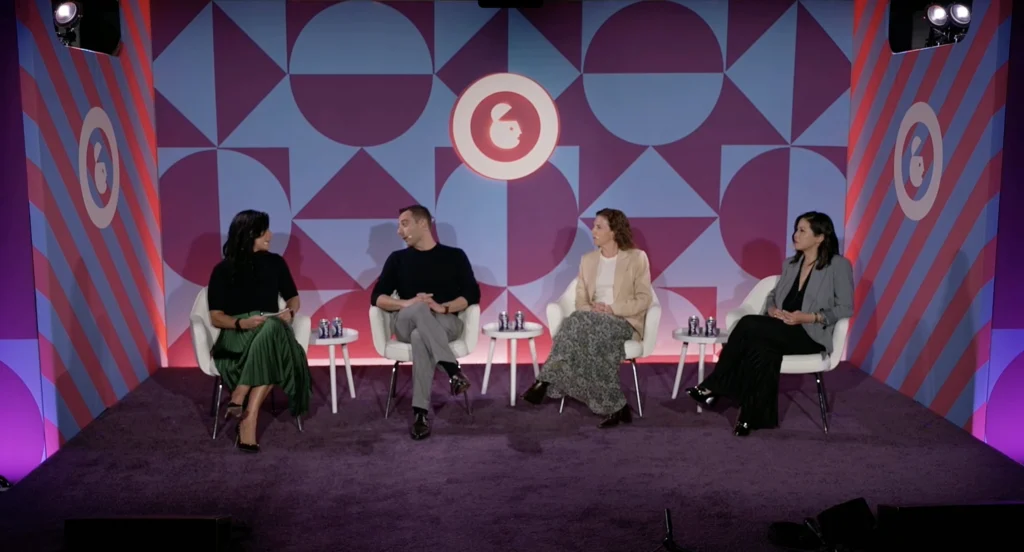
At the latest iteration of Advertising Week New York, a premier gathering of the world’s most influential brand architects, a consensus emerged: the era of passive brand loyalty is over. In a high-level panel discussion featuring executives from The Hershey Company, LinkedIn, and e.l.f. Beauty, the conversation centered on a singular, urgent theme—credibility is no longer a byproduct of high-budget advertising, but an asset earned through visible, consistent action.
The marketing leaders argued that modern consumers are increasingly skeptical of "purpose-washing" and empty slogans. Instead, brands must secure their place in the consumer’s life by providing tangible value, delivering on specific promises, and engaging in cultural conversations that align strictly with their core identity. The overarching takeaway was clear: for a brand to remain relevant in a fragmented digital landscape, it must move beyond being "liked" to being "actively chosen."
The discussion highlighted three pillars of modern brand building:
- The Value Exchange: Providing utility or information before asking for consumer trust.
- Strategic Synergy: Utilizing partnerships that offer complementary value rather than mere brand exposure.
- Cultural Integrity: Responding to trends and crises with transparency and a focus on adding to the narrative rather than just joining it.
Chronology: From Legacy Familiarity to Active Consideration
The panel’s narrative arc followed the lifecycle of a brand’s relationship with its audience, beginning with the challenges faced by established "legacy" brands and moving toward the agile strategies of digital-native and high-growth companies.
The Challenge of the Legacy Brand
The discussion opened with an exploration of the "familiarity trap." Stacy Tappitt, Chief Growth and Marketing Officer at The Hershey Company, set the stage by addressing the unique burden of brands that have been household names for decades. For a company like Hershey, which manages a portfolio of 90 brands at varying stages of maturity, the primary obstacle is not awareness, but passivity.
"You can be loved but not chosen actively," Tappitt noted. This distinction served as the catalyst for the panel’s deeper dive into how brands can bridge the gap between being a "comforting background presence" and a "deliberate daily choice."
The Introduction of Value-First Marketing
The chronology of the discussion then shifted to the mechanics of earning that active choice. Paolo Provinciale, Vice President of Marketing at LinkedIn, introduced the concept of "Value Before Trust." He explained that LinkedIn’s strategy has evolved from being a passive networking site to an active provider of economic intelligence. By publishing data on hiring trends and skill shifts, the platform establishes itself as an essential tool for both individuals and policymakers before it ever asks for user loyalty.
Integrating with Culture and Community
Following the establishment of value, the panel moved toward the execution of cultural relevance. Lori Lamb, Chief Brand Officer at e.l.f. Beauty, detailed how a brand maintains its edge by "shaping culture rather than chasing trends." This part of the discussion focused on the internal mechanisms—such as e.l.f.’s "zero distance" culture—that allow a brand to stay synchronized with its audience in real-time.
Managing Friction and Crisis
The final segment of the panel addressed the inevitable moments of friction. The leaders discussed the necessity of owning mistakes and the dangers of entering cultural conversations without a clear contribution. The session concluded with a look at how transparency serves as the ultimate insurance policy for brand credibility.
Supporting Data: The Context of Modern Consumer Behavior
To understand the weight of the panelists’ arguments, one must look at the broader market data that informs their strategies. Recent industry reports suggest that consumer trust in traditional institutions and corporations has reached historic lows. According to the 2024 Edelman Trust Barometer, consumers are increasingly looking to brands to fill the gap left by government and media, yet they are simultaneously more sensitive to perceived inauthenticity.
The Paradox of Familiarity
The Hershey Company’s struggle with "passive love" is backed by consumer psychology. Research indicates that while familiarity breeds liking (the Mere Exposure Effect), it can also lead to "brand fatigue" or "automaticity," where a consumer buys a product out of habit rather than preference. When a new, more "vocal" or "value-aligned" competitor enters the space, these passive consumers are easily swayed.
The Power of Non-Linear Narratives
LinkedIn’s focus on "zigzag" career paths responds to a massive shift in the labor market. Data from the Bureau of Labor Statistics and various workforce studies show that the average worker will change careers (not just jobs) multiple times in their life. By pivoting their marketing to reflect this "non-linear" reality, LinkedIn aligns its brand identity with the actual lived experience of its 1 billion+ members, thereby increasing its functional credibility.
The "Zero Distance" Advantage
The success of e.l.f. Beauty—which has seen consistent, industry-defying growth—is often attributed to its speed to market. Their "zero distance" approach, which removes silos between leadership and the community, allows them to act on micro-trends months before traditional beauty conglomerates. This agility is a form of credibility; it shows the consumer that the brand is listening and reacting in real-time.
Official Responses: Executive Perspectives on Brand Strategy
During the panel, the executives provided specific insights into how their respective organizations handle the pressures of modern marketing.
The Hershey Company: Bridging the Generational Gap
Stacy Tappitt emphasized that for Hershey, credibility is maintained through strategic evolution.
"We look for brands or partners that share our values, maybe have a common mission, but that can offer something complementary to both brands," Tappitt said.
She pointed to the partnership between Reese’s and the Nitro Bar, which resulted in a Reese’s pumpkin latte. This wasn’t just a logo placement; it was a move to capture a "new occasion"—the morning coffee routine—and reach a younger demographic that may not traditionally associate a legacy chocolate brand with their daily caffeine fix.
LinkedIn: The Authority of Data
Paolo Provinciale argued that a brand’s voice is only as strong as the data behind it.
"It’s not what you say, but actually the way you show up," Provinciale stated. "Provide value to your audience before actually asking for that credibility and trust back."
He highlighted LinkedIn’s use of its "economic graph" to provide insights that help people navigate professional uncertainty. By showcasing high-profile "career pivots"—like DJ John Summit’s transition from accounting or NFL player Fernando Mendoza’s use of the "Open to Work" banner—LinkedIn humanizes its data, making it relatable and actionable.
e.l.f. Beauty: Consistency as a North Star
Lori Lamb focused on the internal alignment required to project external credibility.
"It’s the consistency of playing out values, so not just delivering values, but standing behind your values," Lamb explained.
She warned against the trap of "chasing trends," noting that e.l.f. prefers to "shape narratives." By involving employees at all levels in company decisions through their "zero distance" model, the brand ensures that its public-facing actions are a true reflection of its internal culture, making it much harder for critics to find gaps in their authenticity.
Implications: The Future of Brand-Consumer Relationships
The insights shared at Advertising Week New York suggest a fundamental shift in the marketing playbook. The implications for the industry are three-fold:
1. The Death of the "One-Way" Conversation
Brands can no longer dictate their identity to the public. Credibility is now a co-authored narrative between the brand and its community. Companies that fail to listen—or that treat "community conversation" as a buzzword rather than a strategic input—will find themselves increasingly alienated from younger cohorts, particularly Gen Z and Alpha, who prioritize brand behavior over brand aesthetics.
2. Partnerships as Proof Points
The role of partnerships has evolved from a reach-extension tool to a credibility-validation tool. As seen in the Hershey and e.l.f. examples, the right partnership acts as a "proof point" for a brand’s values. Future collaborations will likely be judged not by how many impressions they generate, but by how well they solve a specific consumer problem or open a new, authentic "occasion" for the brand to exist.
3. Radical Transparency as a Requirement
Tappitt’s advice on handling mistakes—"Own up to it, be transparent, try to make it right"—is becoming the industry standard. In an age of viral misinformation and "cancel culture," the ability to respond with humility and speed is a competitive advantage. Brands that attempt to hide or deflect in the face of criticism risk permanent damage to their credibility, whereas those that "live to fight another day" through honesty can actually strengthen consumer bonds through their vulnerability.
Conclusion
Ultimately, the panel at Advertising Week New York delivered a sobering but empowering message: credibility is a visible action. Whether it is through LinkedIn’s data-driven insights, Hershey’s occasion-based partnerships, or e.l.f.’s community-led culture, the brands that win will be those that provide more than they take. In the modern marketplace, trust is not a given—it is a continuous transaction.
