

Maintaining physical strength as we age is not merely about aesthetic goals or athletic performance; it is the fundamental currency of independence. As we cross the threshold of 60, our muscle mass—a condition known as sarcopenia—begins to decline at an accelerated rate if not actively countered. Investing in strength today is the most reliable insurance policy against the hazards of aging, ensuring that you can stand from a chair, carry groceries, climb stairs, and recover from stumbles with confidence.
In this comprehensive guide, we explore three objective "strength markers" that provide immediate feedback on your functional status. By utilizing these simple, no-equipment assessments, you can identify your current baseline, pinpoint areas for improvement, and chart a course for long-term health.
The Philosophy of Functional Testing
When coaching clients in the 60+ demographic, the goal is to assess movement patterns that mirror the demands of daily life. We focus on three core pillars: controlling body weight through a full range of motion, pressing force away from the body, and utilizing the posterior chain (the hips and glutes) to generate power.
These exercises are not just tests; they are training tools. A successful repetition demonstrates mobility, neuromuscular coordination, and structural integrity. Conversely, a challenging repetition provides a "data point" that serves as a roadmap for your future training. Whether you breeze through these checks or find them difficult, you gain the clarity needed to decide exactly what your body requires to improve.
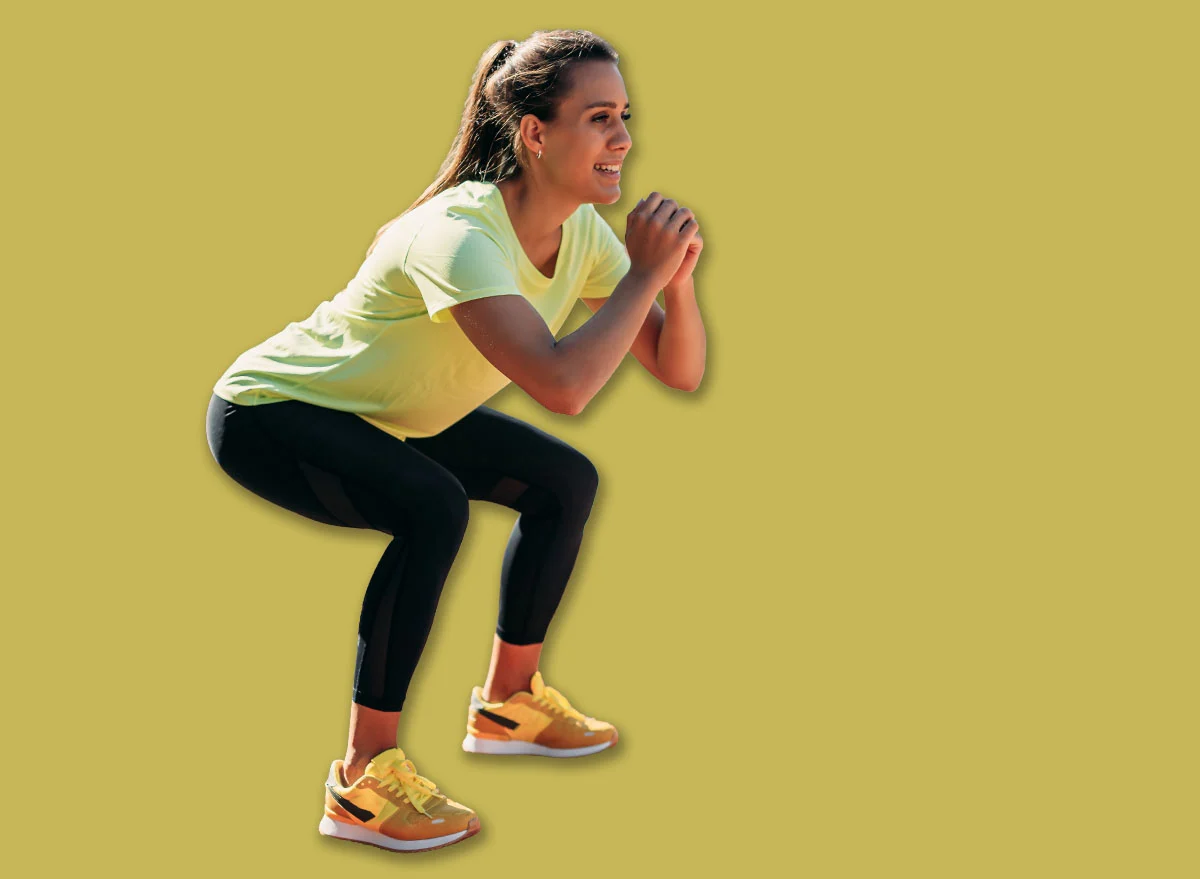
1. The Bodyweight Squat: Assessing Lower-Body Power
The squat is the functional king of human movement. It is the physical embodiment of rising from a sofa, lowering yourself into a car, or navigating a flight of stairs.
Why It Matters
The squat requires a synchronized effort from the ankles, knees, and hips. When performed correctly, it ensures that your quadriceps, glutes, and hamstrings are firing in harmony. A fluid, pain-free squat is one of the strongest indicators that your lower body has the structural capacity to handle the rigors of daily life.
Execution and Technique
- The Setup: Stand with feet shoulder-width apart, toes pointed slightly outward.
- The Movement: Initiate the descent by pushing your hips back as if sitting into an invisible chair. Keep your chest upright and your heels firmly planted.
- The Depth: Lower until your thighs are parallel to the floor, or as low as your current mobility allows without compromising form.
- The Return: Drive through your mid-foot to return to a full standing position, squeezing your glutes at the top.
Recommended Prescription: 2 to 3 sets of 8 to 12 repetitions.
Scaling: If full-depth squats are challenging, utilize a "box squat" by sitting down onto a chair and standing back up. This provides a safety target and helps develop the necessary motor patterns.
2. The Push-Up: Measuring Upper-Body Integrity
Many individuals prioritize lower-body strength while neglecting the upper body, yet pushing strength is vital for everything from bracing yourself against a counter to maneuvering heavy doors or supporting your weight during a potential fall.
Why It Matters
The push-up is an underrated full-body exercise. It forces the chest, shoulders, triceps, and—crucially—the core to work in unison. A stable push-up proves that your core can prevent your midsection from sagging, which is a key indicator of spinal health and upper-body coordination.
Execution and Technique
- The Setup: Place your hands slightly wider than shoulder-width on a surface (or the floor). Maintain a straight line from your head to your heels.
- The Movement: Lower your body by bending at the elbows, keeping them tucked at roughly a 45-degree angle to your torso.
- The Return: Push firmly through your palms to return to the starting position, ensuring your core remains engaged throughout.
Recommended Prescription: 2 to 3 sets of 5 to 10 repetitions.
Scaling: Start with a wall push-up or an incline push-up (hands on a kitchen counter). As your strength increases, transition to knee push-ups before attempting the full movement.

3. The Glute Bridge: Evaluating Posterior Chain Function
The glutes are the largest muscles in the body, yet they are often "turned off" due to excessive sitting. They are the primary engine for walking, climbing, and maintaining an upright posture.
Why It Matters
The glute bridge is the ultimate test of hip extension. If you struggle to perform this movement without feeling strain in your lower back, it is a clear sign that your glutes are not properly engaging, forcing your spine to compensate for the lack of force.
Execution and Technique
- The Setup: Lie on your back with knees bent and feet flat on the floor, about hip-width apart.
- The Movement: Engage your abdominal muscles to protect your spine. Drive through your heels to lift your hips toward the ceiling until your body forms a straight line from shoulders to knees.
- The Peak: Squeeze your glutes hard at the top for one second.
- The Return: Lower your hips slowly and with control.
Recommended Prescription: 2 to 3 sets of 10 to 15 repetitions.
Scaling: If you experience cramping or lack of control, perform a "smaller range" bridge, lifting your hips only a few inches off the ground until you build the neural connection to your glutes.
Chronology of Strength Development
Strength is not built in a day, nor is it lost in one. Understanding the timeline of physical adaptation is essential for those over 60.
- Weeks 1–4 (Neurological Adaptation): During the first month of consistent practice, most of your progress will be neurological. Your brain is learning to recruit more muscle fibers more efficiently. Do not be discouraged if you do not see immediate muscle growth; the "strength" you feel is the nervous system becoming more refined.
- Weeks 5–12 (Structural Adaptation): By the second month, you will begin to notice actual physical changes. Your tissues will become more resilient, and your coordination during these movements will become second nature.
- Beyond 12 Weeks (Maintenance and Progression): Once you have mastered these basic movements, you can begin to add external resistance—such as light dumbbells or resistance bands—to continue stimulating growth.
Supporting Data: Why Strength Training is Non-Negotiable
Recent studies, including those published in the Journal of Gerontology and analyzed via the National Institutes of Health, consistently highlight that muscle mass is a primary predictor of longevity.
Research indicates that individuals over 60 who engage in resistance training at least twice a week exhibit a 30–40% lower risk of falls and a significantly higher "functional age" compared to sedentary peers. Furthermore, the metabolic impact of strength training—increasing insulin sensitivity and bone density—cannot be overstated. Strong muscles protect joints, effectively acting as the body’s primary shock absorbers.
Official Recommendations and Professional Insights
According to guidelines from the American College of Sports Medicine (ACSM), older adults should incorporate multicomponent physical activity that includes balance training and muscle-strengthening activities at moderate or greater intensity.
"Strength is the most important asset you possess as you age," says Jarrod Nobbe, MA, CSCS, a specialist in sports performance. "The goal is not to train like a bodybuilder, but to train like a human who wants to remain capable. If you identify a weakness in one of these three tests, don’t view it as a failure. View it as the most important information you could possibly have about your current health status."
Implications for Your Future
The implications of ignoring your strength baseline are significant. As we age, the loss of muscle mass leads to a decreased basal metabolic rate, reduced bone mineral density, and a higher vulnerability to injury. By choosing to implement these three checks, you are taking proactive control of your aging process.
How to Stay Consistent
- Progressive Overload: Never stay at the same level once a movement becomes easy. If you can perform 15 perfect glute bridges, add a three-second pause at the top.
- Recovery is Key: After 60, recovery takes longer. Aim for 48 hours of rest between sessions focusing on the same muscle groups.
- Consistency Over Intensity: One perfect, consistent workout is far superior to an occasional, grueling session that leads to injury or burnout.
By mastering the squat, the push-up, and the glute bridge, you aren’t just checking boxes—you are building the physical foundation required to enjoy your sixties, seventies, and beyond with the vitality and independence you deserve. Start where you are, stay consistent, and listen to what your body tells you. Your future self will thank you for the effort you invest today.
