

Introduction: The Poetics of the Everyday
In the heart of San Antonio’s historic downtown, the Centro de Artes gallery has long served as a vital lighthouse for the city’s cultural consciousness. As the institution celebrates its tenth anniversary, it has unveiled a landmark exhibition that bridges the gap between the grocery aisle and the gallery wall. Titled Mercado/Material, the exhibition—curated by the visionary Mia Lopez—invites viewers into a vibrant, tactile exploration of Latinx identity, consumer culture, and the aesthetic history of the marketplace.
Featuring 16 distinct artists, the exhibition is not merely a collection of objects; it is a profound sociological inquiry into what we buy, what we consume, and how those actions define our place in the world. By elevating everyday objects—fruit cups, bodegas, piñatas, and storefront signage—to the status of fine art, Mercado/Material challenges the traditional hierarchies of the art world, echoing the radical spirit of mid-century Pop Art while infusing it with the specific, nuanced textures of the Latinx experience.
The Core Narrative: Redefining Pop Art
At its essence, Mercado/Material asks a deceptively simple question: What does our culture look like, and who gets to decide what is worthy of preservation? The exhibition draws a clear lineage from the Pop Art movement of the 1960s. Where Andy Warhol immortalized the Campbell’s soup can and Claes Oldenburg monumentalized the soft sculpture, the artists in this exhibition turn their gaze toward the specific visual language of the barrio.
Curator Mia Lopez has masterfully woven a narrative that spans geographies, pulling inspiration from the markets of San Antonio, the bustling street vendors of Chicago, the intimate storefronts of Mexico, and the iconic bodegas of New York City. The result is an immersive dialogue between the commercial and the personal.
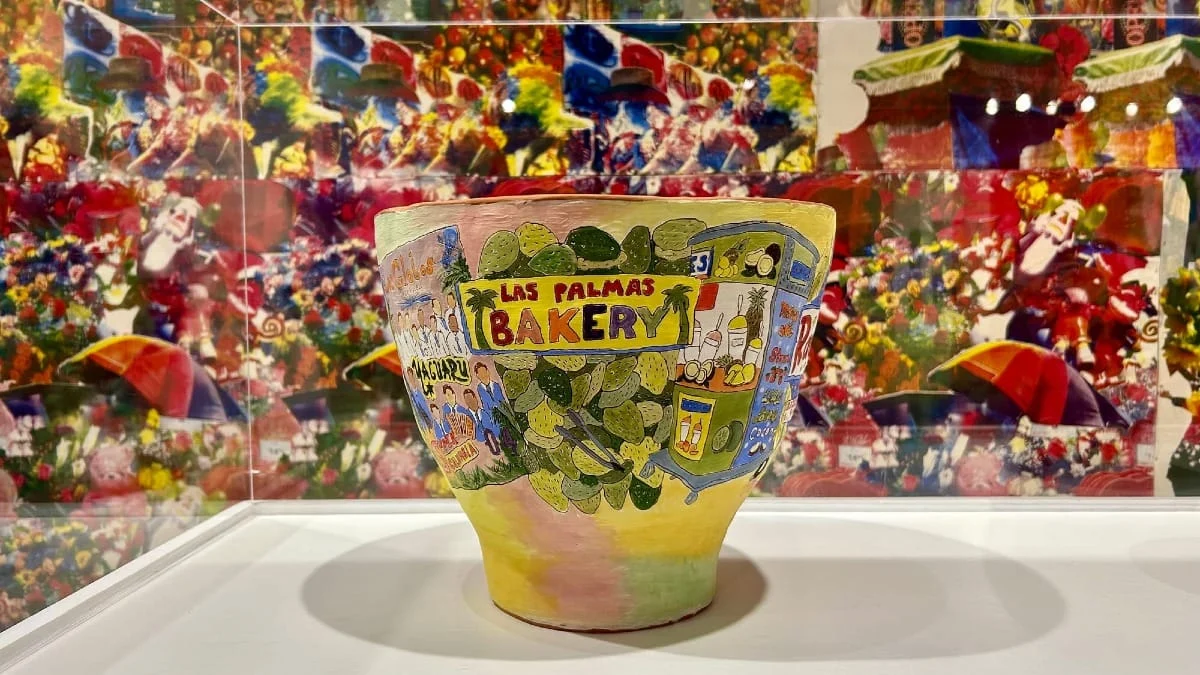
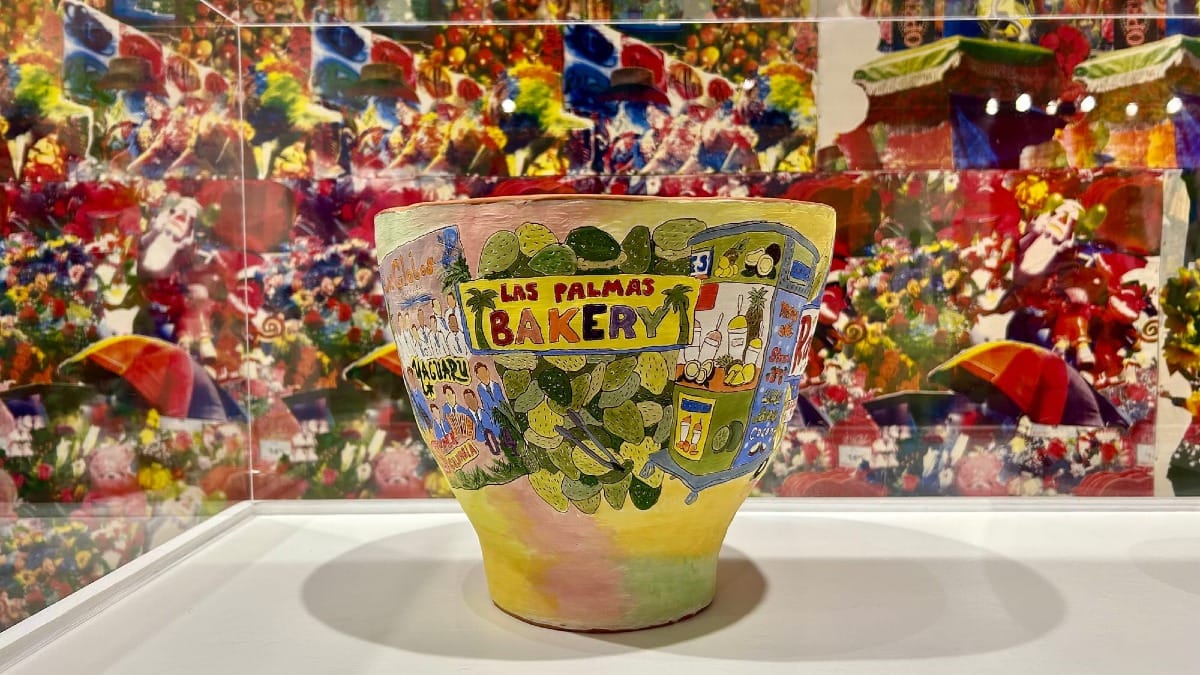
Visitors are greeted by a kaleidoscope of mediums: layered screen prints, monumental textile installations, delicate ceramic sculptures, and evocative works on paper. These pieces capture the ephemeral nature of the marketplace—the transitory life of a fruit cup, the fleeting scent of a street stall, and the permanent impact of labor on the physical environment. By transforming these mundane items, the artists force a reconsideration of consumerism, suggesting that our relationship with the "market" is inextricably linked to our relationship with our own cultural heritage.
Chronology: A Decade of Artistic Stewardship
To understand the significance of Mercado/Material, one must look at the timeline of the space that hosts it. The Centro de Artes is not just a gallery; it is a historical landmark.
- Pre-2016: The site of the current gallery served various functions, most notably as a produce annex that fed the pulse of San Antonio’s historic Market Square. This history is deeply embedded in the walls of the building, providing a "ghostly" context for the current exhibition.
- 2016: The City of San Antonio’s Department of Arts & Culture formally established the Centro de Artes as a dedicated space for Latinx-focused contemporary art, marking a pivotal moment in the city’s commitment to representative cultural programming.
- 2016–2026: Over the course of its first decade, the gallery has become a regional anchor, showcasing over 3,100 artworks by 600 individual artists. It has maintained a steady commitment to accessibility, ensuring that the stories of South Texas remain free and open to the public.
- October 16, 2026: Mercado/Material officially opens to the public, marking the beginning of a year-long anniversary celebration.
- March 7, 2027: The exhibition concludes its run, leaving behind a legacy of expanded discourse on Latinx identity and the future of community-led curatorial projects.
Supporting Data: The Impact of the Centro de Artes
The influence of the Centro de Artes extends far beyond its walls. Since its inception as a gallery space, the Department of Arts & Culture has utilized the venue to foster civic engagement through the arts. The data confirms that there is a significant, unmet appetite for this kind of culturally specific programming:
- Visitor Engagement: The gallery sees over 33,000 visitors annually, a testament to its role as a cultural hub for both tourists and, more importantly, local residents.
- Artistic Representation: With 600 artists exhibited over ten years, the gallery has provided a vital platform for emerging, mid-career, and established Latinx artists who might otherwise struggle to find institutional support in more traditional museum settings.
- Adaptive Reuse: The project serves as a model for urban development, proving that adaptive-reuse buildings—converting spaces of commerce into spaces of culture—can revitalize city centers without displacing the cultural identity of the local populace.
Official Responses: The Institutional Perspective
The City of San Antonio’s Department of Arts & Culture has positioned Mercado/Material as the centerpiece of their tenth-anniversary celebrations. In official statements, representatives from the department have highlighted the intentionality of the exhibition’s placement.
"By bringing Mercado/Material to the historic Market Square, we are closing the loop on the site’s history," says a spokesperson for the department. "The site once held the raw materials of commerce; today, it holds the artistic reflections of that same commerce. Mia Lopez has curated an experience that is at once deeply local to San Antonio and universally applicable to anyone who has navigated the intersection of labor, identity, and the marketplace."
For the artists involved, the exhibition represents a rare opportunity to have their work validated within a historic, public-facing, and entirely free space. By removing the barrier of admission, the City of San Antonio ensures that the dialogue about "Latinidad" is not siloed within academic or elite circles, but is accessible to the very communities whose lives are reflected in the art.
Implications: The Future of Cultural Heritage
What does it mean for an exhibition to treat a piñata as a monument or a grocery receipt as a primary document? The implications of Mercado/Material are significant for the broader art world.
1. The De-Stigmatization of "Low-Brow" Art
By placing these works in a prestigious gallery, the exhibition argues against the binary of "fine art" versus "popular culture." It suggests that the aesthetic choices made by immigrants, vendors, and laborers are not secondary to the art world; they are the very foundation upon which a unique American aesthetic is built.

2. Labor and Belonging
The exhibition subtly touches on the politics of labor. The markets depicted in the art are sites of intense human activity. By focusing on the "material" of the market, the artists force the viewer to confront the human labor behind the products. This is a subtle but potent commentary on the Latinx experience in the United States—a history of being essential to the nation’s survival while often being rendered invisible in the grander, polished narratives of national identity.
3. Sustainable Cultural Preservation
The success of the Centro de Artes provides a roadmap for other cities. In an era of rising costs and shrinking public spaces, the ability to maintain a free, high-quality, and community-focused gallery is a triumph. The longevity of this gallery suggests that public investment in the arts is not merely a "nice to have," but a fundamental component of a healthy, informed, and cohesive civic society.
Conclusion: A Must-See Exhibition
As the exhibition runs through March 7, 2027, it stands as a testament to the power of the local. Mercado/Material is a visual feast, but it is also a quiet, thoughtful interrogation of what we value. It asks us to look at the grocery store, the street stall, and the family pantry not as sites of routine, but as sites of history.
Whether you are a resident of San Antonio or a visitor to the region, the exhibition offers a unique opportunity to engage with the contemporary Latinx experience through the lens of those who live it, breathe it, and create it. Admission is entirely free, ensuring that the conversation remains as democratic as the marketplace itself.
To plan your visit and learn more about the 16 artists featured in this monumental anniversary exhibition, visit the official City of San Antonio website at sa.gov. In an age where digital noise often obscures the beauty of our daily surroundings, Mercado/Material serves as a necessary, vibrant reminder to look closer, shop with intent, and appreciate the material richness of the world we share.
